BEING A BUSWORLD’S LOCATION IS A GREAT RESPONSIBILITY: ALEJANDRO PAZOS, CMO SCANIA ARGENTINA

SCANIA PREPARES NEWS FOR THE EVENT

Colombiabus newsrooom– William Marroquín

They have been many months in virtuality, also of confinement, reflection and rethinking of both business and activities that seem to be ending. It is time to go back, to get going, to get closer as we have always wanted and continue to build lasting relationships in every way. Busworld Latin America 2022 wants to be the great event of the passenger transport industry in the region and a great celebration for bus players to meet again. A great event that involves great preparation and responsibility so that the appointment next September is unforgettable.

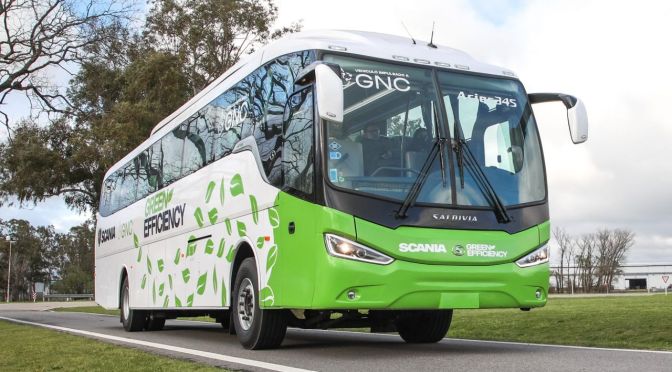
Scania Argentina has been a great generator of news in recent months: an increase in the portfolio of sustainable solutions, having natural gas as a standard, working very closely with the country’s bodybuilders, new financing schemes now offered directly that understand the reality of business and the appointment at Busworld is highly anticipated by the brand, they are very proud to play as locals and are already preparing the news that they will present during the great meeting of the Latina bus.

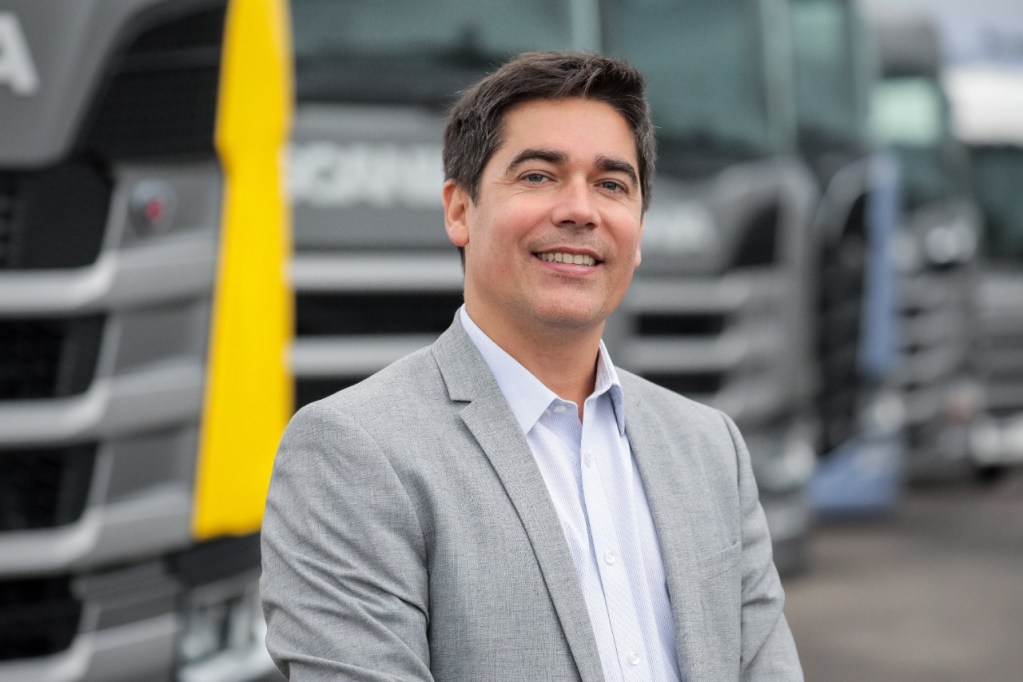
Alejandro Pazos, CMO of Scania Argentina, speaks with emotion about what Busworld represents for the brand and the first appointment in the country «The things that virtuality has, presence and live, the truth that is a pride for those of us who are part of Scania and as Argentines that we are going to host, and it is a great responsibility of an international event with global characteristics, that is why we are very excited about what Busworld Argentina 2022 will be ».

The executive also explains how the brand will be deployed during the event, “Scania has been working on this edition of Busworld, we are anticipating some news in terms of the product and the world of transport. Buswold is an ecosystem where not only chassis manufacturers such as Scania congregate, but also bodybuilders, the public sector and users ”.
It’s been a long time in virtuality and for a moment it was thought that the events that allowed the industry to come together would take longer to reappear, but the countdown has already begun. “Everything indicates that it will be a great event, and we are excited to return after these almost 18 months, where humanity overcame a great challenge, and now we are preparing for the future of sustainable transport with Scania, Busworld and Messe Frankfurt. »
MERCEDES-BENZ EXPECTS TOTAL SUCCESS IN BUSWORLD ARGENTINA 2022

70 YEARS OF A CLOSE RELATIONSHIP WITH TRANSPORTATION

Colombiabus newsroom – William Marroquín

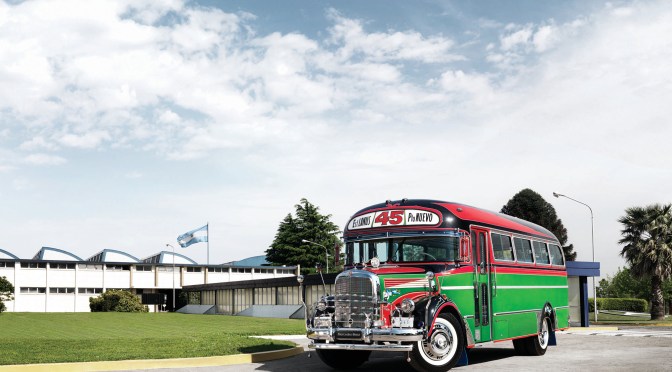
It has been more than a long journey for Mercedes-Benz to build transport solutions in Argentina, a country that holds the distinction of having been the first in the world to host the first factory of the brand’s vehicles outside of Germany, sowing the seed of what has been the expansion in the construction of automobiles and commercial vehicles with the emblem of the star worldwide.

Having settled in Argentina for so long is a reflection of the enormous confidence in the future of its people and the high expectations that the parent company always places in the production of Mercedes-Benz automobiles. There, vans, trucks and buses are produced taking a leading position in the commercial vehicle segment, with models as famous in the bus world as the Sprinter van that for 25 years has been manufactured in the country for export and local market. Or also the REMAN division, dedicated to manufacturing remanufactured engines and transmissions, helping the circular economy.

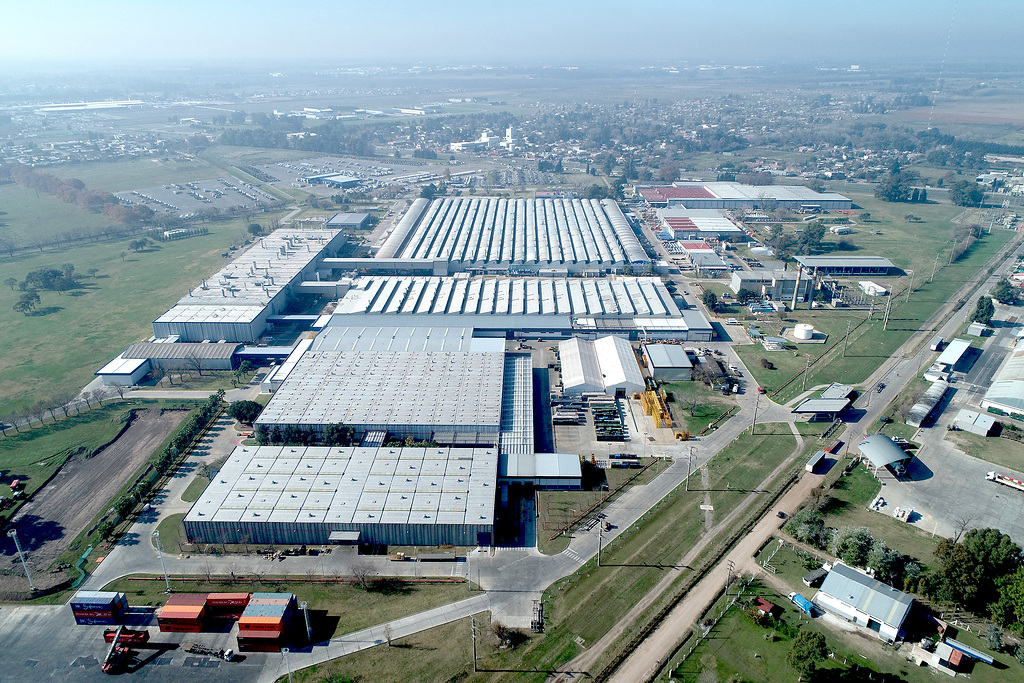
Aktuelles Bild des “Centro Industrial Juan Manuel Fangio von Mercedes-Benz in Argentinien” Current image of the “Centro Industrial Juan Manuel Fangio of Mercedes-Benz in Argentina”

A brand that has always been the protagonist in Busworld events held around the world, along with the other brands that make up the Daimler bus portfolio, which has accompanied the launch of the great bus meeting in Argentina, to be held in September 2022 Verónica Niemann, Head of Communications, CSR and Public Relations of the brand talks about the expectations of Mercedes-Benz and the event that will take place at La Rural – Fairground in Buenos Aires

BUSWORLD: How do you lthonk about the realization of Busworld in Argentina?

VERÓNICA NIEMANN: «I think it is an excellent initiative, not only because of the importance it has both for Argentina and for all of Latin America, I think it is a concept where the most important aspects of the value chain and all the priority security aspects come together in the transport of people ».

BW: What is the relationship that Mercedes-Benz Argentina has with transportation?

VN: «We have a long-standing relationship with transport, we celebrated 70 years of production in Argentina and were established in 1951 as the first plant outside Germany in this country and since then we have been linked to transport with great responsibility, quality and service efficiency for carriers and the value chain. «

BW: Do you think this exhibition is destined to be a success?

VN: «I think it is a very good initiative because it brings together several key aspects of the importance of transport in Argentina.«

SER SEDE DE BUSWORLD ES UNA GRAN RESPONSABILIDAD: ALEJANDRO PAZOS, CMO SCANIA ARGENTINA

SCANIA PREPARA NOVEDADES PARA EL EVENTO

Redacción Colombiabus – William Marroquín

Han sido muchos meses en la virtualidad, también de encierro, de reflexión y de replanteamiento tanto de negocios como de actividades que parece que terminarán. Es hora de volver, de estar en marcha, de acercarnos como siempre lo hemos querido y seguir construyendo relaciones duraderas en todos los sentidos. Busworld Latinoamérica 2022 quiere ser la gran cita de la industria del transporte de pasajeros en la región y una gran celebración para que los actores del autobús, se vuelvan a encontrar. Un gran evento que conlleva gran preparación y responsabilidad para que la cita en septiembre próximo sea inolvidable.

Scania Argentina ha sido una gran generadora de noticias en los últimos meses: aumento en el portafolio de soluciones sustentables, teniendo al gas natural como estandarte, trabajo muy cercano con los carroceros del país, nuevos esquemas de financiación ahora ofrecidos directamente que entienden la realidad de los negocios y la cita en Busworld es muy esperada por la marca, están muy orgullosos de jugar como locales y ya preparan las novedades que presentarán durante la gran reunión del autobús Latina.

Alejandro Pazos, CMO de Scania Argentina, habla con emoción sobre lo que representa Busworld para la marca y la primera cita en el país “Las cosas que tiene la virtualidad, la presencialidad y live, la verdad que es un orgullo para quienes formamos parte de Scania y como argentinos que vamos a ser sede y es una gran responsabilidad de un evento internacional con características mundiales, por eso estamos muy expectantes de lo que será Busworld Argentina 2022”.

El ejecutivo también explica cómo será el despliegue de la marca durante el evento “Scania viene trabajando en esta edición de Busworld, estamos adelantando algunas novedades en materia de producto y del mundo del transporte. Buswold es un ecosistema donde no sólo se congregan fabricantes de chasises como Scania, también carroceros, sector público y los usuarios”.

Ha sido mucho tiempo en la virtualidad y por un momento se pensó que los eventos que le permitían a la industria unirse, se tardarían más en reaparecer, pero ya comenzó la cuenta regresiva. “Todo indica que será un gran evento y estamos emocionados de volver tras estos casi18 meses, donde la humanidad superó un gran desafío muy grande y ahora nos preparamos para el futuro del transporte sustentable de la mano de Scania, de Busworld y de Messe Frankfurt.”

MERCEDES-BENZ ESPERA ÉXITO TOTAL EN BUSWORLD ARGENTINA 2022

70 AÑOS DE UNA RELACIÓN CERCANA CON EL TRANSPORTE

Redacción Colombiabus – William Marroquín

Ha sido más que un largo recorrido el de Mercedes-Benz construyendo soluciones de transporte en Argentina, país que tiene ostenta la distinción de haber sido el primero en el mundo, en acoger la primera fábrica de vehículos de la marca fuera de Alemania, sembrando la semilla de lo que ha sido la expansión en la construcción de automóviles y vehículos comerciales con el emblema de la estrella a nivel mundial.

Haberse instalado en Argentina desde hace tanto tiempo, es un reflejo de la enorme confianza en el futuro de su gente y las altas expectativas que siempre deposita la casa matriz en la producción de automotores Mercedes-Benz. Allí se producen vans, camiones y buses tomando una posición de liderazgo en el segmento de vehículos comerciales, con modelos tan célebres en el mundo del autobús como la furgoneta Sprinter que desde hace 25 años se fabrica en el país para exportación y mercado local. O también la división REMAN, dedicada a fabricar motores y transmisiones remanufacturados, ayudando a la economía circular.

Una marca que siempre ha sido protagonista en los eventos Busworld celebrados en todo el mundo, junto a las demás marcas que conforman el portafolio de autobuses Daimler, que ha acompañado el lanzamiento del gran encuentro del autobús en Argentina, que se celebrará en septiembre de 2022. Verónica Niemann, Responsable de Comunicaciones, CSR y Relaciones Públicas de la marca habla de las expectativas de Mercedes-Benz y el evento que tendrá lugar en La Rural – Predio Ferial en Buenos Aires

BUSWORLD: ¿Qué le parece la realización de Busworld en Argentina?

VERÓNICA NIEMANN: “Me parece una excelente iniciativa, no sólo por la importancia que tiene tanto para Argentina como para toda Latinoamérica, creo que es un concepto donde se unen los aspectos más importantes que son la cadena de valor y todos loas aspectos de seguridad prioritarios en el transporte de personas”.

BW: ¿Cuál es la relación que tiene Mercedes-Benz Argentina con el transporte?

VN: “Nosotros tenemos una relación con el transporte de hace mucho tiempo, cumplimos 70 años de producción en Argentina y nos establecimos en 1951 como la primera planta fuera de Alemania en este país y desde entonces nos une al transporte una gran responsabilidad, calidad y eficiencia en el servicio para los transportistas y la cadena de valor.

BW: ¿Cree que esta exposición está destinada a ser un éxito?

VN: “Yo creo que es una muy buena iniciativa porque une varios aspectos claves de lo que es la importancia del transporte en Argentina.

IVECO BUS ALCANZA LA PRODUCCIÓN DE LA UNIDAD 50.000 DE LA GAMA CROSSWAY

ÖBB POSTBUS DE AUSTRIA RECIBE LA UNIDAD DEL RÉCORD.

Redacción Colombiabus – Iveco Bus / William Marroquín

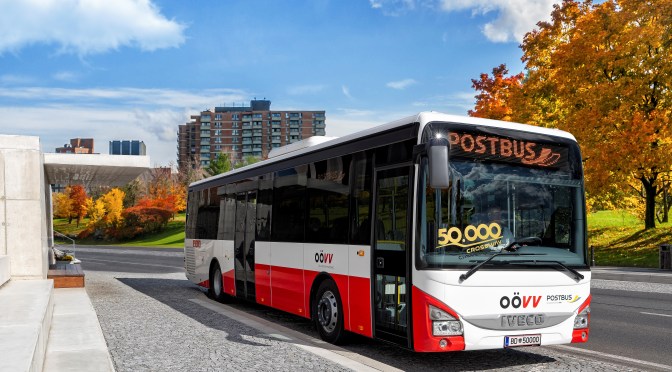
Iveco Bus celebró un hito al alcanzar la producción de la unidad 50.000 de su bus CROSSWAY, dirigido al transporte interurbano, escolar y de alquiler en recorridos de rutas cortas. Al alcanzar este récord, el autobús se convierte en un best seller de su clase, con el bus que ha llegado a ese número histórico que será recibido por la austriaca ÖBB Postbus, la más grande del país y cuya flota se compone principalmente de autobuses orientados al segmento de cercanías.

El Crossway fue producido por primera vez en 2006, buscando ser una versión más económica del Irisbus Arway (tenía fusión de Iveco MyWay con Renault Ares) y a partir de 2013, pasó a ser vendido bajo Iveco Bus. Siempre producido en las plantas ubicadas en República Checa (Vysoké Mýto) y Francia (Annonay).En principio equipados con los motores Tector de 5.900cc Euro V que alcanzaba hasta 300HP o los propulsores Cursor de 330HP.

El Crossway número 50.000 entregado a ÖBB Postbus forma parte del acuerdo firmado en 2016 para el suministro de más de 200 buses del modelo tanto en versión de plataforma normal, como de piso bajo. Se pondrá en servicio en Linz en Austria, lo que elevará la flota en funcionamiento de ÖBB Postbus a casi 1.300 unidades entregadas, lo que constituye una de las flotas más grandes de Europa.

La versión Line Low Entry del Crossway seleccionada por ÖBB Postbus puede acoger 45 pasajeros a bordo, que tendrán a su disposición entre otros, puertos de carga USB en cada asiento, aire acondicionado y pantalla TFT interna para un viaje cómodo. Con 12 metros de longitud, está equipado con un motor Cursor 9 Euro VI de 360 ​​CV, cuya exclusiva tecnología patentada HI-SCR sin recirculación de gases de escape (EGR) consigue unos niveles de emisiones muy bajos pero también permite reducir el consumo de combustible y los costes de mantenimiento.

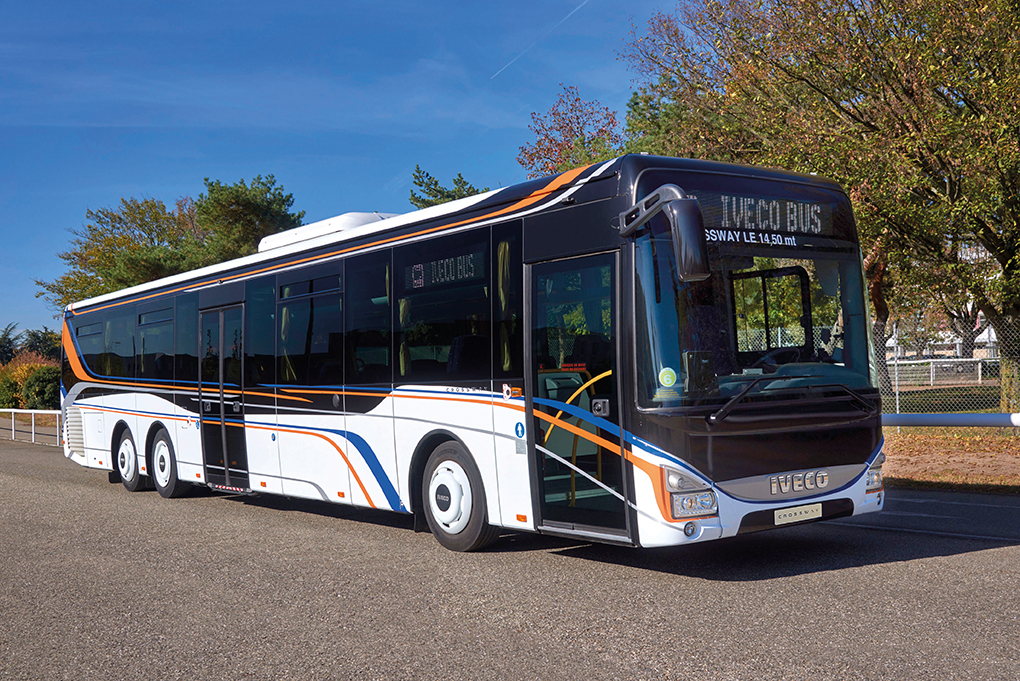
En 15 años, el Crossway se ha convertido en el referente en el segmento interurbano, con sus múltiples variantes (10,7, 12, 13 y 14,5 m), y sus motores propulsados ​​por diésel o biogás, es posible satisfacer todas las necesidades del cliente, sea cual sea la misión. Diseñada para combinar rentabilidad operativa, versatilidad y rendimiento, es la opción ideal para las empresas de transporte. Galardonados en varias ocasiones, los buses Crossway han recibido numerosos premios como el “International Bus & Coach Award 2017” y el “Sustainable Bus of the Year 2018” por su versión Low Entry, en versiones diésel y gas natural respectivamente y más recientemente el “Sustainable Bus of the Year 2020 ”y el“ International Sustainability Award 2021” por su versión a gas.

Actualmente fabricados en la planta de Vysoke Myto (República Checa), la gama Crossway se beneficia de una gran continuidad y conocimiento en la producción de autobuses y autocares interurbanos. Con más de 3.800 empleados, más 1.700 subcontratistas, es uno de los mayores empleadores de la República Checa y Europa del Este, y el mayor fabricante de autobuses de Europa, con más de 4000 vehículos producidos al año.

VOLVO WILL TEST ITS NEW BZL ELECTRIC BUS IN COLOMBIAN STREETS

THE DEMO BUS WILL ROLL FOR 6 MONTHS IN COLOMBIA

Colombiabus newsroom – Volvo Buses Colombia / William Marroquín

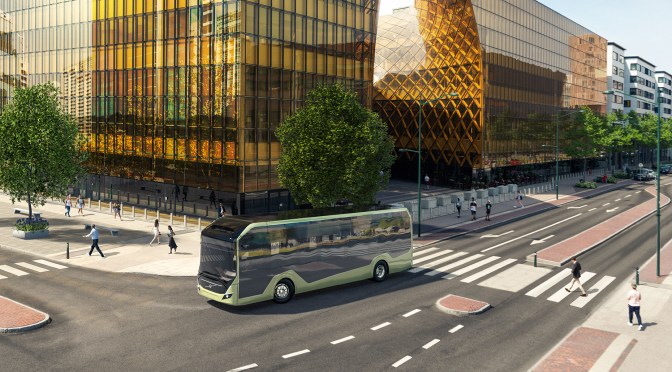
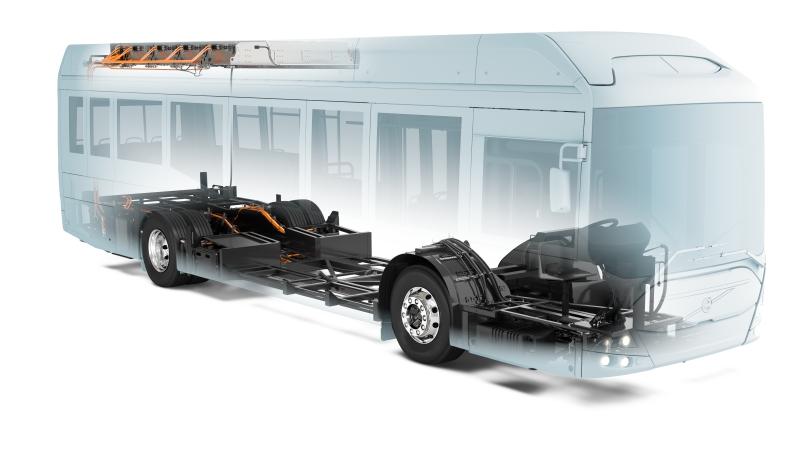
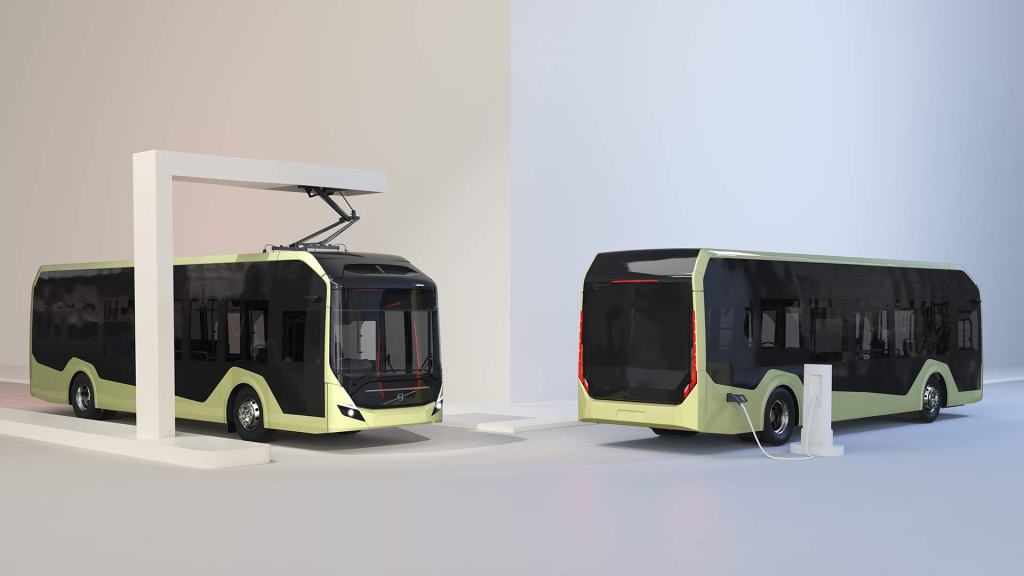
The great impact left by the global launch of Volvo’s new BZL electric bus chassis, designed to meet the needs of operators and cities in any metropolis, has not been fully assimilated when the pleasant news is received that we will soon have the new passenger vehicle, ready for tests in Colombia, where Volvo Buses has been present for more than 20 years, promoting the modernization of massive systems and offering a better quality of life in transport.

The global demand for electromobility solutions in public transport is growing, and Volvo Buses is preparing for even faster order growth in the coming years. “With the new Volvo BZL Electric, we offer a global platform for clean, quiet and energy efficient public transport to meet the growing demand in markets that are already ready to switch to electromobility,” says Anna Westerberg, Global CEO of Volvo Buses.

André Marques, General Director of Volvo Group Colombia, mentioned at the launch of the new BZL chassis that “Colombia is one of the Volvo Group’s priorities for the introduction of electric buses in Latin America. The above, because as a country we have great potential for this technology, and we want to generate the least impact with our transport solutions ”.

Colombia is in the global trials and an electric demo bus is expected to be in the country early next year. “For 6 months the Volvo electric bus will have activities such as product presentation and testing with operators, investors, strategic allies and institutions focused on electromobility,” said Giulliano Decicino, Commercial and Marketing Manager of Volvo Buses Colombia.

Volvo Buses has years of experience in electromobility solutions, working closely with operators around the world. This chassis is designed as a single or double-deck, with multiple options for drivers. “The new Volvo BZL Electric builds on proven and successful solutions already deployed in Europe. All chassis and powertrain components have been developed to ensure the superior quality of our buses,” says Dan Pettersson, Volvo Buses Head of International Business.

Electric buses are always part of a system. Route distance, frequency, capacity, pricing and local regulations translate into different solutions. This new Volvo BZL is designed to be respectful of the environment and emissions, beyond when it is in operation with passengers, since materials and manufacturing process have taken this premise into account and 90% of the components of the bus are recyclable, while the batteries will have a second use when they end their useful life in the buses.

Safety is another core value of Volvo buses, the Volvo BZL Electric meets the highest European standards for superior driving and safe operation. This includes Volvo Buses the latest offering in connected technology, Volvo APP Bus Connect. “With functions such as Volvo Safe Zone Management, the operator can define safety zones where the maximum speed of the bus is limited, for example near schools or at terminals,” explains Andrés Camacho, Volvo Buses Services Manager Colombia.

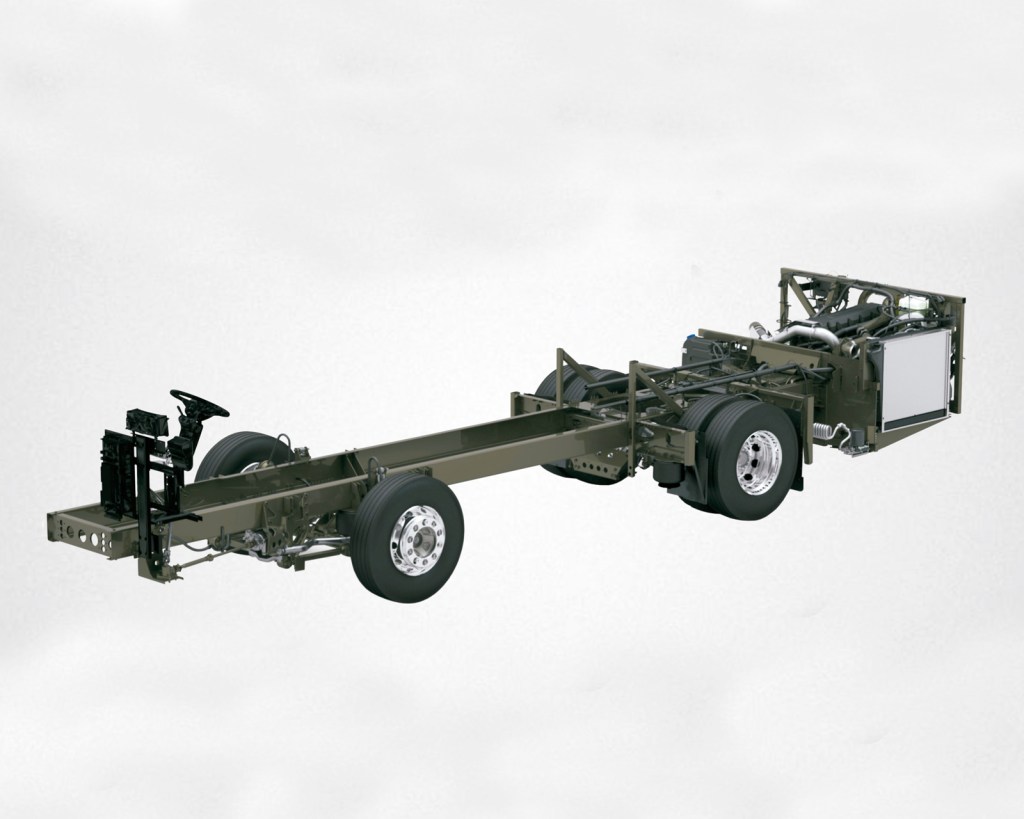
The new Volvo BZL Electric features a powertrain developed entirely by the company. The 200 kW electric motor is mated to a two-speed automated transmission. The powertrain can be configured with one or two generators, delivering equivalent power up to 540 HP, giving the Volvo BZL Electric high climbing ability, fast and comfortable operation at all times.

The Volvo BZL Electric is designed for recharging flexibility for both high-power fast charging (OppCharge – Opportunity Charge) and trickle charging (CCS) in the garage or warehouse. Volvo Buses also offers a usable energy commitment, guaranteeing an agreed amount of power for operation and eliminating customer concerns about batteries.

SCANIA VOLT CHASSIS ARRIVES IN MEXICO ON INTEGRAL BUS FOR TESTS AND DEMONSTRATIONS

THE BUS WILL ROADSHOW THROUGH LATIN AMERICA

Colombiabus newsroom – Scania Buses México

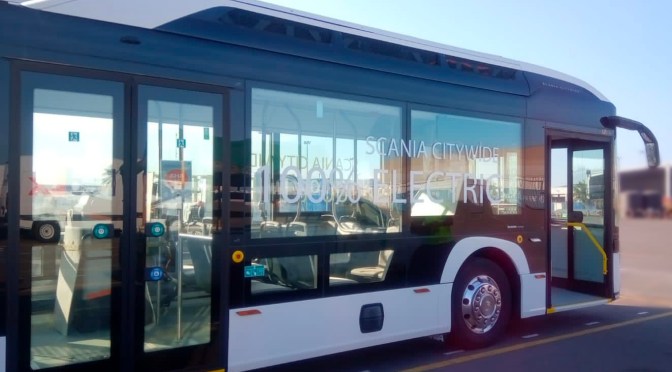
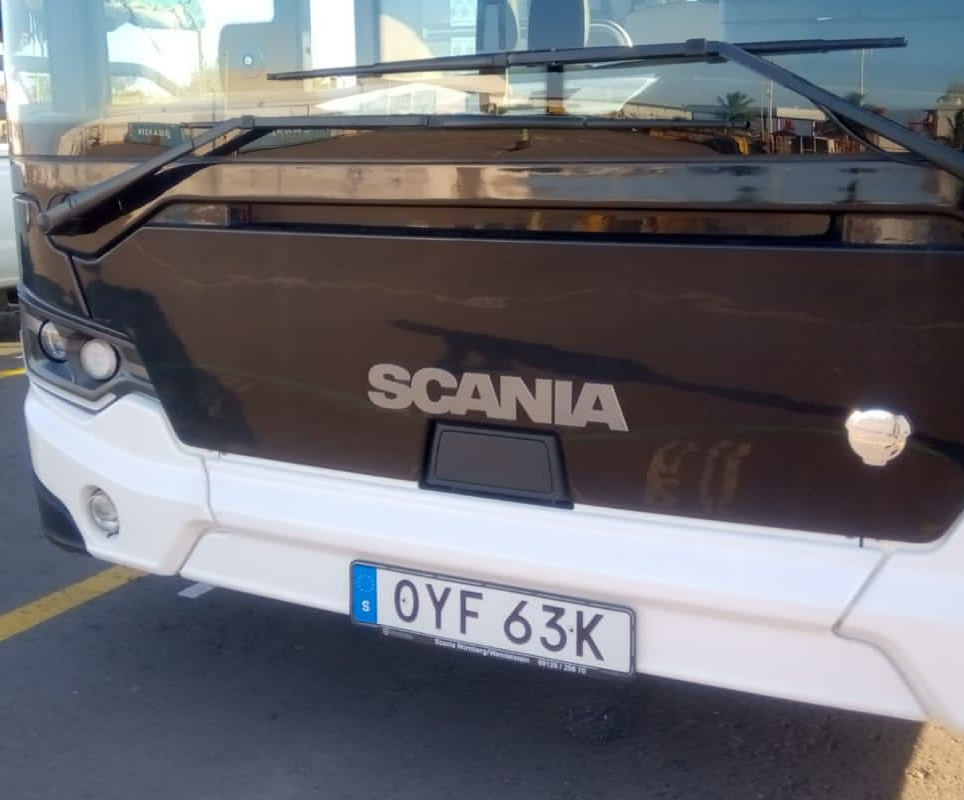
One of Scania’s most ambitious projects in Mexico, since its arrival in the country in 1994, is the commitment to electromobility, which has given much to talk about in recent days with the first launch for all of Latin America, of the Volt chassis built on the Urviabus model from Carrocerías Beccar, builder from the state of Jalisco.

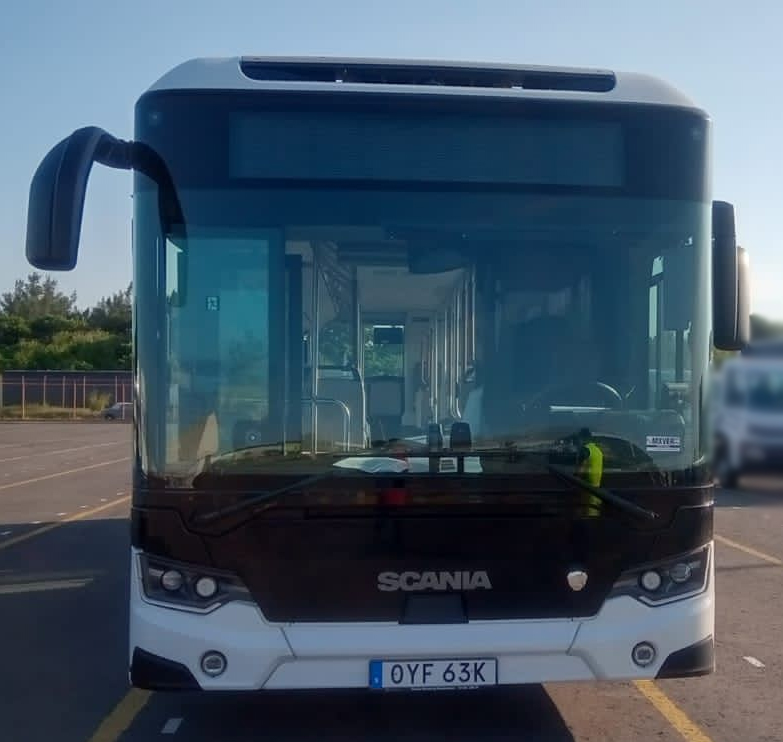
During the presentation, the arrival of a vehicle for tests with the Mexican operators was announced. As part of the testing schedule planned by Scania, a comprehensive bus arrives in Mexico, which will be tested in the following weeks in Mexico City, where the unit’s operating data will be collected for adaptation to the Mexican market.

The bus called “Citywide” will be doing a roadshow through Latin America, with Mexico being Scania’s first market in America to reach, to later go to South America in the following months, in order to collect data from the region and produce the best electric urban chassis of the new generation from 2022.

In the last presentation by Scania and Beccar of their Volt e-Urviabus bus, the arrival of this chassis was mentioned, since a correct study of the country’s conditions is important for both brands. The Scania Volt is part of the new generation of Scania buses, completing a portfolio of sustainable and environmentally friendly buses.

Scania has focused on developing vehicles with the latest technology for the demands of the cities of the future, that is, the focus is not only on sustainable operation, but also on safety and visual systems for the driver that allow it to be more friendly to its environment. Compared to conventional vehicles, electric vehicles require a broader vision as they must consider battery configuration, operating range, power consumption, and performance.

The Scania Volt e-Urviabus will be manufactured in the first half of the following year in accordance with the demand for the product from customers, several of them today interested in introducing these technologies in several major cities in the country.

SOLARIS RECEIVES ORDER FOR 24 URBINO ELECTRIC BUSES FOR BARCELONA

THE CONTRACT IS OF 12 MILLION EUROS

Colombiabus newsroom – Solaris Bus & Coach

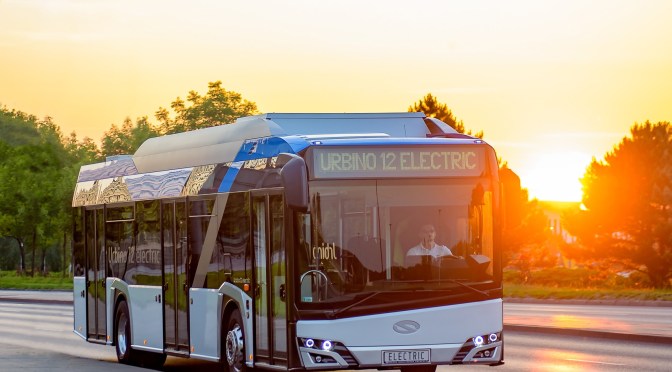
Transportes Metropolitanos de Barcelona (TMB), operator of the Spanish city, has once again chosen the Solaris urban buses to advance in the race to have zero-emission vehicles and that is why it has signed an agreement with the Polish manufacturer to deliver 24 electric vehicles of the model Urbino 12 that will reach the end of 2022.

The Solaris Urbino are extremely quiet, free of local emissions and guarantee a low level of operation combined with low operating costs. With the proper configuration of batteries and infrastructure, they can run 24 hours a day, being fully suitable for working on the routes of large urban centers.

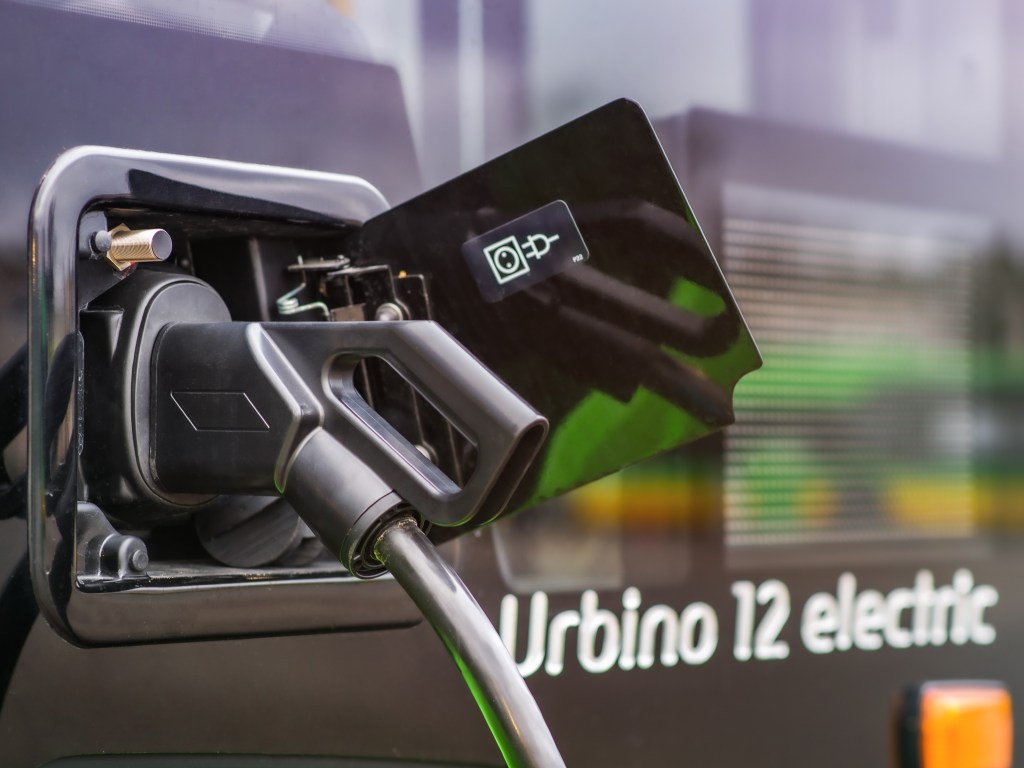
Barcelona’s residents have already had the opportunity to see the results, thanks to 19 Urbino 18 articulated electric buses that have joined the fleet operated by TMB. The vehicles to be delivered in the capital of Catalonia will be powered by Solaris High-Energy batteries with a total capacity of more than 400 kWh, which can be recharged by combining the pantograph connectors, so that the energy reaches the central electric motor.

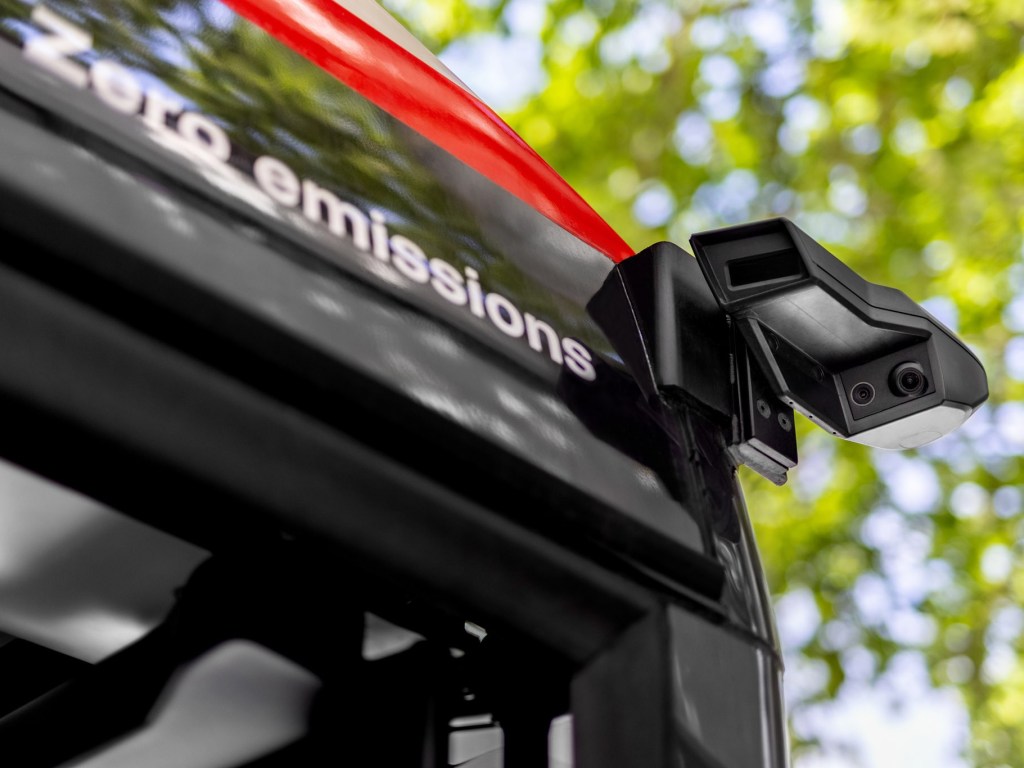
The driver will be calm thanks to assistance systems such as the Mobileye Shield + and MirrorEye systems. The first allows the risks related to the blind spots of the vehicle bus to be eliminated, receiving alerts from pedestrians and cyclists located in the vicinity or for turning maneuvers. Thanks to cameras placed on both sides, the driver receives alerts from pedestrians and cyclists located in the vicinity. The MirrorEye is, in turn, a camera system that replaces the rearview and side mirrors. In addition to ensuring optimal visibility regardless of weather conditions, as well as at night, they also reduce the overall width of the bus, which is particularly important on narrow streets or with higher road traffic.

As if that were not enough, the buses will have a passenger counting device that will allow the carrier to collect data on passenger flows on the buses. It was in 2015 when the Solaris vehicles first arrived in the fleet of the operator Transportes. Metropolitans of Barcelona (TMB). All Solaris vehicles that roll around the Catalan city are hybrid or electric. The last order placed for the customer was for 14 articulated electric buses of the Urbino 18 model, delivered between 2020 and 2021. Solaris is a European leader in the production and sale of low- and zero-emission buses. Almost 3,000 Solaris zero-emission vehicles, including more than 1,000 electric buses, move on the streets of more than 30 European cities.

IN PERU CRUZ DEL SUR RECEIVES NEW VOLVO BUSES FOR BUSINESS TRANSPORTATION

AN ADDITIONAL DELIVERY IS EXPECTED STARTING 2022

Colombiabus newsroom – William Marroquín

The mining sector is one of the main drivers of the economy in Peru, the main passenger transport companies have a range of services aimed at mobilizing the personnel working in mining. One of them is Cruz del Sur, with more than 60 years of history and of them, about twenty with its institutional services division.

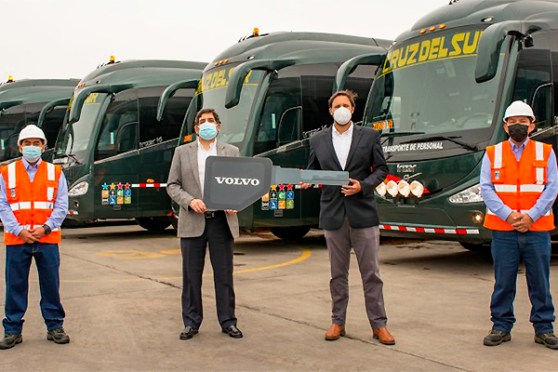
Always focused on providing a personalized service with high-quality standards for the mining and industrial sectors, Cruz del Sur received 7 Volvo B380R 4X2 Euro buses, bodied with the Irizar i6 model. These new vehicles will allow you to strengthen that relationship with the large mining sector customer with whom you have had a 9-year alliance. Business transportation currently represents more than 50% of revenues for the company, considering the pandemic, the slow recovery of national long-distance routes and the uncertainty due to the reactivation of international routes.

The new buses are part of the first group that Cruz del Sur receives, since starting in 2022 the Peruvian company will receive a second group of zero kilometer vehicles to provide a reliable, safe and quality service, welcoming the renewal of the contract.

The new Volvo B380Rs feature IShift intelligent automated transmission, EBS 4-wheel disc braking system, VEB engine brake and the Driver Support Systems active safety package. This system warns of the risk of a frontal collision, activates the emergency stop and is combined with the adaptive cruise control, the warning system of involuntary lane departure and the alerts for the driver.

All units have Hispacold ECO3 air purifier, approved by the National Institute of Aerospace Technology (INTA) of Spain; which has been shown to be effective in eliminating 99.7% of the SARS-Covid2 virus. It is important to point out that this acquisition is added to another 60 units acquired, of different configurations, for clients in the mining sector.

FORD RELEASES ITS COMMERCIAL VEHICLE DIVISION IN BRAZIL WITH THE VAN TRANSIT

THE MODEL WILL BE MANUFACTURED IN URUGUAY

Colombiabus newsroom – William Marroquín / Ford Media Center

The poor results of Ford worldwide, between 2017 and 2019, as well as the crisis derived from the pandemic, forced the Detroit giant to rethink its global strategy, with a painful adjustment process that even led to the closure of several plants in Latin America, as happened with the facilities in Brazil and Argentina that stopped operating.

Ford’s new strategy aims to focus on F-Series vehicles, SUVs and light utility vehicles, as well as hitting the gas pedal to electrify its portfolio, create new mobility services and business units. Along these lines, one of the first divisions resulting from this reengineering has been Ford Pro, which operates independently and is dedicated to promoting commercial vehicles.

This new division will integrate the business of development and sale of commercial vehicles with both conventional and electric propulsion; development of charging solutions for homes, offices and companies; connected services for fleet management that ensure productivity and profitability for owners; elite services to improve after-sales and support by allowing utilities to get back to work quickly; and the Ford ProFin Simple financing program, to leverage the purchase of the units, as well as the electric recharging systems.

One of the axes of this new Ford division is the light utility Transit, which has been one of the pillars of the brand in several countries, first produced in 1953 and with more than 10 million units sold globally. That it will have diesel versions and the electric E-Transit, which is already available in Europe and will have to make the route to South America.

For the introduction of the model in this region, coordinated work was carried out with the engineering centers in England, Germany and the Brazilian facilities in Tatui (State of São Paulo), where a test center operates. More than 20,000 hours of work and more than 1 million kilometers of tests, allowed to adjust the characteristics of the models that will arrive in South America. The Transit will be produced in Uruguay, thanks to an alliance between Ford and the Nordex group, to have the fifth country that will produce the van, in addition to the United States, Turkey, China and Russia. The investment for the production process amounts to 50 million dollars.

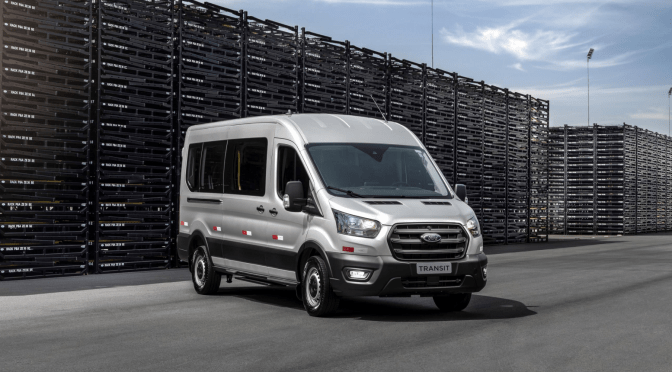
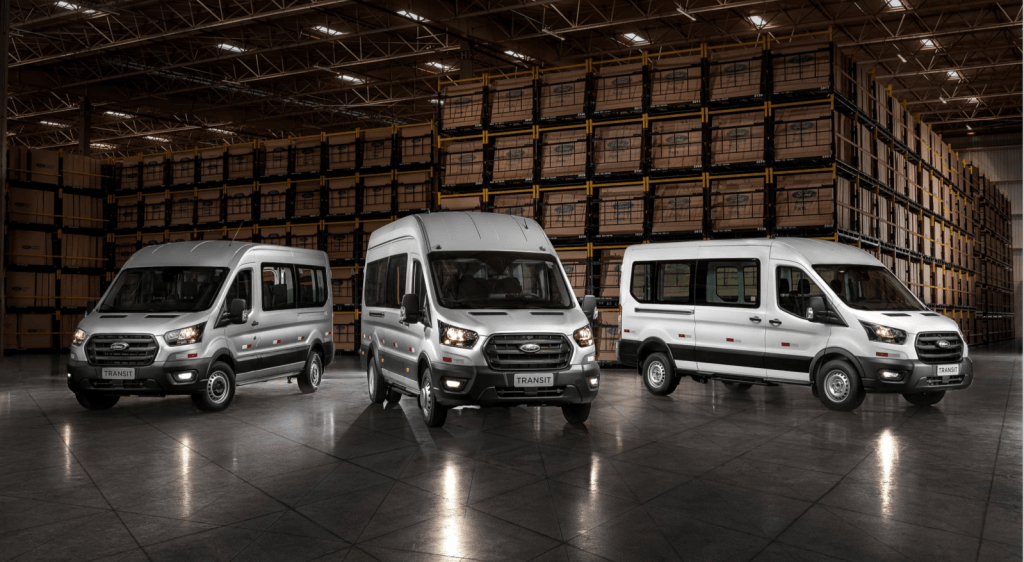
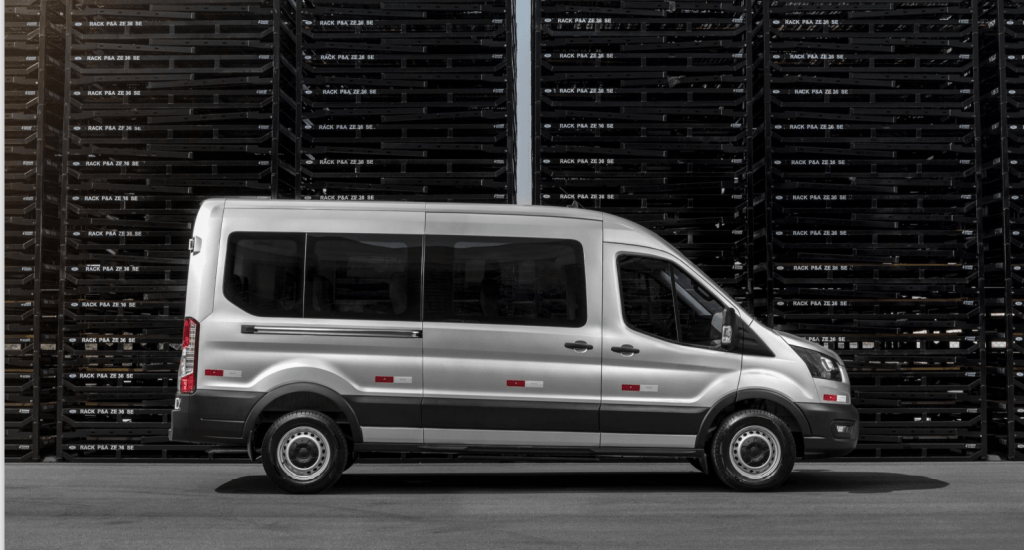
The premises of a light utility vehicle will be available in the Transit: low cost of operation, robustness, durability, good load capacity, safety, affordable price, functionality and adaptability to develop different versions. For the passenger versions, it is expected to have options from 15 to 19 occupants plus driver, specifically developed.

The version with its original factory window, but without seats, will also be available for customers to configure according to their needs, with a network of Ford-approved transformers. Naturally, the panel option for urban delivery, last mile deliveries and parcels will be present, in different options of heights, distances between axes and load capacities.

As of this writing, it has not been confirmed with which engine versions the South American version will be equipped. It is worth mentioning that in Mexico it is offered with the TDCi Puma engine, with 2,200cc and 125HP of power, while in Turkey the EcoBlue engine is available with diesel and hybrid versions, with powers of 130HP, 170HP and 185HP. Or the current one offered in Argentina also 2.2 but with 135HP of power, in all cases including turbocharger and intercooler.

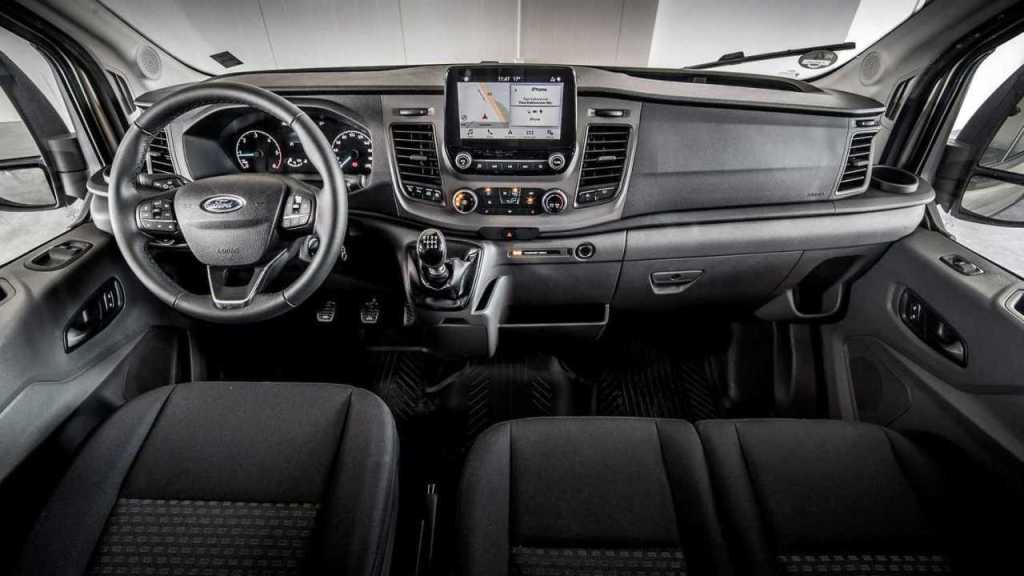
Connectivity will be a great differential, as it will include the integrated Ford Pass Connect modem that will allow optimization of work, help owners to be more productive, to know location, receive remote instructions via cell phone such as opening and closing doors, tracking fuel use, kilometers traveled and manage the tickets to the workshop. A vehicle that will be ready in Brazil with more than 100 dealers ready to provide support and that as orders are regularized, it will be able to move to other markets.