Category Archives: ENGLISH

MARCOPOLO ANUNCIA RESULTADOS RÉCORD POR CUARTO AÑO CONSECUTIVO

El desempeño fue impulsado por la fuerte expansión de las exportaciones y el resultado histórico de las operaciones internacionales.

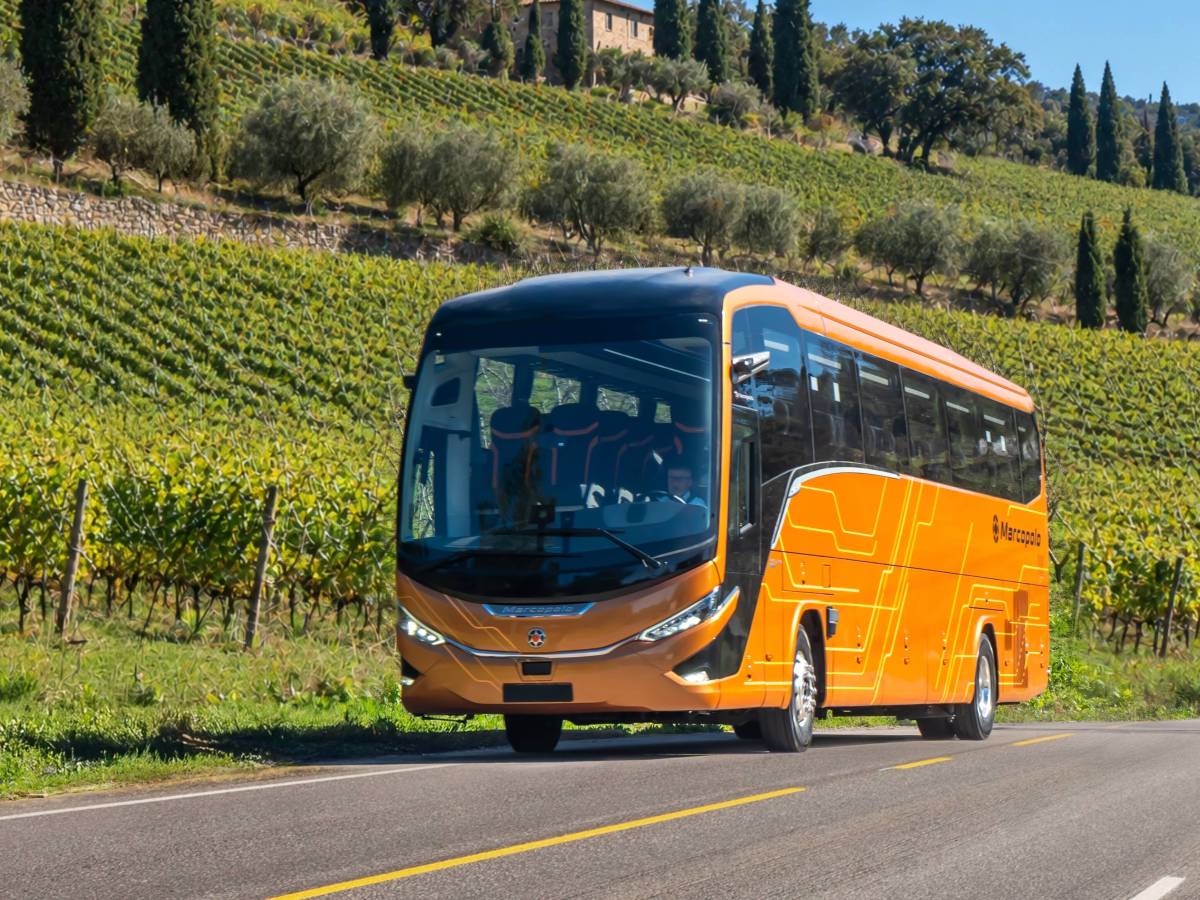
Marcopolo anunció hoy los resultados récord de 2025, completando cuatro años de evolución continua. La compañía logró un ingreso neto consolidado de R$ 9,06 mil millones, un aumento del 5,4% en comparación con el año anterior, y un beneficio neto de R$ 1,23 mil millones. El desempeño fue impulsado por la fuerte expansión de las exportaciones y el resultado histórico de las operaciones internacionales.
Los ingresos del mercado exterior fueron los más destacados del año. Las exportaciones de Brasil crecieron un 31,1%, totalizando R$ 1,14 mil millones, mientras que los ingresos de las unidades manufactureras en el extranjero aumentaron un 32,3%, alcanzando los R$ 2,96 mil millones de reales. En conjunto, los negocios internacionales representaron el 45,4% de los ingresos netos totales de Marcopolo, un aumento significativo con respecto al 36,3% registrado en 2024.

La producción consolidada en 2025 totalizó 15.024 unidades, un volumen muy cercano a las 15.289 unidades fabricadas en 2024, reflejando la acomodación del mercado interno, que fue compensada por el avance en los mercados internacionales. La compañía mantuvo su liderazgo en el mercado brasileño.

Reflejando su estrategia de innovación y expansión global, la compañía logró importantes avances en 2025, como el lanzamiento de nuevos modelos en Busworld, la principal feria del sector en Europa y avanzó en la producción local de autobuses G8 en sus fábricas de Sudáfrica, China y México. El periodo también marcó la primera exportación de Marcopolo Rail, con la entrega de tres composiciones de trenes a Chile

Resultados del 4T25

En el cuarto trimestre de 2025, Marcopolo presentó resultados consistentes, que mantuvieron el ritmo de entregas al cierre del año. Los ingresos netos consolidados alcanzaron los R$ 2,57 mil millones, en línea con el mismo periodo del año anterior. La producción en el trimestre fue de 3.803 unidades. El EBITDA totalizó R$ 426 millones, con un margen del 16,6%, y el Ingreso Neto fue de R$ 341,7 millones.

“El año 2025 demostró la resiliencia y el éxito de nuestra estrategia global. Logramos resultados récord en operaciones importantes como Argentina y Australia, que sumadas al crecimiento de las exportaciones, fueron fundamentales para equilibrar los desafíos de un mercado interno impactado por las altas tasas de interés. Esta diversificación geográfica, combinada con un variado mix de productos, demuestra nuestra capacidad para generar valor de forma sostenible”, evalúa el CFO Pablo Motta.

La compañía cerró el año con una sólida posición financiera. El endeudamiento financiero neto ascendió a 1.481,2 millones al 31 de diciembre de 2025. El endeudamiento financiero neto del segmento industrial representó 0,2 veces el EBITDA de los últimos 12 meses.
Perspectivas para 2026

Para 2026, Marcopolo proyecta una recuperación gradual del mercado brasileño a partir del segundo semestre, impulsada por la expectativa de una reducción en las tasas de interés. La compañía ve oportunidades en la renovación de las flotas de autobuses urbanos, donde espera ampliar las entregas de vehículos con propulsión alternativa, y en el microsegmento, con la continuidad de programas gubernamentales como Caminho da Escola y entregas al Ministerio de Salud.

Las operaciones internacionales siguen siendo un pilar estratégico, con énfasis en la sólida cartera de pedidos en Australia, que incluye un gran volumen de autobuses eléctricos. La compañía seguirá invirtiendo en innovación, con la homologación de modelos para el mercado europeo, el avance de las micro entregas a América del Norte y la consolidación de su presencia en nuevos segmentos, como el ferroviario.

Sobre Marcopolo

Fundada hace 76 años en Caxias do Sul (RS), Marcopolo es uno de los principales fabricantes de carrocerías de autobuses del mundo y un referente en calidad, tecnología e innovación. Comprometida con la evolución de la movilidad, invierte continuamente en diseño, eficiencia, nuevas soluciones y expansión internacional, contribuyendo al desarrollo del transporte colectivo de pasajeros. Con unidades de fabricación en los cinco continentes, sus vehículos circulan en más de 140 países.

Crédito: Marcopolo Divulgación
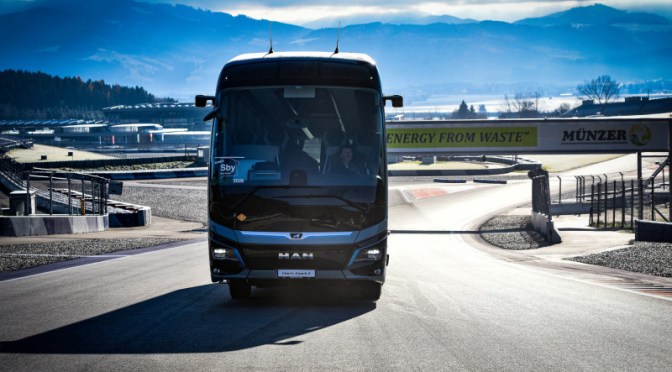
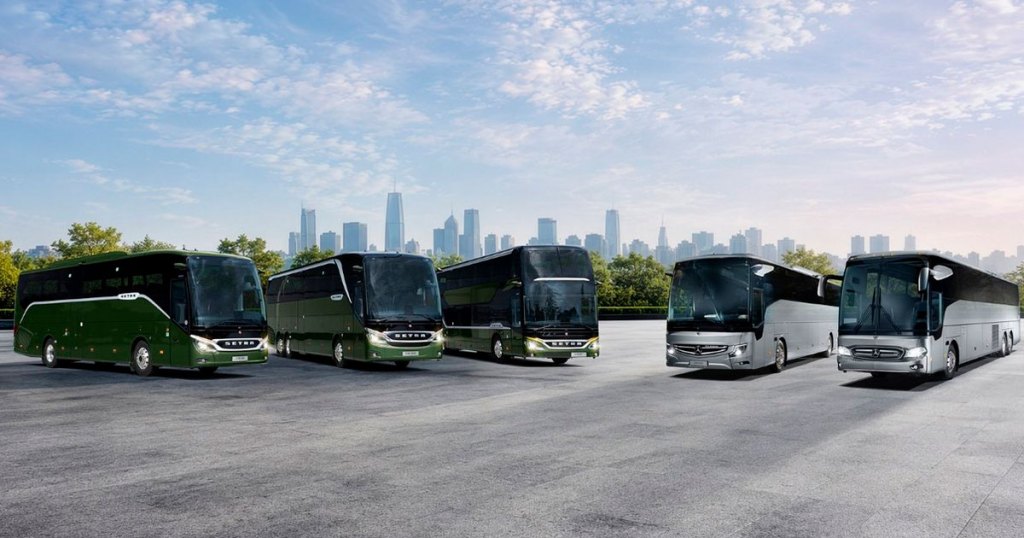
MAN Triple ganador en España.

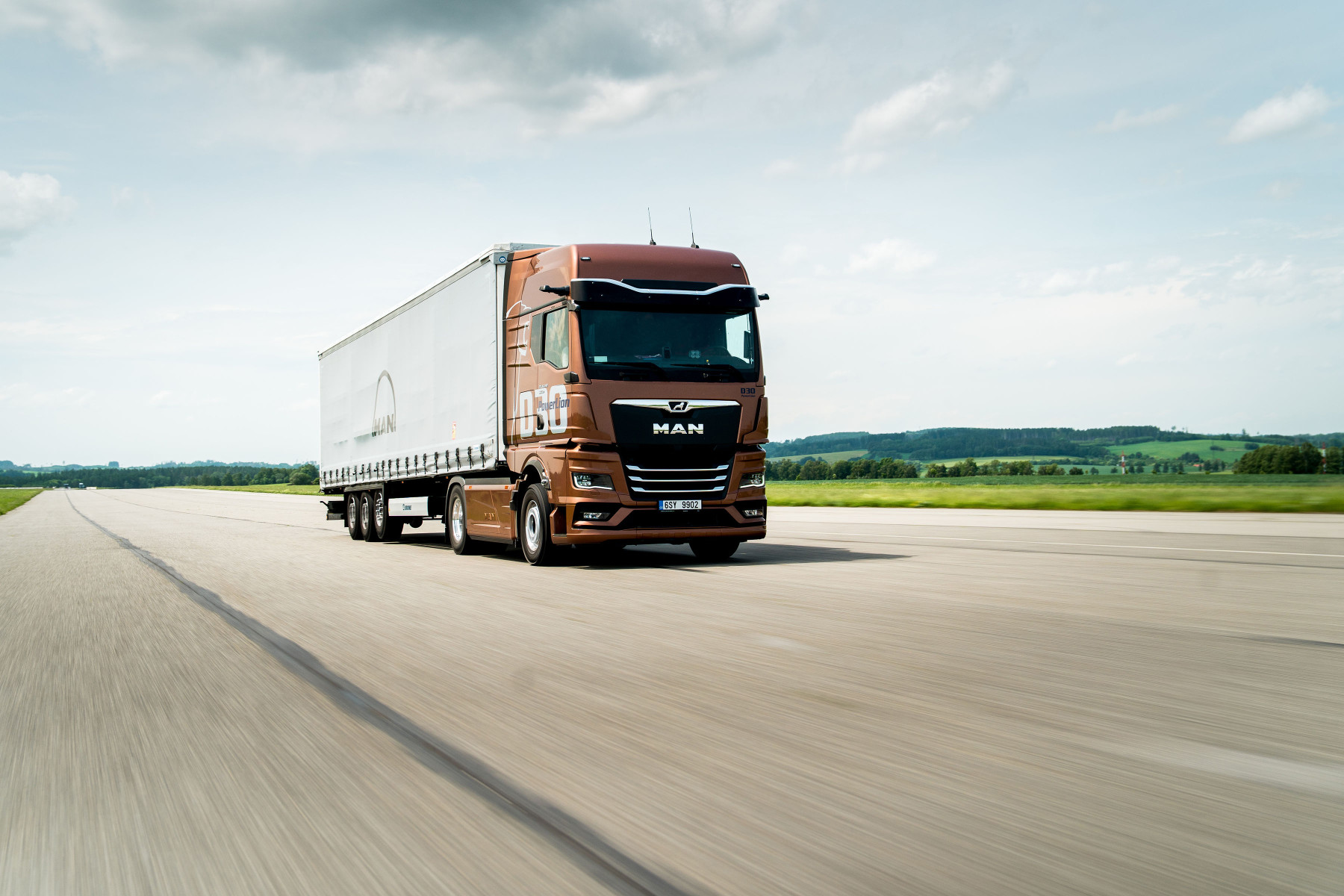
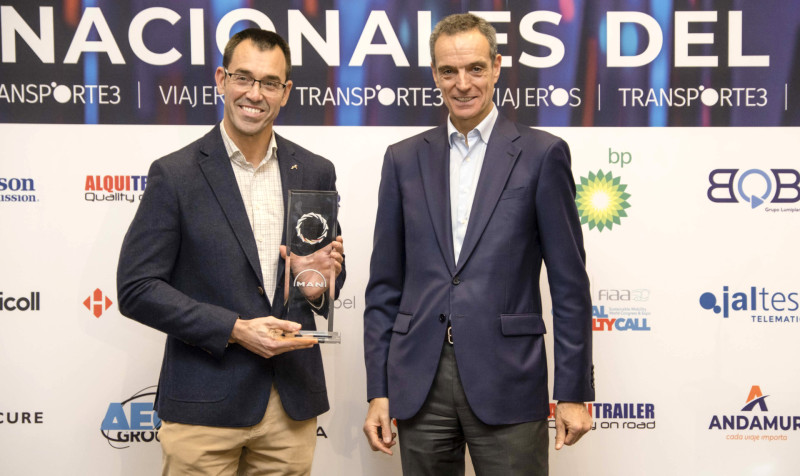
MAN Truck & Bus celebra un rotundo éxito en los prestigiosos Premios Nacionales de Transporte en España: En la ceremonia de entrega de premios celebrada en Madrid a principios de febrero, MAN se alzó con tres de los codiciados galardones, logrando un triplete en todas las categorías clave de producto. El MAN TGX D30 PowerLion fue galardonado como “Camión del Año en España”, el Lion’s Coach E, totalmente eléctrico, recibió el título de “Autocar del Año en España” y el MAN TGE con carrocería Burillo fue nombrado “Minibús del Año en España”. “Estamos encantados con este triplete. Demuestra claramente nuestra sólida posición en el sector del transporte español y la excelente acogida que nuestros vehículos tienen en el mercado y nuestros clientes”, declaró Stéphane de Creisquer, Director General de MAN Truck & Bus Iberia, en la ceremonia de entrega de premios.

El MAN TGX D30 PowerLion impresiona por su excelente eficiencia

El premio al MAN TGX D30 PowerLion reconoce especialmente la alta eficiencia de su nuevo sistema de propulsión. Su base es el nuevo motor D30, con una eficiencia máxima superior al 50 %, lo que lo convierte en uno de los motores para vehículos comerciales más avanzados del mundo. En combinación con la también nueva transmisión MAN TipMatic 14 y las optimizaciones aerodinámicas, este sistema de propulsión permite una reducción del consumo de combustible de hasta un 5 %. Esto no solo reduce las emisiones de CO2, sino que también reduce de forma sostenible los costes operativos totales de las empresas de transporte gracias a un menor consumo de combustible y a los sistemas de peaje basados ​​en CO2.
MAN Lion’s Coach E: un hito en el turismo sostenible

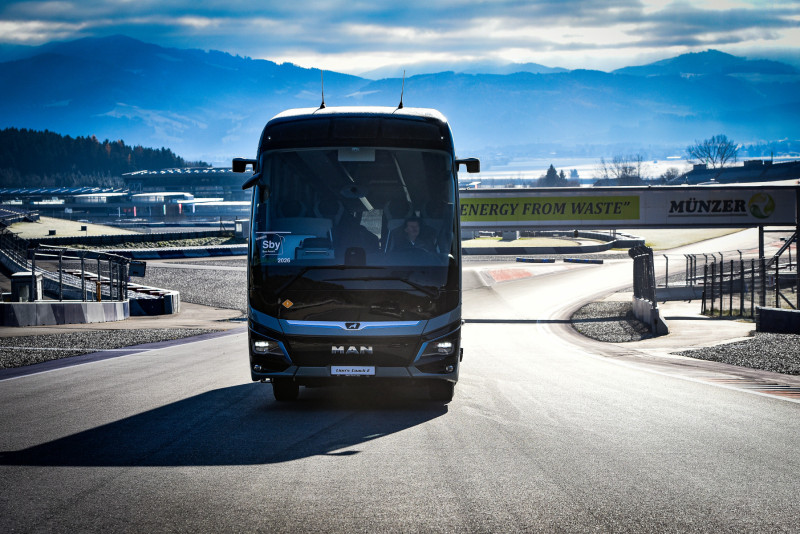
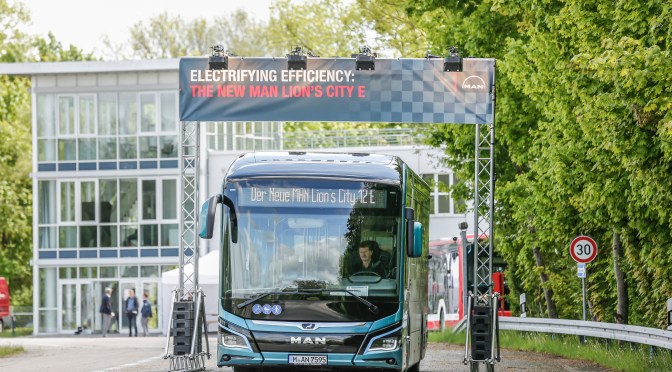
MAN también ha marcado un hito en el segmento de autocares. El MAN Lion’s Coach E, totalmente eléctrico, marca el inicio de una nueva era en viajes sin emisiones. Como autocar eléctrico de batería, combina la calidad demostrada de la serie Lion’s Coach con tecnología eléctrica innovadora. Con una capacidad de energía útil de 320 a 480 kWh, alcanza una autonomía de hasta 650 kilómetros en condiciones óptimas. Las modernas baterías NMC, fabricadas por MAN en Núremberg, la probada tecnología eTruck y un diseño aerodinámico optimizado, garantizan una alta eficiencia y fiabilidad. La producción en serie se está preparando en la planta de MAN en Ankara, y está previsto que los primeros vehículos se entreguen a los clientes a finales de este año.
MAN TGE Next Level impresiona con su nueva arquitectura electrónica

En el segmento de vehículos comerciales ligeros, la MAN TGE, desarrollada en colaboración con el carrocero español Burillo, causó sensación. El modelo 2025 de la MAN TGE, denominado Next Level, ha sido sometido a una completa renovación técnica. Se ha renovado toda la arquitectura electrónica, lo que implica la integración de nuevas unidades de control, sensores y cámaras. Esto permite nuevos y mejorados sistemas de asistencia al conductor, así como una mayor seguridad para los ocupantes y otros usuarios de la vía. El nuevo y cómodo asiento del conductor viene de serie con un cuadro de instrumentos digital, una pantalla táctil central MAN Media Van y un volante multifunción ergonómico. El salpicadero rediseñado también ofrece más espacio en la cabina.
Sobre los Premios Nacionales de Transporte de España

Los Premios Nacionales de Transporte fueron creados hace más de 35 años por las revistas especializadas “Transporte 3” y “Viajeros”. Cada año, un jurado de 886 empresarios del sector del transporte y expertos en automoción selecciona el mejor vehículo presentado en el mercado español desde la última ceremonia de premios en diez categorías. Las decisiones se basan en un análisis exhaustivo de la seguridad, fiabilidad, rentabilidad y eficiencia de los vehículos.

Fuente: press.mantruckandbus.com

🔹 Llega la feria de buses más grande, Turquía: Latinobús presente

Comunicado de prensa de Busworld:

Busworld Türkiye 2026 aprovecha un fuerte impulso con el crecimiento y el reconocimiento del gobierno

Busworld Türkiye regresará a Estambul del 17 al 19 de junio de 2026 para su 11ª edición, continuando su crecimiento constante y confirmando el papel clave de Turquía en la industria mundial de autobuses y autocares.

Una base sólida sobre la cual crecer

La edición anterior, en 2024, atrajo a 12.366 visitantes profesionales de 96 países, lo que subraya el alcance internacional y la relevancia de Busworld Türkiye. Sobre esta sólida base, la edición de 2026 se expandirá aún más. Para 2026, ya se han confirmado 161 expositores, y el proceso de venta aún está en curso. La superficie de exposición aumentará de 9.862 a 11.358 metros cuadrados, ofreciendo más espacio para vehículos, componentes y soluciones en toda la cadena de suministro. Este crecimiento está respaldado por una fuerte afluencia de nuevas empresas, incluidos alrededor de 30 nuevos expositores turcos, complementados por recién llegados internacionales de China, Alemania, México, Italia y Taiwán.

Turquía como centro clave de producción y exportación

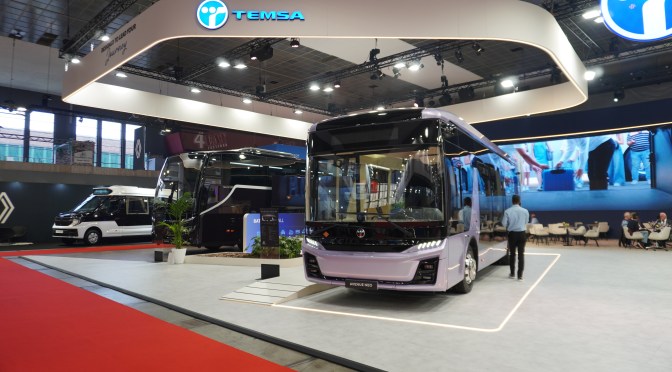
Busworld Türkiye 2026 volverá a mostrar la fortaleza de la industria turca de autobuses y autocares, junto con un creciente número de proveedores internacionales. Temsa regresará a la feria tras un período de ausencia, reforzando la sólida presencia de los fabricantes de vehículos turcos. El segmento de proveedores continúa expandiéndose con nuevas empresas extranjeras, incluyendo empresas chinas, así como con otros actores del subsector turco. Esto refleja la posición estratégica de Turquía no solo como productor y exportador de vehículos, sino también de componentes, sistemas y tecnologías para el mercado global.La lista completa de expositores está disponible en el sitio web.www.busworldturkiye.com En la misma página web se pueden reservar entradas online, de forma gratuita.

Reconocimiento a nivel gubernamental

Busworld Türkiye 2026 ha sido incluido en el programa de incentivos del Ministerio de Comercio de la República de Turquía. Este reconocimiento demuestra la gran importancia que el evento tiene a nivel gubernamental, tanto para el mercado nacional como para el papel de Turquía en el comercio internacional

Apoyo de la industria

La exposición continúa recibiendo el apoyo de organizaciones sectoriales clave como İSTAB (Asociación de Transportistas de Estambul), TÖHOB (Asociación de Autobuses Públicos Privados) y TOF (Federación de Operadores de Autobuses), que ayudan activamente a promover el evento dentro de la industria.

Vincent Dewaele, Director General de Busworld International, comenta: Estamos muy satisfechos con el continuo crecimiento de Busworld Türkiye. Turquía desempeña un papel crucial como país productor y exportador, no solo de vehículos, sino también de componentes y tecnologías. Es alentador ver esto reflejado en los resultados de la feria, y estamos convencidos de que Busworld Türkiye seguirá creciendo.

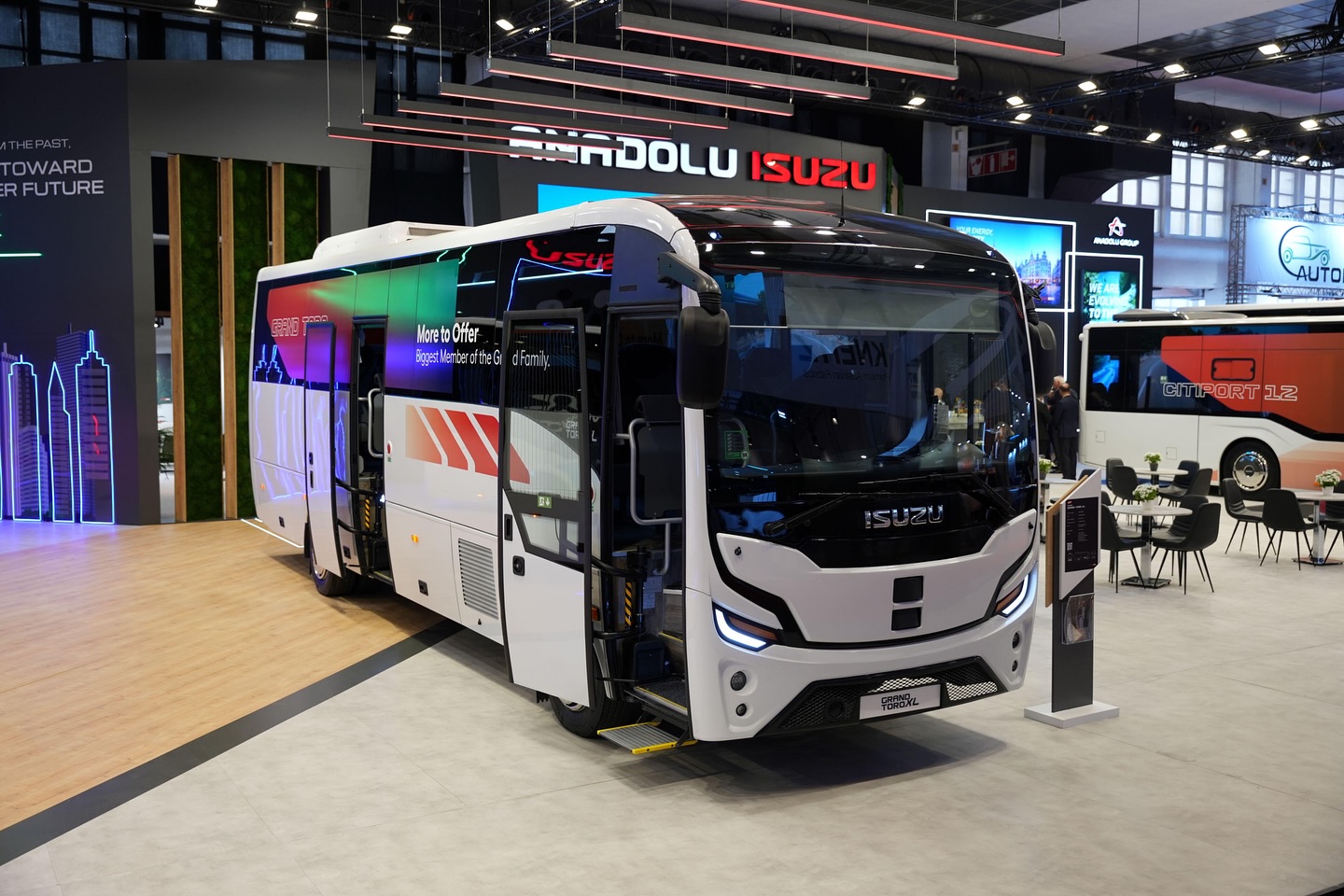
Imágenes : FB Busworld, Temsa and Anadolu Isuzu.

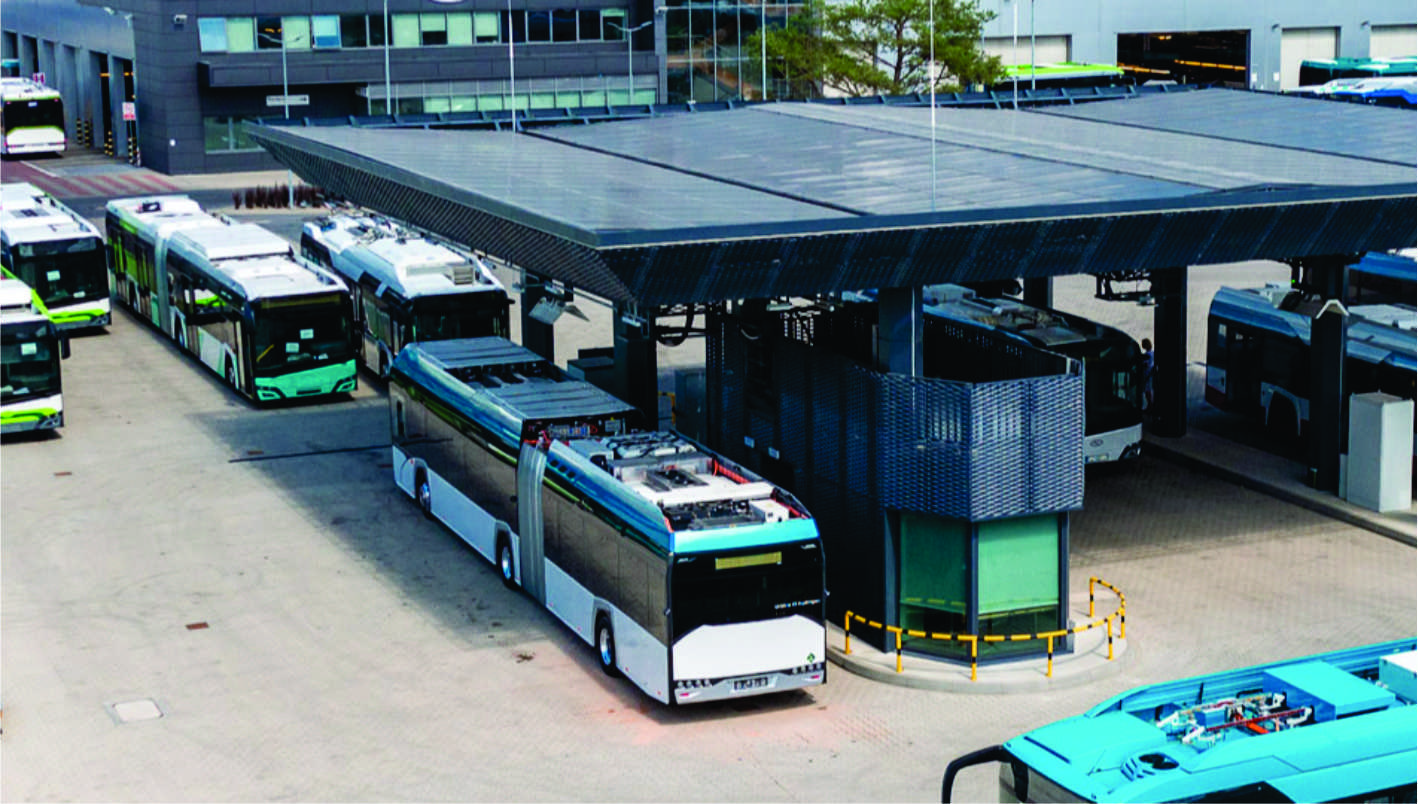
SOLARIS MANTUVO LA POSICIÓN COMO LÍDER EUROPEO EN MOVILIDAD ELÉCTRICA

El fabricante polaco es constante en su impacto y éxito en la venta de buses

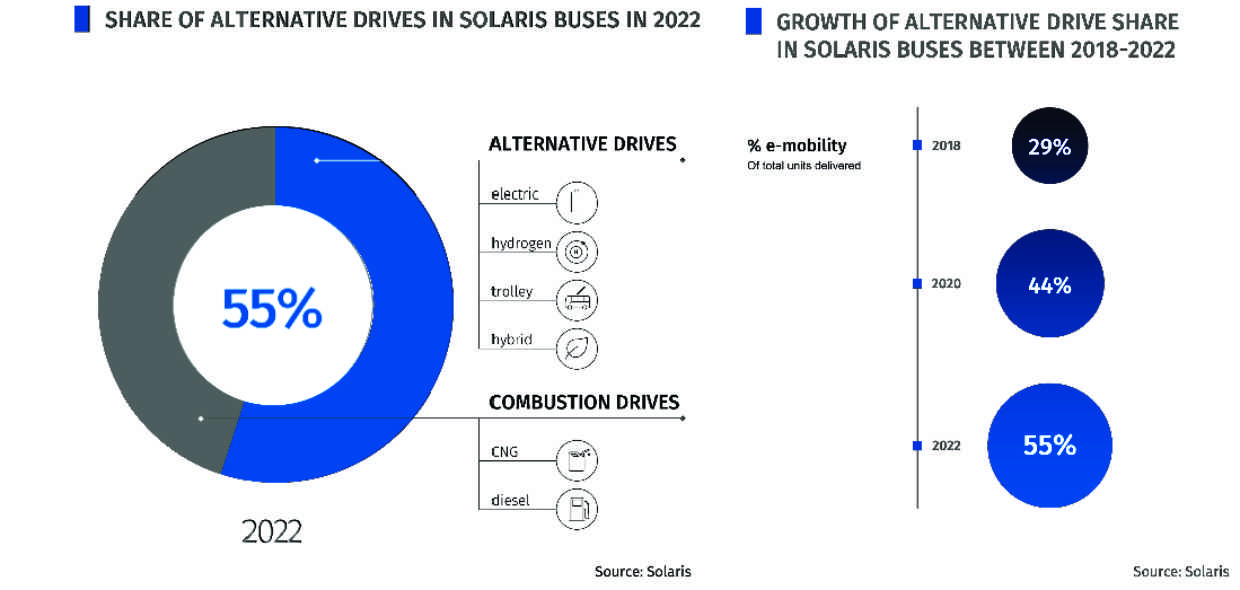
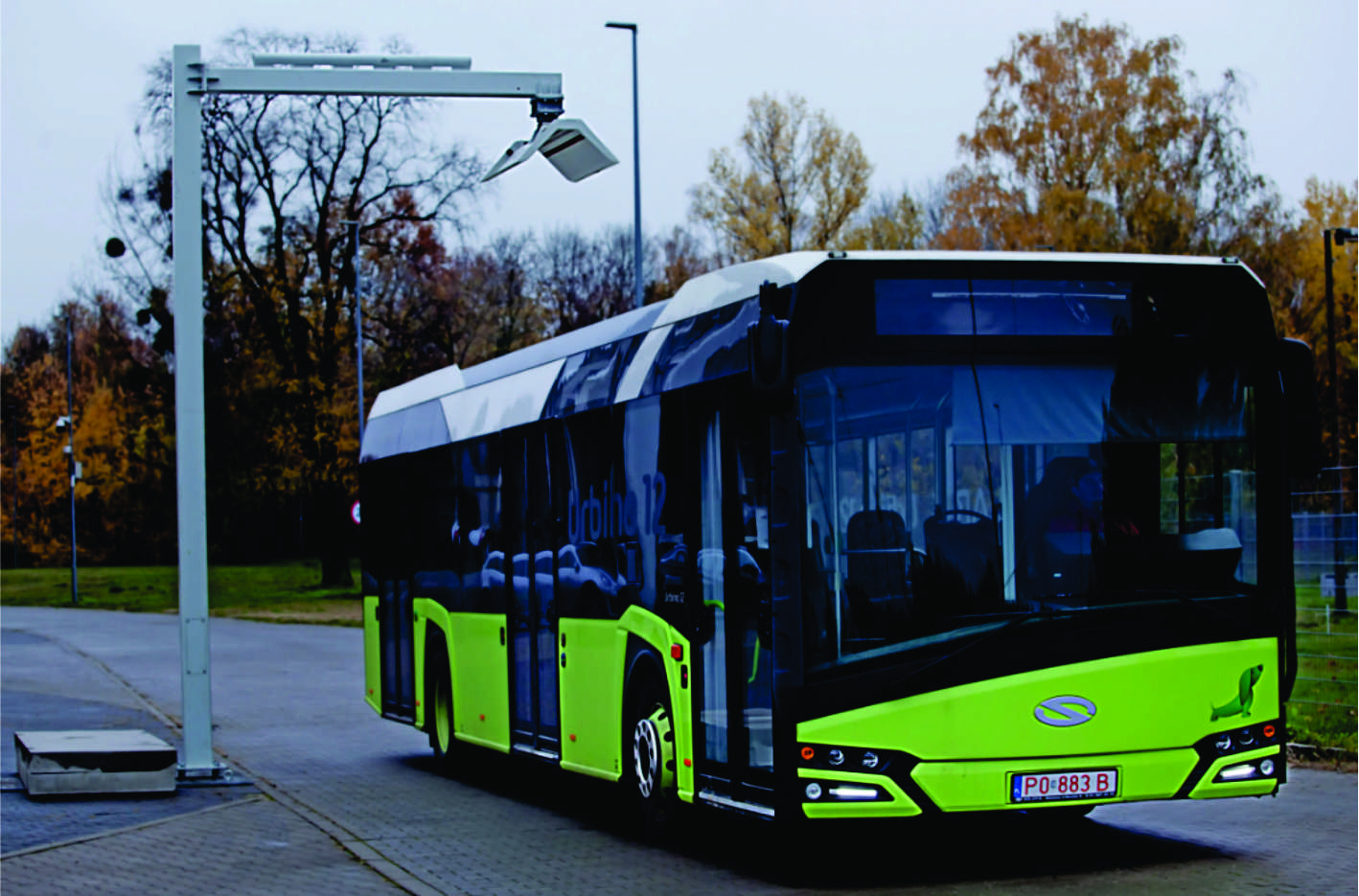
Solaris vendió un total de 1492 vehículos en 2022, con ingresos de la compañía se sitúan en 696 millones de euros, su portafolio de productos está compuesto por vehículos a batería, vehículos de hidrógeno, trolebuses y autobuses híbridos, por primera vez en la historia de la compañía, superaron más de la mitad de la participación en el mix de ventas y sumaron exactamente el 55%. La empresa tenía la posición no. 2 en el mercado de autobuses de cero emisiones en 2022 con un mercado del 11,2%. El fabricante mantuvo su posición número uno en las cuotas de mercado de buses eléctricos en los años 2012-2022 con 14,1%2.

Resultados de la empresa 2022

La creciente participación de vehículos de bajas y cero emisiones en la combinación de ventas de Solaris muestra un buen reconocimiento del mercado y el ajuste del fabricante a las expectativas del mercado. En la mayoría de los países de la UE, la participación de los vehículos de movilidad eléctrica en la combinación de transporte ha crecido de manera dinámica en los últimos años. Solaris, que ha construido su cartera en este segmento durante muchos años, está muy bien preparada para las expectativas cambiantes de los usuarios finales.

En 2022, al igual que en 2020-2021, la mayoría de las economías del mundo enfrentaron desafíos sin precedentes. Los últimos meses han sido complicados para el sector del transporte público europeo y las empresas que fabrican vehículos. En primer lugar, Solaris siguió los procedimientos establecidos para garantizar la continuidad del negocio debido a la pandemia de Covid-19 y las restricciones relacionadas. En segundo lugar, la crisis mundial de componentes electrónicos provocó una gran interrupción en las cadenas de suministro.

Sumado a lo anterior, en 2022 la economía global y la empresa también tuvieron que navegar en una nueva situación provocada por la guerra en Ucrania. Si bien Solaris y la mayoría de sus proveedores no estaban involucrados en negocios en Ucrania o Rusia, algunos proveedores indirectos ya se vieron afectados por el impacto de este conflicto, lo que requirió una adaptación especial a las nuevas condiciones.

Otro factor que afectó el entorno del mercado fue la alta inflación sin precedentes del año pasado, que en Polonia alcanzó un nivel medio del 14,4 %3 en 2022.

A pesar de estos desafíos, Solaris ha demostrado con sus resultados de producción y ventas que es una organización bien preparada para el entorno de mercado en constante cambio y es una empresa resistente a las turbulencias del mercado. Los vehículos de Solaris incluyeron, entre otros operadores, operadores de España, Polonia, Italia, Bélgica, Alemania, Rumania, Estonia y Letonia, así como también de Austria y la República Checa.

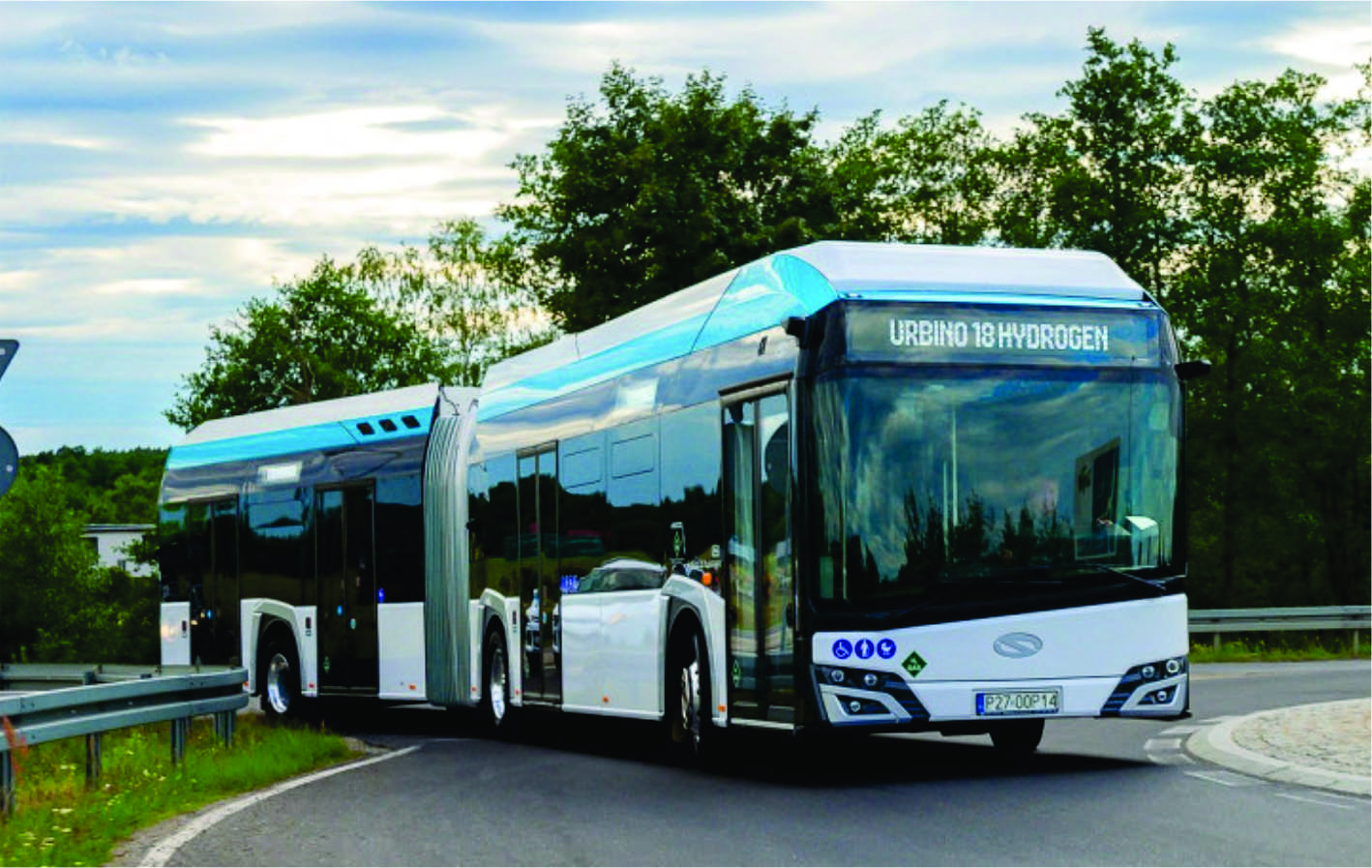
En el período informado, Solaris entregó en total 401 unidades de autobuses eléctricos de batería. También cabe destacar que Solaris vendió 42 autobuses de hidrógeno en 2022. En 2019 se lanzó el autobús de hidrógeno Solaris Urbino 12. Desde entonces, el interés por esta tecnología se ha disparado, lo que se refleja en el número de pedidos de este tipo de vehículos. en 2022 y unidades comisionadas para 2023 y posteriores.

Inversiones en infraestructura

Durante muchos años, Solaris ha mantenido su posición de liderazgo en lo que respecta a la entrega de soluciones de transporte urbano de bajas emisiones y cero emisiones a pueblos y ciudades de toda Europa. Ansiosa por estar a la vanguardia de los fabricantes que tienen un impacto real en el cambio verde en el transporte público, la compañía invierte continuamente en un mayor desarrollo. Entre otras muchas iniciativas que se han puesto en marcha en los últimos meses, dos merecen especial atención: los 10.000 m2 del nuevo espacio de almacenaje, dotado de sistemas y soluciones logísticas de última generación, y el parque de carga, una estación para carga única de vehículos eléctricos.

SCANIA MEXICO DELIVERS FIRST K500 EURO 6 BUSES WITH XPI TECHNOLOGY TO GRUPO ESTRELLA BLANCA

THEY ARE EQUIPPED WITH THE IRIZAR i8 MODEL

Latinobus – Scania Buses México / William Marroquín

Grupo Estrella Blanca (GEB), with 81 years of history, is one of the main conglomerates of passenger road transport in Mexico, connecting 25 states in the country and with 21 brands, offering three levels of comfort for travelers. Its fleet exceeds 5,000 vehicles and has more than 20,000 collaborators.

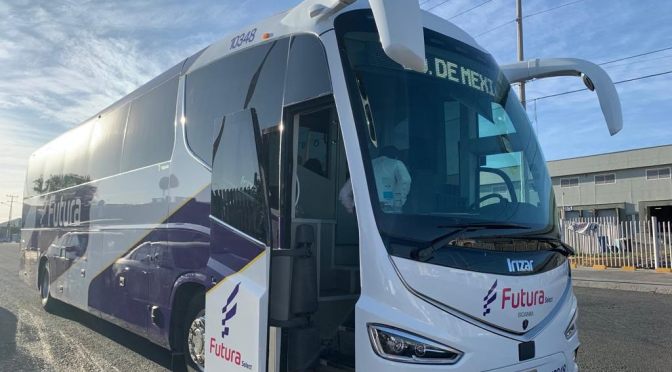
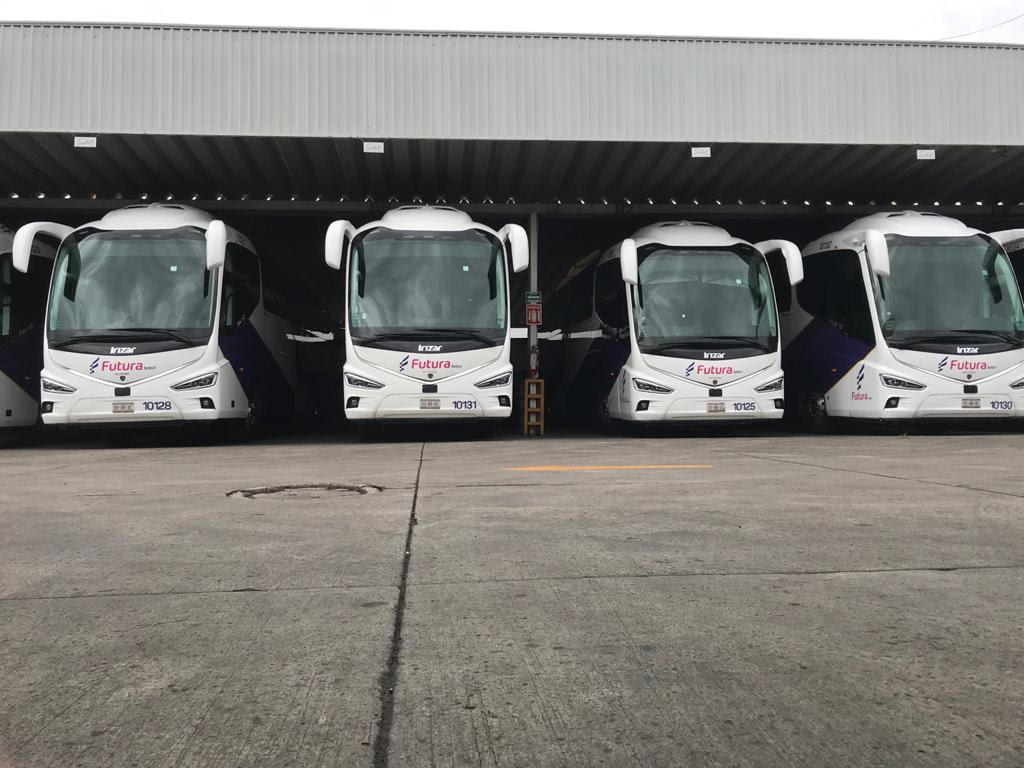
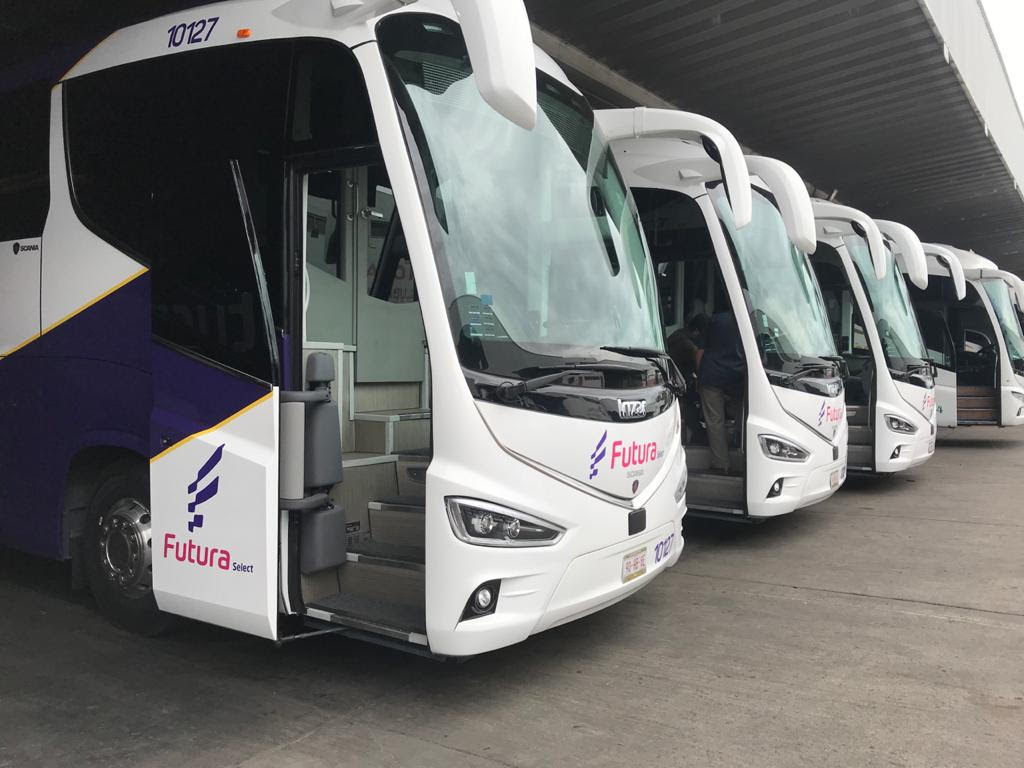
The group has had a long-standing relationship with Scania and its foreign K-series, which remains firm with the announcement in March 2022 of the first deliveries of Scania New Generation buses, with the K500 Euro 6 XPI platform, accompanied by the model Irizar i8.

With these new units, Grupo Estrella Blanca (GEB) is positioned as a sustainable leader in the passenger transport segment in Mexico. This measure adds to GEB’s efforts with the aim of achieving a lower impact on the environment, with a significant reduction in polluting gases, since Euro 6 technology significantly reduces CO2 emissions, as well as other pollutants.

The main element in these Euro 6 engines is the XPI ultra-high pressure fuel injection system, which allows pressures of up to 2,400 bars to be achieved in the combustion chambers, when they generally reach 1,800 bars. In addition, the injectors have eight nozzles and can have three injection pulses per cycle to optimize the air-fuel mixture.

The great modularity of the Scania power plants is still valid, and the DC13/165 engine has 12.7 liters and 6 cylinders in line. It delivers 500HP of power at 1,800rpm and if the horsepower appeals to you, the torque figure is more impressive, as the XPI engine produces 2,550Nm, constant between 925 and 1,400 revolutions per minute.

The implementation of this technology has environmental benefits linked to the reduction of emissions, since a bus will emit 18 tons of emissions less per year, if compared to a Euro 5 technology. In addition, thanks to the improvements in the powertrain, there will be a considerable benefit in fuel economy, compared to the previous generation of Scania Euro 5 PDE engines (pump-injector technology).

With the arrival of these vehicles, GEB will be able to impact the environment to a lesser extent, since the acquisition of these units meets the objectives of continuing to be a company with high social responsibility.

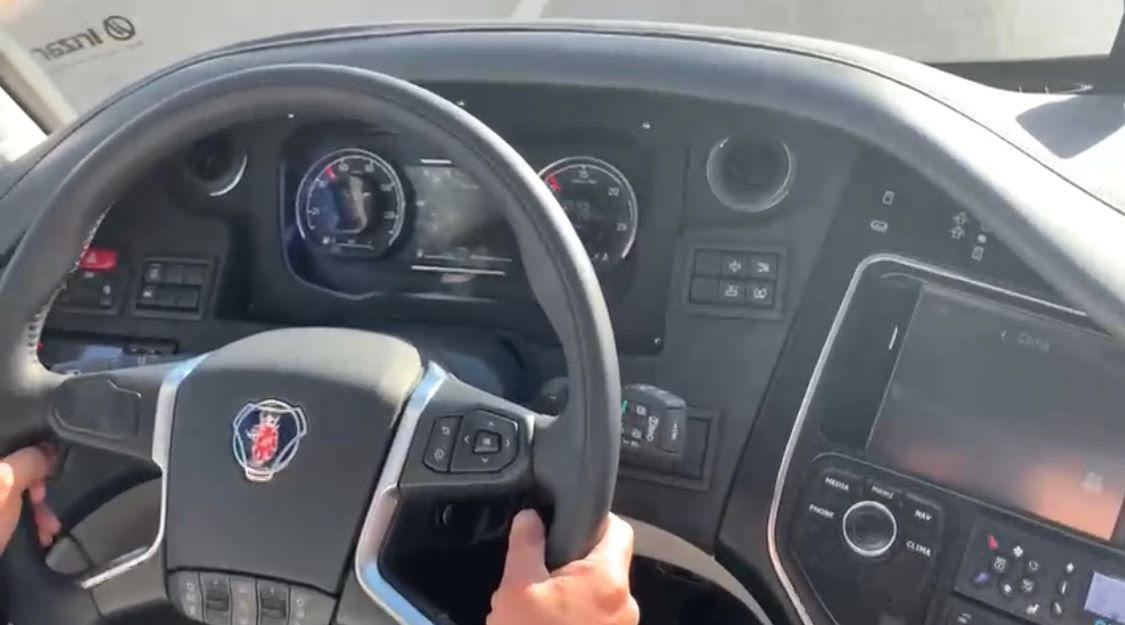
The driving position also features the new steering wheel with chrome details and completely redesigned instrument layout, seen at the end of 2019, which will make it easier for drivers to be aware of what is happening with the bus and provide them with an environment more up-to-date in their command posts.

For the safety of the occupants and other road users, the bus has the ADAS active safety package, with lane departure warning (LDW), automatic emergency braking (AEB), cruise control Intelligent Adaptive Control (AICC) and Electronic Stability Program (ESP).

“Since our foundation, we have characterized ourselves as a company busy seeking disruptive solutions for all our clients. For us, it is very important to seek efforts that go beyond offering transportation for people, we seek above all their comfort and this new chassis will meet those expectations, additionally we are betting on having the most current technologies on the market where one of the main aspects is environmental care”, indicated Luis Gerardo Mora, General Director of GEB.

These units are equipped with the most avant-garde technology of recent years. This reflects the high sense of responsibility of GEB and Scania towards the environment.

HINO EXPANDS ITS DEALER NETWORK IN COLOMBIA AND NOW HAS 21 SHOWCASES

HINO ARRIVES IN MONTERIA, CARTAGENA AND DUITAMA

Colombiabus newsroom – Distribuidora Hino de Colombia

Hino, the Japanese manufacturer of buses and trucks of the Toyota Group, arrived in Colombia almost 30 years ago and was always clear that its entry into the country was not a product of the economic opening winds of that time. For the brand founded in 1910 in Tokyo, landing in the Colombian market was the first step, with a view to staying and being one of the carrier’s preferred brands.

This commitment has been reaffirmed with the diversification of models, the increase in the dealer network and the establishment of the assembly plant in Cota, which to date has produced more than 40,000 buses and trucks for the local market, the countries from the Andean area and Chile.

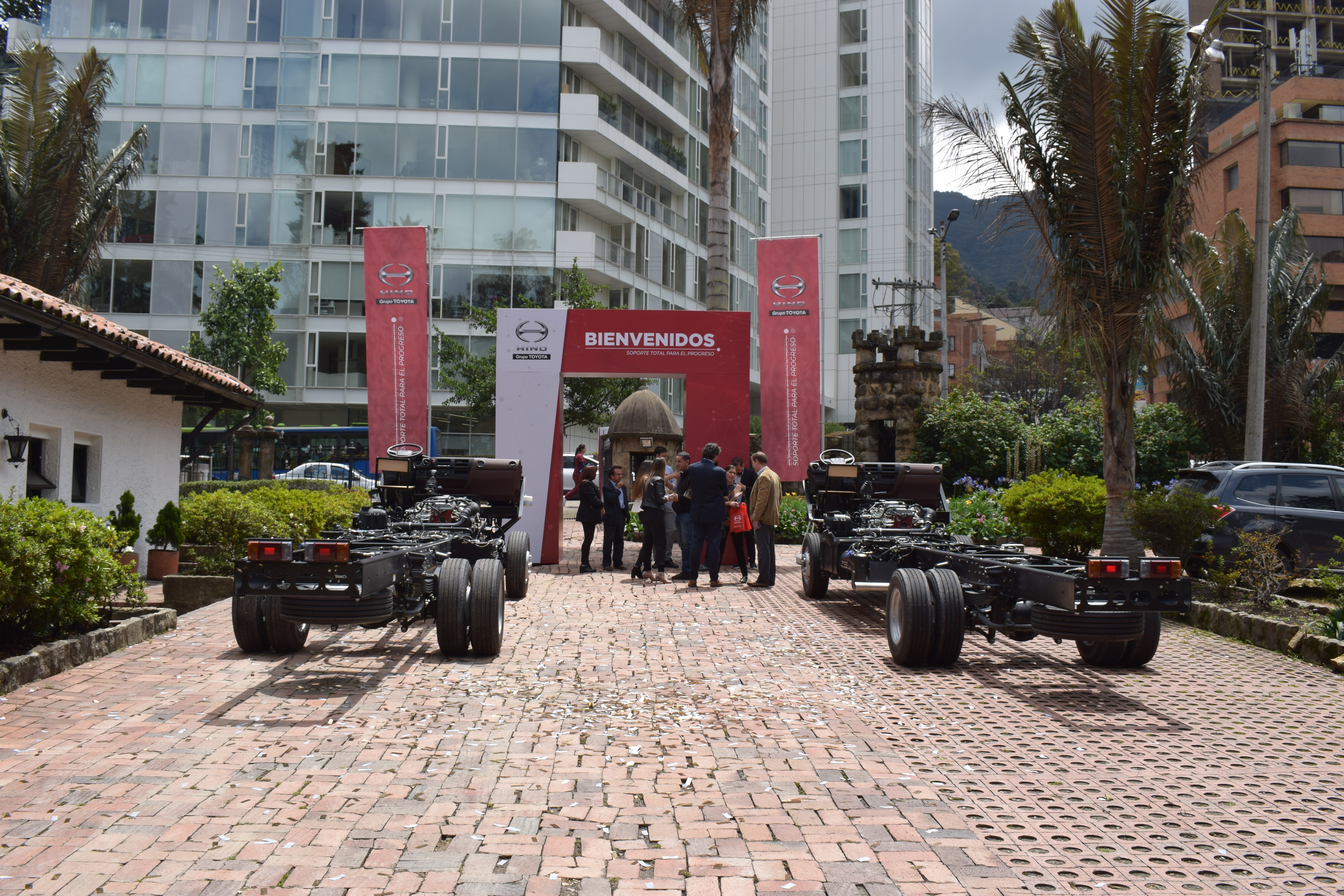
True to this premise of being close to the customer and having the best coverage, Hino has announced the opening of 3 new sales and service points in the country: Cartagena, Montería and Duitama.

The company wants to be one of the main players in these cities, to meet the needs of local cargo and passenger transporters, with offers of state-of-the-art buses and trucks, as well as to strengthen the service network and the sale of spare parts with the which currently counts.

“Cartagena, Montería and Duitama are key cities due to their geographic location, population, growing economy, quantity and variety of transportation needs such as imports, food, beverages, raw materials and passengers to all points of our country. That is why the HINO brand establishes new facilities to serve these carriers with the best of Japanese technology and strengthen its network coverage” says Juan Fernando Muñoz, commercial manager of Colombia’s Hino Distributor.

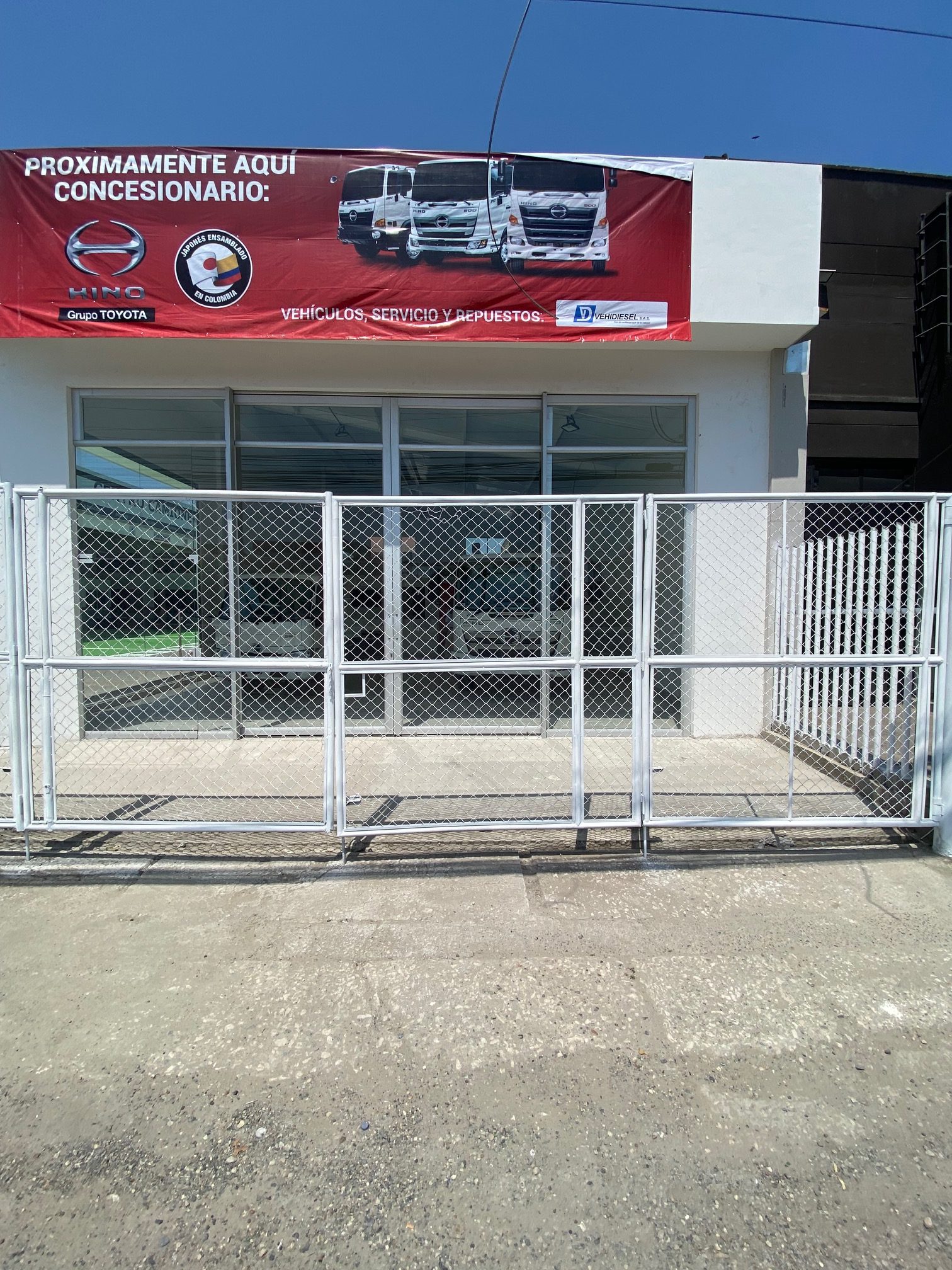
Vehidiesel, which already has a showcase for the brand in Barranquilla, will increase its presence on the Caribbean Coast with its new showcase in Cartagena. This is located at Diagonal 21 # 45A – 112, Barrio Bosque.

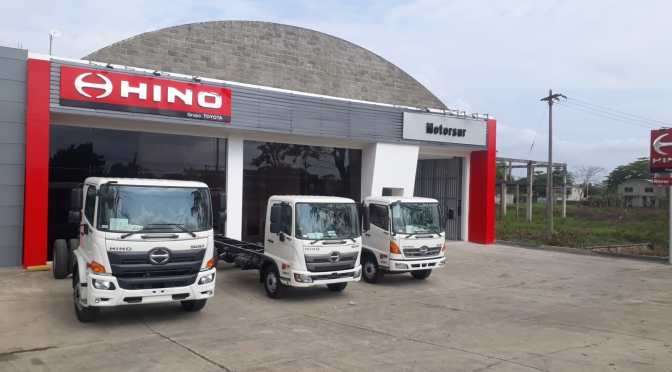
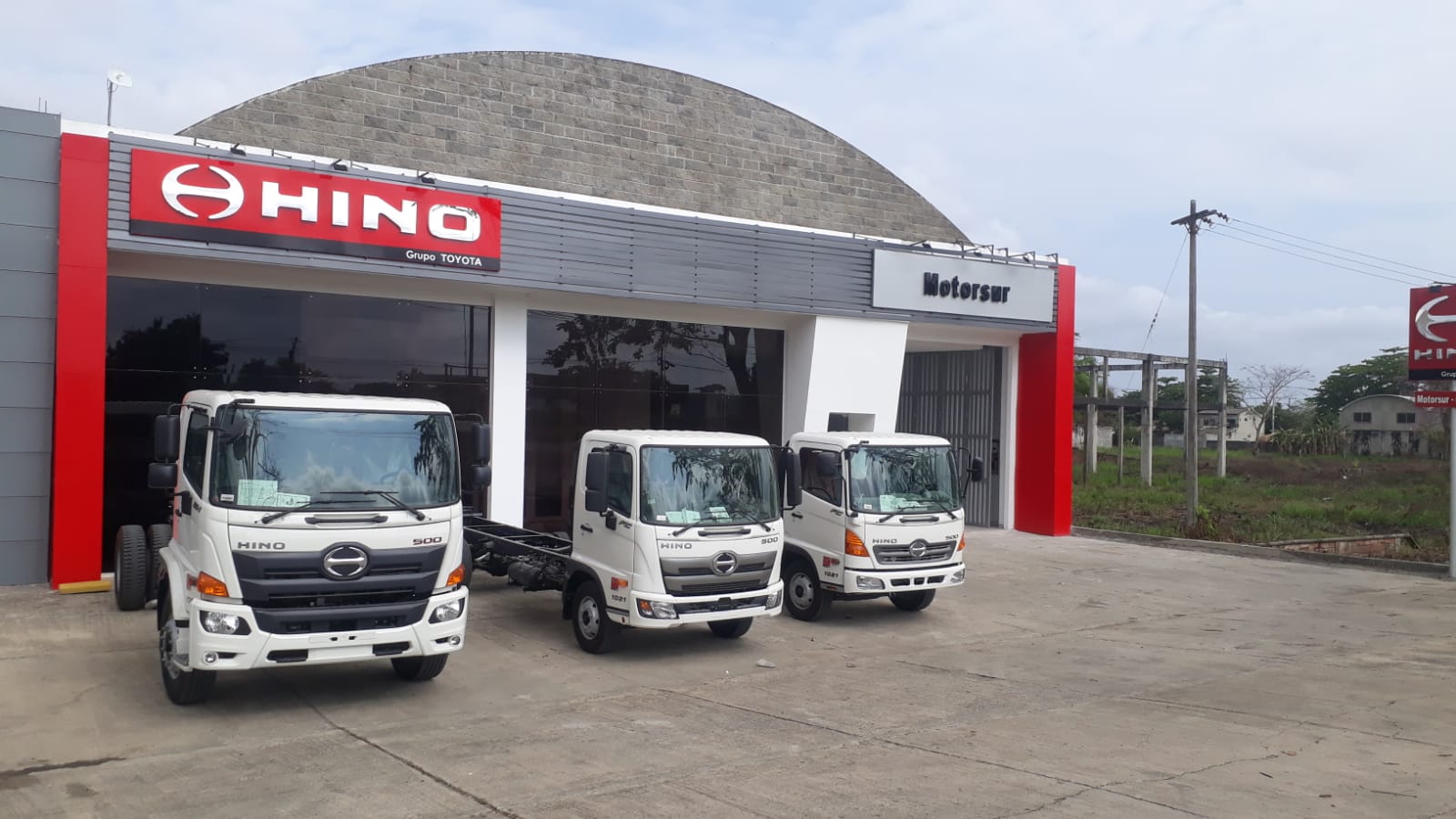
For its part, Montería will host a new headquarters of Motorsur, which already has experience as a distributor of the brand, since it serves Huila and Caquetá. Now it will reach the savannahs of the Atlantic coast and its headquarters are located at Carrera 6 #117-625, Barrio Los Garzones. For its part, Duitama, an important commercial and transportation city in the heart of Boyacá, will have its point of sale located at kilometer 4 via Paipa, Vereda San Lorenzo.

In these showcases, the brand will have a varied portfolio of buses and trucks with the latest innovations in the development of commercial vehicles, in order to offer products with the highest standards of quality, performance and safety.

Additionally, each point will have its technical center, in charge of offering after-sales service for trucks and buses: sale of spare parts and original parts; maintenance, revisions, diagnoses and recommendations for the use of the units, among many other activities to accompany the transporters.

“The value offer, in addition to the proven quality of our vehicles, is to offer our users Total Support, this means that our relationship with the client does not end when the bus or truck leaves the dealership, on the contrary , we have a structure which focuses on providing permanent support to our customers through our exclusive virtual support system “Hino Connect”, training and courses (which are given throughout the year), so that they know the machine in detail, how to operate it so that it has a long useful life and so that the operating expenses are minimal”, adds Muñoz.

HINO, which is the bus and truck unit of the Toyota Group, will also offer the transporters of Cartagena, Montería and Duitama, the HINO Connect tool. A technological development based on telematics, allows knowing in depth and improve the vehicle’s operating processes and also find solutions at hand in everything that has to do with the general condition of the vehicle, performance, schedule maintenance and the network of nationally authorized workshops, among other functions.

Hino Connect comes as standard on all buses and trucks from the 2020 models and is a vital element to control the operation of the brand’s buses and trucks. This allows improving driving habits by helping to professionalize drivers, contributes to efficient use of the machine and control of operating costs, for greater business profitability.

“There are many added values ​​that we have as a brand so that the offer is attractive and competitive compared to other offers of buses and trucks in these cities”, concludes the Manager. With these new openings, HINO reaches a total of 21 showcases, located in the main cities of the country, to offer more than 20 truck and 7 bus references.

MARCOPOLO’S G8 MOTIVATES THE INCREASE IN ORDERS FOR DOUBLE DECK BUSES IN BRAZIL

CHANGES THE ROAD TRANSPORTATION SCENE IN BRAZIL

Latinobus newsroom – Secco Comunicaciones

The enormous expectation for the arrival of the Marcopolo Generation 8 destined for the highway segment had been brewing for several years and when it was officially presented in July 2021, it did not disappoint anyone. In the international markets, the orders are being confirmed and their arrival to them is gradually taking place.

However, in the Brazilian market, the arrival of Generation 8 has been transforming the road transport scenario in the country and surprisingly, leading to the participation of double-decker buses in the segment growing faster. So much so that a few years ago, only 10% of two-tier vehicles were produced for local operators. Now, thanks to the new model, more than 50% of Paradiso 1800DD G8 orders are for companies in Brazil.

This market movement had been brewing as travel restrictions were lifted due to the pandemic and companies prepared to welcome travelers again “Even before the launch of Generation 8, we were already seeing this market movement, and we expected strong demand for more sophisticated DDs, but it is proving to be even more positive. Since the launch of the G8, most of the orders have been for the 1800 DD model, which represents a change in the behavior of customers who bought more the Paradiso 1200 model”, explains Ricardo Portolan, Director of Commercial Operations MI and Marketing of Marco Polo.

“Of Marcopolo’s intercity bus production in 2021, the Double Decker model represented more than 50% of the volume. And of that volume, when we consider only the Generation 8, the participation of the model is more expressive, exceeding 70% of sales”, highlights Portolán.

According to the Marcopolo executive, this change in the behavior of operators is an important sign that road transport is going through a complete transformation to offer more and more safety, comfort and convenience to attract more users, including those who opted by air transport. “For medium-distance trips, such as São Paulo-Rio de Janeiro or even São Paulo-Belo Horizonte, many people prefer the bus, due to its comfort and practicality, which has made operators intensify the acquisition of DD, with flat-bed seats and different classes of service.

For many years, Marcopolo has devoted special attention to the evolution of road transport and the change in the profile of passengers, focusing on the development of products, solutions and even services that greatly improve everyone’s experience. From the passenger to the operator, passing through the driver, mechanics and other professionals involved in the entire production chain.


Another detail that deserves to be highlighted is that the Generation 8 double-decker buses are not only appreciated by more companies dedicated to the segment of interstate or international routes. Also, companies in the rental, excursion and charter sector have incorporated the Paradiso 1800DD into their fleets.

The new G8 received a new design of wider stairs, with wide and soft steps, indirect LED lighting and a new design of the door opening system, more efficient and robust. All internal linings, including handles, roof and sides, are lined with ‘easy clean’ material, saving time during downtime, and are produced with antimicrobial fabric (standard on all Marcopolo models).

MERCEDES-BENZ EXPORTS 328 BUSES TO CHILE FOR PERSONNEL TRANSPORTATION COMPANIES IN MINES

CHASSIS O500RS CONTINUES TO GAIN ACCEPTANCE IN CHILE

Latinobus newsroom – Mercedes-Benz Do Brasil

As happened in other Latin American markets, the business transportation segment during the pandemic was the one that lost the least ground, compared to other transportation modalities and, additionally, it has been the one with the fastest recovery and growth during these months. The activities of large-scale extractive industries, such as mining, have motivated the dynamism in bus orders by service operators for rental, chartering or mobilization of personnel.

Chile is a country where the mining sector has a very important participation in the country’s GDP. There, the Mercedes-Benz O 500 RS road buses have gained wide preference for transporting employees of companies engaged in mineral extraction. Several operators that provide this charter service acquired 328 chassis for fleet renewal, 253 of the O 500 RS 1941 model with a 410 HP engine and 75 units of the O 500 RS 1936 with a 360 HP engine.

Negotiations with Chilean operators were carried out in partnership with Grupo Kaufmann, representative of Mercedes-Benz in Chile. The first new buses began to be delivered in January this year, bound for the central region of the country. The buses are used to transport employees between their homes and the mining units where they work.

“Most of the vehicles involved in this sale have the most innovative bus chassis anti-corrosion treatment developed by Mercedes-Benz do Brasil, which was presented at LatBus 2021 in São Paulo, the largest mobility fair in Latin America, and that stands out as a strength and durability solution in tough mining operations,” says Jens Burger, general manager of the Daimler Regional Center for Latin America.

In response to customer needs, Mercedes-Benz has developed the most innovative process on the market for the anticorrosive treatment of the brand’s bus chassis, further expanding the quality and resistance standard of the products. This special protection applied to the chassis is indicated for charter vehicles that transport employees and travel in severe operating environments, with a high degree of salinity, high levels of humidity, low temperatures and intense heat, which occurs, for example, in mining.

In other words, these bus chassis leave the factory even more protected against corrosion and other impacts that result from the extreme conditions of vehicle application. This requires less maintenance of the chassis structure and a longer service life of the bus. This solution is available for the O 500 city and road chassis and for the LO minibus line. In addition to the application of anti-corrosion treatment of the chassis, these vehicles receive special tires for severe operations and an extended safety package, being able to circulate both in mining environments and in cities.

In addition to the rust protection features, the O500RS buses have extensive safety equipment including: ABS (anti-lock system), speed limiter, ACC (adaptive cruise control), ASR (traction control system), Hill Holder (hill start assist), ESP (Electronic Stability Control), LDWS (Lane Warning System), EBS (Electronic Brake System) and suspension with anti-roll system.

Since 1950, Kaufmann has been in charge of the entire portfolio of both light and commercial Mercedes-Benz vehicles, beginning with the sale of the revolutionary rear-engine O321H buses. Through its subsidiaries, it also has the distribution of the brand’s portfolio in Peru, Costa Rica, Nicaragua and Panama.

SUPERPOLO WILL SEND ANOTHER 80 ARTICULATED BUSES WITH VOLVO CHASSIS TO THE SUBUS OPERATOR IN SANTIAGO

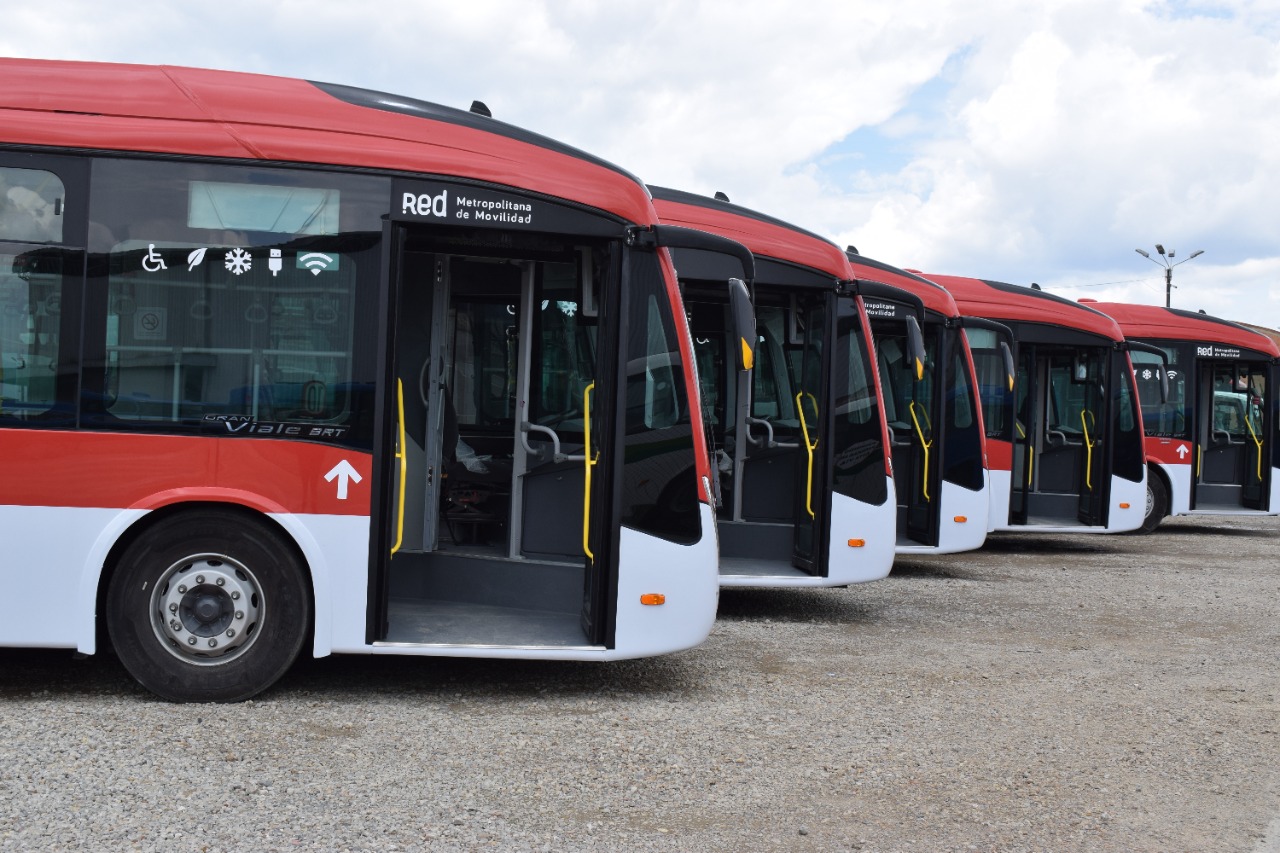
GRAN VIALE BRT BODYWORK AND B8R CHASSIS DO NOT CHANGE

Colombiabus newsroom – William Marroquín

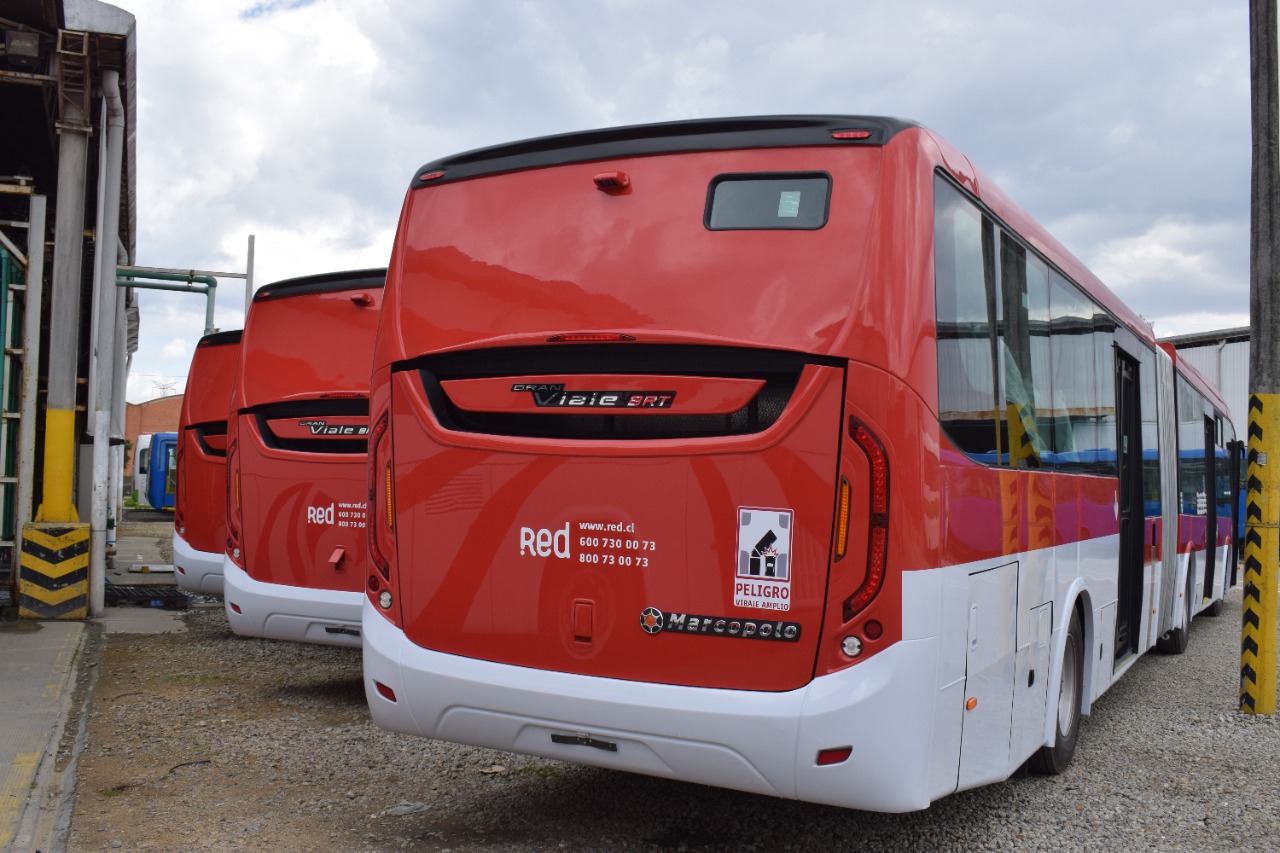
SuBus, operator of the Santiago de Chile Metropolitan Mobility Network system, which is in charge of the Business Unit 2 corridors, continues to work on renewing its bus fleet. To continue with this update, it has once again opted for the combination of the Marcopolo bodywork with the Volvo chassis and will soon receive an additional 80 articulated buses, bodied in Colombia by Superpolo.

These new buses are added to the 200 that were bodied in 2020 at the Marcopolo-Superpolo facilities, at its plant located in Cota, on the outskirts of Bogotá. The process related to confirming the order and preparing the details of the production line has been defined by the end of 2021 and the buses are practically ready to be shipped to Chile.

The vehicles have the same chassis-body configuration as the previous 200 units built in Colombia. The Volvo B8R LEA platform (low entry – articulated) is coupled to the Marcopolo Gran Viale BRT body. The engines comply with the Euro 6 emission standard, recalling that Chile was the first country in Latin America to implement this standard in 2017, making it a standard for the incorporation of new buses in the BRT system of the capital Santiago.

The low entry chassis promotes accessibility and adapts to the height of the stop stations, complemented by the kneeling system and the electronically leveled air suspension. The Euro 6 D8K diesel engine with 7.7 liters of displacement delivers 350 HP and 1,400 Nm of constant torque between 1,200 and 1,600 laps. To comply with all chemical reactions and release the least amount of emissions into the atmosphere, it is equipped with: SCR aftertreatment system (Requires AdBlue), DPF particulate filter, DOC oxidation catalyst and improved nitrogen monoxide reductions NOx, with the ASC component.

To deliver the power to the wheels, the B8R is equipped with the Voith DIWA 864.6 automatic transmission, with torque converter and 6 gears for maximum smoothness, comfort and productivity. Also, if you want to take advantage of all the functions of the bus and professionalize operators, Volvo I-Coaching contributes by informing about opportunities to improve driving habits and integrate with a good deal of telematics and fleet management functions. Volvo.

Another outstanding component is the air conditioning system developed by the Colombian company Transaire, which has a system installed for 12-meter buses in one wagon and another for 9-meter units in the second. This makes it possible to deliver a cooling capacity that exceeds 200,000 BTU/hour, allowing adequate heat extraction and the emission of fresh, dry air inside, which can accommodate 34 seated passengers and 116 standing.

The front and rear optical units incorporate LED technology, which are very easy to replace in the aftermarket, and are used in other Marcopolo models such as the Torino, helping to lower operating costs. Access is very easy thanks to the low platform and for people with reduced mobility, at the central door, there is a manual access ramp, which is very simple to operate and offers great practicality, and also communicates directly with the spaces provided inside for those traveling in a wheelchair.

The driver is totally isolated from the passenger room, thanks to the complete cabin division, which was improved by changing the arrangement of some windows, which generated reflections. The light and chassis controls are at the right hand of the operator, who from this position can control the multiplex system and climate control.

The chairs are equipped with armrests and padding, numerous handles and grips for the support of those who travel standing up. There are also different color codes and textures for the handrails and handles near the preferred seats in red. In this area, the bell buttons have braille language for the blind.

The interior also has USB ports to recharge mobile devices, spaces to store the cell phone and great luminosity taking advantage of natural light. Cameras arranged throughout the passenger lounge and in the operator’s position to report everything that happens during the trip, internal amplification system and microphone connection. It is also equipped with signage and warning messages about the height of the bus, the handling of the air conditioning, and access to the vehicle.

SuBus, the Chilean operator that will receive them, is a company that began activities in 2004, has about 5,600 employees and 1,300 buses, to serve more than 50 routes through the Chilean capital. Made up of Colombian capital, since it has the support of Fanalca, since its inception it has relied on Volvo chassis for its fleet of standard and articulated vehicles. On the other hand, the buses have been bodied mostly by Marcopolo, coming from both the Caxias do Sul plant (Brazil) and the Superpolo factory in Cota (just outside Bogotá).

This order for eighty units reaffirms the capacity of the Colombian facilities to serve large volumes of foreign operators. Let us remember that in 2011 Marcopolo Superpolo delivered about 1,200 buses for the MiBus system in Panama on Volvo chassis. Other important orders followed, such as the 80 bi-articulated Torinos for Quito, which were shipped in 2016, and the 200 articulated ones that left the Cota plant for SuBus in Chile, all of them with many local suppliers and workforce, which contributes to the generation of quality jobs.

TRATON GROUP WILL INVEST 2.6 BILLION EUROS IN R&D FOR ELECTROMOBILITY BY 2026

THE GROUP SINKS THE ACCELERATOR TOWARDS ELECTRIFICATION

Colombiabus newsroom – Traton Group SE

The Traton Group, one of the largest global players in the commercial passenger and cargo vehicle industry; with its brands MAN, Scania, Volkswagen Trucks & Buses, Navistar and RIO in digital services; has decided to assume head-on the commitment to offer sustainable transportation, seeking affordable and profitable solutions for its customers around the world.

The group has been investing heavily in the development of new products, battery technologies, research and testing for its electrification-oriented models, construction of new production facilities, among others. Previously, the budget earmarked for electromobility in 2025 had been 1.6 billion euros, which by 2026 will receive a significant increase.

That is why the Traton Group, in order to intensify the transition to commercial vehicles powered by alternative propellants, plans to invest €2.6 billion in electric mobility research and development by 2026 in support of that goal.

“Together with its brands, the Traton Group will take a leading role in sustainable transport. That is why we have consistently aligned our planning for the next five years to focus on battery electric drives. These units are clearly the greenest, fastest and most affordable solution for our customers, even for long-distance transport, although hydrogen can be a useful addition in certain niches. Since trucks are mostly charged during supply peaks and demand troughs, even the power load on the grid is moderate. That is why we must focus on creating the infrastructure that we so urgently need. Establishing the fast charging network for passenger cars also offers a unique opportunity for synergies” said Christian Levin, CEO of the Traton Group.

Pure battery electric trucks have a clear advantage over their hydrogen counterparts: 75% of energy output is used to power electric vehicles, compared to 25% for fuel cell trucks.

That is why Traton’s priority is to invest in Battery Electric Vehicles (BEVs), the goal is for 50% of long-distance trucks to be zero-emission by 2030, provided the corresponding regulatory mechanisms and infrastructure are in place. Work is already underway on charging issues, following the agreement signed between Daimler Truck and the Volvo Group to create a public charging network for battery-electric heavy trucks and coaches as part of a joint venture. All partners have already signed a binding agreement at the end of 2021, which is now subject to antitrust approvals.

In the last quarter of 2021, the commercial results of the electric vehicles of the Traton Group brands were as follows:

The plan is to install at least 1,700 high-performance green energy charging points across Europe within five years of establishing the joint venture. In 2020, the Traton Group invested one billion euros for the electrification of transport and in five years, the amount allocated will have almost tripled.