THE DELIVERY OF THE BUSES WILL BE STAGED UNTIL 2025
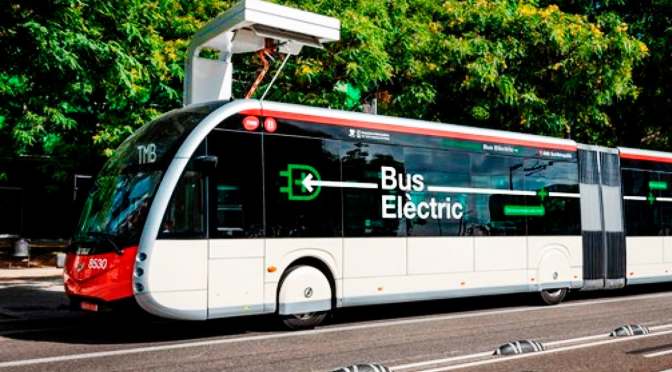
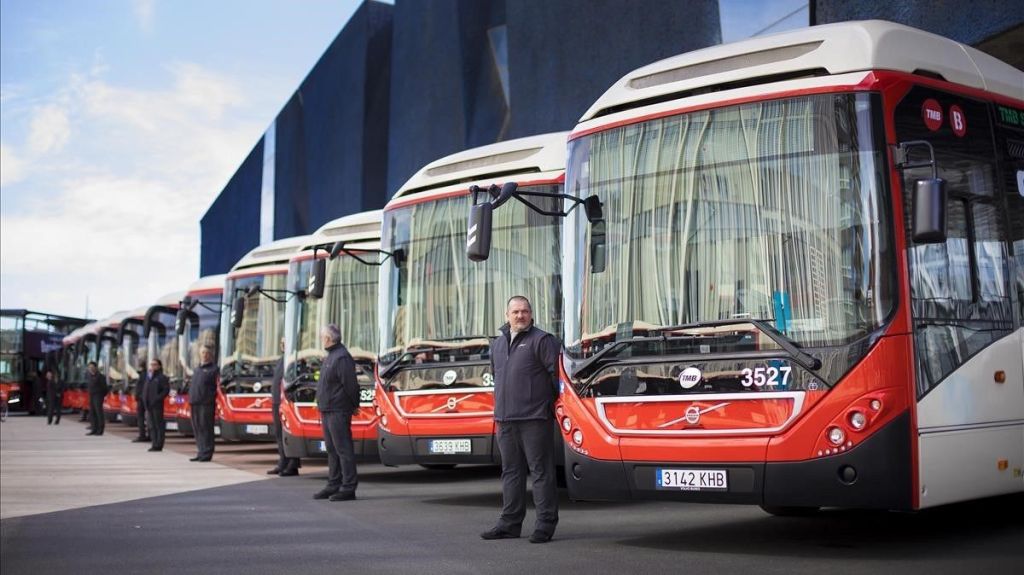
Transports Metropolitans de Barcelona (TMB) will invest more than 400 million Euros in the next six years to modernize and make its bus fleet more sustainable. According to the current TMB roadmap, all diesel vehicles will be amortized and only clean buses will be incorporated, preferably with electric traction.
Framed in this plan, the company this week started the tender to acquire 210 electric and hybrid buses for an amount of 116 million euros. The new vehicles will serve to replace others with more polluting technologies and 15 years old.
“We want the Barcelona bus network to be innovative, efficient, safe and, above all, clean and sustainable, in line with the objectives of the European Union to decarbonize transport and combat the climate emergency”, explains the President of TMB, Rosa Alarcón. TMB’s strategic commitment not only includes the purchase of clean buses but also of its auxiliary vehicles and necessary infrastructure and the promotion of hydrogen and biogas.
The current tender for 210 electric and hybrid buses is divided into five lots, of which two correspond to 100% electric and zero-emission vehicles, totaling 78 units. Of these, 29 will be articulated with fast charging and will be used for the electrification of the H16, H12 and V15 lines, the three of which are in great demand. The rest will contribute to the goal of making half of TMB’s bus fleet electric powered by 2030.
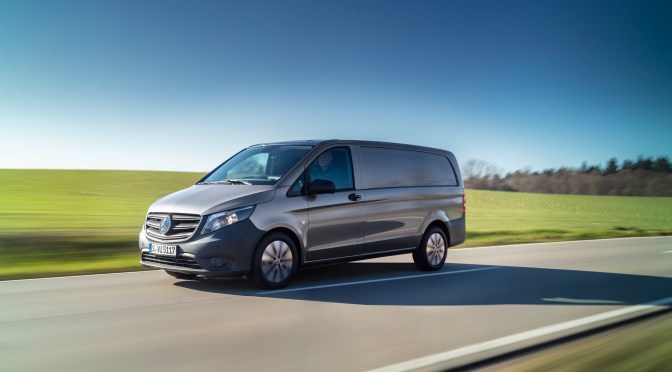
More than a quarter of a century ago, production of the Vito mid-size van began at the Mercedes-Benz plant in Vitoria, in northern Spain. This first generation of light commercials not only marked a new era for the star brand, but also the rebirth of the facilities located in the Basque capital of Vitoria-Gasteiz. Thanks to the investment to modernize the factory, the annual production capacity rose to 80,000 vehicles, incorporating many automated processes and a state-of-the-art logistics center to have one of the brand’s most modern planes.
The Mercedes-Benz Vitoria production plant currently has about 4,900 employees, occupying an area of 642,295 m². Since the expansion in 2001, the production buildings now cover a total area of 370,000 m², the equivalent of around 50 football fields. The factory supplies nearly all world markets, including Latin America, and since 1995 has manufactured more than 2 million vehicles.
Most of the production is occupied by the Vito, which was again extensively renewed in 2020. In that same year the electric eVito Tourer with a range of 421 kilometers was introduced, as well as the efficient and powerful OM 654 family of diesel engines from 2 liters and four cylinders. In addition to the Vito, the V-class and the eVito, since 2020 the EQV, which became the first fully electric premium minivan from Mercedes-Benz built in Vitoria.
The Vitoria-Gasteiz factory was built in 1954 and began producing vehicles for the DKW brand the following year. Mercedes-Benz AG, as it was also called at the time, was closely linked with Auto Union in the following years, before acquiring full ownership of the production site in 1981. From 1988 to 1995, Mercedes-Benz produced the MB 100, a light van that was launched in 1981 in Germany and was the predecessor to the Vito, as well as its sisters, the Viano and the V-Class.
In order to contribute to Mexico’s economic recovery and improve its market share in both buses and trucks, Scania Mexico has announced an investment of 50 million Mexican Pesos (about 3 million dollars) in three projects, seeking to strengthen their offer for the country’s transportation and thereby reinforce the brand’s commitment to Mexican operators.
The first project includes the expansion of the spare parts logistics center located in Querétaro (State of Mexico), which will go from 1,700 to 3,617 square meters in area. Scania expects to reach 5,000 square meters by 2024.
On the other hand, they are working on the last details to present a new branch of the brand in Tepotzotlan, with an area of 6,000 square meters, completing 16 points and 45 in-house workshops in the country with direct support. A very important issue goes hand in hand with the third project and is the definitive landing of Scania Finance México, which will be in charge of offering credit, leasing and other financial options with its own funding sources and risk profiles adapted to the business of Mexican transporters and, most importantly, more favorable conditions compared to commercial banks.
With Scania Finance Mexico, the company expects 50% of the brand’s bus and truck sales to be supported through the in-house financier.
GERDAU AND TURIS SILVA ARE ALSO PARTNERS IN THE PROJECT
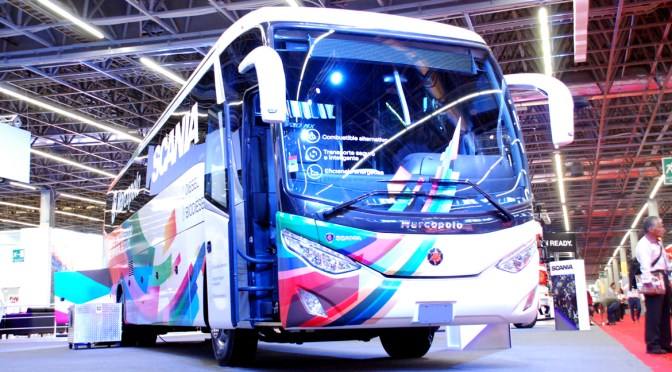
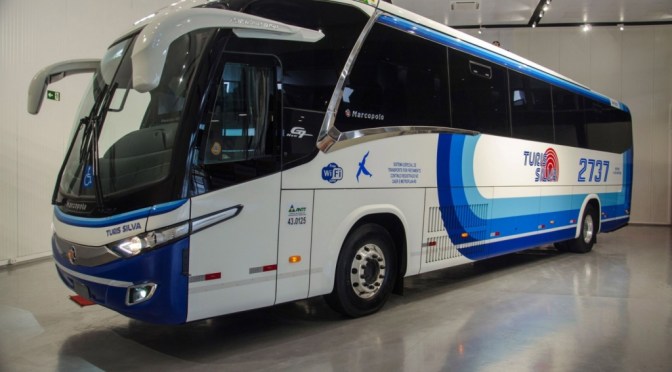
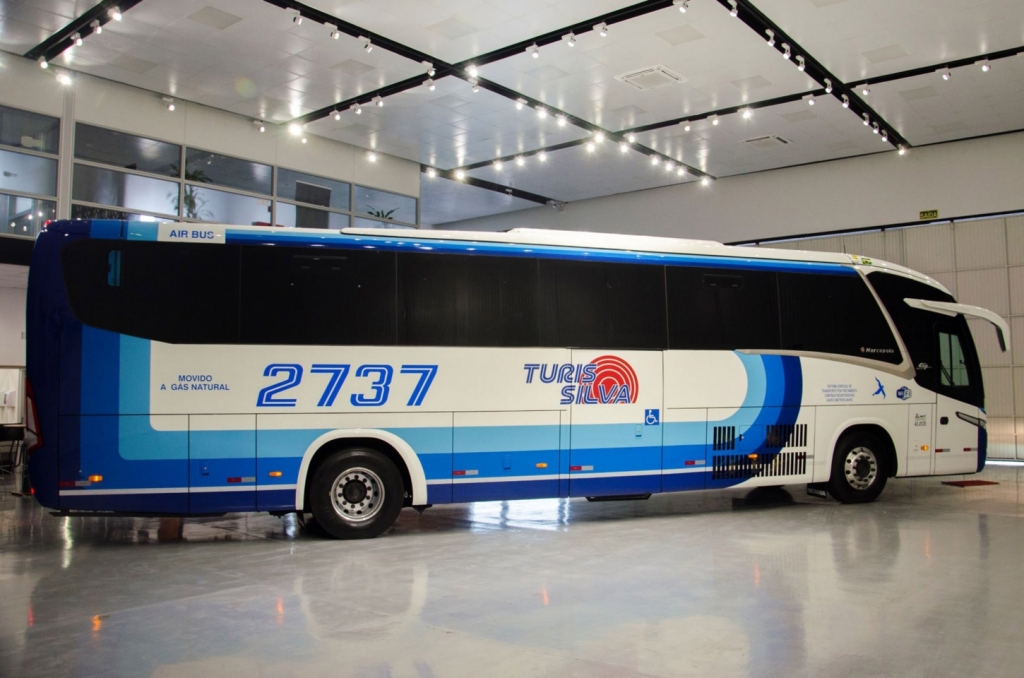
An alliance between Scania and Marcopolo will allow Turis Silva, a transport operator located in the south of the South American giant, to launch the first highway bus powered by Compressed Natural Gas (CNG) for tourism applications, business service, rental and short excursions. The bus will be assigned to transport employees of the Gerdau steel company, at the Charqueadas plant, Rio Grande do Sul state.
The business transport operation, in charge of Turis Silva Transportes, will be under a demonstration contract on a route from Porto Alegre-Charqueadas-São Jerônimo, on a daily route of 190 km. To date, the gas highway bus to charter in Brazil is in the final details of the certification and homologation process to receive the circulation permit.
“We are very excited about this pioneering operation. There will no longer be more to continue having diesel as the sole parent. Requests from contractors for greener products are increasing every day and sustainability is a path of no return. I am convinced that it will be the first of many gas buses for rent” Jaime Silva, founder and owner of Turis Silva Transportes. The businessman is also president of the National Association of Tourist Transporters and Charter. The company has been in the market for 31 years, with its headquartered in Porto Alegre, provides continuous and occasional charter services, has 54 Scania buses and has been increasing the brand’s share in its fleet each year.
The K 320 4 × 2 model has a 9.3-liter engine that produces 320HPc, the propeller is Otto Cycle (the same concept as cars) and it runs 100% on gas and biomethane, or a mixture of both. It is not converted from diesel to gas, it is a dedicated power unit with factory warranty, reliable and safe technology, consistent performance and diesel-like strength, as well as being quieter. Eight gas cylinders were installed in the front with a range of 300 km. If a customer wants more autonomy, it is possible to evaluate the location of more cylinders and for the development of the body there are no significant changes.
In the case of a fire or crash, the gas is released into the atmosphere and dissolves without danger of an explosion, unlike a similar diesel-powered vehicle which is more dangerous as the liquid remains on the ground or can spread through the body.
Marcopolo chose the Paradiso New G7 1050 bodywork to equip the historic bus, capable of handling up to 44 passengers. It is equipped with Wi-Fi internet access, environmental entertainment screens, semi-bed seats, camera monitoring system, individual USB sockets and air conditioning. The model also has different solutions of the Marcopolo BioSafe platform to protect the occupants from pathogens that could cause diseases such as Covid-19, such as a toilet and air conditioning system with UV-C lamps to disinfect the environments; curtains with antimicrobial material, and gel dispenser at the entrance of the access staircase.
THE VAN IS CONTEMPLATED TO BE PRODUCE IN ARGENTINA
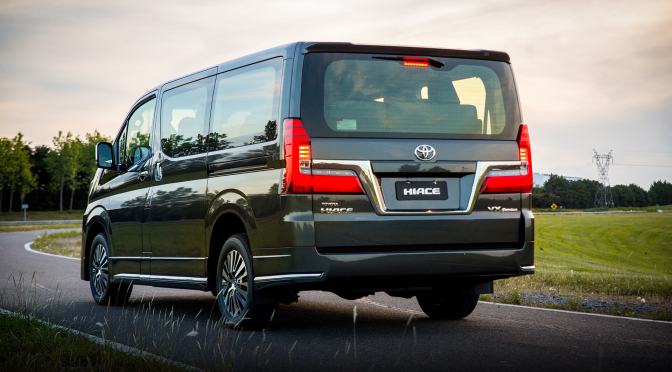
Although Toyota had already introduced the HiAce light utility vehicle in delivery van versions nearly two years ago, this launch of the Wagon and Commuter versions marks the entry into the commercial passenger vehicle segment in Argentina for the Japanese brand, with a van that is imported from Japan, but for which there are plans to produce it in the country, at the Zárate plant (Buenos Aires province) where the Hilux pick-up, leader in sales in the country, was also built.
Two versions that share the same engine, but with an eye on two different segments and models: The Wagon with shorter dimensions and a more luxurious equipment for 9 passengers, which will face the Mercedes-Benz Vito and the Hyundai H100; It is designed for the transport of executives, clubs, diplomats and artists. For its part, the Commuter will be able to transport up to 13 passengers and will seek to compete with the Mercedes-Benz Sprinter and the Renault Master, targeting the transport of excursions, business and charters in short distances.
To achieve economies of scale and facilitate the aftermarket, both versions will feature the engine and transmission used in the Toyota Hilux. The 1GD engine of the Japanese brand with 2.8 liters of displacement, but with a different electronic map looking for fuel economy; that’s why the powerplant delivers 163HP at 3,600rpm and 420Nm of torque between 1,600 and 2,200 engine turns. Power is delivered to the wheels via a six-speed torque converter automatic transmission.
Considering that they are oriented to different segments, although they share the same mechanics, the dimensions and equipment are different. The Commuter has a length of 5,915 mm and the Wagon 5,300 mm, in addition to the finishes of the former that are more functional and for a more demanding job. For its part, the second option offers seats upholstered in leather and electrically adjustable (in the second row).
In both versions, the driver’s position has a height and depth adjustable steering wheel and a height adjustable seat with longitudinal adjustment and backrest recline. It is worth noting the very good wide field of vision and the angular-turning exterior mirrors that improve rear vision. Additionally, they incorporate 6 USB ports to recharge devices.
Toyota will seek to test the acceptance of the vehicle not only in Argentina, but also throughout Latin America. Initially it was imported from Japan, but in the future the idea is to produce the HiAce in Argentina, where the Hilux and SW4 are already manufactured. Countries like Chile, Peru and others in Central America sell the van and that is why it is considered that the assembly project in South America can be successful.
The French multinational mobility company Transdev, through its Colombian subsidiary, holds 50% of the shareholding who was awarded the provision and operation of 406 electric buses in Bogotá, for functional units 6 and 17 in the town of Fontibón. Through the contract signed with Transmilenio that amounts to 874 million euros. This contract is an important step in a large-scale development of the European company to make a transition to electric and sustainable fleets.
Transdev’s participation in Colombia is not new, since it has a 20-year presence in Bogotá together with its Colombian partner Fanalca in TransMilenio, the BRT (Bus Rapid Transit) system that mobilizes the most people in the world, the French company expects to have operational the largest electric bus fleet in Latin America, with 406 electric buses with BYD chassis, whose bodies will be assembled in Colombia by Superpolo.
The fleet of electric buses will be made up of a combination of 272 9-meter local buses and 134 12-meter zonal buses respectively. The buses will serve the zonal component of Transmilenio along 15 routes in the town of Fontibón. In this area of the city, Transdev and Fanalca will jointly build the largest electrical installation in South America. It will be a bus station of more than 40,000 m² where it will be possible to park, maintain and load all the vehicles covered by the contract.
“With this huge electric bus contract in Bogotá, Transdev is fulfilling its ambition to transition its bus fleets to zero emissions in Colombia and globally. We are proud to continue serving Bogotá where we have been successfully operating much of the TransMilenio with our BRT systems. I am convinced that, for large urban areas, there is no way to avoid the mass deployment of sustainable mobility solutions, including biofuels, electric batteries and, ultimately, hydrogen electric fleets and fuel cells,” Thierry Mallet, President and CEO of Transdev Group.
These new e-buses, which will replace a 20-year-old traditional public transport diesel fleet, will greatly reduce polluting emissions from public transport, improve local air quality, and optimize Colombia’s overall capacity to cope with the transition of energy towards other modes of transport. By the end of 2020, Transdev and Fanalca were operating some 660 articulated and bi-articulated buses for the trunk component of Transmilenio and additionally, the 163 cabins of the acclaimed TransMiCable urban cable system. With this new contract, by the end of 2021, Transdev and Fanalca will jointly operate 1,067 buses in Bogotá, reinforcing an operation that the previous year generated total sales of 95 million euros and employed a workforce of 2,750 people.
THE BUS WILL TEST ON LINE 4 OF THE METROBÚS SYSTEM
All city governments seek solutions to the challenges that arise due to climate change and passenger transport is in the eye of the hurricane, since a lot is required of this activity as it must offer sustainable and environmentally friendly solutions. If we talk about Mexico City, the challenge is bigger, since it is the fifth most populated city in the world, with about 22 million inhabitants.
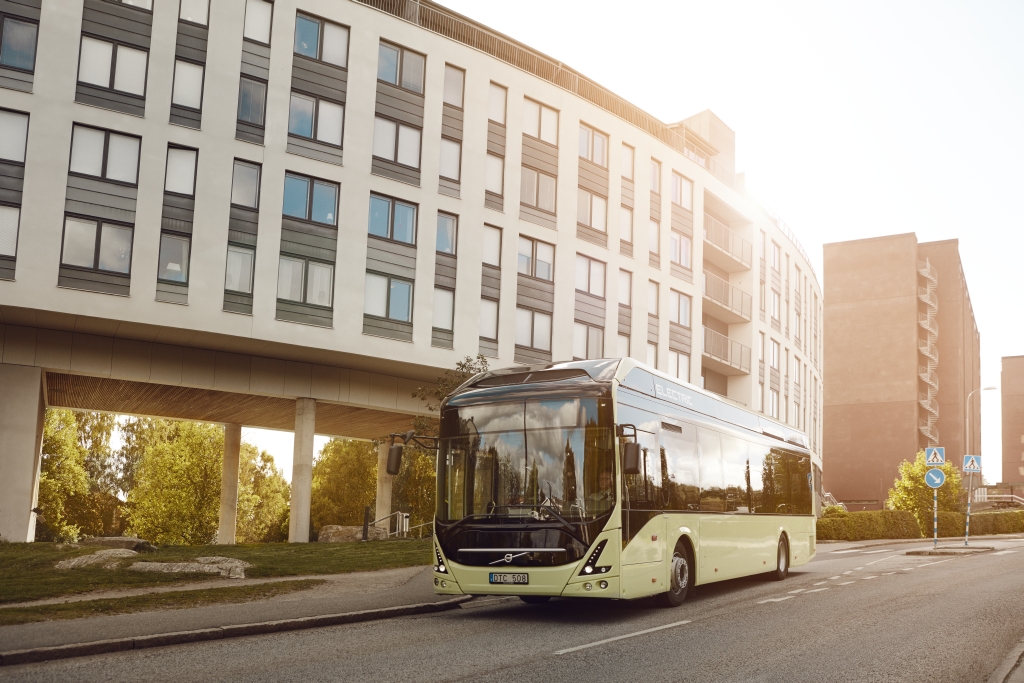
To respond to these challenges, Volvo has arrived in the Mexican metropolis with an innovative solution that is faithful to the premises of every bus of the Swedish brand, such as respect for the environment, quality and safety. That is why a 12-meter Volvo 7900 electric bus has been brought to Mexico City, which has begun tests on Metrobús Line 4, the BRT transport system of the huge Latin American city.
Line 4 of the Mexico City bus system is a line that is characterized by light and open stations, which by having to cross through the Historic Center respect its urban environment. It should be noted that in this line the first hybrid buses were released in Mexico, which began their operation in April 2012, with 54 vehicles of the Volvo 7700 model, which stood out for their low floor and a very low consumption diesel engine combined with a generator electric that delivered minimal noise and emissions. The line has connected important points such as Buenavista, Zócalo, Alameda Central, La Merced, the TAPO Bus Terminal and the International Airport.
The 7900 bus is capable of transporting up to 95 passengers (sitting and standing), it has a recharging system through CCS-type connectors to replenish power at night, when the operation ends and the bus is at its terminal. It delivers 330Kw of power, the rear axle is provided by ZF and to ensure occupant safety it has disc brakes, ABS, EBS, ASR traction control, hill start assist, ESP stability program and can also include the telematics systems solutions such as the Safe Zones package.
In this way, Volvo Buses hopes to continue with electromobility projects in cities and have a new success story, in this case in Latin American cities. With this commitment, Volvo frames the launch of its electric bus under the #CiudadCero concept, with which it seeks to promote the transition towards levels of zero traffic, zero accidents, zero noise and zero emissions.
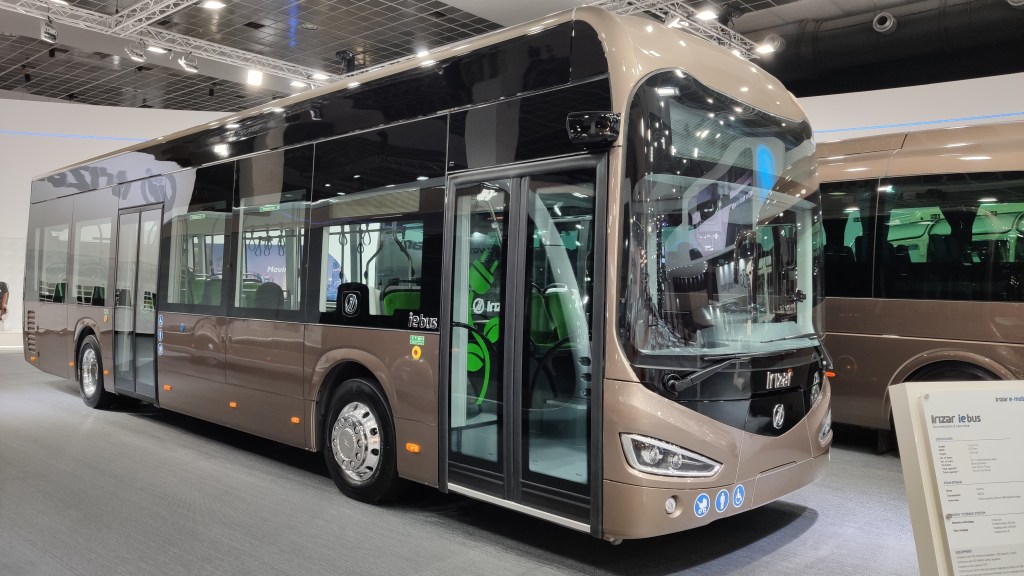
Irizar e-mobility, the Irizar Group division dedicated to electromobility created in 2018, has started 2021 with recognitions, both for the electric ieTruck, as well as the new generation 12-meter long ieBus, which has been awarded the award Bus of the Year 2021 in Spain.
The distinction, awarded by the Editec Group (owner of the prestigious Viajeros y Transporte3 magazines) and the jury, made up of a large representation of urban transport operators, gives this award to Irizar e-mobility vehicles. In 2015, the so-called i2e, obtained this recognition and three years later, in 2018, the Irizar ieTram was worthy of this distinction.
“Starting the year receiving both awards fills us with pride and satisfaction,” Imanol Rego, General Director of Irizar e-mobility says. “This recognition is the result of the commitment we have made in recent years to technology, innovation and sustainability in all kinds of applications.” The bus was presented for the first time in 2014 and runs on the routes of different European cities such as Madrid, London, Marseille, Genoa or Luxembourg, among others.
A CONVENIENT UPGRADE
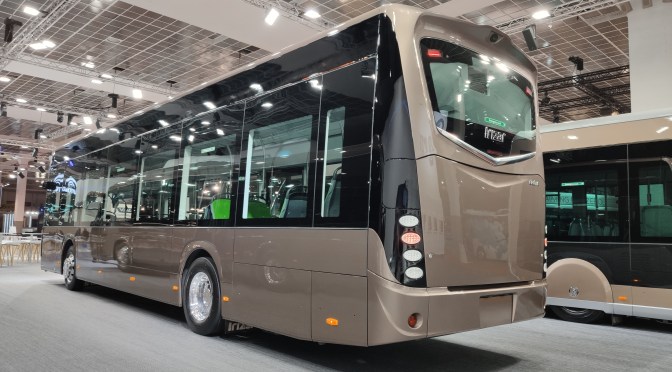
In 2019, the European Busworld event in Brussels was used to present the new generation of the 12 m long Irizar iE bus for the first time. A 100% electric, zero emissions bus that offers a sustainable urban mobility solution to respond to the transport needs of the city.
In addition to an attractive aesthetic design, this new generation, available in 10, 12, 15 and 18 meters, incorporates an evolution of its battery packs. Space has been optimized and, consequently, greater passenger capacity and greater modularity.
The new generation of more efficient batteries in combination with a brake regeneration system, further reduce consumption, also offering greater autonomy for the vehicle. The new Irizar ie bus offers up to five positions of interoperable slow charging points using a combo 2 hose. The slow charging of the vehicle takes 3 hours, but there is also the option to perform a fast charge by pantograph. The charging power can vary from 50 kW to 600 kW.
211 NEW BUSES ARRIVES FOR THE GRAN AMERICAS OPERATOR
The modernization of transport in Bogotá and the renewal of the entire bus fleet continue to advance, aiming to replace the traditional bus system that only has one year left. The pandemic has not slowed down the process of delivering and replacing vehicles, to offer all citizens of the Colombian capital a dignified and friendly transportation with modern, comfortable, safe and productive vehicles.
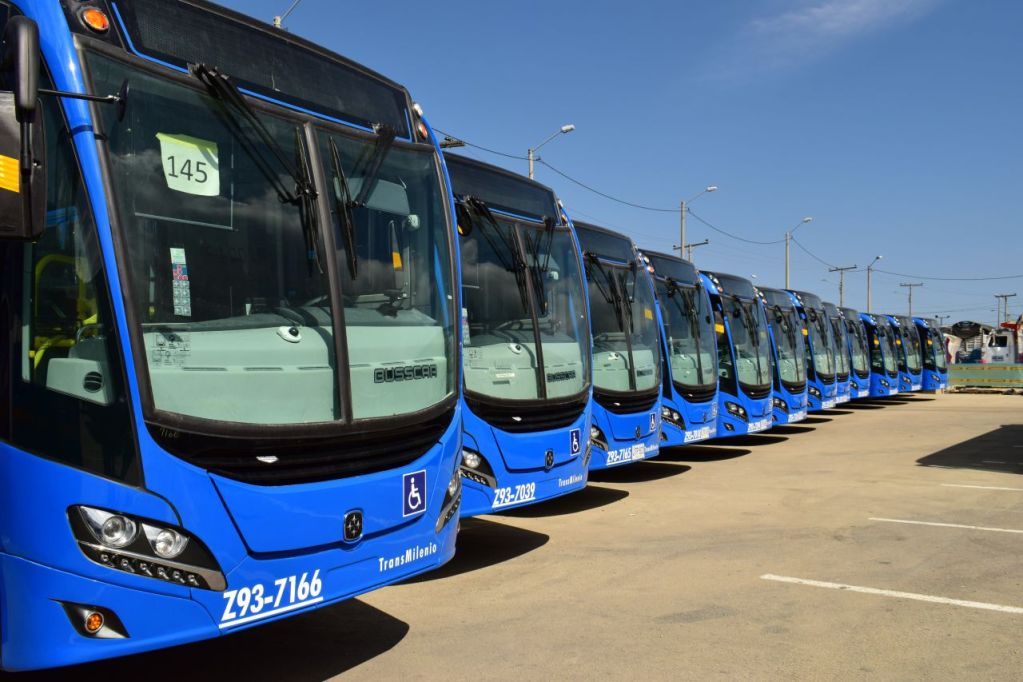
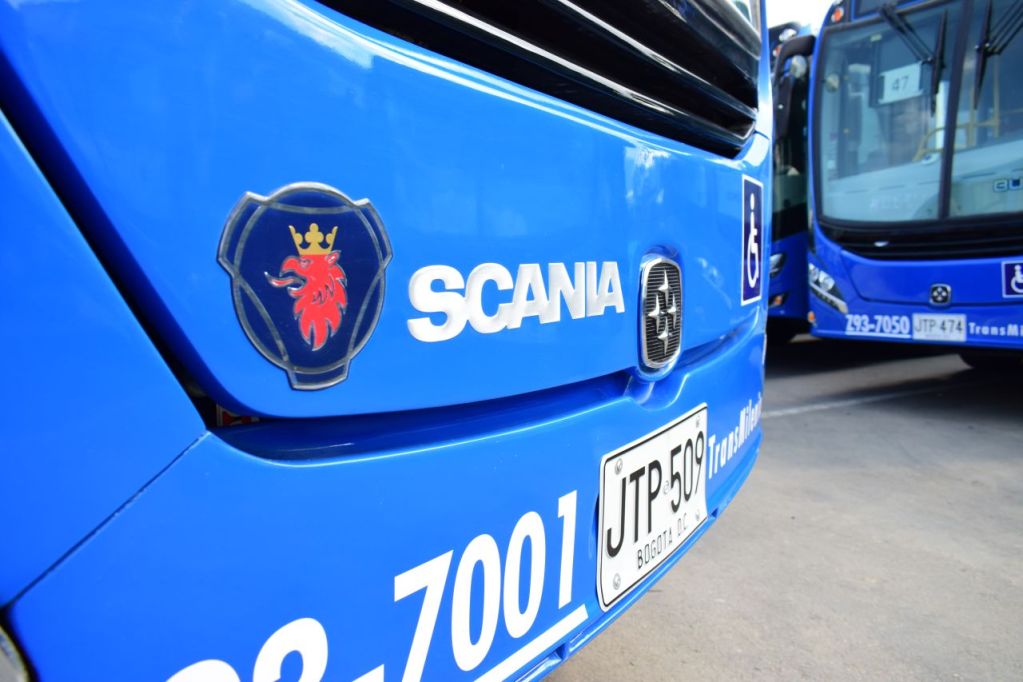
For this reason, Gran Americas, a bus operator in the southeast of Bogotá, began serving the routes of 7 regional services since January 16 that will benefit nearly 35,000 inhabitants of this town. These are 211 standard Scania K280CNG buses that reaffirm the progress of the Swedish manufacturer and its work in the development of natural CNG technologies that allow it to fulfill the commitment to provide benefits, be friendly to the environment and offer solutions for cities.
The vehicles feature air suspension with electronic level control, ABS brakes and the full suite of solutions that Scania’s connected services provide. “With these units we completed 1,467 Euro VI CNG buses, which we have delivered, there are 311 additional buses remaining, which makes Bogotá the city with the largest CNG bus fleet in the world ” As Juan Carlos Ocampo said, General Manager of Scania Colombia.
The 12-meter long buses are designed to transport up to 80 passengers (including seated and standing), builded in Pereira, Colombia by Busscar Colombia, which also have lifting mechanisms to facilitate accessibility to people in mobility reduced condition. The body model is the legendary Urbanuss Pluss, a great protagonist of massive systems both in Colombia and in different Latin American cities, a model that has evolved over 20 years. “We not only transport dreams in this alliance, we are teamwork, social commitment and we are very grateful to Bogotá and its citizens, since a large part of our suppliers are from the capital.” Roberto Gálvez Montealegre, President of Busscar de Colombia, declared.
Work has been done to improve the travel experience, seeking to win back users and invite them to use the buses, take care of them and enjoy them. That is why they have included additional comfort and safety elements such as WiFi Internet connection, electrical outlets and additionally they have information screens so that travelers can identify the stops and the different routes of the route. Likewise, it has surveillance cameras to increase the safety of passengers during the trip, provided by MET Group, a Pereiran company that has worked hand in hand with Busscar Colombia.
Finally, to ensure the correct supply of fuel, the Vanti Group (Colombian company dedicated to the provision of the domestic public service of distribution and commercialization of natural gas in the country) worked on the construction of a new station that allows the refueling of CNG. A job that involved extending the pipeline network for about three kilometers and that allows the station, which three compressors and a storage capacity of 5,000 cubic meters, to fill the tanks of each bus in about seven minutes and represented an investment close to 11,000 million Colombian pesos (More than €2,600,000)
Vehículos, componentes y prácticas que sirvieron durante muchos años o se convirtieron en tradición, hemos visto cómo en estos 15 años han venido siendo reemplazadas. Una mayor confiabilidad en las nuevas piezas, mejorar la rentabilidad, reducir la informalidad o porque se cumplió un ciclo, recuerdan que el autobús está en constante desarrollo y hay que prepararse para recibir los cambios. En esta nota, presentamos una selección de los elementos y prácticas si no han dicho adios, tendrán que hacerlo.
LAS CAJAS MANUALES
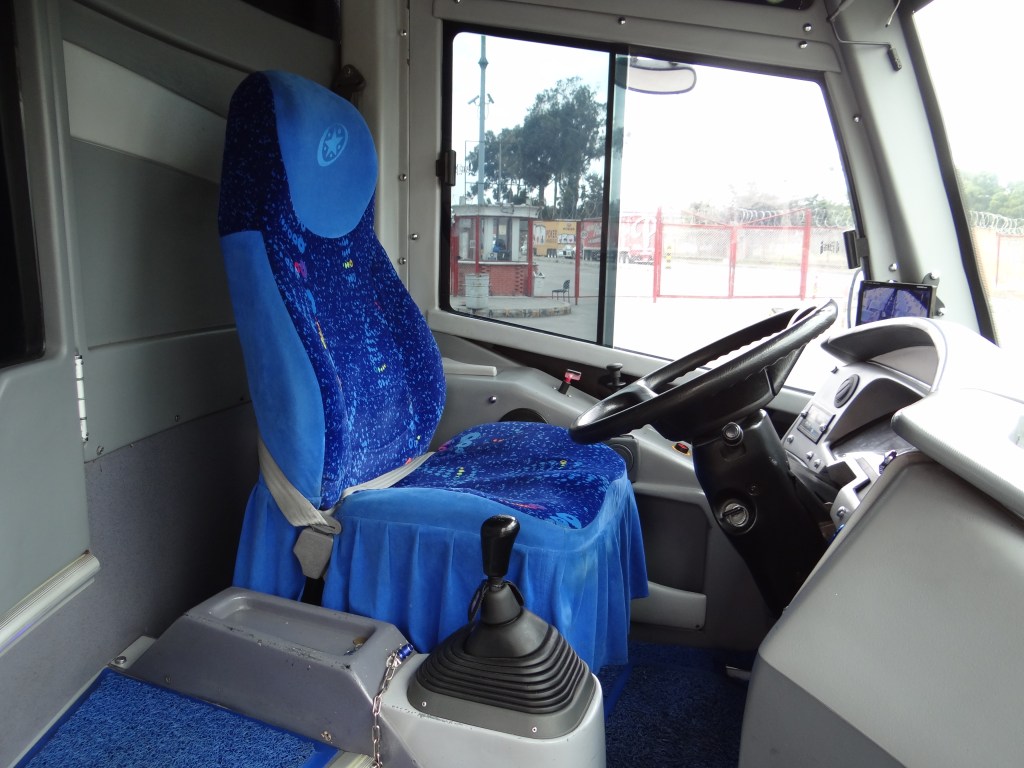
Por décadas, las transmisiones manuales con pedal de embrague fueron las preferidas, durante ochentas y noventas se ofrecieron buses con cajas automáticas, sin resultados destacables. La llegada de Transmilenio cambió esa percepción negativa para uso de ciudad y en carretera, poder insertar marchas de forma manual, pero sin pedal terminó imponiéndose. Mayor seguridad y concentración del conductor, ahorro de combustible, menos tiempos de mantenimiento son argumentos que condenan a que la clásica palanca de cambios esté desapareciendo.
SUSPENSIONES MECÁNICAS
Seguramente en rutas que transitan por vías en mal estado, o que pueden afectar los bajos de los autobuses, las suspensiones de muelles y ballestas seguirán. Pero en vías pavimentadas en buses de tamaño mediano y grande los sistemas basados en bombonas neumáticas terminaron imponiéndose. Los frecuentes engrases de los componentes mecánicos y su ruido, la menor suavidad de marcha que afecta negativamente el confort y la dificultad para controlar las oscilaciones de la carrocería, juegan en su contra.
RINES DE ACERO
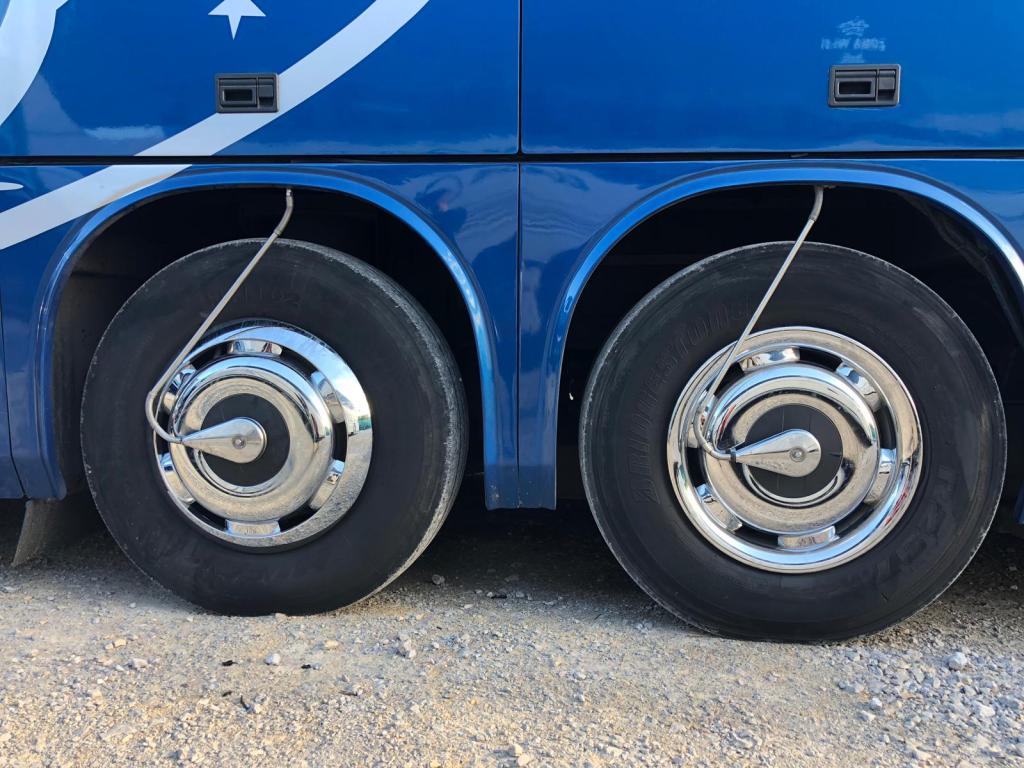
Los rines de aleación de aluminio de buena calidad, reducen las vibraciones, el peso, disipan mejor el calor alargando la vida de las llantas, resisten al máximo la corrosión y soportan mejor tanto golpes como cargas laterales. Adicionalmente ofrecen el acabado brillante y pulido que tanto le gusta a propietarios y conductores, y su mantenimiento es muy sencillo. Todo esto evita la aplicación de cromo para abrillantar los rines, que genera problemas de sobrecalentamiento de las ruedas, incidiendo negativamente en la seguridad.
LOS BUSES TROMPONES
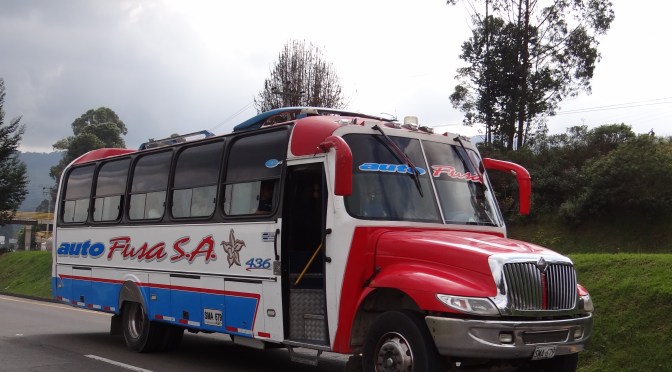
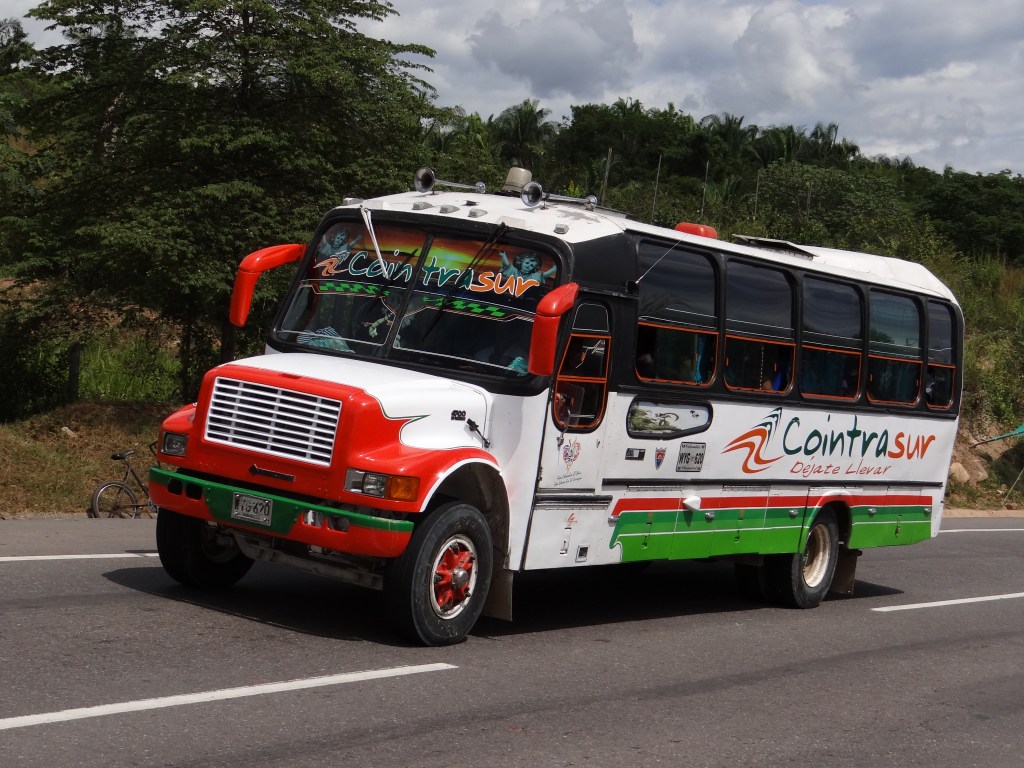
La tradición y las condiciones de nuestras vías, motivaron la popularidad del bus de motor delantero adaptando la zona de carga de los camiones para transportar pasajeros, por décadas el autobús por excelencia y favorito. La adopción del motor trasero, la necesidad de ofrecer más espacio para los viajeros y su equipaje, llevaron a ofrecer otros tipos de vehículos. Los propios transportadores que compraron trompones, vieron cómo los busetones ofrecen mayor capacidad con menores costos y marcha más confortable.
LOS RETROVISORES EXTERIORES
Hace algunos años comenzaron a verse en Europa los sistemas con cámaras y sensores instalados a lo largo de los buses, proyectando las imágenes en el interior del vehículo. Al poder eliminar los puntos ciegos, captar todos los ángulos, evitar los parales que pueden obstruir la visibilidad y garantizar una visión optima en la noche o cualquier condición climática hacen prescindir los retrovisores externos. Hasta ahora busca ser tendencia en Latinoamérica, pero terminará masificándose e imponiéndose.
LOS VIGÍAS
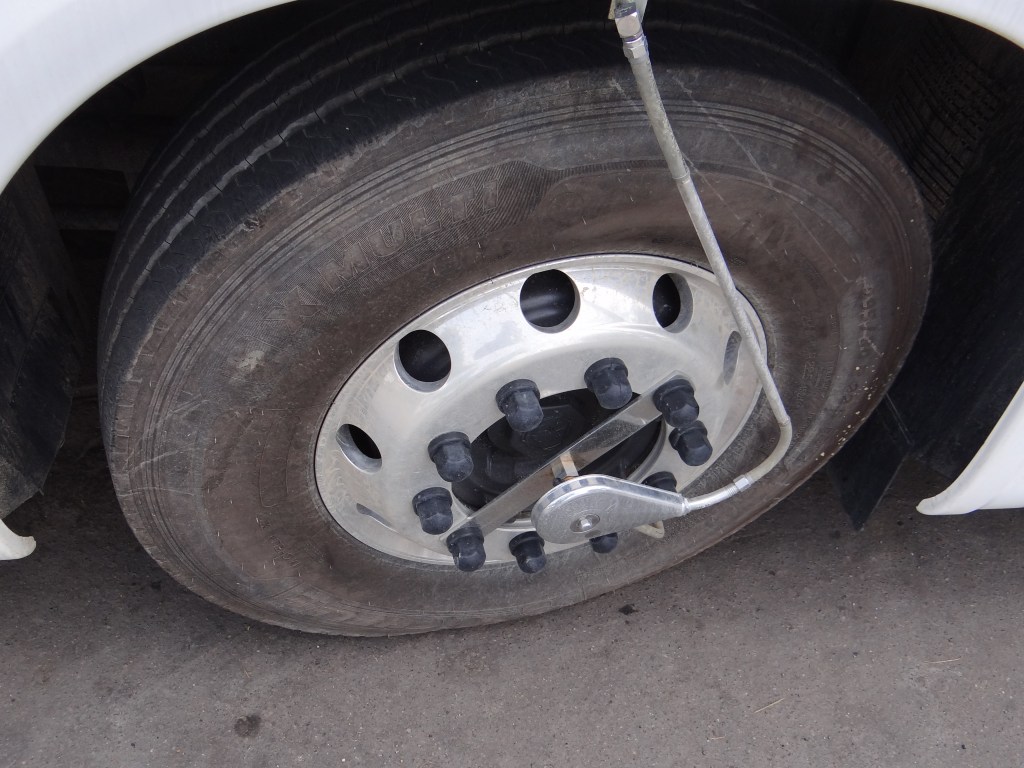
Un elemento tecnológico y de seguridad, se convirtió en un estándar del “engalle” nacional de autobuses, es el sistema de control de aire remoto para llantas, más conocido como “Vigía”. Un conjunto de mangueras conectadas al sistema neumático auxiliar del autobús, permite llevar aire a las llantas a través de unos rotores instalados en cada una de ellas. Sin embargo, todo ese andamiaje de varillas, conductos y depósitos está condenado a desaparecer, gracias a los sistemas TPMS (Tyre Pressure Monitoring System) que permiten medir la presión de las llantas desde el interior del vehículo o las ruedas con tecnologías RFID (Identificación por radiofrecuencia) que se pueden integrar con los sistemas de gestión de flota y entregar datos sobre el comportamiento de la llanta en tiempo real, evitan la necesidad de instalar elementos adicionales a lo montado de fábrica para el chasís del autobús.
LOS AYUDANTES
Los nuevos sistemas de pago que reducen el uso de efectivo, las dificultades en las empresas para controlar su trabajo y producido, su baja formación, las disposiciones de distanciamiento social y la asignación de tareas a los conductores, operarios de lavado y técnicos de mantenimiento; han suprimido la necesidad de quienes ayudaban al abordaje en los buses y cobraban el pasaje. En los servicios preferenciales, auxiliares de viaje y terramozas se han suspendido temporalmente por la pandemia y del control de la misma, así como superar la emergencia dependerá el regresos de estos cargos que sí generan valor tanto al pasajero como al experiencia de viaje.