
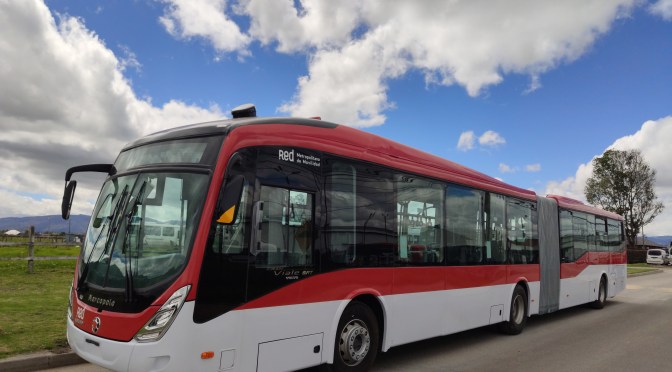
DOOR OPENS TO ADD 1,637 NEW BUSES
Colombiabus newsroom – William Marroquín / DTP Metropolitano
In December 2020, a bidding process had begun to incorporate 1,637 new buses for the Red de Santiago de Chile system. 16 proposals were received and in October 2021, the country’s Ministry of Transportation prepared the award act for the Comptroller General of the Republic to give its validation.
This approval from the Comptroller’s Office, key to consolidating the new public transport model in the Chilean capital, took place on February 7. With this, the regulatory entity accepts the award that tenders the concession in the use of roads, which will allow adding new services and incorporating 1,637 new Red standard buses, of which 991 will be electric.
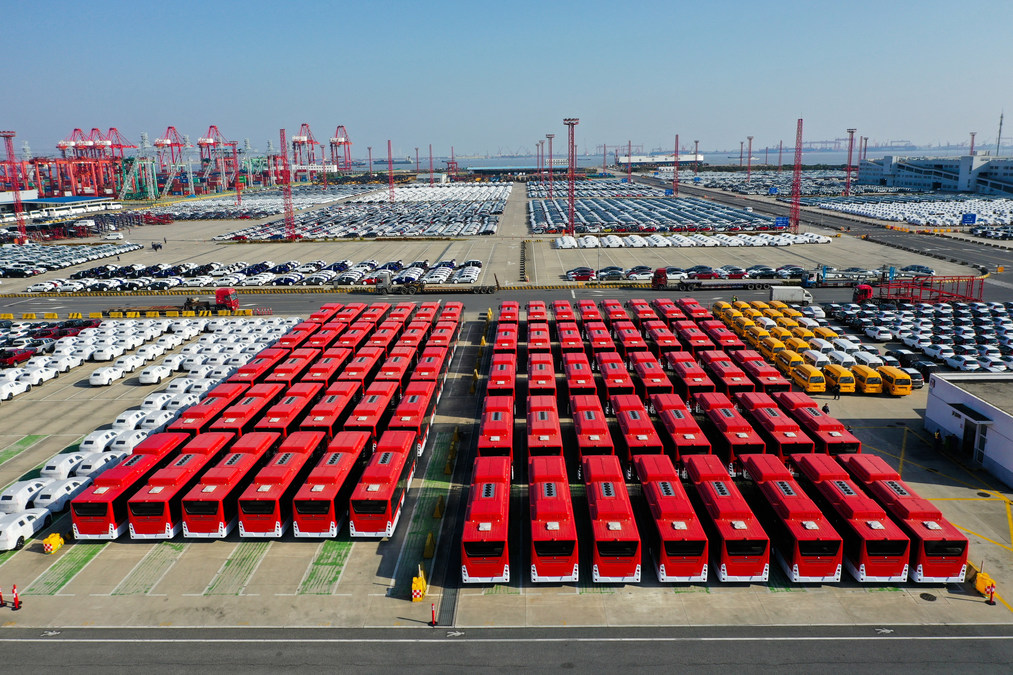
Thus, the company Metropol, the main operator in Buenos Aires, will enter the system as a new actor with the award of two units (U1 and U2) and the operation of 49 services. Meanwhile, Redbus was awarded two units (U4 and U6), with 50 services. For its part, STP will handle the management of units U3 and U5, with 54 services.
Among the main attributes provided by this tender, which contemplates new requirements and more tools to guarantee a better service, the reduction in the size of the service units stands out, which, on average, will have 400 buses. This will reduce the risks of interruption of transport services, in the event that a company presents operational problems.
It also has shorter-term operating contracts, which will fluctuate between five and seven years (depending on the percentage of electric buses in the fleet), extendable for up to five more years if certain quality standards established in the contract are met. The new public transport design for Santiago contemplates 153 additional services, which represents 29% of the total system.
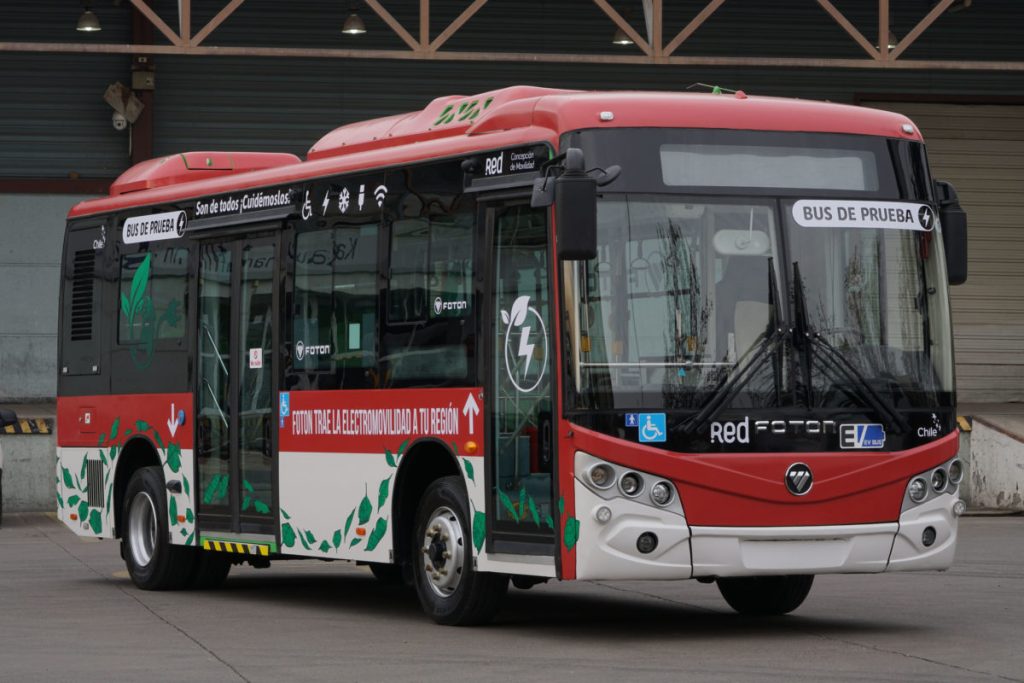
The standard of the new vehicles includes free Wi-Fi, USB ports to charge electronic devices on the road, air conditioning, and demands are raised in the interior and exterior design of the bus. Specific safety conditions are established for the driver, such as the requirement of a safety cabin, and padded seats, internal and external security cameras on board the bus, object proximity detection systems to avoid being knocked over and collided, internal screens to display trip information, and driving quality systems.
- The payment mechanism for operators is modified to safeguard the transport offer established through the Operation Program.
- Greater power is given to the authority in the definition of the Operation Programs to be able to think about transportation at the city level.
- A direct penalty related to non-stopping at stop is established: if an expedition has a justified claim of non-stopping, that expedition is not paid. Failure to stop at stops is one of the most frequent claims by users.
- Performance indicators are redefined to increase the demand on Operators. Discounts are contemplated for Operators for poor service, and prizes when the scheduled operation is fulfilled in an outstanding manner.
- Mechanisms for a quality of service are incorporated: Repeated discounts were implemented for a bad operation, fines, reassignment of services or expiration of the contract. Thus, the Operator has a permanent improvement incentive.
- The new contracts establish road safety certifications, gender equality, reconciliation of work, family and personal life, and the certification of at least 60% of workers, by the fifth year, in occupational profiles according to ChileValora.
- It is required to have a minimum percentage of 7.5% of women in the operation and maintenance staff, which must be met within a maximum period of 2 years.
- A compensation provision fund is created to ensure payment of compensation to workers in cases of insolvency.
- Revisions associated with the changes experienced by the Operator’s demand are eliminated, being the concessionaire’s responsibility to implement the quality of service mechanisms and control of the payment of the rate, in accordance with its legal powers. In this sense, a direct economic incentive is incorporated for the reduction of evasion that is the product of the Operator’s efforts.
- To avoid risks for the user, the new contract does not consider the payment for services with buses without maintenance certification.
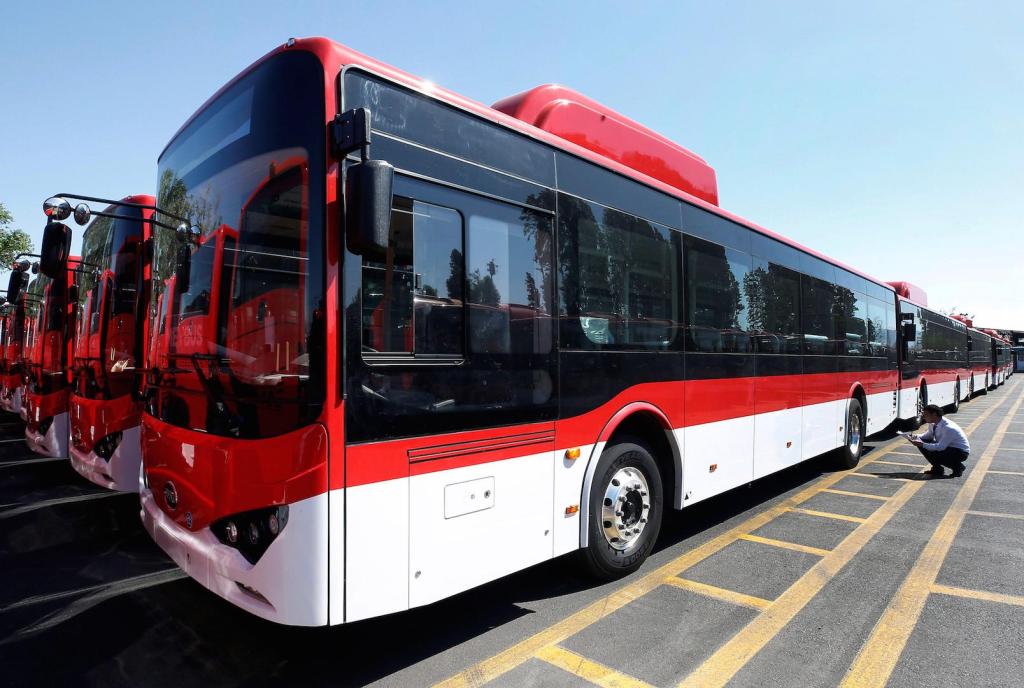
When the 991 electric buses arrive, at the end of 2022, Santiago will be the city with the largest number of vehicles of this technology in Latin America, recovering the place that it will momentarily lose, at the hands of Bogotá, which will soon have 1,485 zero-emission buses in the Transmilenio system.