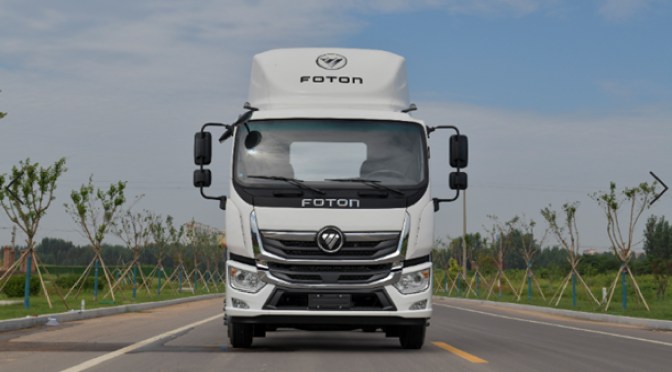
FOTON CORAUTOS ANDINO SE POSICIONÓ COMO EL #1 EN MINI TRUCKS EN COLOMBIA

LA MARCA QUIERE SER LÍDER EN CAMIONES EN 2025

Redacción Latinobus – Corautos Andino

La venta de camiones livianos en Colombia tuvo un incremento de 3.730 unidades respecto al 2020, con un total vendido de 14,809 unidades. De esto, un 33,7% equivale al crecimiento de FOTON Corautos Andino, que aumentó sus ventas en un 56.9%.

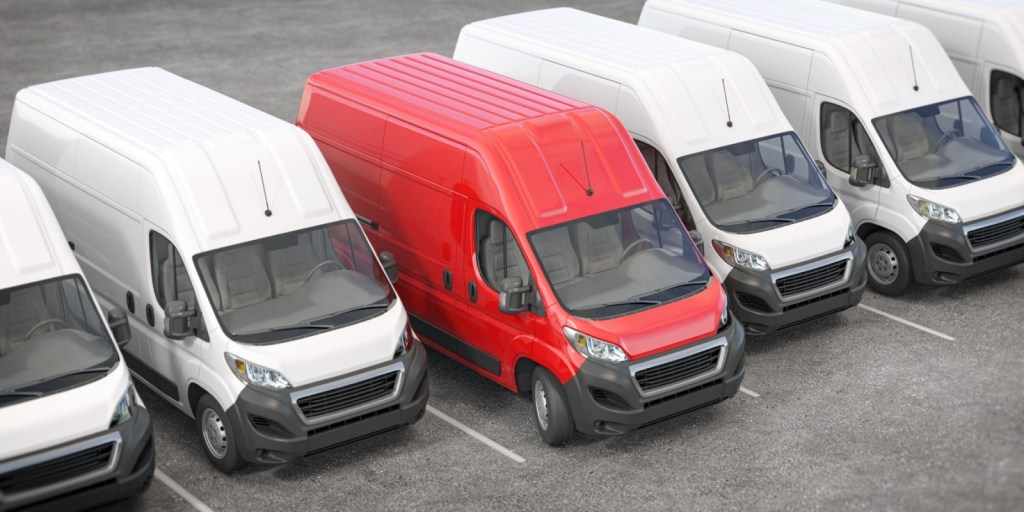
Para esta compañía el 2021 fue uno de sus mejores años, pues se consolidó, por quinto año consecutivo, como la segunda marca más vendida de camiones en el país según Runt 2021 y la #1 en el segmento de Mini Trucks. De esta manera, FOTON Corautos Andino cerró el 2021 con una participación de mercado del 19.9%, con alrededor de 25.000 de sus camiones rodando en el país.
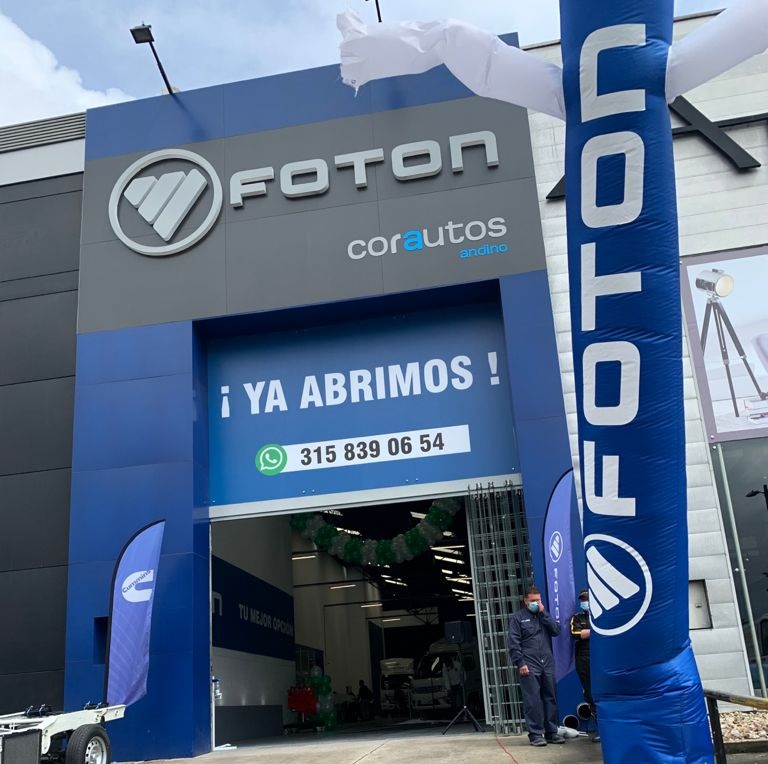
La referencia preferida por las empresas el año pasado fue el 1030TM, en el segmento de Mini Trucks, un vehículo perfecto para el transporte urbano; estos presentaron un crecimiento del 51% con respecto al 2020, logrando un 38.5% de market share, lo que ubica a FOTON Corautos Andino como la marca más vendida de la categoría.

Adicionalmente, en el segmento de los livianos las referencias FHR 2.9 XL y FRR-S CUMMINS 6.8 TON se ubicaron como las más vendidas de la marca.

Otros segmentos importantes para la marca que se dinamizaron a lo largo del año fueron el renting de camiones y la venta de maquinaria amarilla. El primero se sigue consolidando en la compañía, con 78 unidades vendidas bajo el modelo de renting propio y 240 a través de alianzas con grandes empresas como Renting Bancolombia.

En cuanto a maquinaria amarilla, la marca Lovol, con respaldo de FOTON Corautos Andino en Colombia, tuvo su mejor año en el 2021, logrando vender alrededor de 80 unidades y ratificando su presencia en el país con participación en eventos como Expoconstrucción 2021 y Feria País Minero.

En definitiva, FOTON Corautos Andino cerró el año con resultados positivos y grandes aliados como Coordinadora, Huevos Kikes, Nutresa y Natipan, quienes utilizan actualmente alrededor de 350 vehículos de la marca para la distribución de sus productos.
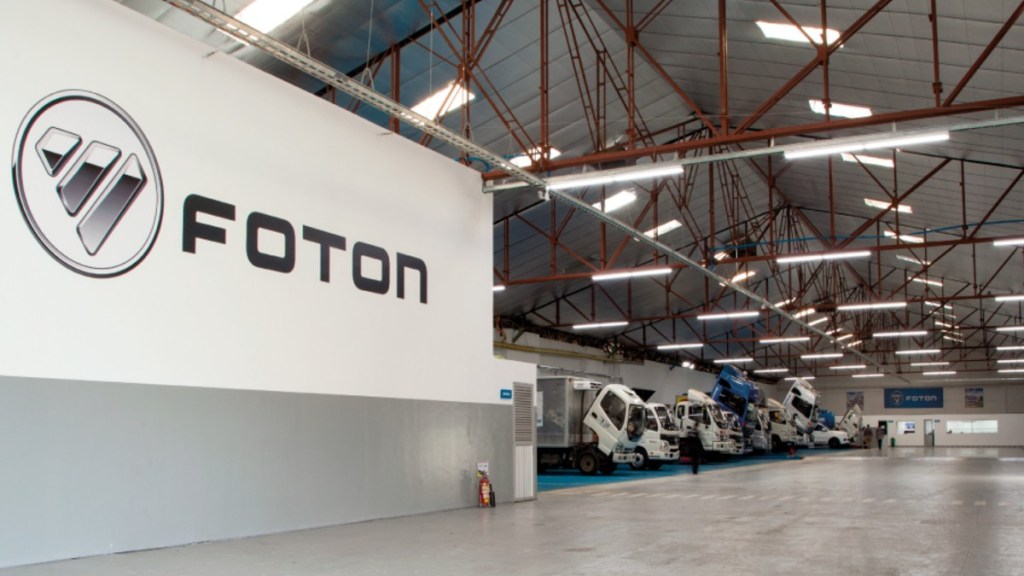
Expectativas 2022

A pesar de los eventos políticos y económicos que se vislumbran en el panorama del 2022, las perspectivas respecto al mercado de camiones en Colombia son positivas. En este sentido, FOTON Corautos Andino cuenta con suministro de inventario suficiente para continuar creciendo y atendiendo las necesidades de sus clientes con productos que son enlace y puente para otras industrias.

Asimismo, para este año la empresa tiene como objetivo seguir afianzándose como la mejor opción en vehículos de carga para los clientes, con un crecimiento del 10% en ventas y un incremento en la presencia de la marca en diferentes zonas del país, con nuevos distribuidores y centros de servicio autorizado (CSA). Todo lo anterior busca que FOTON sea la marca de camiones más vendida de Colombia en 2025.
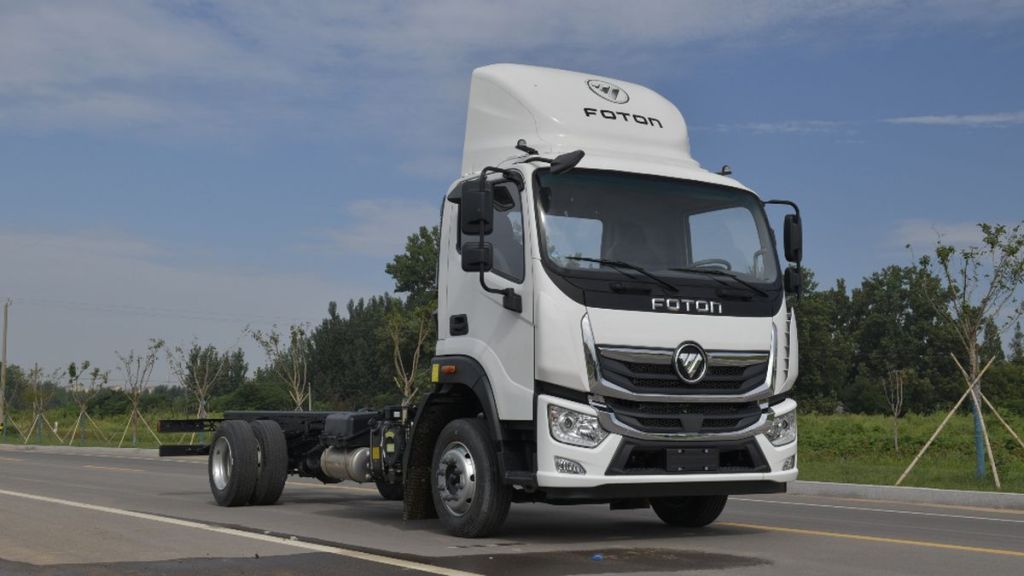
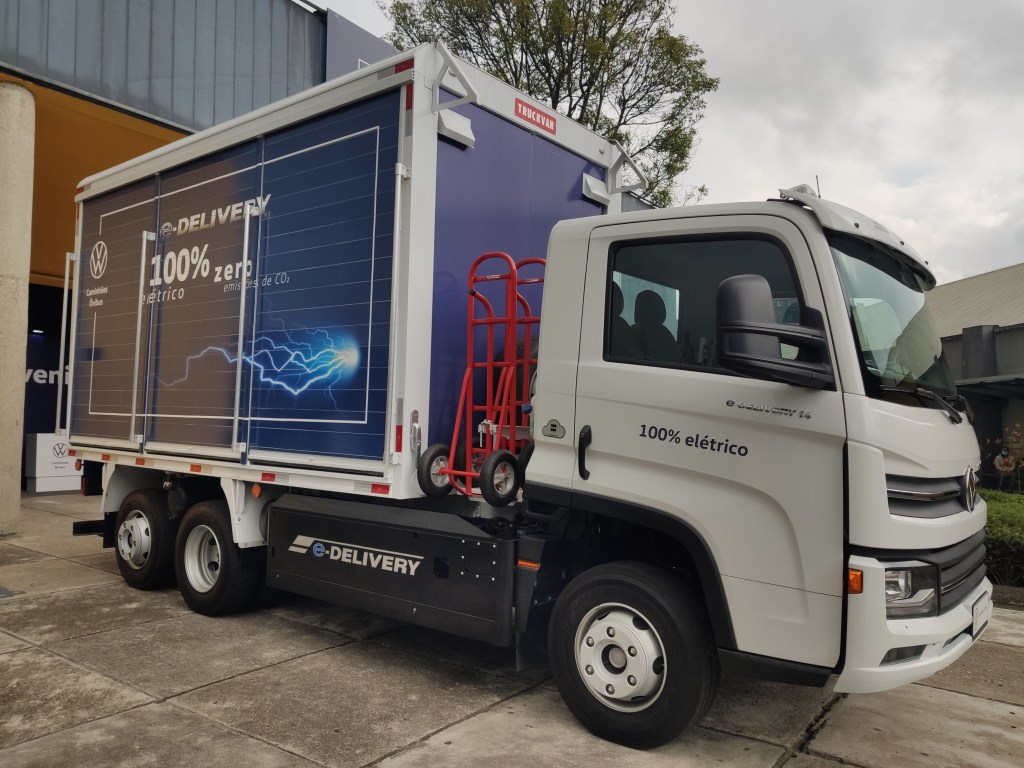
Para este año, FOTON Corautos Andino prevé lanzar su línea de camiones eléctricos, que ha pasado, durante los últimos dos años, por exhaustivas pruebas en la geografía colombiana, con la finalidad de garantizar a los clientes un producto propio a la demanda y buscando contribuir como empresa al reto de la sostenibilidad y reducción de la huella ambiental.

Asimismo, la empresa quiere afianzar durante este año su plan de CLIENTES VIP, el cual busca fidelizar aquellos clientes que han depositado mayor confianza en la marca, con un departamento de flotas especializado en brindar atención personalizada 24/7, con descuentos especiales en compra de vehículos y con servicio de mantenimiento y repuestos, que buscan dar valor agregado a quienes eligieron a FOTON Corautos Andino, como el aliado de sus negocios.

LAS TENDENCIAS EN SEGURIDAD Y SOSTENIBILIDAD VIAL PARA TENER EN LA MIRA EN 2022

LAS PREDICCIONES DE GEOTAB PARA 2022

Redacción Colombiabus – Geotab Latam / EDM Comunicaciones

Desde el inicio de la pandemia mundial, las preferencias de movilidad y el comportamiento de las personas han cambiado inevitablemente los hábitos de consumo. De hecho, según estimaciones de Statista Digital Market Outlook, el comercio electrónico en América Latina y el Caribe alcanzaría ventas de 80.500 millones de dólares en 2021 y se proyecta que para 2025, la cifra supere los 105.500 millones de dólares.

A nivel local, el comportamiento del consumidor refleja el mismo cambio. Según datos de la Cámara Colombiana de Comercio Electrónico, las ventas totales en línea para el tercer trimestre de 2021 presentaron un incremento de 31,7% en comparación con el tercer trimestre de 2020, resultando en un aumento de 79,6% en relación con el mismo periodo de 2019. Estos datos destacan el papel significativo y creciente de la industria logística de última milla, así como los desafíos potenciales que el sector de la movilidad puede tener que enfrentar este año.

Si bien este cambio se hizo más evidente a finales del año pasado, hay muchas otras tendencias en la industria del transporte que ocuparán los titulares en 2022. Geotab, empresa líder en movilidad conectada y telemática, entrega sus predicciones de la industria para 2022 y señala los desafíos que enfrenta el transporte para ser eficiente y sustentable, como lo exigen los nuevos tiempos.

Flotas más seguras y protegidas

La seguridad es, sin duda, una de las principales prioridades para las empresas. Según el balance de siniestralidad vial 2021, emitido por el Observatorio Nacional de Seguridad Vial, Colombia cerró el año pasado con 7.270 personas fallecidas en accidentes viales.

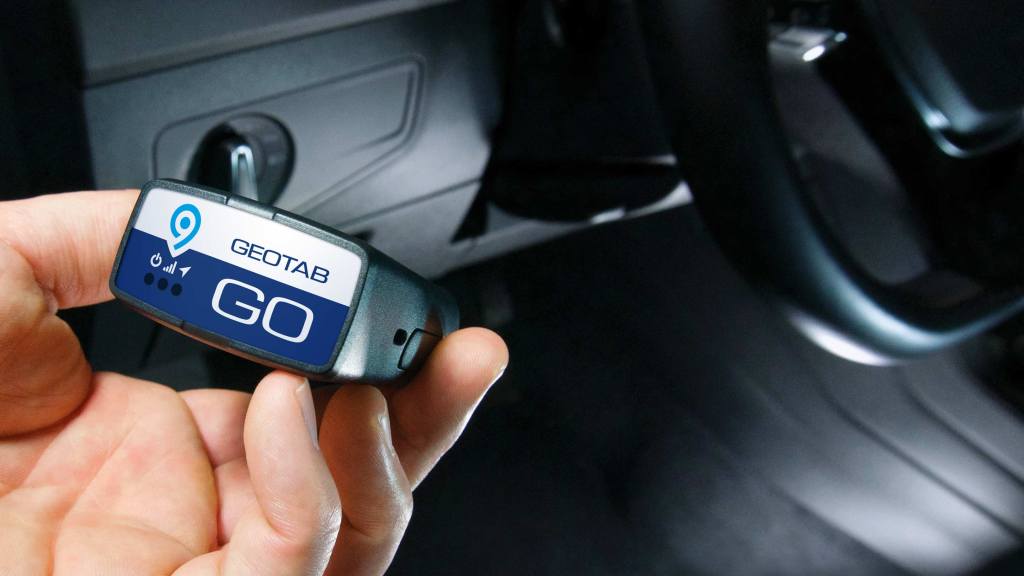
La telemática permite a los administradores de flotas identificar los hábitos de riesgo de sus conductores, como la aceleración o el frenado repentinos o la conducción distraída, que sigue siendo una de las principales causas de la mayoría de las muertes en la carretera. Al proporcionar a los administradores de flotas y conductores información sobre el riesgo potencial de estos comportamientos en tiempo real, las empresas pueden proporcionar planes de capacitación oportunos y personalizados para los conductores y corregir estos comportamientos riesgosos tan pronto como ocurran.

Por otro lado, las empresas en América Latina con frecuencia enfrentan el riesgo de que su vehículo o la carga que transportan sean hurtados. En caso de robo de vehículos, activos y/o carga, la telemática se puede utilizar para facilitar la recuperación del vehículo y permitir que el conductor notifique a su equipo de cualquier emergencia, lo que permite a los conductores tener la tranquilidad de que tanto ellos como su vehículo están protegidos contra esta problemática.

Cero emisiones como objetivo a perseguir

El Ministerio de Transporte de Colombia destacó que, en los últimos tres años, el país ha logrado avances históricos en movilidad sostenible, posicionándose como uno de los líderes en electromovilidad en la región. Según la entidad, para el 2022 Bogotá se convertirá en la ciudad con la flota eléctrica más grande de América Latina, ya que su Sistema Integrado de Transporte Público – SITP contará con 1.485 buses de este tipo.

Ante este escenario, los expertos de Geotab destacan la importancia de la educación y el apoyo al adoptar vehículos eléctricos en su flota para garantizar una transición sin problemas.

La tecnología telemática puede ayudar a las empresas a identificar fácilmente los objetivos y necesidades únicos de cada flota e identificar qué modelos de vehículos eléctricos o soluciones de sostenibilidad son los más adecuados. La transición a la electrificación de flotas puede parecer desalentadora, pero con las herramientas y conocimientos adecuados, las empresas pueden tomar mejores decisiones para garantizar que su inversión sea altamente rentable y no afecte su productividad.

El panel Green Fleet, de Geotab, está ayudando a empresas de todos los tamaños a cumplir con éxito los objetivos de sostenibilidad de su flota. Esta solución permite a los usuarios obtener información de datos enriquecida sobre la flota, como el consumo de combustible y energía de cada vehículo, sus emisiones y otras métricas de monitoreo para iniciativas ecológicas que garanticen el éxito de sus acciones de sostenibilidad.

Mayor eficiencia en la logística de última milla

En los últimos años, la demanda de flotas de entrega de última milla ha aumentado significativamente. En un momento en que el comercio electrónico está ganando terreno a pasos agigantados, la tecnología telemática juega un papel importante para garantizar que la carga llegue a su destino en condiciones óptimas y a tiempo. Geotab ofrece una variedad de soluciones y herramientas de terceros que se pueden utilizar para ayudar a los administradores de flotas a optimizar sus rutas, ahorrando tiempo y combustible para la empresa.

A través de la optimización de rutas, los conductores pueden no solo ahorrar costos para la empresa, sino también reducir las emisiones de carbono de sus vehículos.

La inteligencia artificial como clave para el desarrollo del sector del transporte

El gobierno nacional continúa avanzando en la habilitación del espectro para 5G en Colombia. Esta implementación abrirá las puertas a múltiples posibilidades, como ampliar y desarrollar la Inteligencia Artificial (IA) y analizar grandes volúmenes de datos en tiempo real. Este mayor conocimiento de los datos será muy útil en el sector del transporte, ya que permitirá utilizar información más rápidamente con el fin de identificar fácilmente el estado de las carreteras, detectando retrasos relacionados con el clima, accidentes u otras variables que puedan interrumpir la productividad y la eficiencia de las flotas.

Los datos obtenidos ayudarán a los administradores de flotas a tomar decisiones más informadas para responder activamente a incidentes sin precedentes, garantizando que la productividad de su flota no se vea obstaculizada.

Con el fin de mantenerse a la vanguardia de las próximas tendencias de este año, se ha demostrado que la tecnología de vehículos conectados ayuda a las empresas de toda América Latina a alcanzar sus objetivos de productividad, seguridad y sostenibilidad.

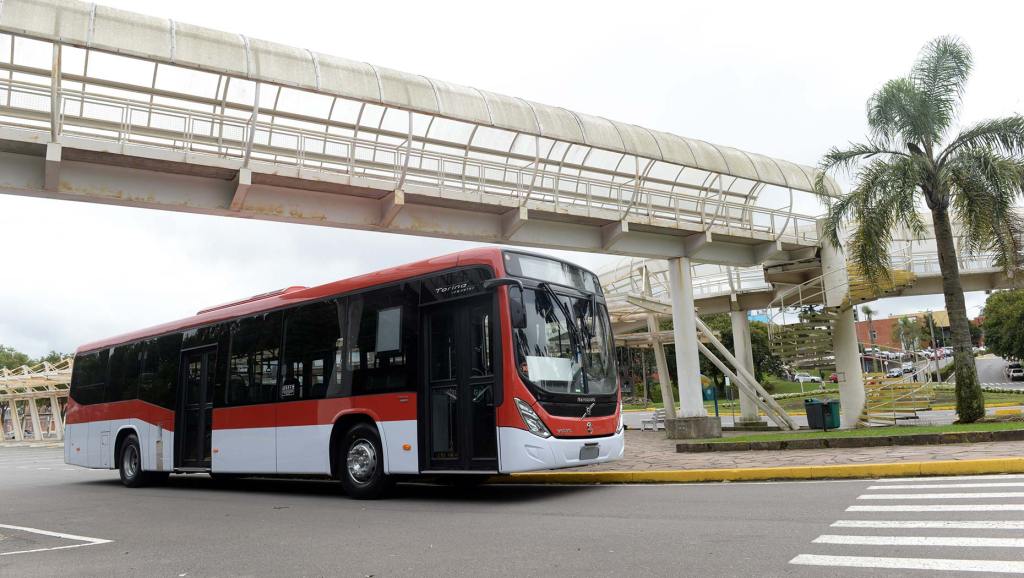
VOLVO BUSES WILL SUPPLY 564 NEW EURO 6 BUSES FOR THE RED SYSTEM IN SANTIAGO DE CHILE

THERE WILL BE 472 PATTERNS AND 92 ARTICULATED B8R EURO 6

Latinobus newsroom – Volvo Group

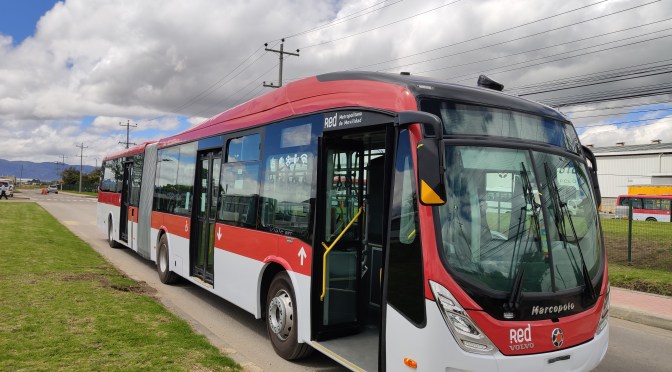
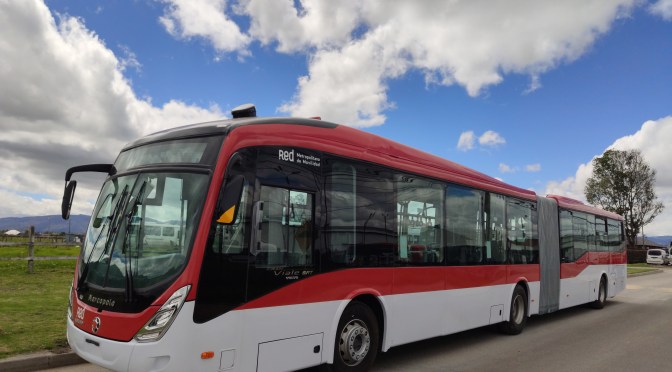
In the most important urban bus tender in Latin America in 2021/2022, Volvo will once again be one of the main vehicle suppliers for the Chilean capital. A few days ago, the Comptroller General of the Country awarded the concession for the use of the roads of the six service units of the capital. As adopted in Bogotá, for the Transmilenio system tenders that have been held since 2018, the fleet provider component has been separated from the fleet operator. This has been one of the main changes adopted by the Metropolitan Mobility Network, as the Santiago bus system is called.

The Volvo vehicles will be operated by RedBus, one of the concessionaires that already make up the Metropolitan Mobility Network, and by Metropol, a traditional Argentine operator that is making international inroads into this process in Chile. “We have a long experience in Santiago, with participation from the beginning of the city system. For years, Volvo buses have contributed to improving urban mobility in the Chilean capital, offering comfort and safety to passengers”, says Fabiano Todeschini, President of Volvo Buses Latin America.

With the separation of the two key components of the tender, to ensure financial closure and investment commitments, the companies that own the buses, called “Fleet Providers” (Capex) and the companies that will operate the vehicles, called “Operators” remain of Fleet” (Opex). The first group guarantees the supply of the buses, while the second is dedicated to the daily start-up of the vehicles, including their maintenance. The Volvo buses will be owned by Volvo Financial Services, the Group’s financial division, which will receive monthly amounts to make the vehicles available to the operating companies.

“This operating model is a pioneer in the continent. We are prepared to evaluate this concept also for the other cities in our region, always in partnership with Volvo Buses”, assures Carlos Ribeiro, president of Volvo Financial Services in South America. The new parameters require mechanisms that raise the quality of the new system design. “The contracts establish permanent certification of the maintenance of the buses throughout their lives. The objective is to guarantee the maximum availability of the vehicles, with safety for the passengers”, points out Alexandre Selski, Director of Strategic Sales at Volvo.

Training of drivers and maintenance personnel is also required, as well as telemetry systems for online bus management and operation. State-of-the-art bus The 92 articulated units are of the articulated Volvo B8R model, with the same specifications as the 200 units delivered by the brand to Santiago, which were bodied in Colombia by Superpolo.

It is a chassis with a low entry, capacity for 180 passengers and a 7.7-liter rear engine, while the remaining 472 buses are also low-entry Volvo B8Rs, but in the conventional monocoup configuration (standard), for 78 or 95 passengers, depending on the internal configuration.

Volvo chassis will be produced at the brand’s factories in Curitiba (Brazil) and Borås (Sweden); while the bodies will be The bodies of the RedBus operator will be supplied by Marcopolo, produced in Caxias do Sul (RS) and the bodies of the Metropol operator will be supplied by Caio, produced in Botucatu (SP).

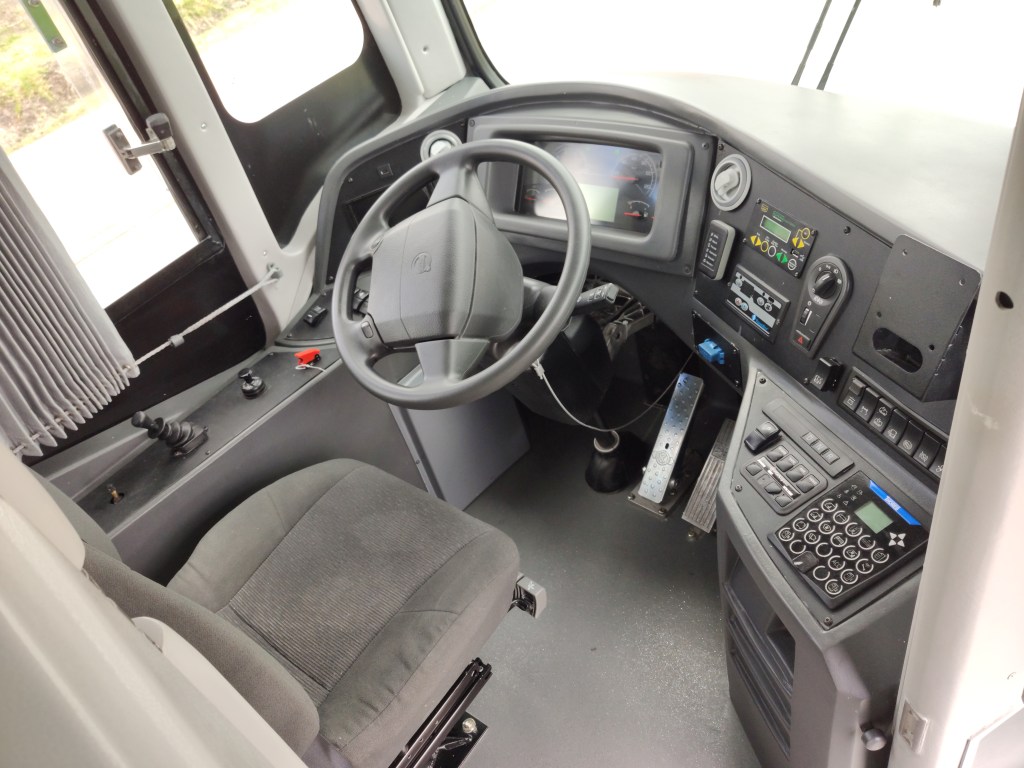
The Volvo B8Rs have the Euro 6 Volvo D8K diesel engine, six cylinders in line with a power of 320 hp and a torque of 1,200 Nm. from 1,050 to 1,600 rpm, complemented by a Voith D864.6 automatic transmission with integrated retarder from the Diwa family. The brakes are Volvo EBS5 electronically controlled disc brakes, ABS system, combined braking with retarder, hill start assist, brake assist, and hydraulic retarder integrated into the transmission.

The Red bus system serves around 6.2 million users in the 32 municipalities of the Metropolitan Region, plus Puente Alto and San Bernardo, a geographic and urban area of ​​around 680 square kilometers. On a business day, around three million transactions are carried out on more than two thousand buses in the system.

SCANIA MEXICO SOLD 740 UNITS IN 2021 AND EXPECTS TO BREAK RECORDS IN 2022

SEEKING LEADERSHIP IN BUSES AND GROWING IN TRUCKS

Colombiabus newsroom – Scania México

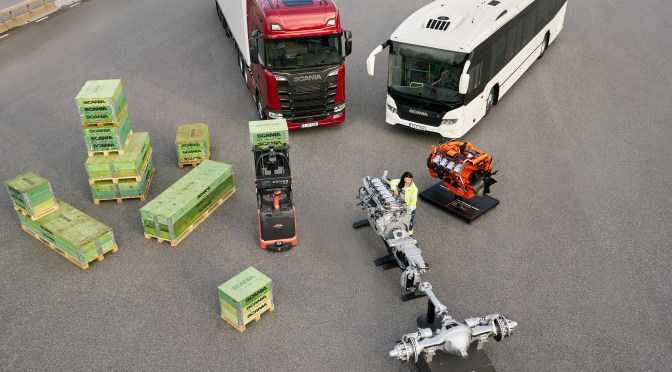
2021 was not easy for the transport, cargo and logistics sectors due to the ravages of the pandemic, supply chain and the semiconductor crisis, causing entire plants to stop production, a global problem for which no one was prepared. For Scania Mexico it was no exception, however, the Swedish brand in Mexico came out ahead and managed to close the year with 740 units sold between buses and cargo trucks, in addition to already venturing into the motor segment. The foregoing defines the impact that the brand has managed to position over more than 25 years of history in Mexico.

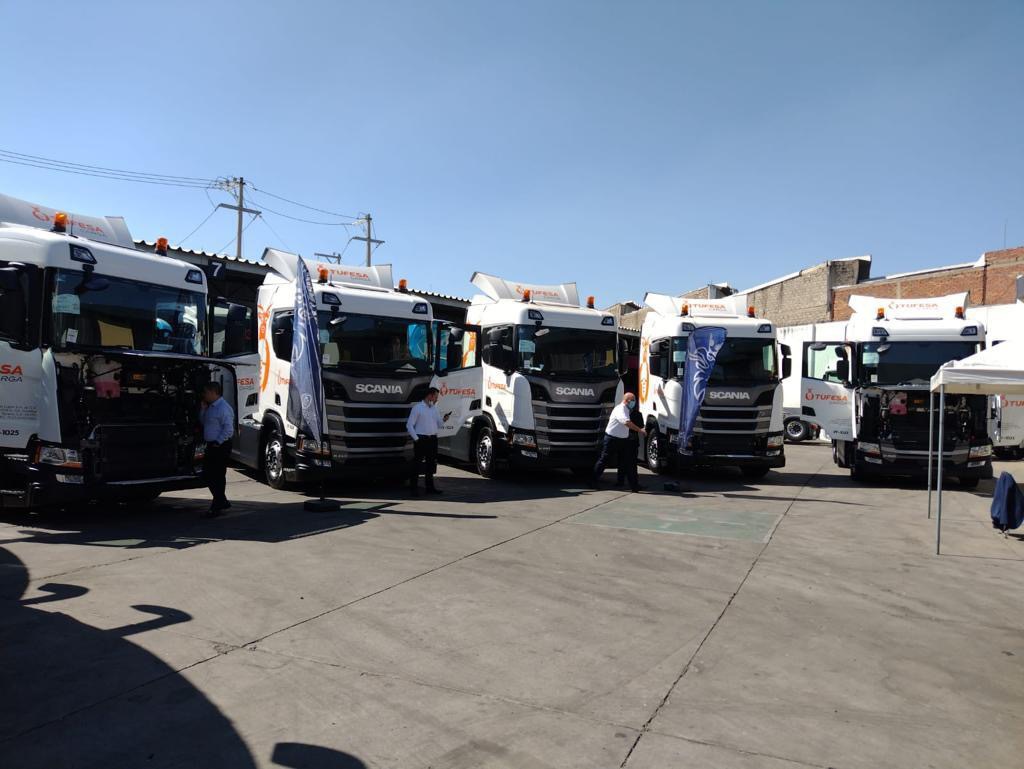
For the cargo segment it was a record year, it gained market share and doubled sales in 2020, closing with a total of 567 vehicles, of which 527 were tractor trailers and 40 were class 8 rigids. This placed Scania in fourth place after national level in trucks according to data from the ANPACT (National Association of Producers of Buses, Trucks and Trucks) and INEGI.

“It is an achievement for us to reach these figures in Mexico, without a doubt it has been the best period in the history of the brand in Mexico in terms of trucks and tractors that we started four years ago, despite all the problems that occurred during the year, we went from selling 276 trucks in 2020 and grew 105.4% compared to that year, having a market share of 2.85%. We still need to grow more and we are on the right path, our customers recognize the brand for the differentials that we have presented in the sector and we are doing our job in a very important market for Scania”, commented Mauricio de Alba, Director of Sales and Scania Trucks aftermarket.

It is important to mention that, thanks to the trust of customers in the segment, all the stock that was available for sale in 2022 is already assigned to various customers. During this year, orders will be received for 2023, where the objective will be to place 3,000 trucks in the Mexican market.

In the bus and passenger transport segment, Scania continues to be a leading brand and an improvement in demand was noted compared to 2020. 173 units were sold during 2021, with 154 foreign units sold and 19 urban units. “In the bus and passenger transport segment, we had a notable improvement, although we are not yet at pre-pandemic levels, we have to continue working along the same lines, the only way to grow is to continue doing the good work we have been doing. during all these years: demonstrating the value of our sustainable products, innovating and offering comprehensive solutions in each of the services” said Jorge Navarro Inostroza, Sales and After Sales Director of Scania Buses.

Similarly, the numbers for the engine segment have been of great value to Scania, proof of this were the 31 power generation engines placed in the Mexican market throughout the year and 64 more that are already ordered by 2022. “We want Scania quality to be in each of the products and services we offer and engines could not be the exception, we have started knocking on doors and customers have responded quite well, so the outlook for our engines looks promising”, commented Raúl Rodriguez, Director of Power Solutions.

One of the strengths of the Swedish brand is in after-sales and the “Customer Workshop Services” (CWS) which consists of taking the Scania workshop to the customer’s facilities to provide support and maintenance to the vehicles, so the brand takes care of the vehicle and the customer of your business. Currently, there are 49 points covering the entire Mexican Republic, with 70% of the fleet (between buses and trucks) with a direct maintenance policy from Scania, so the brand’s offer is completely comprehensive.

The start of operations of the brand’s finance company was vital during 2021 since it supported 70% of commercial operations, a differential that has enabled important businesses to be enabled and which means total brand confidence with its own products.

Scania currently has 5,743 vehicles connected with Scania Communicator, a brand-specific tool that offers the customer all the information on the units by Scania’s team of professionals; As part of its Driver Coaching program, with more than 1,000 subscriptions focused on driver support, the brand provides personalized attention to learn in detail the driving habits of each vehicle and each operator, as well as support maintenance management and the location of them, focused on a safer, more sustainable and profitable operation, one more example of Scania’s commitment to each of its customers, to have more durable and efficient fleets.

Among the most relevant news for the brand in 2021 was the announcement of the launch of the electric truck by the CEO and President of Scania Mexico, Alejandro Mondragón, within the framework of the XXI National Forum for the Transport of Goods by the ANTP ( National Association of Private Transport). There it was mentioned that in 2022, the best electric truck in the world will arrive in Mexican territory.

Likewise, in the bus segment, the arrival of the first electric bus for the Swedish brand in the country was announced, with October 2021 being the month in which pilot tests began on the electric platform with which this urban bus will be manufactured in Mexico hand in hand with Beccar for this 2022. Additionally, one of the most anticipated moments for the brand that will undoubtedly set a precedent will be the presentation of the new generation of chassis, which will have great benefits for its customers and for the environment.

The brand is firm in its commitment, willing to continue innovating to grow, having financing schemes for each of its clients and consolidating new technologies hand in hand with sustainable products of the best quality. In this 2022, the focus of the brand will be on the after-sales offer and innovation in the development of service and connectivity solutions.

BAE SYSTEMS BEGINS TO OFFER HYBRID ELECTRIC PROPULSION SYSTEMS IN SOUTH AMERICA

Latinobus newsroom – Secco Comunicaciones

BAE Systems, one of the world’s leading companies in electric and hybrid solutions for buses, ships, heavy trucks and military vehicles, which operates in more than 40 countries, will now offer its products and propulsion technologies to countries in South America.

With a strong presence in Europe, North America and Asia, the company has been present in South America for several years, providing systems for the Armed Forces of different countries. Now, it will also offer innovative electric transport solutions and has experience in energy management and efficient propulsion, with high-performance and sustainable electric solutions.

These solutions will be provided by the Power Propulsion Systems unit, with alliances and supply of electric and hybrid propulsion systems for national manufacturers. The objective is to have as partners automobile manufacturers, commercial vehicle chassis manufacturers and bus body manufacturers who wish to offer electric and hybrid buses in their countries, with a line of propulsion products that can serve the market, with a wide range of solutions for trucks. and buses.

“Mexico is one of the countries that we are actively looking at in Latin America, both because we believe there will eventually be a significant market for low and zero emission buses and because there is a significant automotive industry (so many people we could work with). I would also add that the favorable trade agreements between the United States and Mexico are obviously something that we would look to take advantage of. We are currently speaking with a vehicle manufacturer in Mexico and will contact others shortly, but it is too early for me to share who they are,” said Ian Wilson, head of the Power Propulsion Systems unit.

Today, more than 14,000 BAE Systems hybrid electric systems are already in operation around the world, saving fuel and CO2 emissions and reducing maintenance for public transport operators. The company offers a variety of electrification options, from accessories for electric vehicles to zero-emission propulsion through batteries and hydrogen fuel cells for buses, trucks and boats, according to the needs of each region and business.

COMPTROLLER OFFICE OF CHILE VALIDATES BIDDING FOR NEW ROUTE OF THE RED SYSTEM IN SANTIAGO

DOOR OPENS TO ADD 1,637 NEW BUSES

Colombiabus newsroom – William Marroquín / DTP Metropolitano

In December 2020, a bidding process had begun to incorporate 1,637 new buses for the Red de Santiago de Chile system. 16 proposals were received and in October 2021, the country’s Ministry of Transportation prepared the award act for the Comptroller General of the Republic to give its validation.

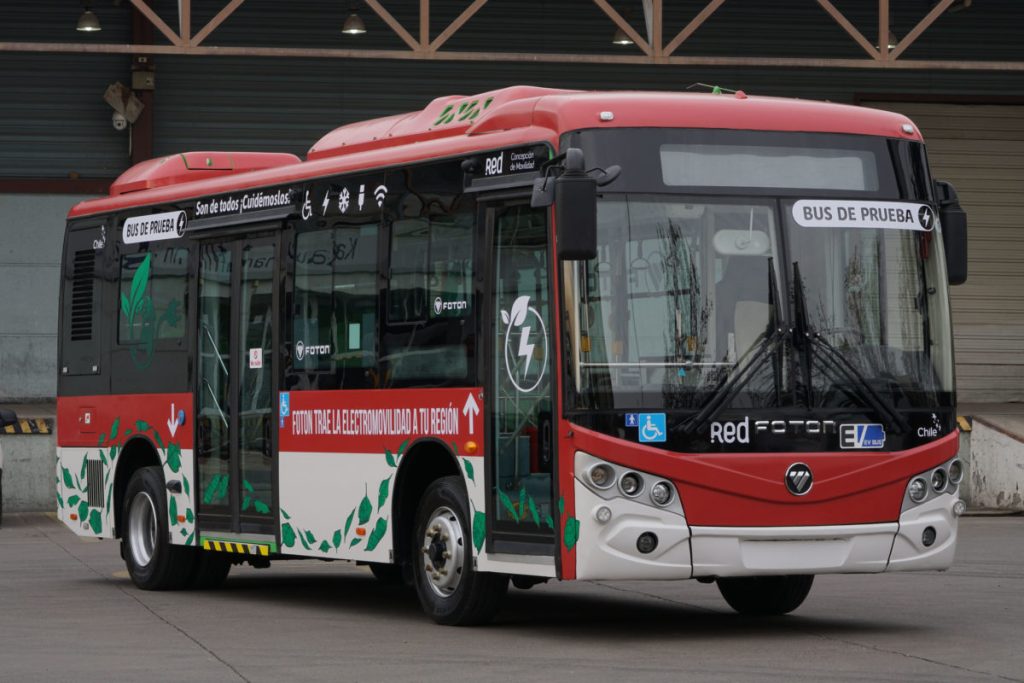
This approval from the Comptroller’s Office, key to consolidating the new public transport model in the Chilean capital, took place on February 7. With this, the regulatory entity accepts the award that tenders the concession in the use of roads, which will allow adding new services and incorporating 1,637 new Red standard buses, of which 991 will be electric.

100 Full electrical bus delivered to Chile

Thus, the company Metropol, the main operator in Buenos Aires, will enter the system as a new actor with the award of two units (U1 and U2) and the operation of 49 services. Meanwhile, Redbus was awarded two units (U4 and U6), with 50 services. For its part, STP will handle the management of units U3 and U5, with 54 services.

Among the main attributes provided by this tender, which contemplates new requirements and more tools to guarantee a better service, the reduction in the size of the service units stands out, which, on average, will have 400 buses. This will reduce the risks of interruption of transport services, in the event that a company presents operational problems.

It also has shorter-term operating contracts, which will fluctuate between five and seven years (depending on the percentage of electric buses in the fleet), extendable for up to five more years if certain quality standards established in the contract are met. The new public transport design for Santiago contemplates 153 additional services, which represents 29% of the total system.

The standard of the new vehicles includes free Wi-Fi, USB ports to charge electronic devices on the road, air conditioning, and demands are raised in the interior and exterior design of the bus. Specific safety conditions are established for the driver, such as the requirement of a safety cabin, and padded seats, internal and external security cameras on board the bus, object proximity detection systems to avoid being knocked over and collided, internal screens to display trip information, and driving quality systems.

  • The payment mechanism for operators is modified to safeguard the transport offer established through the Operation Program.
  • Greater power is given to the authority in the definition of the Operation Programs to be able to think about transportation at the city level.
  • A direct penalty related to non-stopping at stop is established: if an expedition has a justified claim of non-stopping, that expedition is not paid. Failure to stop at stops is one of the most frequent claims by users.
  • Performance indicators are redefined to increase the demand on Operators. Discounts are contemplated for Operators for poor service, and prizes when the scheduled operation is fulfilled in an outstanding manner.
  • Mechanisms for a quality of service are incorporated: Repeated discounts were implemented for a bad operation, fines, reassignment of services or expiration of the contract. Thus, the Operator has a permanent improvement incentive.
  • The new contracts establish road safety certifications, gender equality, reconciliation of work, family and personal life, and the certification of at least 60% of workers, by the fifth year, in occupational profiles according to ChileValora.
  • It is required to have a minimum percentage of 7.5% of women in the operation and maintenance staff, which must be met within a maximum period of 2 years.
  • A compensation provision fund is created to ensure payment of compensation to workers in cases of insolvency.
  • Revisions associated with the changes experienced by the Operator’s demand are eliminated, being the concessionaire’s responsibility to implement the quality of service mechanisms and control of the payment of the rate, in accordance with its legal powers. In this sense, a direct economic incentive is incorporated for the reduction of evasion that is the product of the Operator’s efforts.
  • To avoid risks for the user, the new contract does not consider the payment for services with buses without maintenance certification.
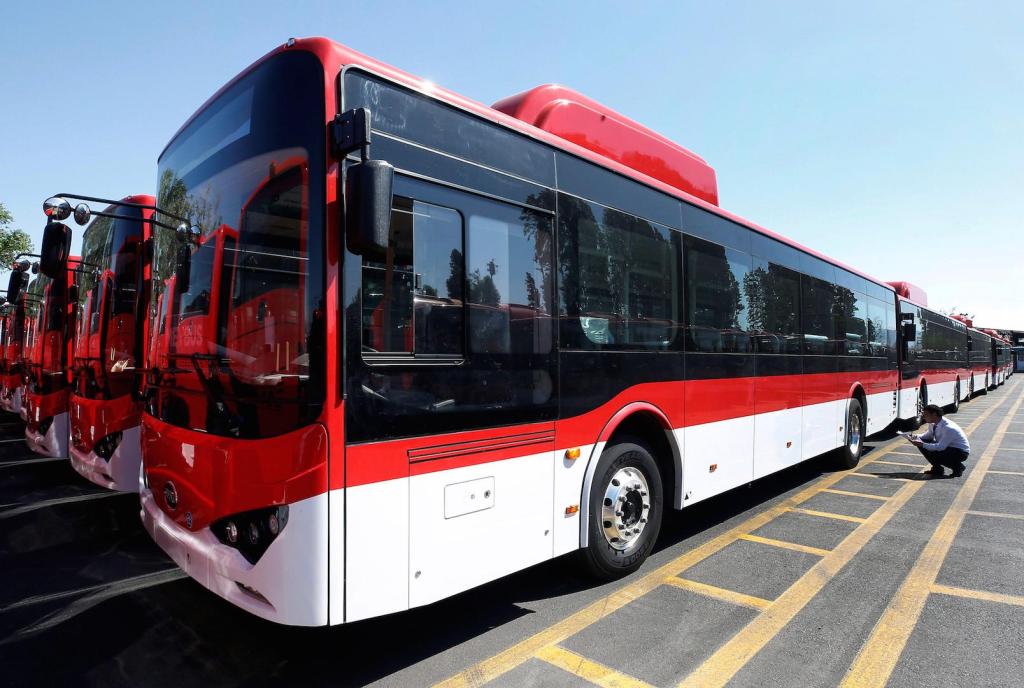
2CND91T The new fleet of electric buses for public transport, manufactured by China’s BYD, are parked in a bus terminal in Santiago, Chile November 28, 2018. Picture taken November 28, 2018. REUTERS/Rodrigo Garrido

When the 991 electric buses arrive, at the end of 2022, Santiago will be the city with the largest number of vehicles of this technology in Latin America, recovering the place that it will momentarily lose, at the hands of Bogotá, which will soon have 1,485 zero-emission buses in the Transmilenio system.