Tag Archives: Busworld Argentina

FLIXBUS BEGINS OPERATIONS ON REGULAR ROUTES IN BRAZIL AS OF DECEMBER 1

ADAMANTINA WILL BE THE FIRST ALLY OF THE GERMAN GIANT

Colombiabus newsroom – FlixBus / William Marroquín

Since mid-2021, the intention of the German passenger transport giant FlixBus to enter the Brazilian market was announced, where the regulatory framework that would allow the operation was pending. Well, the time has come, and the company is getting ready to serve its first two routes, connecting São Paulo with Rio de Janeiro and with Belo Horizonte.

Unlike many European cities, where there are predetermined stops for boarding, considering that few has or have adapted terminals, in the Brazilian case the departures from São Paulo will be at the Tiete Terminal, with arrivals at both the central transport centers from Rio as Belo Horizonte.

To link São Paulo with Rio de Jainero, FlixBus, together with its ally Expresso Adamantina, will have eight frequencies, while to connect Belo Horizonte, four offices have been defined. The company’s website is now available for travelers to purchase tickets, and the first departure will be at 00:30 on December 1.

To quickly attract more travelers, tickets are being offered at a very special price and the first 1,000 who registered and redeemed a promotional code were able to purchase them for less than one real, equivalent to 18 cents. FlixBus’ initial operation will be focused on the Southeast of Brazil, so they hope to rapidly expand their radius of action with five additional routes, whose destinations are currently being kept in reserve.
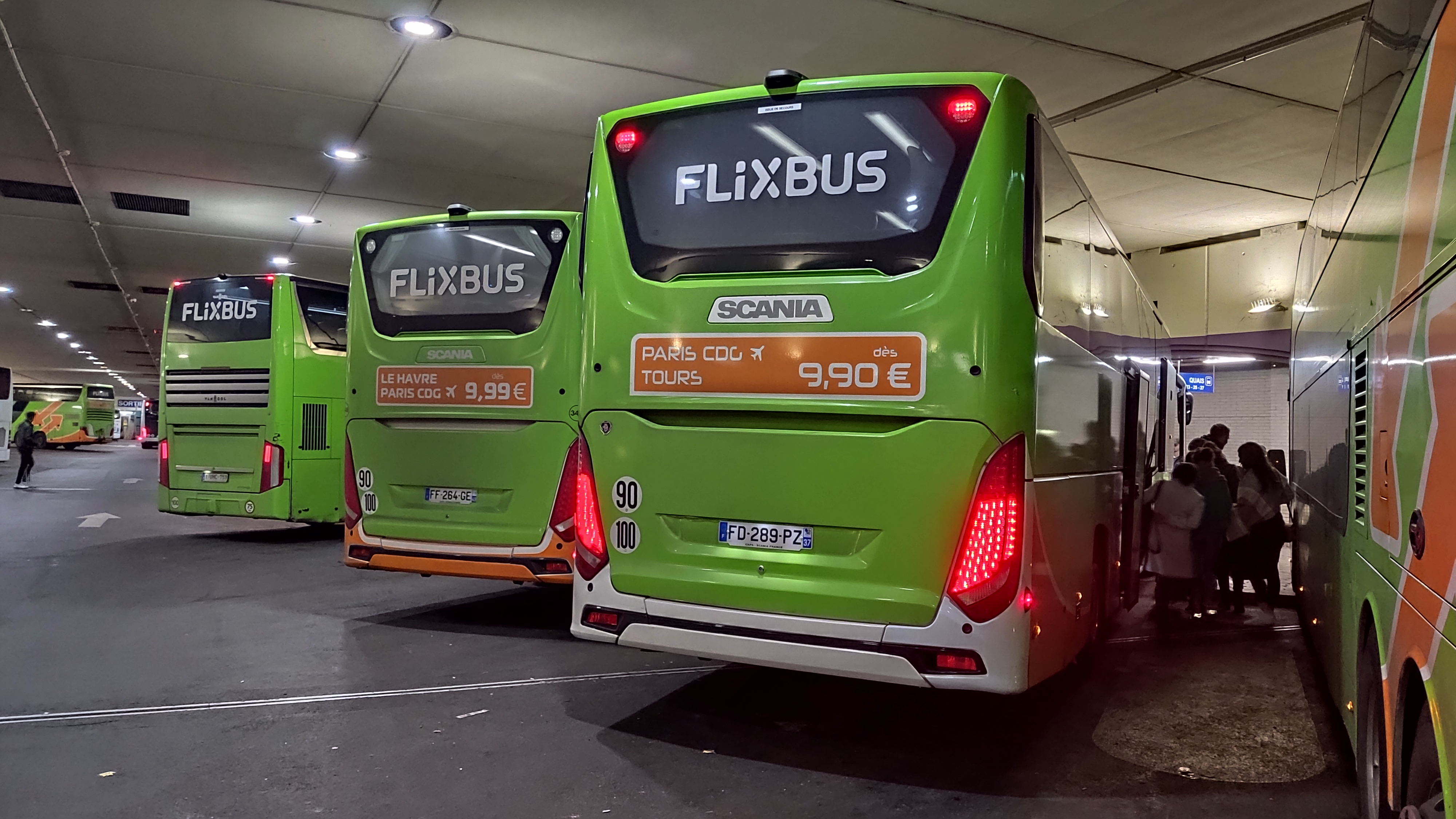
Although the lines will be operated by Adamantina, the company’s first local partner, the buses will have the FlixBus brand and will follow the company’s international standard, which includes services such as free Wi-Fi on board. Promotional prices will turn the market upside down, since a Rio de Janeiro – São Paulo ticket has a regular price of 49.90 reais ($9.03) and is being offered in this new scheme for 19.90; for its part, the route to Belo Horizonte is announced to be 33% cheaper.
THE VOLVO B380R BUS REMAINS STRONG IN PERU’S BUSINESS TRANSPORTATION

TRANSPORTATION LINE RECEIVES EIGHT NEW BUSES

Colombiabus newsroom – Volvo Group Perú / William Marroquín

Business transportation for mining activities has been one of the segments that has allowed Peruvian highway bus operators to resist the onslaught of this pandemic and keep them active. Large multinationals are in charge of the exploitation contracts, such as the Sociedad Minera Cerro Verde, which extracts copper and molybdenum in Arequipa with the highest safety standards.

For the main economic activities in Peru such as mining, construction and transport of personnel in general, there is a bus that has been positioning itself as one of the leaders in the preferences of companies, and it is the Volvo B380R. Engineered with the latest technology, where safety, fuel efficiency, comfort and reliability are paramount.

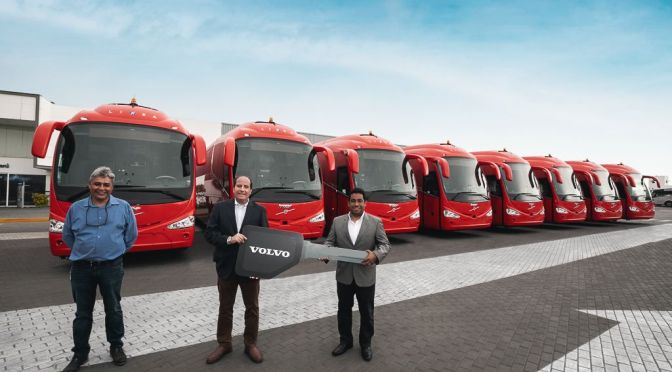
Transportes Línea, which is recognized for its paint scheme based on red and also for keeping the windows covered with micro-perforations that simulate red paint, is one of the main customers of the B380R, choosing it together with the Irizar i6S model, built in the Botucatu plant to mobilize staff.

Eight new units will arrive at the Cerro Verde operation with a chassis that stands out for being the lightest among its competitors, with great power for engine displacement, making it very economical in fuel consumption, delivering 380HP and complying with the Euro 5 emissions standard. Also, the delivery of torque is important, since the propeller reaches 1,785Nm, allowing capacity to recover and accelerate in any change.

An important novelty of these Volvo B380R is the DSS (Driver Support System) system that includes the devices of the active safety package such as adaptive cruise control, driver distraction alert, automatic emergency braking and warning of involuntary lane departure, so that, true to the values ​​of every Volvo bus, it stands out for the protection of the occupants, including the motorcyclist.

HIGER PRESENTS ITS FIRST AZURE LINE ELECTRIC BUS FOR LATIN AMERICA

TRIALS IN SAO PAULO WILL LAST 6 MONTHS

Colombiabus newsroom – Higer Latinamerica / William Marroquín

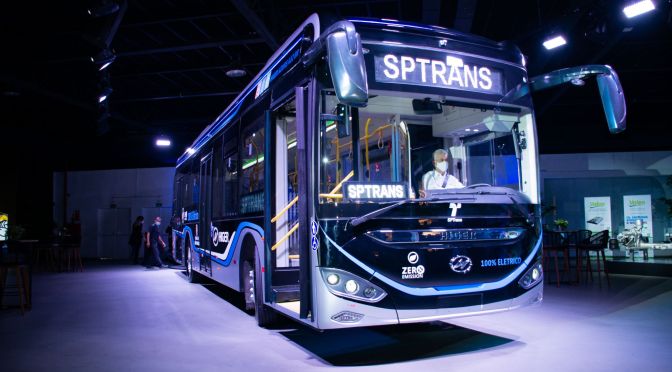
With about 23 million inhabitants, São Paulo is the tenth most populated city on the planet and the second in Latin America, where more than 6.5 million vehicles circulate daily, experiencing phenomenal traffic jams, which can reach several kilometers, causing commuting is a nightmare. They also generate great pressure to seek sustainable mobility solutions that contribute to a better quality of trips within cities.

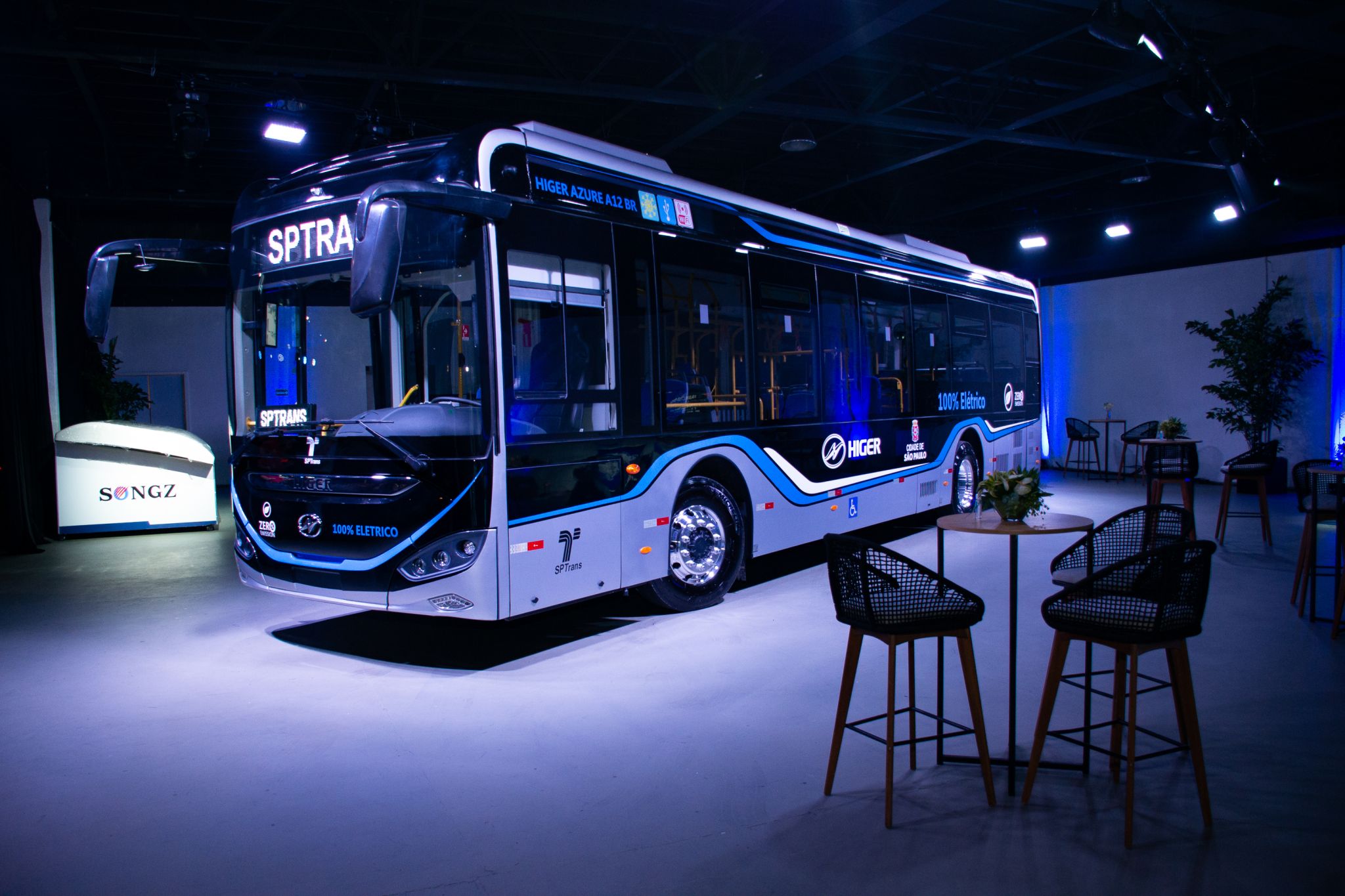
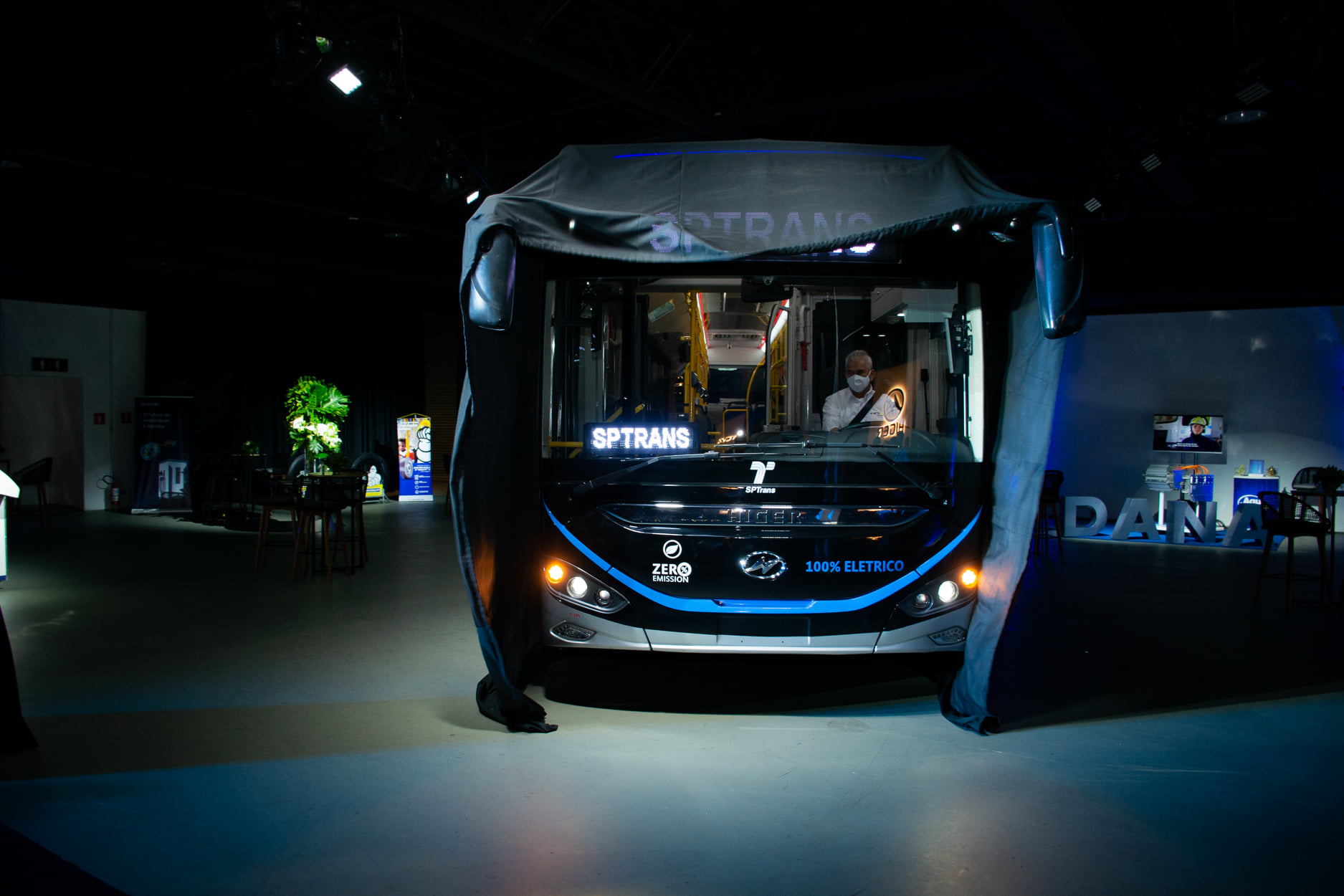
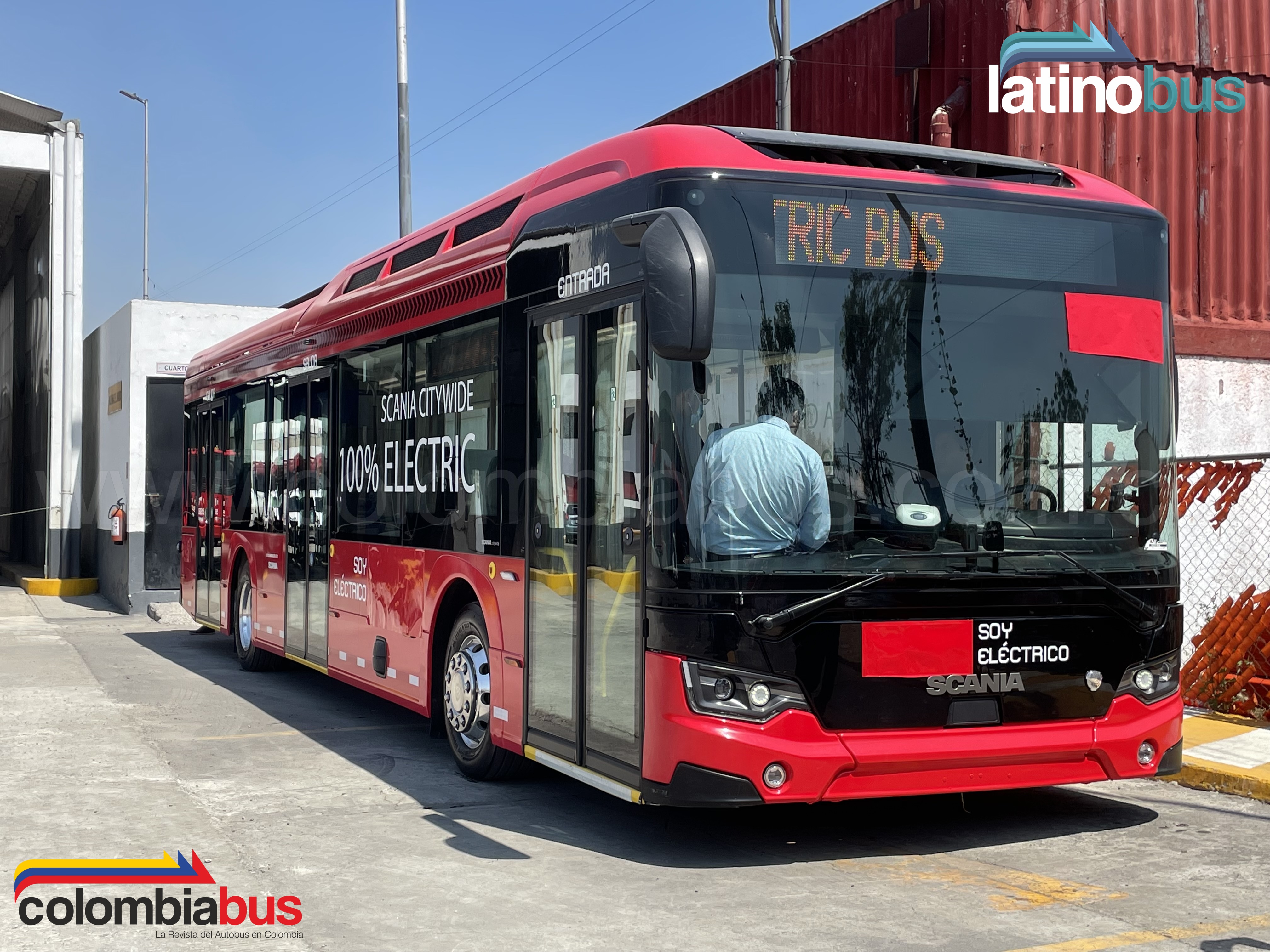
The city is also preparing for the electrification of its public transport, and they hope to take their first steps, that is why there is a commitment so that the great Brazilian metropolis will have at least 2,600 electric buses by 2024. This announcement by the Mayor of São Paulo, Ricardo Nunes, has accompanied the presentation for Latin America of the new Chinese Higer Azure A12 bus that will begin tests in the city.

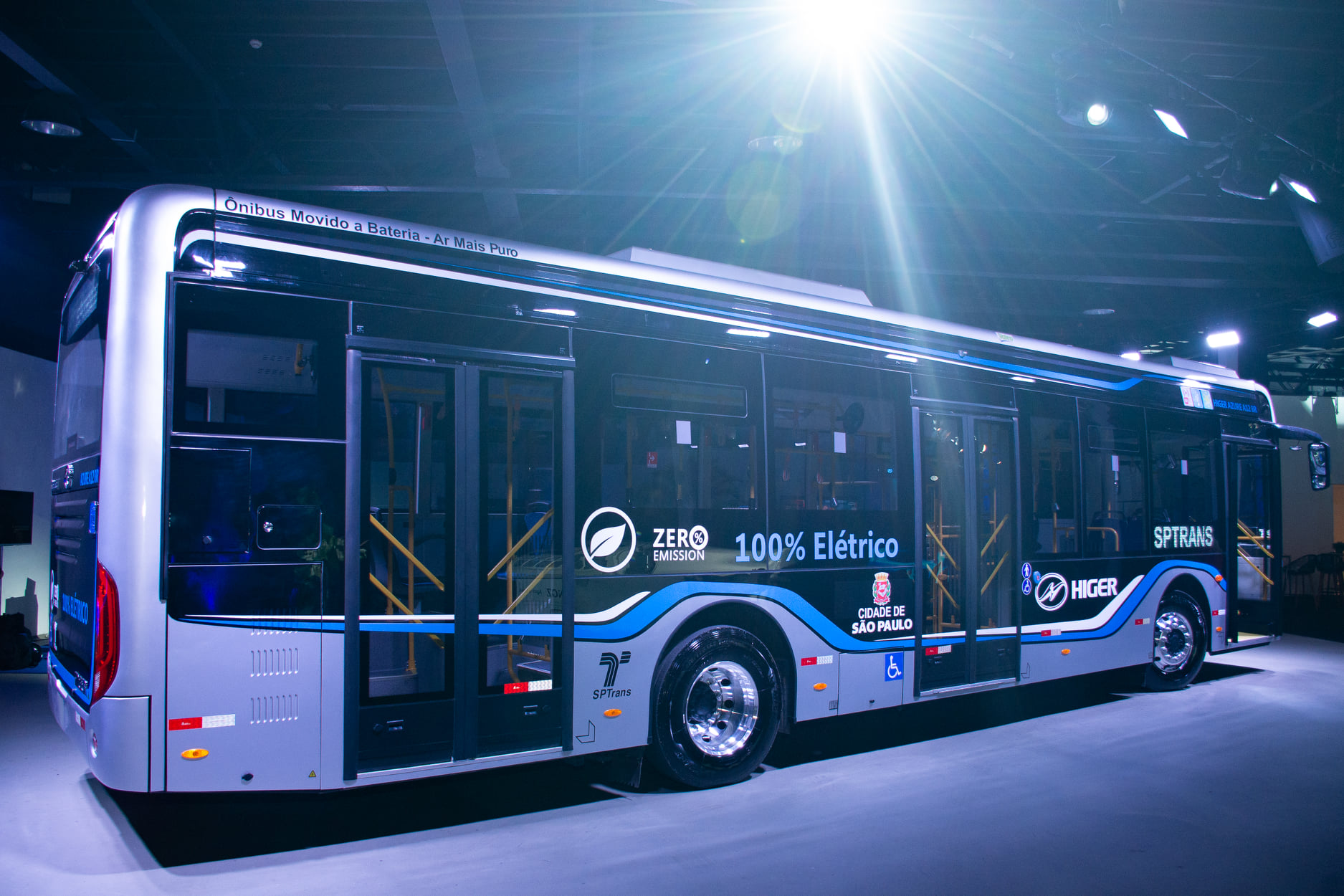
Although the bus has been built in China, it is prepared to receive contributions from suppliers in Brazil, it is 12.2 meters long and capable of moving 70 passengers with two access doors. With a common gross vehicle weight of 13,700Kg, it is slightly lighter than equivalent buses and can reach a range of up to 270Km, while the batteries can be recharged in a maximum of 3 hours.

A curious detail is that at least to start its commercial life, it is not expected to arrive as a chassis to be bodied locally, in fact it is expected that it may arrive in the next import quotas that are expected to be approved in Brazil. Despite its imported origin, Higer has entered into alliances with important brands located in the country, which are partners and suppliers of components for its manufacture: Valeo for air conditioning, ZF provides the axles, Dana the transmission, the address is of Bosch origin, TRW developed the suspension, Wabco took care of the brakes, Michelin with its wheels and Mobitec will be responsible for the electronic routers.

The bus will arrive in a PKD configuration in Brazil and the mechanical components of the aforementioned brands will be installed in the country, but Higer will be in charge of both the bodywork, batteries, powertrain and telematics systems.

“Higer’s great technology is managing power inverters and controllers, as well as batteries. We have a five-in-one package, with an improved center of gravity unlike other brands, with that we gain in weight and maintenance cost. Monoblock technology, which we are proposing in Brazil, is the most appropriate. That’s because the electric bus is very sensitive to weight and volume. Higer has a chassis, but the Brazilian bodies are very heavy, which leaves between a ton and a half more »explains Marcello Barella, Sales Director for Brazil, Colombia, Venezuela and Uruguay at Higer Bus.

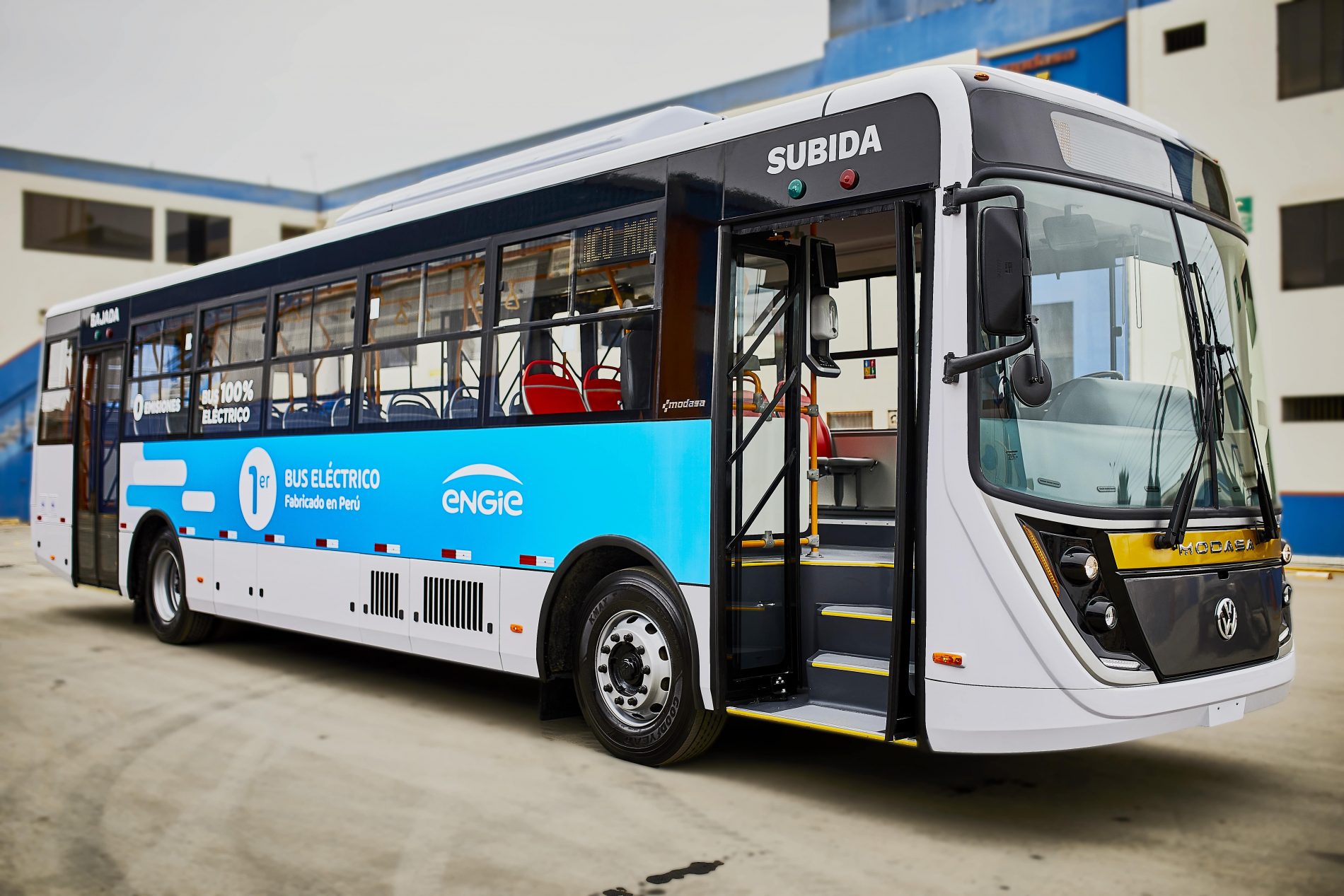
To make it easier for operators to acquire the bus, Higer has signed alliances with EnelX and Engie to develop financial and operating leasing models with terms never seen before: contracts that may be extended up to 15 years, where the bus will return to the manufacturer once it is finished its useful life. The agreements also include the cost of replacement of the batteries in the eighth year, spare parts, recharging infrastructure and of course, the payment of energy. They are terms in accordance with the reality of the operation, which will allow that during the useful life of the vehicle, its costs are cheaper than other options on the market.

Colaboración entre Global Passenger Network (GPN) y Busworld LATAM

La unión de estas tres empresas de autocares ha sido solo el comienzo de la expansión en esta región.

Redacción Colombiabus – Busworld

En los últimos años, Global Passenger Network (GPN) ha centrado su atención en la expansión de su red en Latino América. Esta expansión se inició en 2019 con la adhesión a GPN de tres nuevos miembros compañías de autocares:

  • SGM Solutions & Patagonia Transfers – GPN Argentina
  • ASB Chile – GPN Chile
  • Viamex – GPN Mexico

La unión de estas tres empresas de autocares ha sido solo el comienzo de la expansión en esta región. En el futuro, GPN está buscando expandir aún más su membresía en más países de esta zona del globo. Los esfuerzos se están centrando en fortalecer su programa de afiliación con empresas latinoamericanas del sector, que consecuentemente proporcionarán más valor a las compañías miembro de la red que forman parte de GPN en Latino América. Por todo ello, la estructura de GPN se está actualmente revisando para incluir un enfoque futuro centrado en la regionalización de la organización.

Para ayudar a este nuevo enfoque ayudará muchísimo la colaboración de GPN con Busworld LATAM participando en el Evento que tendrá lugar en Buenos Aires, Argentina del 21 al 23 de septiembre de 2022. Busworld LATAM se alinea perfectamente con el plan de acción de regionalización de GPN. Por esta razón, GPN ha decidido organizar su Asamblea General de Otoño 2022 en Buenos Aires ( que será organizada por GPN Argentina “SGM Solutions & Patagonia Transfers” y su CEO – Mauro Gaspar)  – en paralelo con Busworld Latin America. Esta colaboración será mutuamente beneficioso tanto para Busworld como para GPN.

Los miembros y socios de GPN que asistan a la Asamblea General también visitarán Busworld Latin America, ya que GPN expondrá en el Evento y los miembros de GPN serán invitados como ponentes a los seminarios organizados durante el Evento Busworld LATAM para compartir su experiencia y conocimientos con toda la industria del autocar en esta región.

Por otro lado, será una gran oportunidad para que los operadores de autocares y proveedores de empresas de autocares de esta región tengan un mayor conocimiento sobre los beneficios que tendrían al unirse como miembros o socios a la organización y  puedan recibir más información sobre GPN.

HIGER PRESENTS ITS FIRST ELECTRIC BUS OF THE AZURE LINE FOR LATIN AMERICA

TESTS IN SAO PAULO WILL LAST 6 MONTHS

Colombiabus newsroom – Higer Latinamerica / William Marroquín

With about 23 million inhabitants, São Paulo is the tenth most populous city on the planet and the second in Latin America, where more than 6.5 million vehicles circulate daily, experiencing phenomenal traffic jams, which can reach several kilometers, causing commuting is a nightmare. They also generate great pressure to seek sustainable mobility solutions that contribute to a better quality of travel within cities.

The city is also preparing for the electrification of its public transport, and they hope to take their first steps, so there is a commitment so that the great Brazilian metropolis will have at least 2,600 electric buses by 2024. This announcement from the Mayor of São Paulo, Ricardo Nunes, has accompanied the presentation for Latin America of the new Chinese Higer Azure A12 bus that will begin tests in the city.

Although the bus has been built in China, it is prepared to receive contributions from suppliers in Brazil, it is 12.2 meters long and capable of moving 70 passengers with two access doors. With a common gross vehicle weight of 13,700Kg, it is slightly lighter than equivalent buses and can reach a range of up to 270Km, while the batteries can be recharged in a maximum of 3 hours.

A curious detail is that at least to start its commercial life, it is not expected to arrive as a chassis to be bodied locally, in fact it is expected that it may arrive in the next import quotas that are expected to be approved in Brazil. Despite its imported origin, Higer has entered into alliances with important brands located in the country, which are partners and suppliers of components for their manufacture: Valeo for air conditioning, ZF provides the axles, Dana the transmission, the steering is of Bosch origin, TRW developed the suspension, Wabco took care of the brakes, Michelin with its wheels and Mobitec will be responsible for the electronic routers.

The bus will arrive in a PKD configuration in Brazil and the mechanical components of the aforementioned brands will be installed in the country, but Higer will be in charge of both the bodywork, batteries, powertrain and telematics systems.

“Higer’s great technology is managing power inverters and controllers, as well as batteries. We have a five-in-one package, with an improved center of gravity unlike other brands, with that we gain in weight and maintenance cost. Monoblock technology, which we are proposing in Brazil, is the most appropriate. That’s because the electric bus is very sensitive to weight and volume. Higer has a chassis, but the Brazilian bodies are very heavy, which leaves between a ton and a half more »explains Marcello Barella, Sales Director for Brazil, Colombia, Venezuela and Uruguay at Higer Bus.

To make it easier for operators to acquire the bus, Higer has signed alliances with EnelX and Engie to develop financial and operational leasing models with terms never seen before: contracts that can be extended up to 15 years, where the bus will return to the manufacturer once it is finished its useful life. The agreements also include the cost of replacement of the batteries in the eighth year, spare parts, recharging infrastructure and of course, the payment of energy. They are terms in accordance with the reality of the operation, which will allow that during the useful life of the vehicle, its costs are cheaper than other options on the market.

MEXICO ACCEPTS COEXISTENCE OF EURO V AND EURO VI DIESEL ENGINES UNTIL JANUARY 1, 2025

NEW RULE GIVES LEGAL CERTAINTY TO THE COUNTRY MARKET

Colombiabus newsroom – Revista Motor a Diesel / William Marroquín

The Ministry of Environment and Natural Resources of Mexico (Sermanat), decided to extend the validity of the EPA07 / EuroV regulation that had been established in 2017 in the country, to set the limits of emissions of carbon, particulate matter, nitrogen oxides, ammonia and other pollutants, for vehicles that exceed 3,857 kg of gross vehicle weight. The standard, known as NOM 044, will continue with its application until January 1, 2025.

This provision that extends the validity of Euro V diesel engines for new vehicles, provides greater legal stability to manufacturers and importers of commercial passenger and cargo vehicles in Mexico, which exceed 3,857Kg of gross weight. The measure will also allow transporters to accelerate the renewal of the vehicle fleet, as well as prepare the country so that it can count on an ultra-low sulfur fuel at the national level in the near future.

It is important to mention that Sermanat, in 2019, granted Pemex, responsible for refining and marketing fuels in the country, an extension so that it can continue to sell at Diesel Euro V service stations until December 31, 2024. Therefore, Previously, it was necessary to unify the concepts of emission minimums accepted for new vehicles, which were also in line with the engine technologies offered on the market.

It is important to mention that Pemex has been dragging the problem of delay to fully comply with the formulations of diesel fuels, so they hope to comply with the supply of energy from 2025. This delay is more frustrating if it is taken into account that More than 80% of the fuel sold today meets the ultra-low sulfur standard, and both the United States and Brazil are good examples of dual fuel distribution.

Although in contrast, compared to countries such as China and India, with a fleet of less stringent emission standards and a greater number of vehicles, these two countries are moving faster towards Euro VI than the Aztec nation.

MARCOPOLO BEGINS PRODUCTION OF RODOVIARY BUSES IN THE METALSUR SUBSIDIARY OF ARGENTINA

MORE THAN 1,800 JOBS ARE EXPECTED TO BE OFFERED

Colombiabus newsroom – Marcopolo Argentina

It is no secret to anyone that the year 2020 saw a marked decrease in the production activity of buses around the world, especially those dedicated to road segments. In Argentina, it was not the exception and Metalsur, which since 2019 became a subsidiary of Marcopolo, lived it.

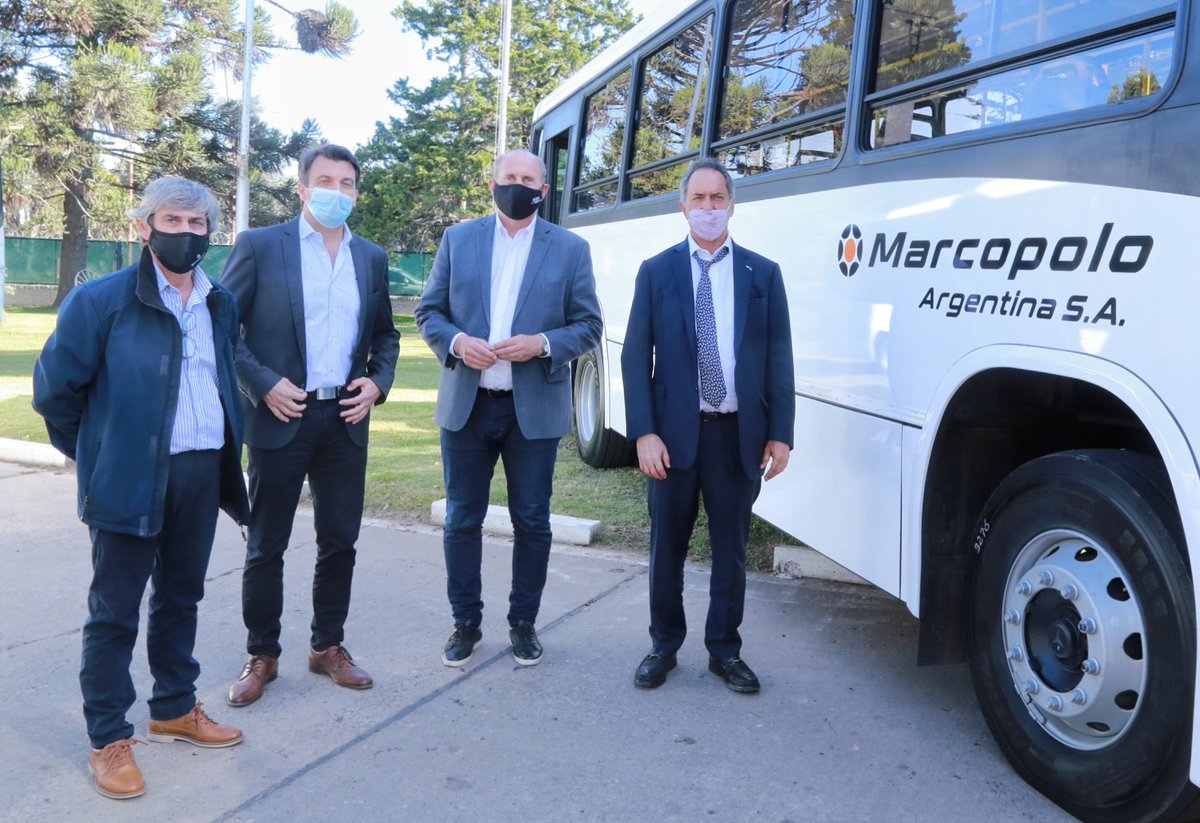
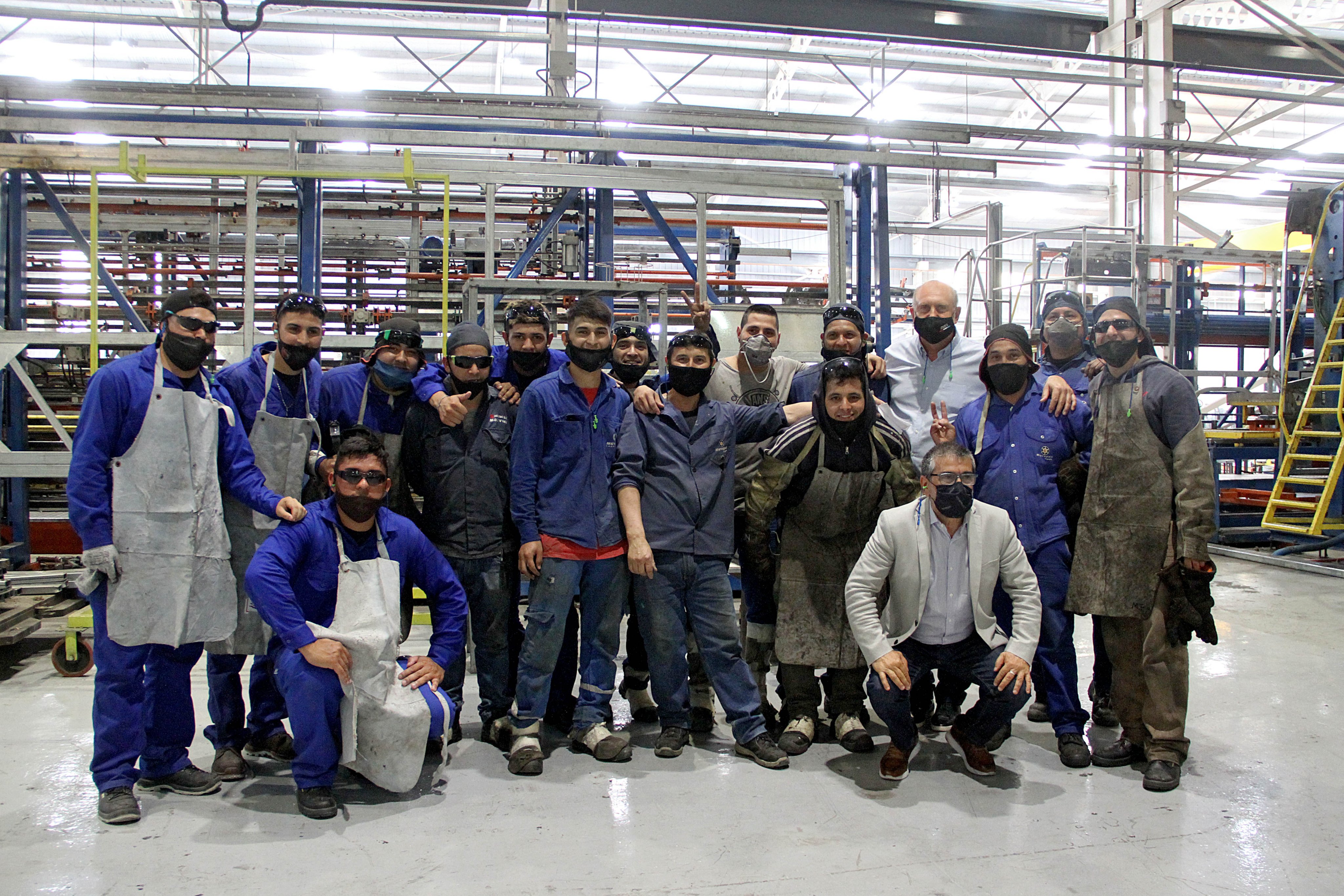
However, during a visit made by the Argentine ambassador to Brazil, Daniel Scioli, and the Governor of the province of Santa Fe, Omar Perotti, together with Marcopolo CEO James Bellini, they were visiting the facilities, where plans were confirmed to boost the body production at the Villa Gobernador Gálvez plant in Rosario.

Marcopolo will invest about 20 million dollars to manufacture long-distance road buses at Metalsur’s facilities, it will continue to increase the production of urban models, which are widely used in Argentina on the Torino line, especially and will gradually replace the new units that arrive from Brazil, to be built on Gaucho lands.

We are making an initial investment so that the plant specialized in long distance now also adds the manufacture of city buses, which has been carried out separately. This will make it possible to improve economies of scale, reduce costs and stop bringing some products such as buses manufactured in Brazil, to make them in Argentina”, said James Bellini.

Work has progressed to allow greater production capacity at the Santa Fe facilities, where the integration of local suppliers has doubled to ensure the correct supply of components for the bodywork. The plant has doubled its direct staff, where 600 people now work, and indirect sources of employment amount to 1,200 thanks to this investment by Marcopolo.

In December 2021, the first phase of the investment process should be completed, and the second stage will have to end by September 2022, just when Argentina is expected to be the Latin American epicenter of the bus industry, with the completion of Busworld LatinAmerica, in Buenos Aires. Aires.

A fact that deserves to be highlighted is that the plant’s production capacity increased by 42%, going from manufacturing 7 units a day to 10. Estimates for Argentina indicate that 3,000 urban buses and about 900 road buses should be sold in 2022, as the road segment has presented an imbalance in the units produced and delivered, which is expected to be corrected starting next year.

LATIN AMERICA ACCELERATES ITS ROAD TOWARDS TRANSPORTATION ELECTRIFICATION

THE REGION IS THE SECOND MARKET FOR eBUSES IN THE WORLD

Colombiabus newsroom – William Marroquín

The electrification of commercial vehicles, especially for passenger transport, could gain a new dimension throughout Latin America, anticipating the transformation processes in technologies aimed at mass mobilization. The change must happen quickly because the region is, in terms of production, the world’s second-largest market, with around 55,000 buses a year, behind only China, where 200,000 units are produced a year.

It is also important to mention that of those 350 vehicles that roll in the South American giant, 302 are trolleybuses and the majority are old. Only 48 are battery powered. It is true that, from the middle of last year to the present, several new initiatives for 100% electric and gas buses were launched, but it is still very little, mainly because these projects are for road transport or industrial chartering and not for the collective urban and in large centers.

This importance in terms of world production is causing the main international organizations and manufacturers to focus their attention on sustainable mobility projects in different countries and anticipate the introduction of clean technologies, which will benefit the whole of society. Countries like Brazil where, despite being the largest bus manufacturer in Latin America and representing approximately half of the total volume, there is a lag in the application of clean technologies. Today, Brazil is only the fourth country on the continent in number of registered clean technology buses, with 350 vehicles. It is behind Chile, with about 820 buses, Colombia, with 590, and Mexico, with 410 units.

This boost in the electrification and adoption of clean technologies, such as gas, among others, was highlighted in the launch, last September, of Busworld Latin America, the main business event in the passenger land transport sector, which for the first time Once, it will be held in Buenos Aires, Argentina, in 2022, bringing together the main manufacturers and companies of the continent.

Latin America accounts for 17% of global volume and has become the world’s second-largest market for land transportation. “This growth must continue. We believe that buses are the key to solving mobility problems around the world ”, points out Vincent Dewaele, CEO of Busworld International. For the executive, the holding of the event for the first time in Argentina reinforces the objective of bringing together the entire world community of passenger land transport and not only bus manufacturers, suppliers and service providers. “The holding of seminars, knowledge exchange initiatives and the presentation of new technologies in vehicles will allow the exchange of experiences with other more developed countries to ensure efficient, sustainable and quality transportation for all in Latin America,” he emphasized.

LATINOAMÉRICA ACELERA EN SU RUTA HACIA LA ELECTRIFICACIÓN DEL TRANSPORTE

LA REGIÓN ES EL SEGUNDO MERCADO DE eBUSES EN EL MUNDO

Redacción Colombiabus – William Marroquín

La electrificación de vehículos comerciales, especialmente para el transporte de pasajeros, podría ganar una nueva dimensión en toda América Latina, anticipando los procesos de transformación en las tecnologías orientadas a la movilización masiva. El cambio debe ocurrir con rapidez porque la región es, en términos de producción, el segundo mercado mundial más grande, con alrededor de 55.000 autobuses al año, solo por detrás de China, donde se producen 200.000 unidades al año.

También es importante mencionar que de esos 350 vehículos que ruedan en el gigante sudamericano, 302 son trolebuses y la mayoría son viejos. Solo 48 funcionan con batería. Es cierto que, desde mediados del año pasado hasta la actualidad, se lanzaron varias iniciativas nuevas para autobuses 100% eléctricos y de gas, pero aún es muy poco, principalmente porque estos proyectos son para transporte por carretera o fletamento industrial y no para el colectivo urbano y en los grandes centros.

Esta importancia en términos de producción mundial está provocando que las principales organizaciones internacionales y fabricantes centren su atención en proyectos de movilidad sostenible en diferentes países y anticipen la introducción de tecnologías limpias, que beneficiarán a toda la sociedad. Países como Brasil donde, pese a tratarse del mayor fabricante de autobuses de América Latina y de representar aproximadamente la mitad del volumen total, se ve rezago en la aplicación de tecnologías limpias. Hoy, Brasil es solo el cuarto país del continente en número de buses matriculados de tecnologías limpias, con 350 vehículos. Está detrás de Chile, con unos 820 buses, Colombia, con 590, y México, con 410 unidades.

Este impulso en la electrificación y adopción de tecnologías limpias, como el gas, entre otras, se destacó en el lanzamiento, el pasado mes de septiembre, de Busworld Latin America, el principal evento empresarial del sector del transporte terrestre de pasajeros, que por primera vez, se realizará en Buenos Aires, Argentina, en 2022, reuniendo a los principales fabricantes y empresas del continente.

América Latina representa el 17% del volumen global y se ha convertido en el segundo mercado más grande del mundo para el transporte terrestre. “Este crecimiento debe continuar. Creemos que los autobuses son la clave para solucionar los problemas de movilidad en todo el mundo ”, puntualiza Vincent Dewaele, CEO de Busworld International. Para el ejecutivo, la realización del evento por primera vez en Argentina refuerza el objetivo de reunir a toda la comunidad mundial de transporte terrestre de pasajeros y no solo a los fabricantes, proveedores y prestadores de servicios de buses. “La realización de seminarios, iniciativas de intercambio de conocimientos y la presentación de nuevas tecnologías en vehículos permitirán el intercambio de experiencias con otros países más desarrollados para asegurar un transporte eficiente, sostenible y de calidad para todos en América Latina”, enfatizó.

IN PERU, CIVA WILL HAVE KING LONG ELECTRIC BUSES FOR BUSINESS TRANSPORTATION

THE LEADING BRAND IN ROAD eBUSES IN LATIN AMERICA

Colombiabus newsroom – William Marroquín

Almost three years ago the first electric bus for highway routes in Latin America began operation, more specifically in Chile thanks to the joint work between TurBus, Copec-Voltex and King Long linking the cities of Santiago and Rancagua, separated by 112 kilometers that are completed in about 2 hours and 40 minutes.

The results for the Chilean company have exceeded expectations, opening a space for other companies to evaluate their incorporation, even in other countries. Their incorporation into road transport over regular long distances and in luxury segments is still a long way off, as they are not yet competitive with the current offer. However, they are very effective in business transport operations, especially mobilizing personnel linked to extractive industry companies, with strong pressures to reduce emissions.

This is how the Peruvian Transportes CIVA has seen it, which in 2021 turned 50 years of history, returning to its roots: Piura, the city where a group of Italian immigrants arrived, who with a truck, transported fruits, food and belongings to the north of the country. In the region there are important deposits of phosphates, a fundamental raw material for producing fertilizers.

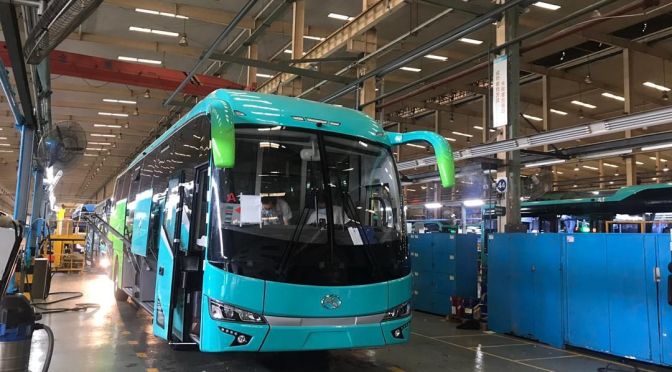
At 110 kilometers from the city, are the phosphate mines that are exploited by Miski Mayo, a subsidiary of the Brazilian Vale do Rio Doce, which has relied on CIVA for the transport of personnel. The King Long XMQ6130YWE5 electric buses will soon arrive in the country from China with their original bodywork, with the same technical specification as those used in Chile.

Capable of traveling more than 250Km without recharging, they have capacity for 44 passengers, air conditioning, environmental screens, USB ports to recharge devices. It can roll up to 10Km without consuming load, it delivers a power of 350Kw, finally, the 10-battery pack has a capacity of 314Kwh.