Tag Archives: Busworld Argentina

ARGENTINE GOVERNMENT ANNOUNCED LINE OF CREDIT FOR THE PURCHASE OF ROAD BUSES

PRODUCTIVE DEVELOPMENT SEEKS TO REACTIVATE TRANSPORTATION

Colombiabus newsroom – William Marroquín / Gobierno de Argentina

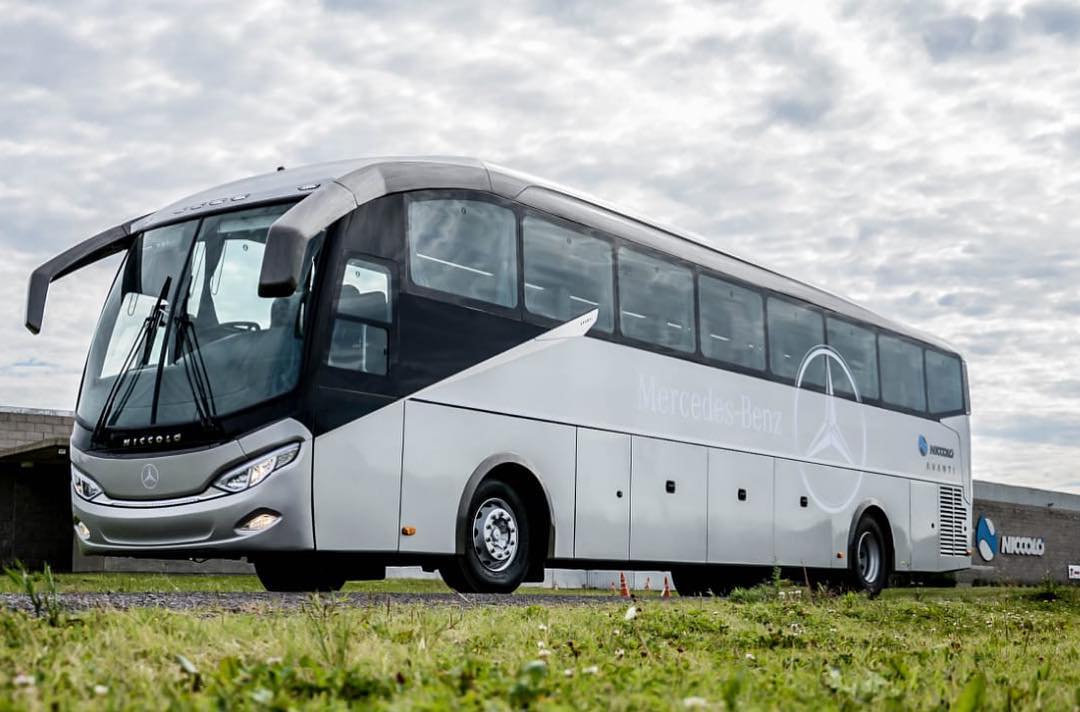
The Ministry of Productive Development and the Banco de la Nación Argentina launched a financing line with a discounted interest rate for the purchase of medium and long-distance buses manufactured in the country. The objective of the line is to accompany the reactivation of companies that offer transport and tourism services, and to further contribute to strengthening the local bus manufacturing industry.

The line for the renewal of the medium and long-distance bus fleet will offer credits of up to $50 million for small and medium-sized companies (up to USD500,000 per company) and a maximum of $250 million for large companies (2.5 million dollars per company), with a payment term of 36 months, a 6-month grace period and a discounted interest rate of 22% for SMEs and 24% for large companies.
The discounted interest rate seeks to improve access and credit conditions for small and medium-sized companies, so that they can finance their investment and working capital needs at competitive interest rates. The Secretariat of Entrepreneurs and SMEs awards credit quotas to Financial Entities through bids or specific agreements.

Entrepreneurs can process the credit in any of the banks participating in the operation, who carry out the credit analysis of the company and in case of qualifying as a credit subject, they grant loans at a discounted rate, which allows them a reduction of points in accordance with the financial conditions of the line. It is practically the same operating model that development entities such as Bancóldex or the BNDES of Brazil apply in Colombia.

The measure is carried out thanks to the contribution of the Banco de la Nación Argentina and the Ministry of Productive Development through the National Fund for Productive Development (FONDEP), which accompanies the financing by subsidizing the rate provided by the financial entity. The tool seeks to boost the production of the national manufacturers of bodies of these buses, and update the fleet of this type of vehicles.
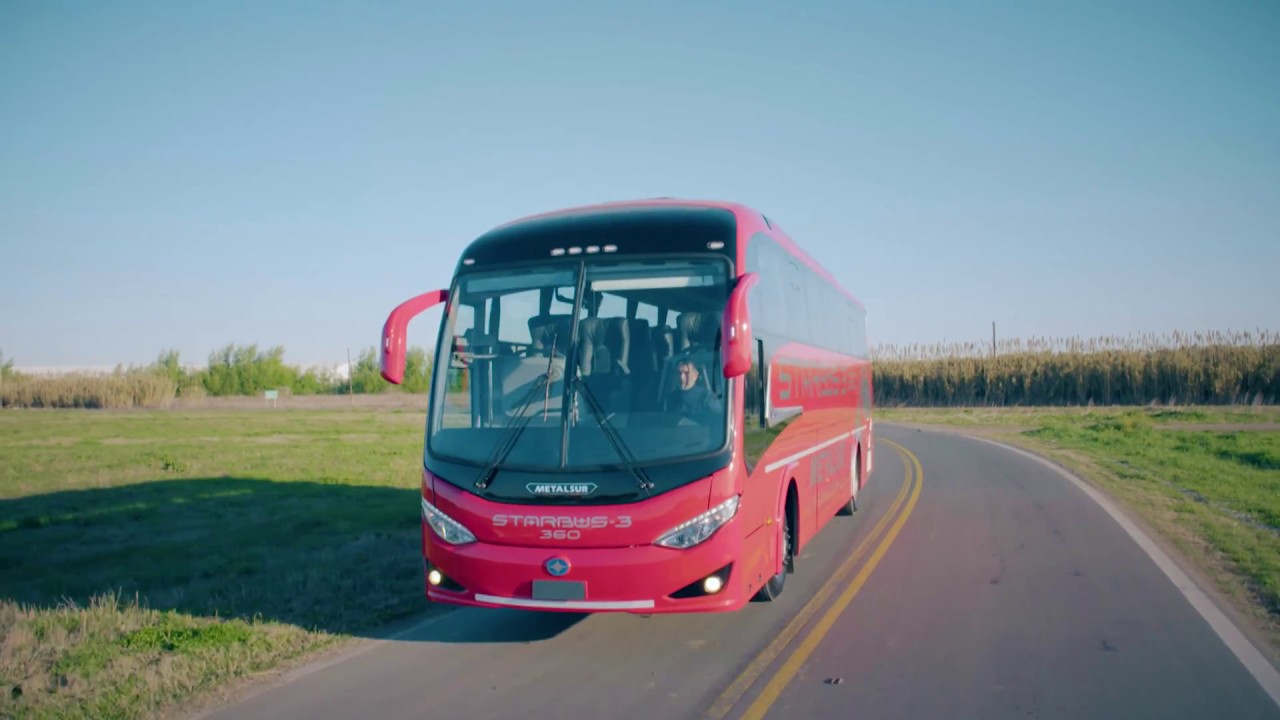
Argentine SMEs, manufacturers of medium and long-distance bus bodies, are among the sectors most affected during the economic crisis that unleashed the coronavirus pandemic. These activities, which have begun to recover thanks to the progress of the vaccination campaign and the launch of initiatives such as the Pre-Trip, are the main demanders of medium and long-distance buses.

Given the growth in tourist activity and the aging of the bus fleet during the last two years, the financing line will help boost the production of the national manufacturers of these bus bodies, and update the fleet of this type of vehicles.
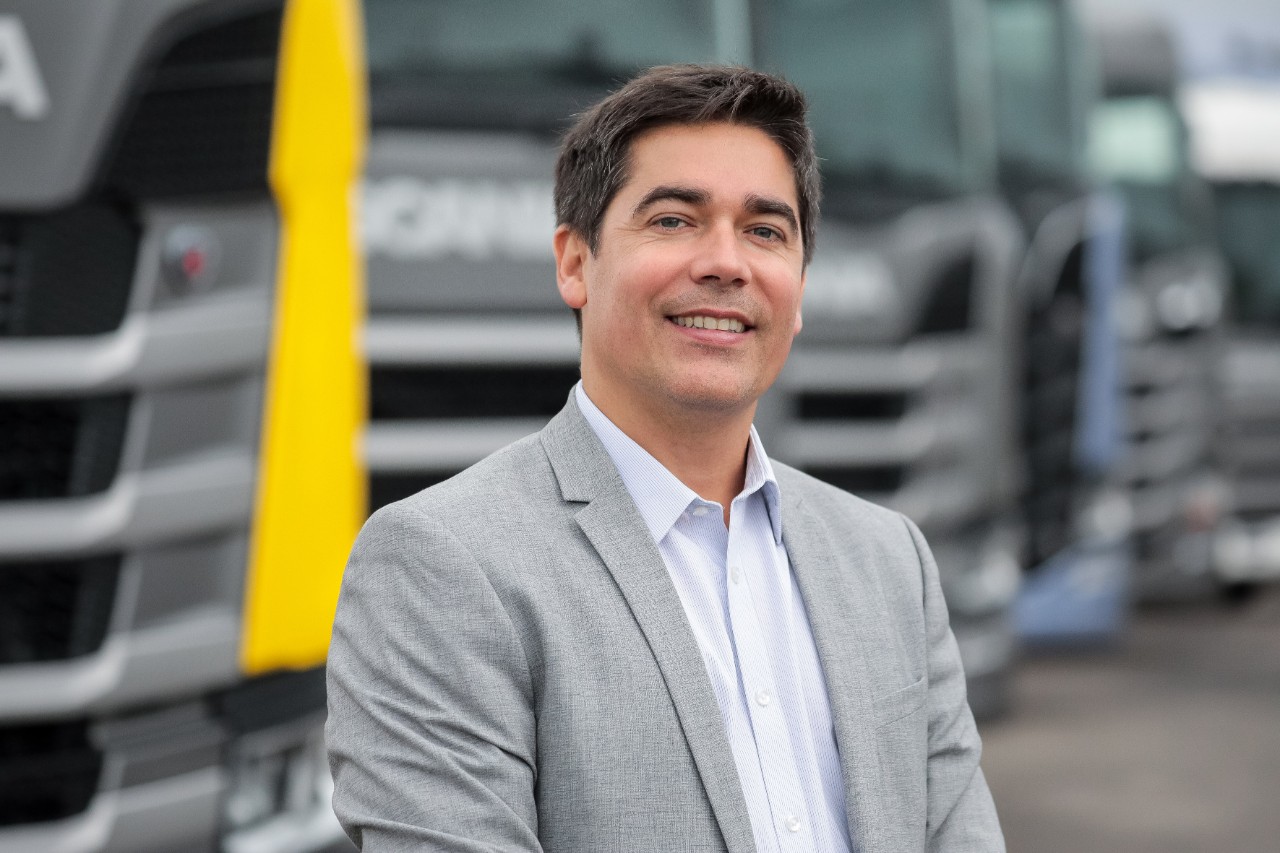
BEING A BUSWORLD’S LOCATION IS A GREAT RESPONSIBILITY: ALEJANDRO PAZOS, CMO SCANIA ARGENTINA

SCANIA PREPARES NEWS FOR THE EVENT

Colombiabus newsrooom– William Marroquín

They have been many months in virtuality, also of confinement, reflection and rethinking of both business and activities that seem to be ending. It is time to go back, to get going, to get closer as we have always wanted and continue to build lasting relationships in every way. Busworld Latin America 2022 wants to be the great event of the passenger transport industry in the region and a great celebration for bus players to meet again. A great event that involves great preparation and responsibility so that the appointment next September is unforgettable.

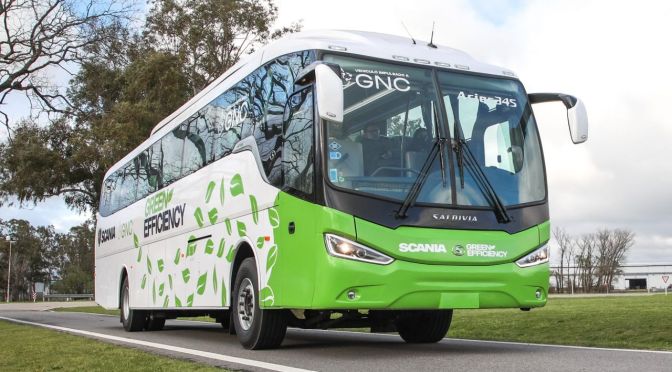
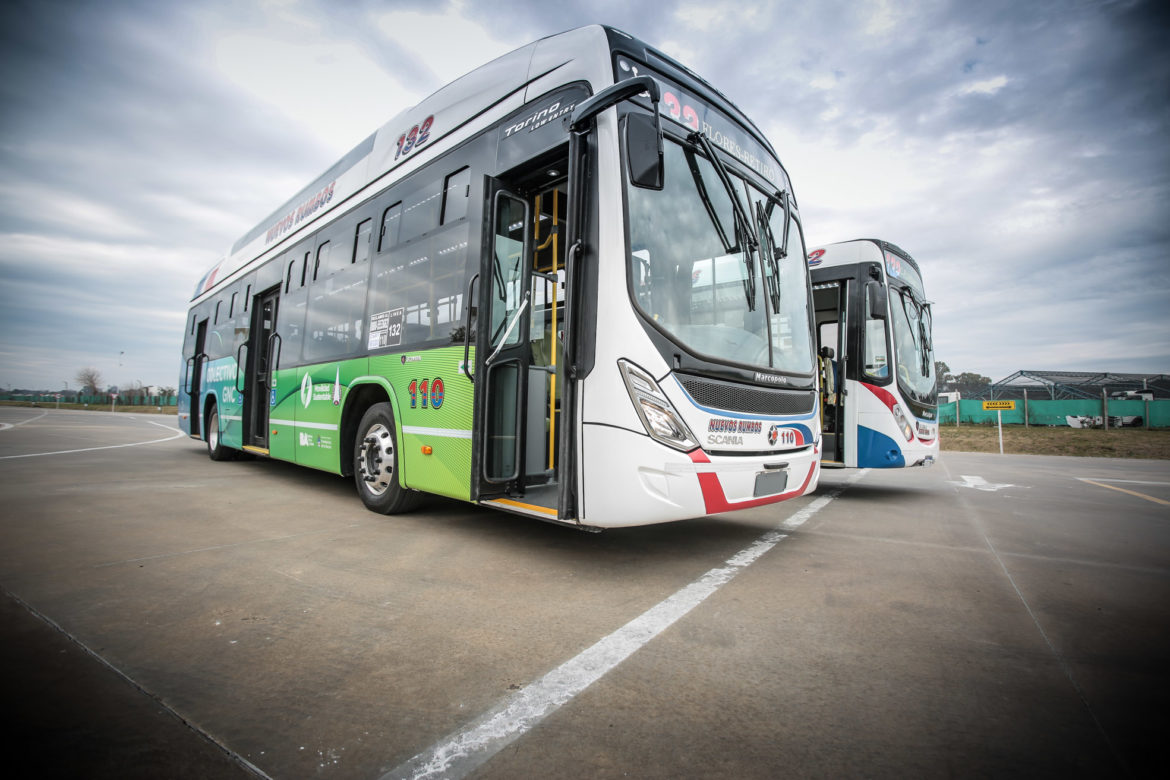
Scania Argentina has been a great generator of news in recent months: an increase in the portfolio of sustainable solutions, having natural gas as a standard, working very closely with the country’s bodybuilders, new financing schemes now offered directly that understand the reality of business and the appointment at Busworld is highly anticipated by the brand, they are very proud to play as locals and are already preparing the news that they will present during the great meeting of the Latina bus.

Alejandro Pazos, CMO of Scania Argentina, speaks with emotion about what Busworld represents for the brand and the first appointment in the country «The things that virtuality has, presence and live, the truth that is a pride for those of us who are part of Scania and as Argentines that we are going to host, and it is a great responsibility of an international event with global characteristics, that is why we are very excited about what Busworld Argentina 2022 will be ».

The executive also explains how the brand will be deployed during the event, “Scania has been working on this edition of Busworld, we are anticipating some news in terms of the product and the world of transport. Buswold is an ecosystem where not only chassis manufacturers such as Scania congregate, but also bodybuilders, the public sector and users ”.

It’s been a long time in virtuality and for a moment it was thought that the events that allowed the industry to come together would take longer to reappear, but the countdown has already begun. “Everything indicates that it will be a great event, and we are excited to return after these almost 18 months, where humanity overcame a great challenge, and now we are preparing for the future of sustainable transport with Scania, Busworld and Messe Frankfurt. »

MERCEDES-BENZ EXPECTS TOTAL SUCCESS IN BUSWORLD ARGENTINA 2022

70 YEARS OF A CLOSE RELATIONSHIP WITH TRANSPORTATION

Colombiabus newsroom – William Marroquín

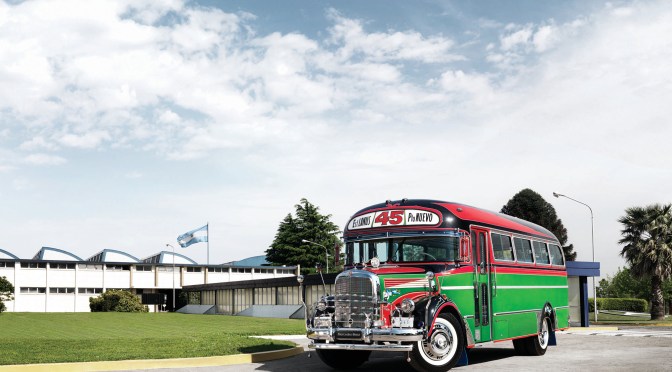
It has been more than a long journey for Mercedes-Benz to build transport solutions in Argentina, a country that holds the distinction of having been the first in the world to host the first factory of the brand’s vehicles outside of Germany, sowing the seed of what has been the expansion in the construction of automobiles and commercial vehicles with the emblem of the star worldwide.

Having settled in Argentina for so long is a reflection of the enormous confidence in the future of its people and the high expectations that the parent company always places in the production of Mercedes-Benz automobiles. There, vans, trucks and buses are produced taking a leading position in the commercial vehicle segment, with models as famous in the bus world as the Sprinter van that for 25 years has been manufactured in the country for export and local market. Or also the REMAN division, dedicated to manufacturing remanufactured engines and transmissions, helping the circular economy.

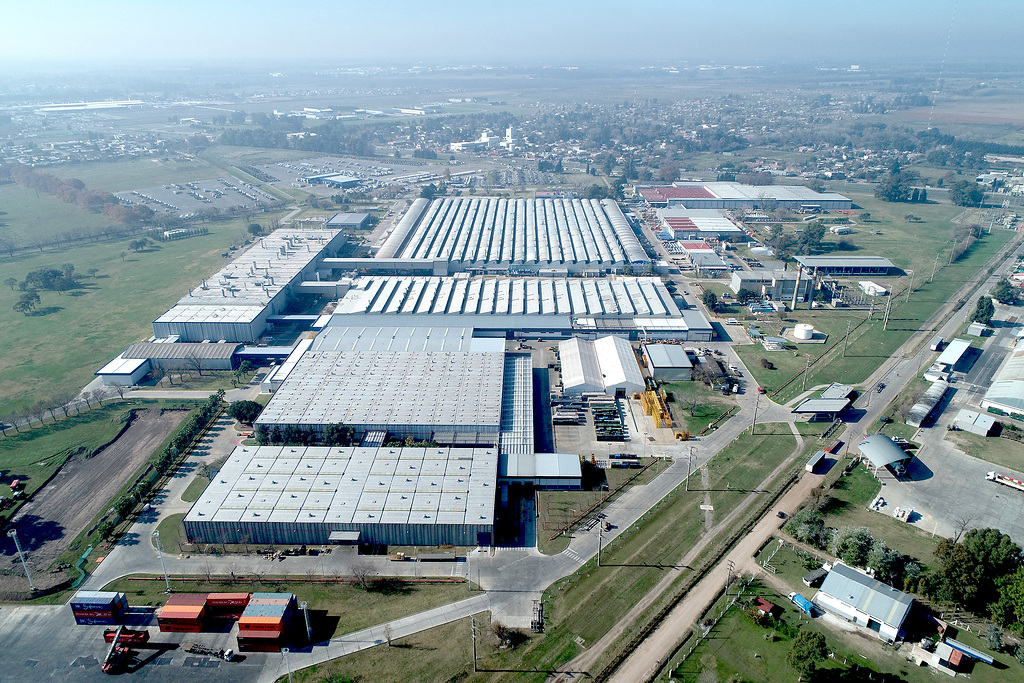
Aktuelles Bild des “Centro Industrial Juan Manuel Fangio von Mercedes-Benz in Argentinien” Current image of the “Centro Industrial Juan Manuel Fangio of Mercedes-Benz in Argentina”

A brand that has always been the protagonist in Busworld events held around the world, along with the other brands that make up the Daimler bus portfolio, which has accompanied the launch of the great bus meeting in Argentina, to be held in September 2022 Verónica Niemann, Head of Communications, CSR and Public Relations of the brand talks about the expectations of Mercedes-Benz and the event that will take place at La Rural – Fairground in Buenos Aires

BUSWORLD: How do you lthonk about the realization of Busworld in Argentina?

VERÓNICA NIEMANN: «I think it is an excellent initiative, not only because of the importance it has both for Argentina and for all of Latin America, I think it is a concept where the most important aspects of the value chain and all the priority security aspects come together in the transport of people ».

BW: What is the relationship that Mercedes-Benz Argentina has with transportation?

VN: «We have a long-standing relationship with transport, we celebrated 70 years of production in Argentina and were established in 1951 as the first plant outside Germany in this country and since then we have been linked to transport with great responsibility, quality and service efficiency for carriers and the value chain. «

BW: Do you think this exhibition is destined to be a success?

VN: «I think it is a very good initiative because it brings together several key aspects of the importance of transport in Argentina.«

IN PERU CRUZ DEL SUR RECEIVES NEW VOLVO BUSES FOR BUSINESS TRANSPORTATION

AN ADDITIONAL DELIVERY IS EXPECTED STARTING 2022

Colombiabus newsroom – William Marroquín

The mining sector is one of the main drivers of the economy in Peru, the main passenger transport companies have a range of services aimed at mobilizing the personnel working in mining. One of them is Cruz del Sur, with more than 60 years of history and of them, about twenty with its institutional services division.

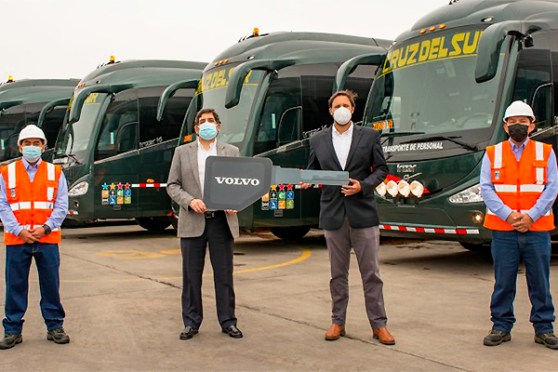
Always focused on providing a personalized service with high-quality standards for the mining and industrial sectors, Cruz del Sur received 7 Volvo B380R 4X2 Euro buses, bodied with the Irizar i6 model. These new vehicles will allow you to strengthen that relationship with the large mining sector customer with whom you have had a 9-year alliance. Business transportation currently represents more than 50% of revenues for the company, considering the pandemic, the slow recovery of national long-distance routes and the uncertainty due to the reactivation of international routes.

The new buses are part of the first group that Cruz del Sur receives, since starting in 2022 the Peruvian company will receive a second group of zero kilometer vehicles to provide a reliable, safe and quality service, welcoming the renewal of the contract.

The new Volvo B380Rs feature IShift intelligent automated transmission, EBS 4-wheel disc braking system, VEB engine brake and the Driver Support Systems active safety package. This system warns of the risk of a frontal collision, activates the emergency stop and is combined with the adaptive cruise control, the warning system of involuntary lane departure and the alerts for the driver.

All units have Hispacold ECO3 air purifier, approved by the National Institute of Aerospace Technology (INTA) of Spain; which has been shown to be effective in eliminating 99.7% of the SARS-Covid2 virus. It is important to point out that this acquisition is added to another 60 units acquired, of different configurations, for clients in the mining sector.

FORD RELEASES ITS COMMERCIAL VEHICLE DIVISION IN BRAZIL WITH THE VAN TRANSIT

THE MODEL WILL BE MANUFACTURED IN URUGUAY

Colombiabus newsroom – William Marroquín / Ford Media Center

The poor results of Ford worldwide, between 2017 and 2019, as well as the crisis derived from the pandemic, forced the Detroit giant to rethink its global strategy, with a painful adjustment process that even led to the closure of several plants in Latin America, as happened with the facilities in Brazil and Argentina that stopped operating.

Ford’s new strategy aims to focus on F-Series vehicles, SUVs and light utility vehicles, as well as hitting the gas pedal to electrify its portfolio, create new mobility services and business units. Along these lines, one of the first divisions resulting from this reengineering has been Ford Pro, which operates independently and is dedicated to promoting commercial vehicles.

This new division will integrate the business of development and sale of commercial vehicles with both conventional and electric propulsion; development of charging solutions for homes, offices and companies; connected services for fleet management that ensure productivity and profitability for owners; elite services to improve after-sales and support by allowing utilities to get back to work quickly; and the Ford ProFin Simple financing program, to leverage the purchase of the units, as well as the electric recharging systems.

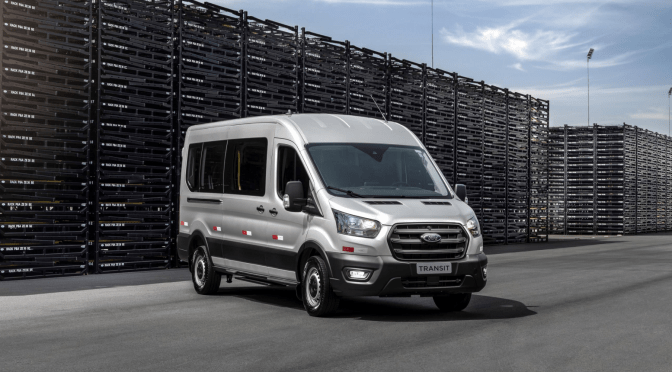
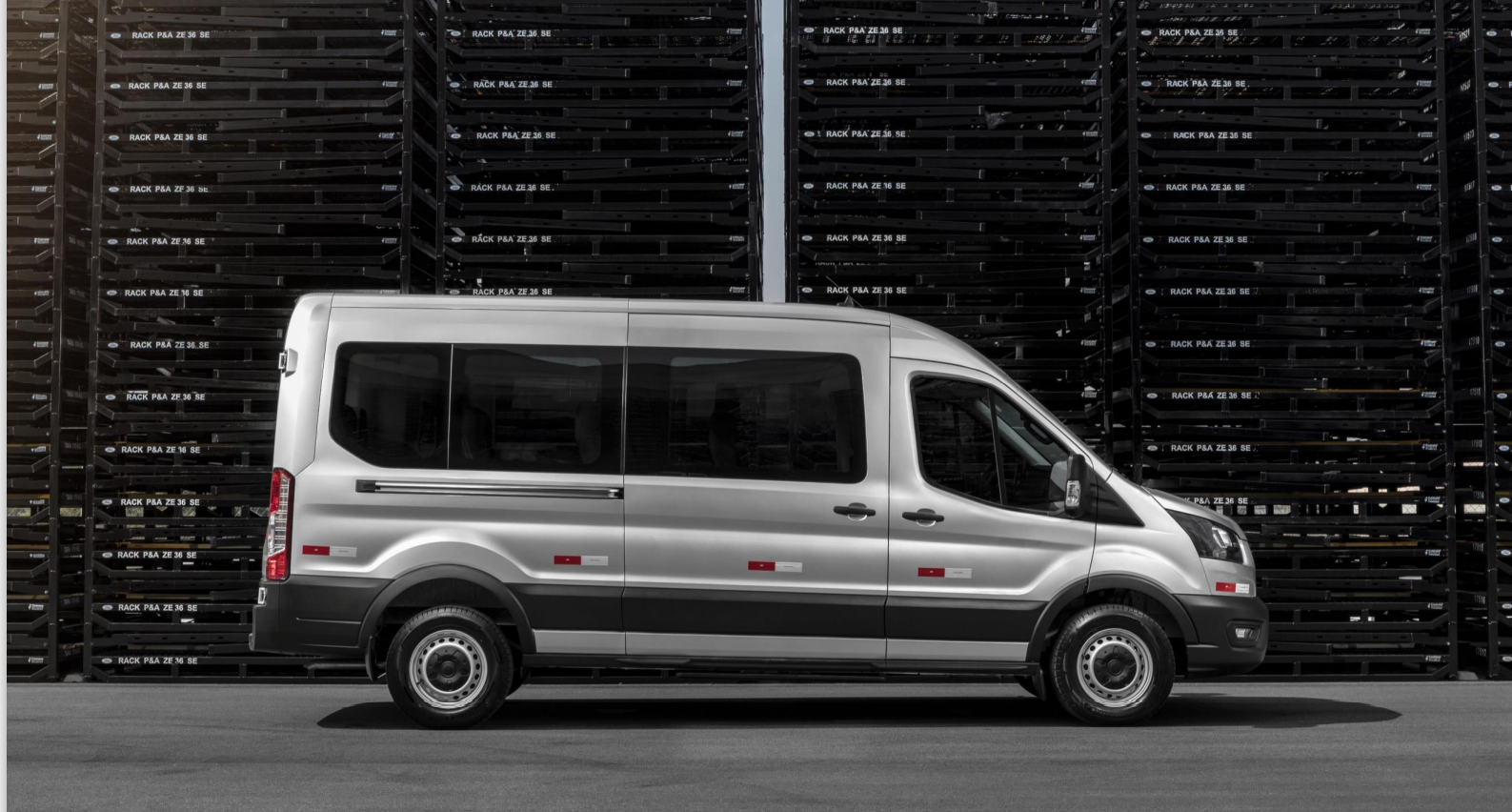
One of the axes of this new Ford division is the light utility Transit, which has been one of the pillars of the brand in several countries, first produced in 1953 and with more than 10 million units sold globally. That it will have diesel versions and the electric E-Transit, which is already available in Europe and will have to make the route to South America.

For the introduction of the model in this region, coordinated work was carried out with the engineering centers in England, Germany and the Brazilian facilities in Tatui (State of São Paulo), where a test center operates. More than 20,000 hours of work and more than 1 million kilometers of tests, allowed to adjust the characteristics of the models that will arrive in South America. The Transit will be produced in Uruguay, thanks to an alliance between Ford and the Nordex group, to have the fifth country that will produce the van, in addition to the United States, Turkey, China and Russia. The investment for the production process amounts to 50 million dollars.

The premises of a light utility vehicle will be available in the Transit: low cost of operation, robustness, durability, good load capacity, safety, affordable price, functionality and adaptability to develop different versions. For the passenger versions, it is expected to have options from 15 to 19 occupants plus driver, specifically developed.

The version with its original factory window, but without seats, will also be available for customers to configure according to their needs, with a network of Ford-approved transformers. Naturally, the panel option for urban delivery, last mile deliveries and parcels will be present, in different options of heights, distances between axes and load capacities.

As of this writing, it has not been confirmed with which engine versions the South American version will be equipped. It is worth mentioning that in Mexico it is offered with the TDCi Puma engine, with 2,200cc and 125HP of power, while in Turkey the EcoBlue engine is available with diesel and hybrid versions, with powers of 130HP, 170HP and 185HP. Or the current one offered in Argentina also 2.2 but with 135HP of power, in all cases including turbocharger and intercooler.

Connectivity will be a great differential, as it will include the integrated Ford Pass Connect modem that will allow optimization of work, help owners to be more productive, to know location, receive remote instructions via cell phone such as opening and closing doors, tracking fuel use, kilometers traveled and manage the tickets to the workshop. A vehicle that will be ready in Brazil with more than 100 dealers ready to provide support and that as orders are regularized, it will be able to move to other markets.

YUTONG CONTINUES TO ADVANCE IN MEXICO AND IS NOW TESTED IN THE STREETS OF GUADALAJARA

THREE MODELS OF THE CHINESE BODYBUILDER

Colombiabus newsroom – William Marroquín / Pasajero 7 / Yutong Bus

It seems that Mexico now wants to be the spearhead for new mass transportation projects in Latin America, as more and more brands seek to test their vehicles in the BRT systems of the cities of the Aztec nation. Either by the start of operations or by demonstrations to the operators to evaluate the viability of their proposals and then incorporate them into the fixed line.

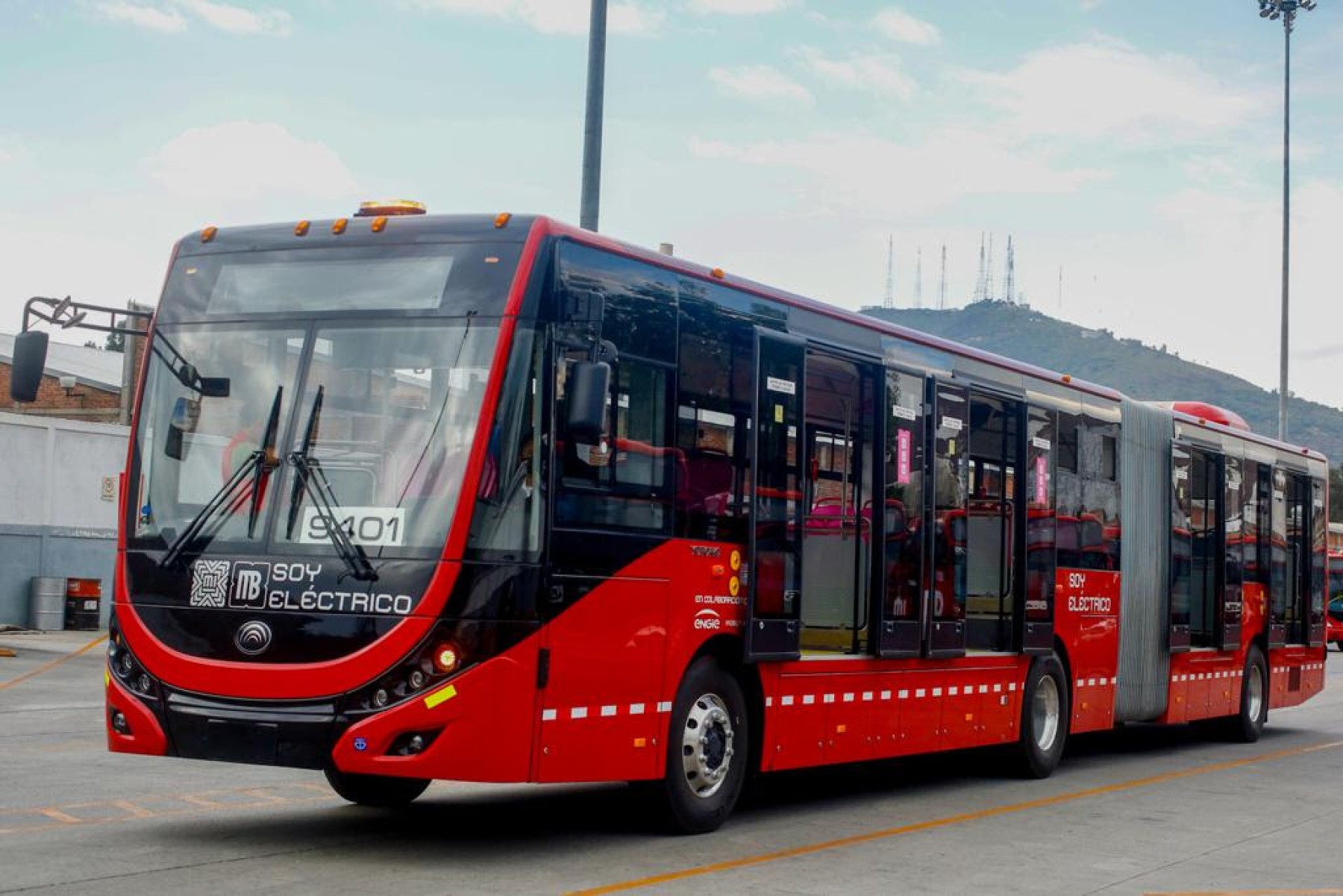
Yutong has been advancing very rapidly in Mexico and has generated important news at the Latin American level, first with the arrival of more than 120 trolleybuses for the country’s capital, of which it is expected to have about 500. Additionally, the tests carried out in 2020 with the 18-meter electric articulated bus, have been successful as 10 units have already been definitively incorporated into the Metrobús system of a large Mexican metropolis.

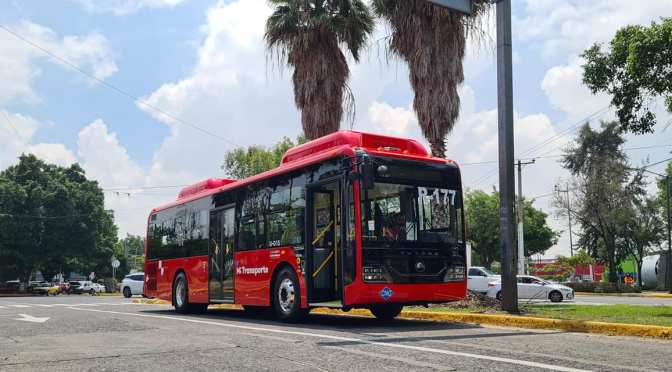
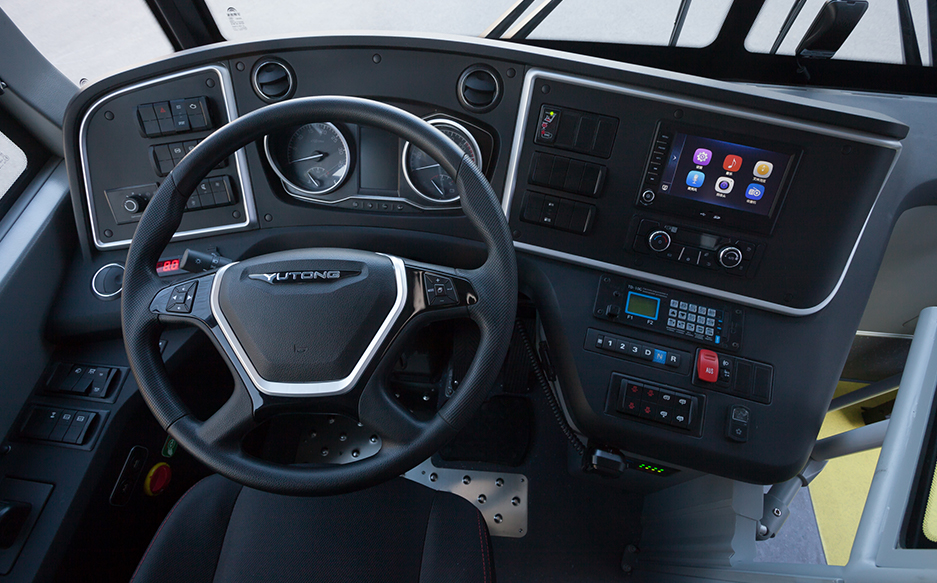
Now it is the state of Jalisco and the city of Guadalajara that receive the Yutong buses, with three models, each with different technology: natural gas, diesel and hybrid, which are only differentiated by the location of the fuel tanks, since they are of 10.8 meters in length. The first of them is the ZK6116HG, which is rolling on the routes of the Mi Transporte system.

Externally, the ZK6116HG has some features already seen in the award-winning U12 electric bus that appeared in 2019, combining straight lines and large arches, to give it a futuristic look that is complemented by sloping surfaces and rounded corners, ideal that give it a lot of eye-catching on the sides cities. While the interior allows accommodating 100 passengers with great comfort, of which 29 travel seated.

It is powered by a Yuchai origin engine of the YC6G family, dedicated to run on natural gas, with 7,800cc of displacement, 6 cylinders, turbocharged and intercooled that produces 260HP at 2,300 revolutions and 980Nm of torque between 1,300 and 1,700 revolutions. The transmission is automatic, provided by ZF of the EcoLife family, with 6 speeds and fuel saving system. It can accommodate up to 8 tanks, each with a capacity to store up to 120 liters of gas.

The suspension is pneumatic with electronic level control (ECAS) and kneeling function to improve accessibility; it also features ABS and ASR traction control. The active safety system with adaptive cruise control, lane departure warning and automatic braking are options, as well as the EBS braking system.

For the occupants to have a better life on board, the USB ports, the sanitization system with UVL lamps, delimited spaces for those traveling in wheelchairs, as well as an access ramp. For maximum system reliability, the batteries have liquid cooling, the electronic control is integrated in order to reduce voltage peaks, while the electrical system is shock-proof.

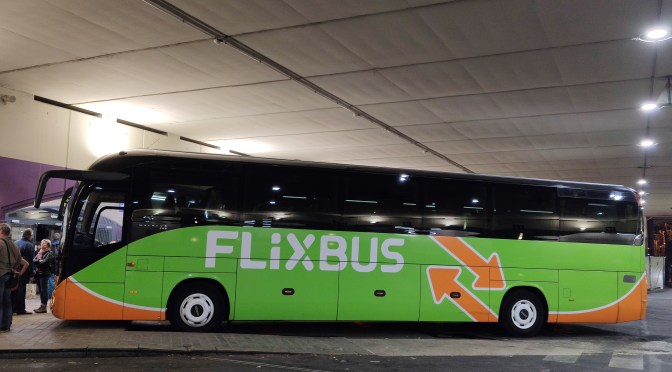
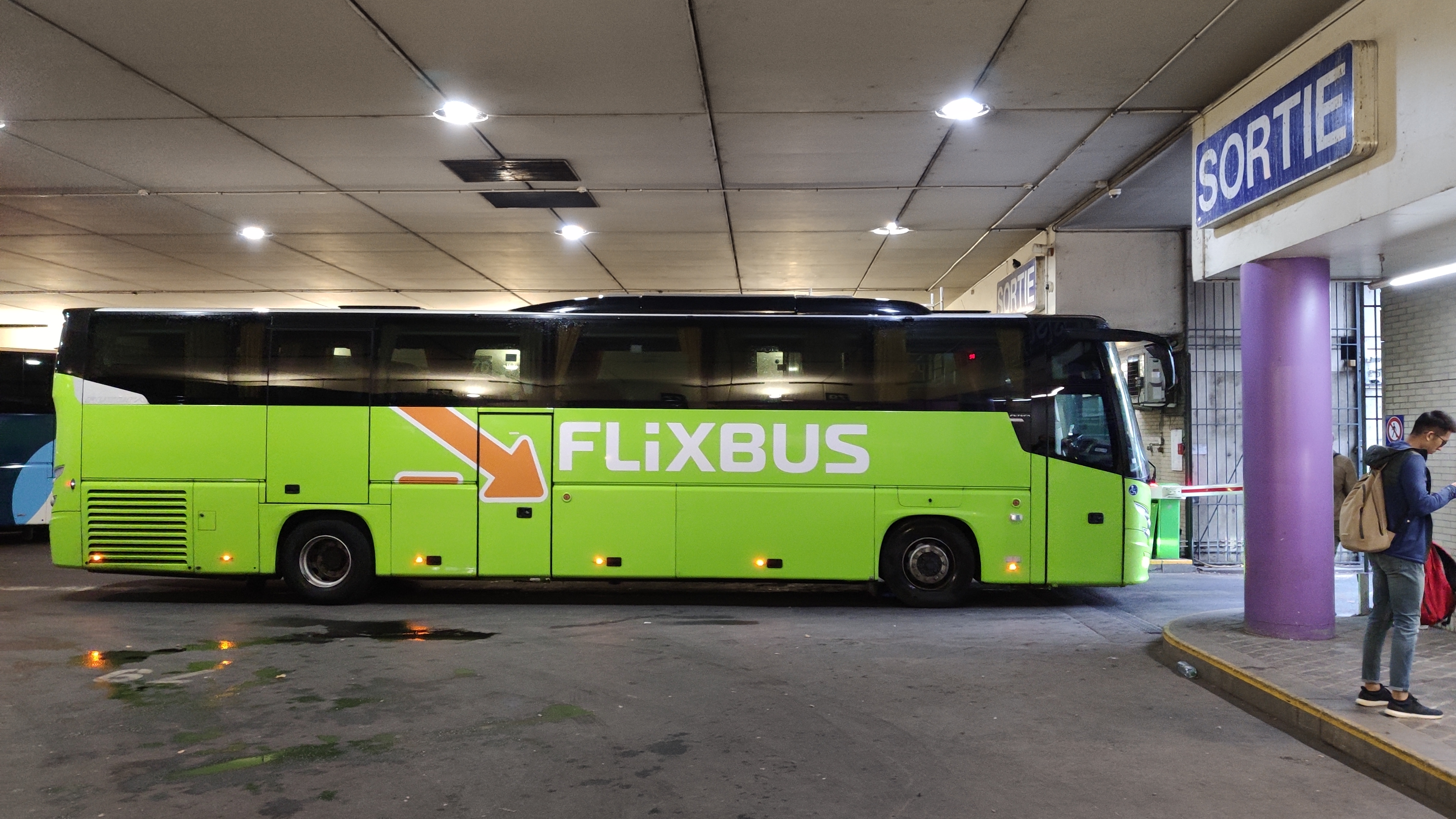
FLIXBUS IS WAITING FOR THE START OF OPERATION IN BRAZIL TO COMPETE WITH BUSER

SOON THEY EXPECT TO MOBILIZE 10 MILLION TRAVELERS

Colombiabus newsroom – William Marroquín / Istoé Dinheiro

In June 2021, plans were made known by the German FlixBus to disembark in Brazil before the end of the year. The company, famous for bringing down the prices of bus tickets in Europe and becoming an option for those who want to travel the old continent at a low cost compared to the plane and especially the train, expects to invest 650 million dollars for its operation in the South American giant.

FlixBus was created to capitalize on the opening of the transport sector in Germany in 2013, it adopted a model very similar to that of Uber, without the need to have its own fleet of vehicles, reducing the price of tickets. It was making acquisitions in Europe and is currently one of the main companies in the transport sector in the old continent, it is also present in the United States. It currently connects more than 2,000 cities in 30 countries.

FlixBus Brasil is ready to start operating in the country, pending the launch of regulatory bodies, such as the National Land Transport Agency (ANTT). “Brazil is one of the largest markets in the world, and we are only waiting for licenses, since we operate regularly in all parts of the world,” says Edson Lopes, General Director of FlixBus in the country.

The data allow estimating that the Brazilian travel market in the road segment is close to 50 million operations per year. In 2020, due to the pandemic, the figure fell by 54%, but this year there is already a recovery. Lopes calculates that also with intercity trips (suburban), the market is 80 million trips a year.

The executive also believes it is possible for FlixBus to become the market leader and quickly reach a market share of more than 10 million passengers. For this number to be possible, it would not be unusual for the company to start operations with aggressive promotions, as is often the case in other markets in which it debuted. The company recently debuted in the UK with trips for less than 1 Euro.

Like Uber when it began operating in Brazil, the company moved in a regulated market and several companies in the sector rejected the entry of a competitor who did not even own a bus and, according to them, did not comply with the standards established by ANTT. The Brazilian Association of Passenger Land Transport Companies (Abrati), for example, presented actions to block Buser’s operation, but withdrew them in April 2021.

In June, Buser received investments of 700 million reais and stated that he wanted to multiply by ten in two years with more than 1 billion reais (about USD 190 million) in investments. FlixBus will enter a market that is already more used to this type of service and additionally, it comes with a lot of money behind it: 100 million dollars that will be invested initially, will come from a contribution of 650 million previously received. In addition to cheaper trips, the company will bet on a premium segment, with more comfortable buses and the possibility of offering more trips in buses with bed and semi-bed accommodation. To do this, the company has been developing alliances with car manufacturers and financial entities to be able to leverage the purchase of vehicles from those interested.

MEXICO’S ESTRELLA BLANCA WILL RECEIVE 200 NEW IRIZAR ROAD BUSES

THEY CHOSE THE IRIZAR i8 OVER VOLVO AND SCANIA CHASSIS

Colombiabus newsroom – William Marroquín / Marco Hernández

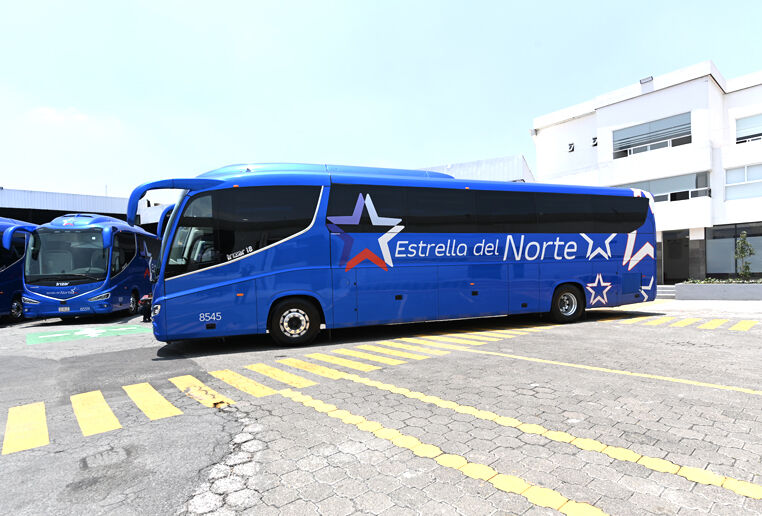
With more than 80 years of history, the Estrella Blanca group is one of the main bus companies in Mexico and with more than 15 famous brands in the country’s transport such as Transportes Chihuahuenses since the 1940s, Futura in the 1990s, or Select in the 21st century. Its routes cover more than 25 states of the Aztec nation.

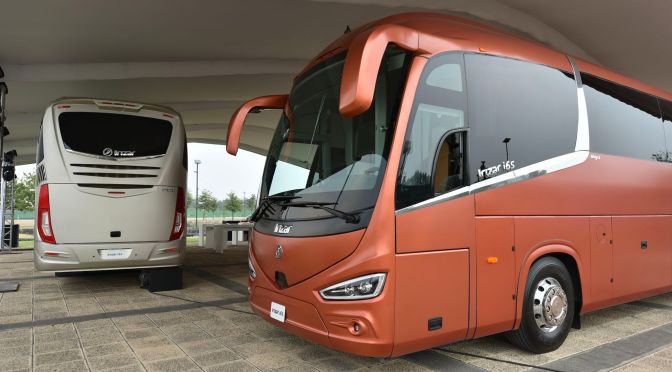
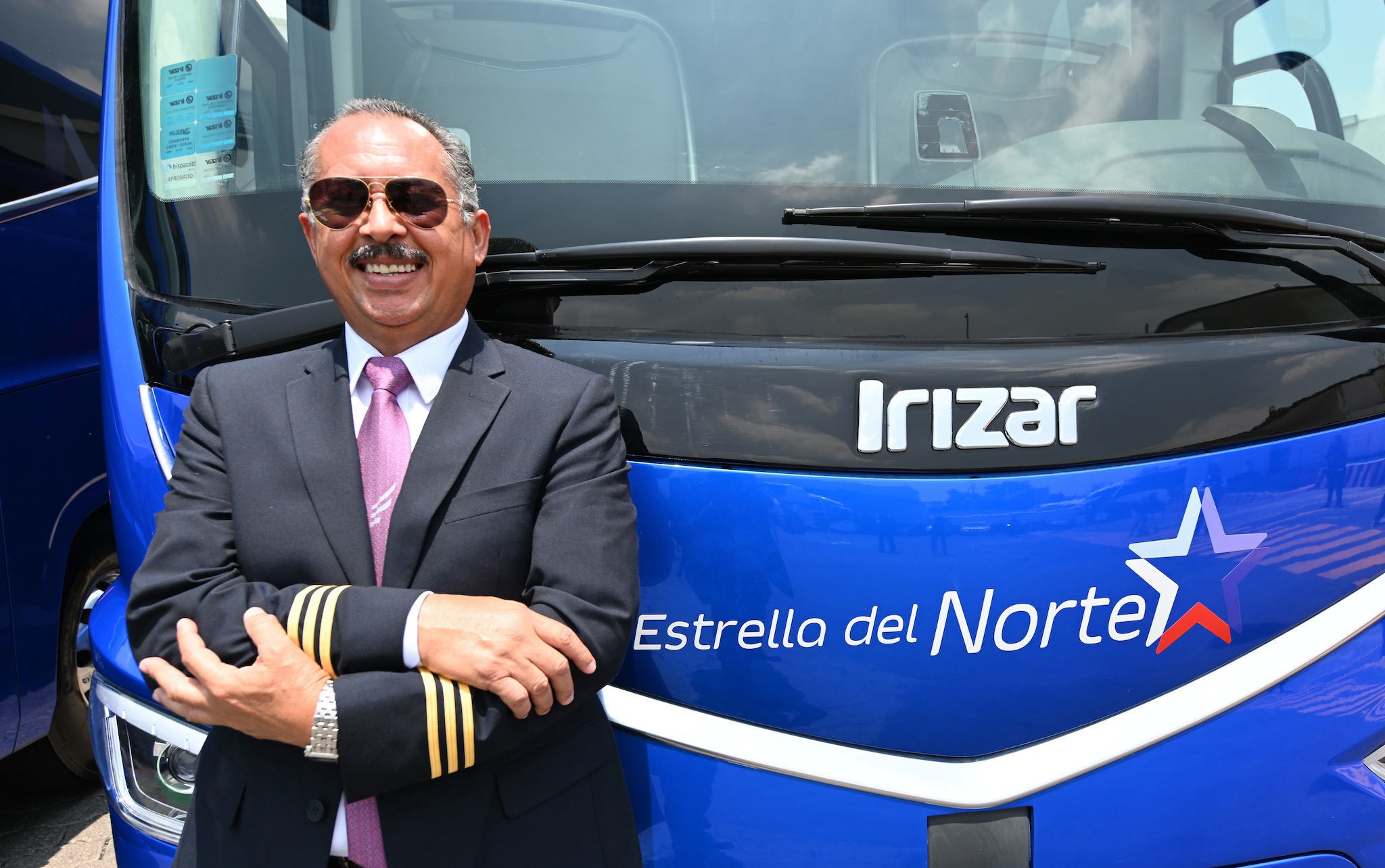
Preparing for the economic recovery and betting on the return of travelers to road or foreign buses as they are called in Mexico, the group has finalized an order for more than 200 buses to renew its fleet. The group has again bet on Irizar and its top-of-the-range model the i8, surprising because the bodies will be mounted on two chassis brands, with Euro 6 engines.

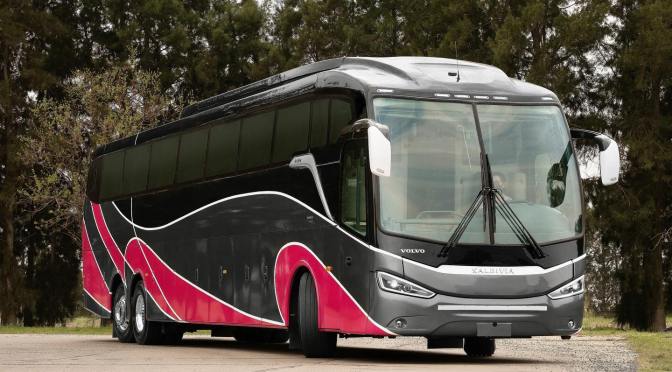
After an exhaustive analysis, the Estrella Blanca Group chose the Volvo B13R and the Scania K500 which will be a novelty on the road for their ability to meet Euro 6 emission standards, which, although they will be a little more expensive than the current Euro 5, they generate lower consumption and emissions, allowing to offset the increase in the initial purchase price. With these orders, the group will be one of the first to make the technology change in our country, seeking to be more environmentally friendly and more efficient with Euro 6 engines.

The buses will be delivered gradually until July 2022, in the distribution of platforms will be 100 Scania and almost 20% more Volvo, which continues to be the leader in the long-distance bus market in Mexico. Also, to highlight the good result of Irizar that in the country market, has been the one that has shown the best results in the month, greeting the reactivation of road trips.

BYD HOUSES THE MARKET WITH MORE THAN 1,100 URBAN ELECTRIC BUSES IN LATIN AMERICA

RIVALS MUST WORK HARD IN LATIN MARKETS

Colombiabus newsroom – William Marroquín / eBus Radar

The eBus Radar platform is one of the organizations that promotes and monitors electromobility applied to public transport in Latin America, in charge of three functions: quantifying the CO2 emissions that electric buses have avoided, promoting data transparency and permanently monitoring the fleets of buses with this technology that operate in the region.

Monthly it publishes the statistics of the cities, the brands and the number of electric buses that are operating. It does not include the units that are awarded in different projects and that have already been ordered from the manufacturers, nor does it include those that were built but have not yet been registered. It is also important to clarify that road models are not recorded, which allows brands such as KingLong (the strongest in the region) or Sunwin, to add to the records.

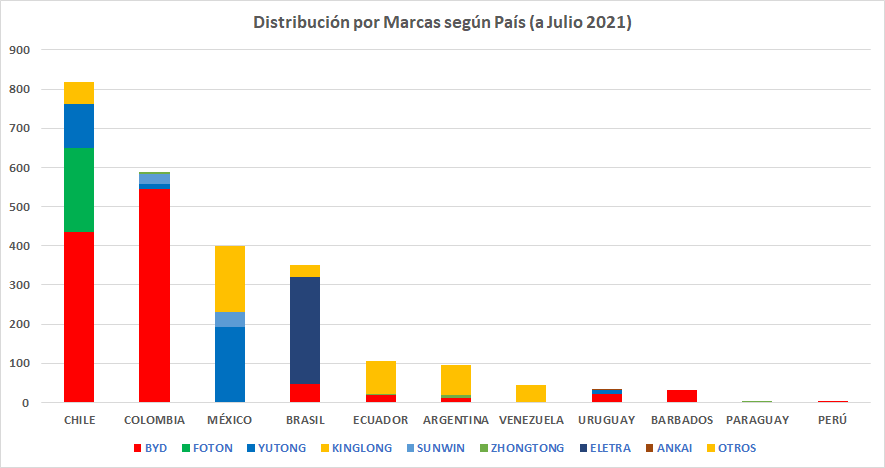
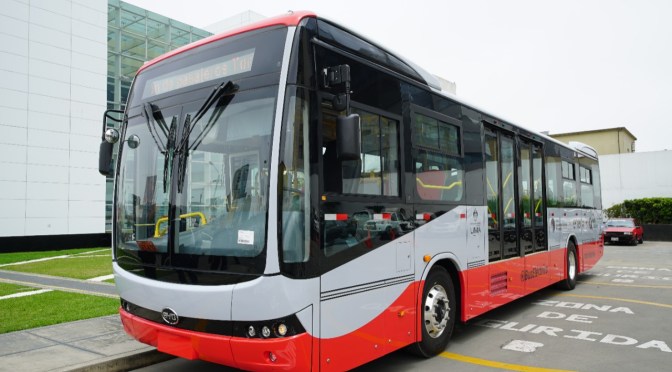
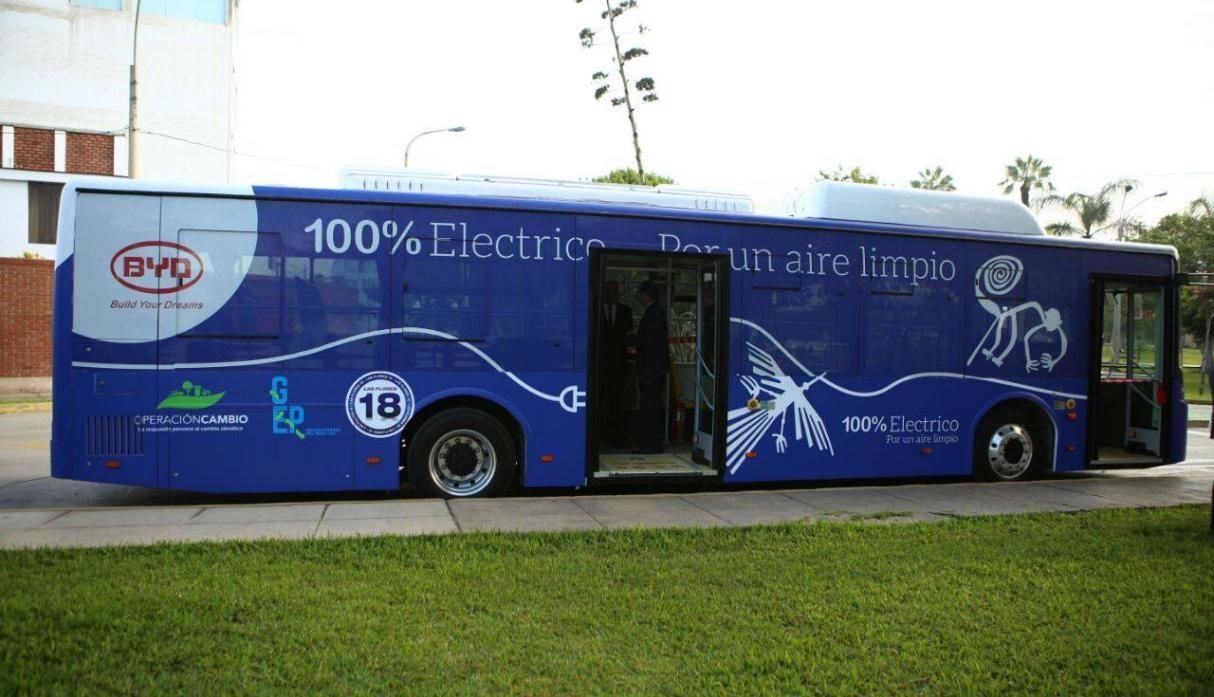
In the accumulated brands that EBus Radar has been following since 2017 and taking data as of July 2021, BYD has 1,114 units sold and operating throughout the continent. An amount that has grown dramatically, especially since 2019 with the fleet electrification projects in the Red de Santiago de Chile, Transmilenio in Bogotá and Metroplus de Medellín system.

It is also a reflection of the work in many countries of several years of the Shenzhen builder, who in some of them spent several years in demonstrations, putting his products to the test in several of the most demanding urban systems in the region and betting without even making a sale a single bus, as electromobility is more grounded and the product has been better adapted to Latin America, orders are on the rise and deliveries planned for Transmilenio in the remainder of 2021 and 2022 will eventually trigger BYD’s advantage over other manufacturers of electric buses.

For a long time, trolleybuses were the majority in the region, especially in countries such as Mexico, Brazil, Ecuador, Argentina and Venezuela, which incorporated them into the fleets of their cities, since the last decades of the 20th century. The trend began to reverse in 2019, already with the positioning of other brands, the development of electromobility in cities and some incipient projects of electrification in road buses.

By 2020, the battery-powered bus fleet, generally recharged in the yard using connectors, became the majority of the electric bus fleets on the continent. This year also marked the appearance of regional projects such as the Modasa initiatives in Peru or Lucky Lion and Agrale developed in Argentina.

Chile, Colombia and Mexico are leaders in the participation of electric buses in the region; having 819, 588 and 400 vehicles operating and registered, respectively. The southern country also stands out for being the one with the greatest plurality of brands since, in addition to BYD as the leader, Foton, Yutong and Kinglong participate. Yutong leads in Mexico thanks to the incorporation of trolleybuses for the country’s capital, where it is also fighting for an important order on the Metrobús routes.

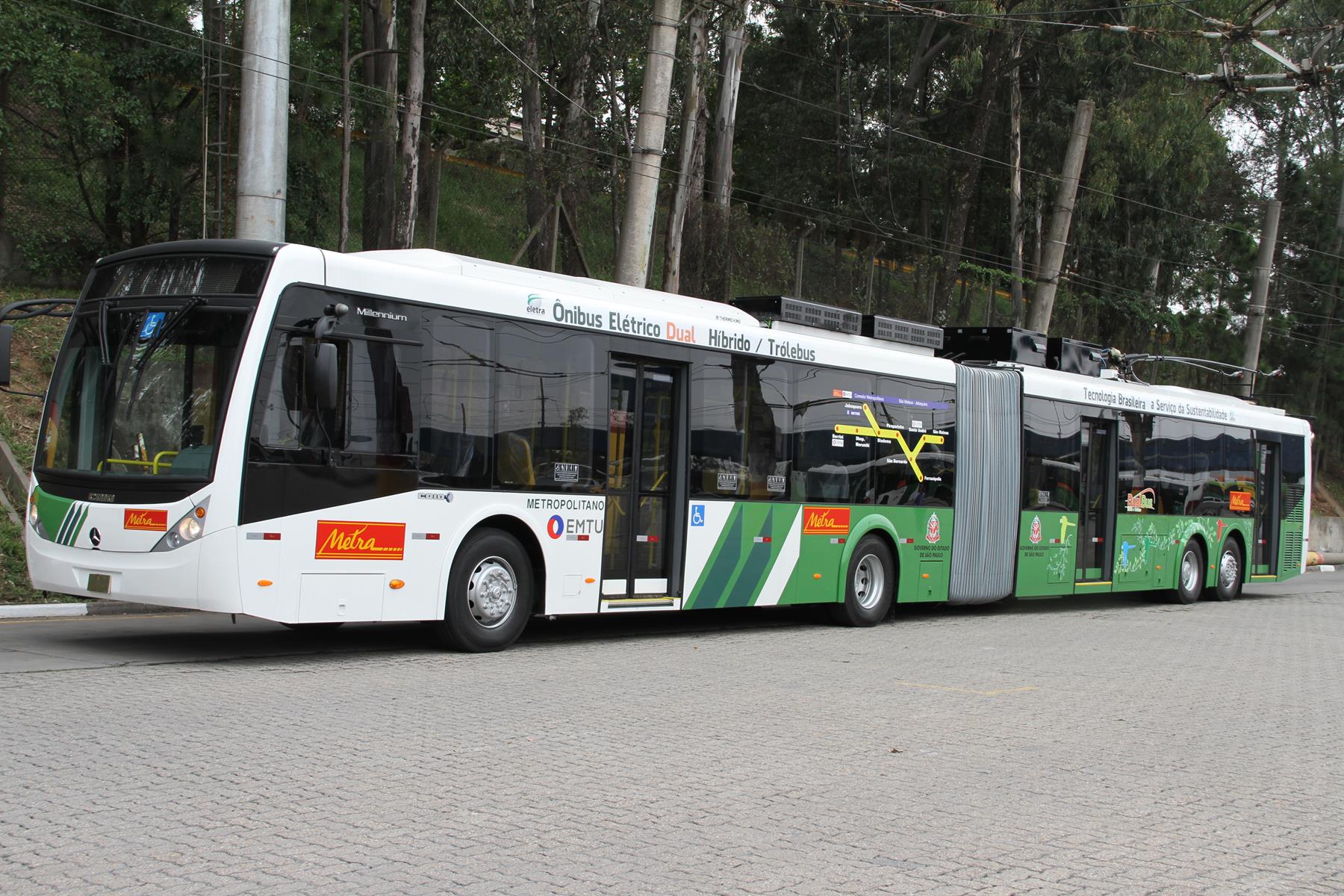
In Brazil, for the moment Eletra is leading the way, thanks to the incorporation of super articulated trolley chassis and 15-meter patterns that roll through São Paulo, coupled to the Millennium model bodies of the manufacturer Caio, although BYD is preparing to cut background quickly.

In the accumulated as of July 2021, eBus Radar reports that the fleet of electric city buses, deployed in Latin America, has contributed to prevent about 256,000 tons of carbon from being sent into the atmosphere. There are many brands present in the region, but little manage to be chosen, because for the operators of the region it is important that the vehicles they want to incorporate into the markets are brought in for testing and also take into account the local bodywork processes, which may even be Due to substantial transformation issues, be mandatory in various fleet modernization projects in the cities of the region.

PERU APPROVES STANDARD FOR ELECTRIC BUSES IN LIMA AND CALLAO

ALSO SPECIFIES AIR RENEWAL STANDARDS

Colombiabus newsroom – ATU / William Marroquín

To facilitate and encourage the incorporation of zero-emission vehicles into Integrated Public Transport Systems, which are also modern and accessible to ensure inclusive mobility for the inhabitants of Lima and Callao, the Urban Transport Authority (ATU) published the Bus Standard Electrical Pattern.

Based on Directorial Resolution 02/2021, which was part of a project that was submitted for discussion, to standardize the characteristics of dimensions, capacities, weights and motor skills, the managing body of transportation in the Peruvian capital published the Directorial Resolution N° 0011-2021-ATU / DIR to be followed by public transport companies wishing to incorporate electric buses and, of course, manufacturers.

The electric buses that are incorporated for transportation in the Lima and Callao area, may have lengths of 9 and 12 meters long for single-body vehicles (midibus and standard), in addition to the articulated and bi-articulated buses that may offer 18 and 27 meters long, respectively. The capacity will start with the 40 passengers of the 9-meter midibus and will reach up to 250 of the double-articulated bus. Likewise, its battery packs must allow a range of at least 200 kilometers.

The permitted vehicle weights will start at the maximum 18,000Kg allowed for the 9-meter bus, up to 42,000Kg for the bi-articulated bus. The angles of attack, the heights from the floor to the passenger lounge, running boards, location of emergency exits are also considered. The units also have defined equipment and locations to facilitate access for people with reduced mobility (ramps, wheelchair lifts, preferential seats and for those traveling with live aid, etc.)

An important section is the renewal of the air inside the vehicles, having to be equipped with forced mechanical ventilation systems that allow fresh air to be delivered and to expel the stale at least 30 times per hour. Fans, inductors and extractors must consider a continuous work day of 14 hours. The master buses will also have an air conditioning system, as well as a biosafety system (which includes temperature gauges when entering the bus) and video surveillance cameras (to view the interior and exterior of the unit).

Speakers and signs will also be included for the transmission of variable information to the users of the service, acoustic alerts, racks for the transfer of bicycles in the front of the vehicle, among other features that will optimize the experience and improve the quality of the service in favor of the Username.

The publication of this standard is the product of a process of dialogue, learning and feedback with operators, entrepreneurs and local and international authorities. In this way, it is expected to offer the best conditions for the new buses that come to operate in the integrated transportation system for the nearly 11 million inhabitants of Lima and Callao.