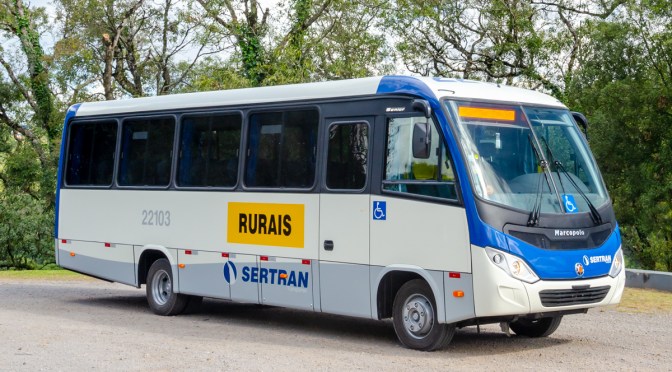
Sertran, is an operator of business, tourist and rental transport services (fretamento) of the Brazilian city of Ribeirao Preto. It is considered one of the largest in the activity in Brazil, mobilizing daily more than 13,000 workers from industries in the sugar and energy sector, mainly in the towns of Minas Gerais, Mato Grosso do Sul and São Paulo.
Sertran has trusted Mercedes-Benz to remain the leader in Brazil in sales of bus chassis and vans for the country’s business transport services, which have experienced a great recovery. That confidence is reflected in the 101 units that the company will receive between bus chassis, midibus and vans to modernize its fleet of vehicles.
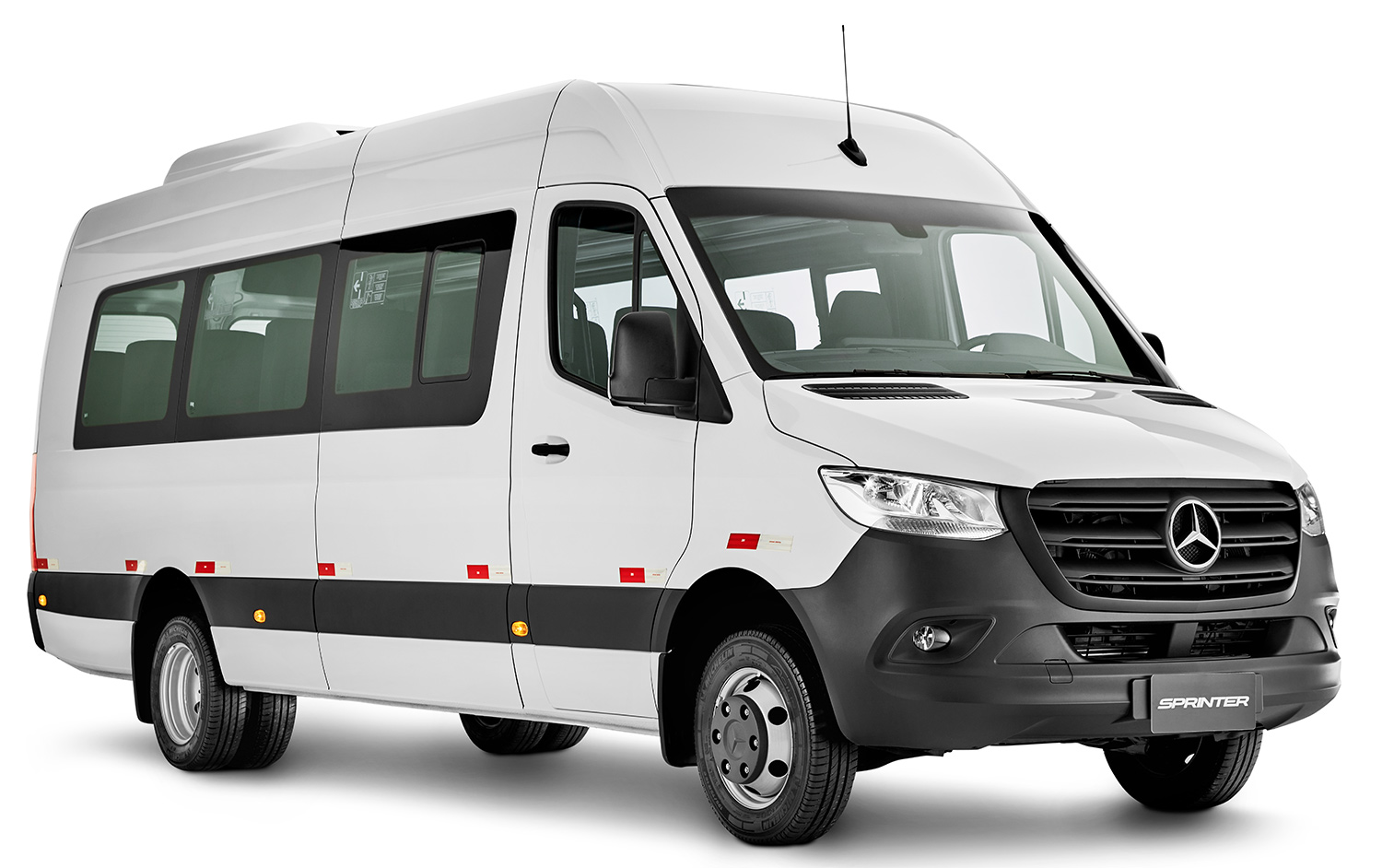
The order comprises 20 chassis of the OF1721 bus, 45 LO916 midibuses in both cases bodied with the Marcopolo Ideale and Senior models. Additionally, 33 Sprinter 415CDI vans with capacity for 15 + 1 and three of the 516CDI model in 19 + 1 configuration were ordered, Sertran has already received the midibuses, while the buses and vans are in readiness. With this order, the company’s fleet is around 900 units, where Mercedes-Benz represents 90% of the automotive fleet, being an ally for more than 25 years when the company was founded.
The order reaffirms the analyses of both Marcopolo and the transport industry in Brazil, which point to a slow recovery of the road segment, but with a charter sector that continues to boom in 2021, where the bus giant has a market share of 52.7%
The road transport segment is going through the worst crisis in its history worldwide, due to mobility restrictions and social distancing imposed by the Covid-19 pandemic. In Brazil, while rental and business transport services progress, being the protagonists of the deliveries of new vehicles this year, road route operators resist, although others are betting on the recovery and consider that the worst is over.
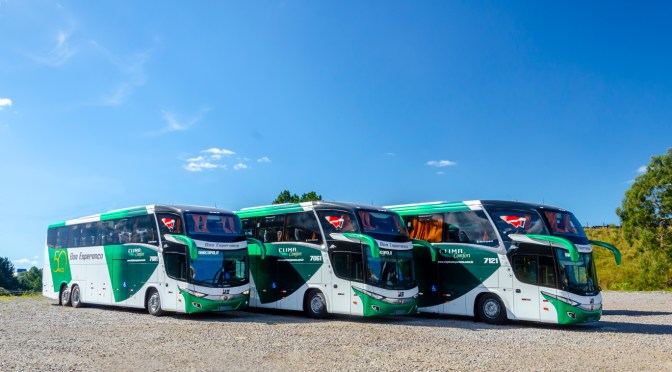
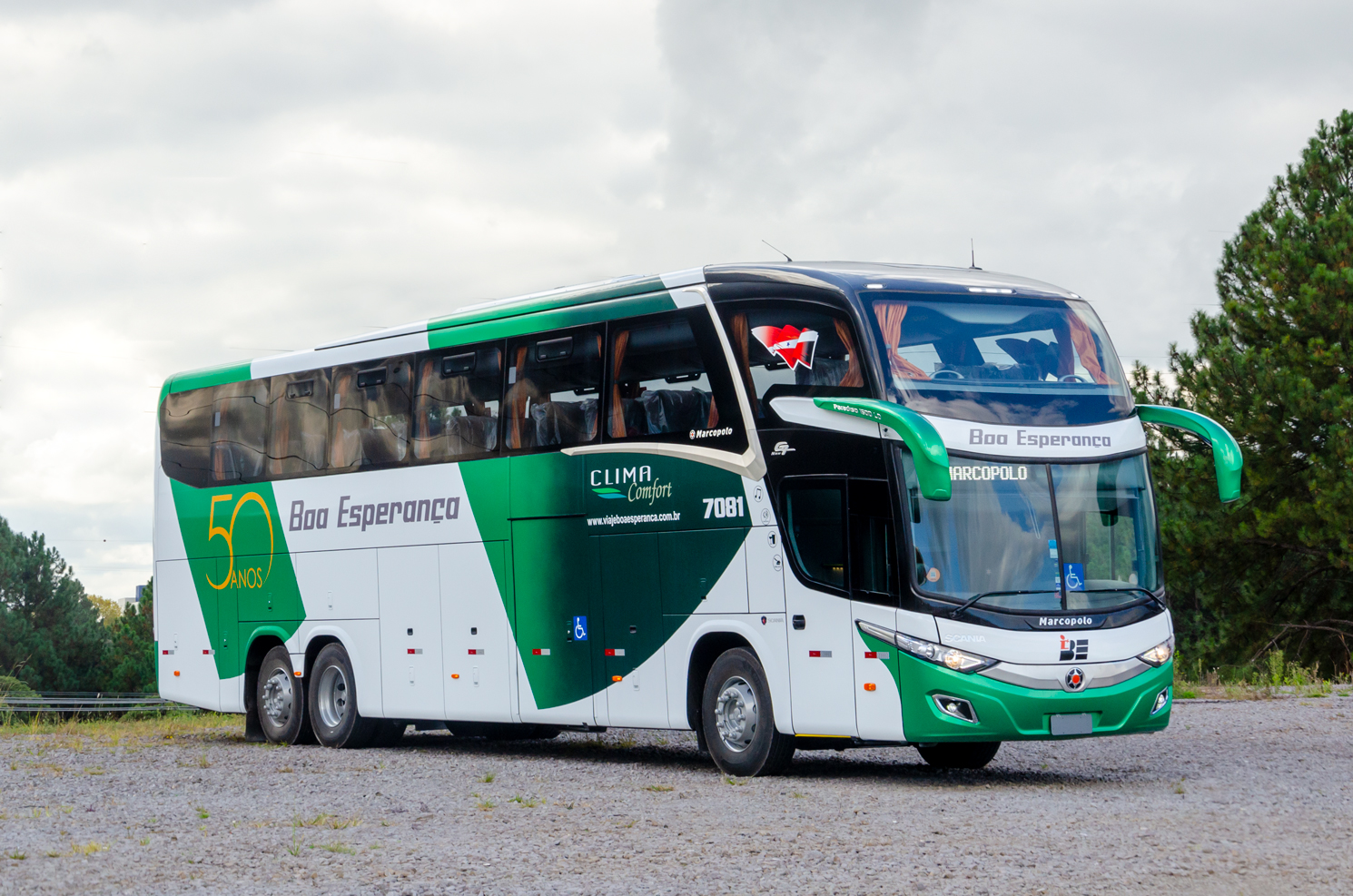
This is how Boa Esperança considers it, who has ordered 16 units of Marcopolo’s larger models, receiving 10 Paradiso 1600LD New G7 with Scania K400 chassis and 6 Paradiso 1800DD New G7 on the Scania K440 8X2 that arrive to commemorate 50 years of history of the transportation company of the state of Pará.
The ten Paradiso New G7 1600 LDs have capacity for 48 passengers in semi-bed seats, benefiting from the largest storage capacity on the market and include elevators for people with reduced mobility. For their part, the six Paradiso New G7 1800 DD have different configurations: four have capacity for 64 passengers, with 12 seats on the lower deck and 52 semi-seats on the upper deck, and two have 43 seats, with 12 seats on the floor, lower floor and 31 sofa beds, on the top floor.
All vehicles are equipped with air conditioning system, wood-look floor, individual light, 110-volt outlet, cup holders and USB ports on all seats and Wi-Fi, as well as a toilet. Boa Esperança stands out for being the most representative operator in the north of Brazil. With a modern fleet, it operates dozens of interurban and interstate lines, promoting the connection of the capital of Pará with several municipalities in the state and several others in the northeast of Brazil.
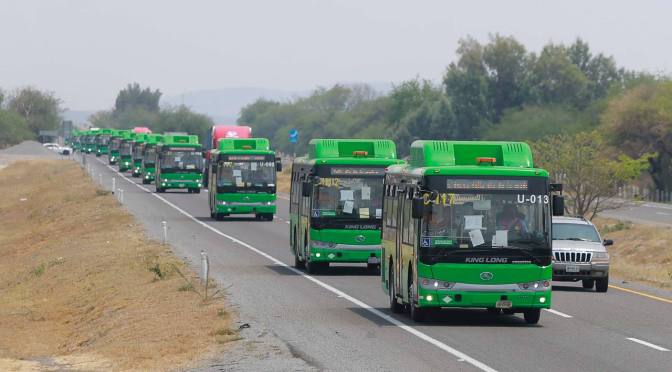
Two years ago, the Chinese manufacturer King Long had delivered an order for 170 gas buses for the city of Querétaro and thanks to the good result of the operation, the way has been opened again for the brand to send a new batch of important size, for another Mexican state, in this case Jalisco.
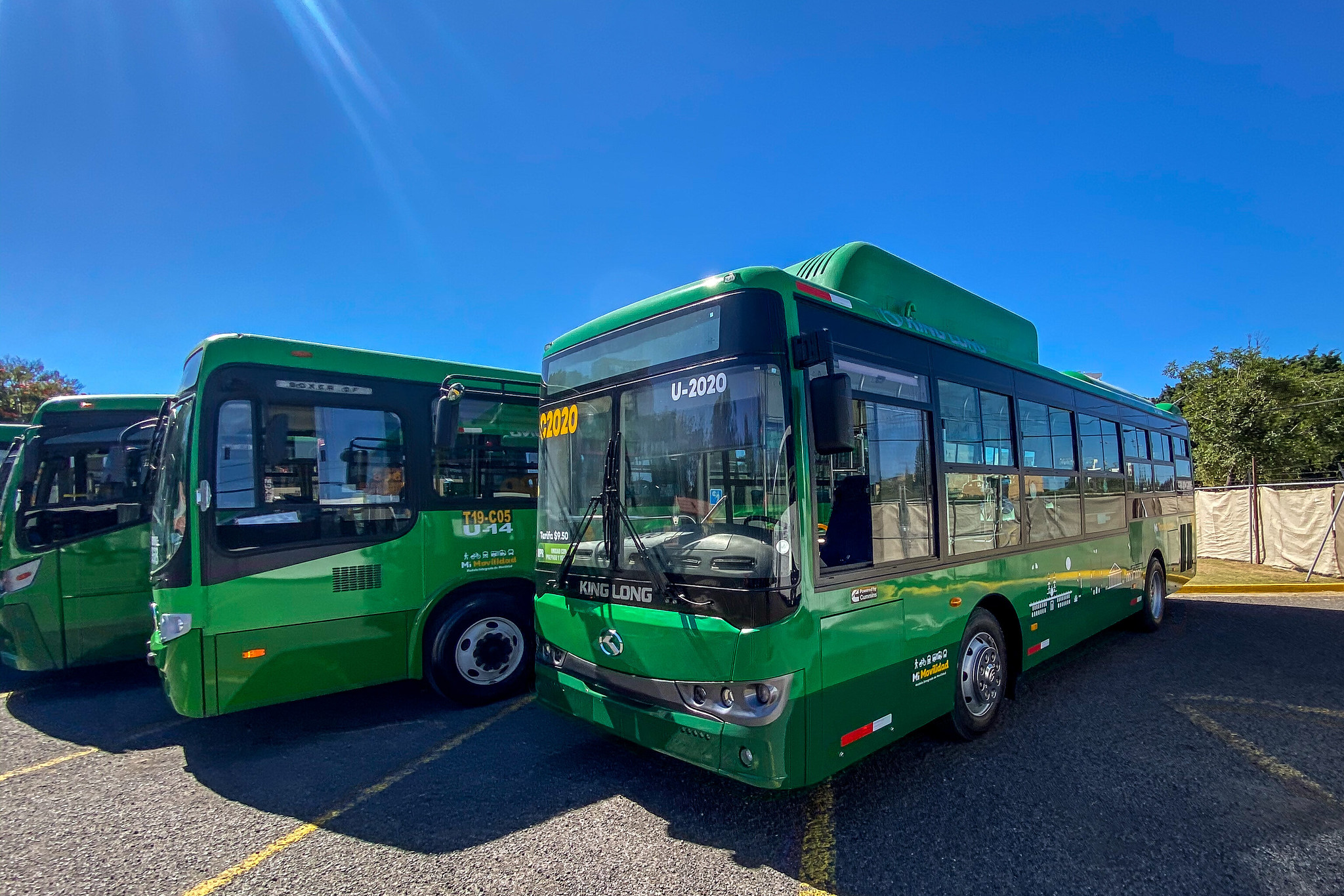
166 new buses have arrived to operate in Guadalajara, the second-largest city in Mexico. This lot of King Long gas buses comprises 61 units of 9 meters; 75 vehicles are 10 meters long and the remaining 30 are 12 meters long. Powered primarily by a very low monoxide, particulate matter, and fairly quiet 6.7-liter ISB-G family Cummins engine. They offer as an advantage the possibility of operating with biomethane or renewable natural gas, to reinforce their character as sustainable buses.
The Chinese manufacturer was able to complete the delivery of the 166 bus units to its operator in just 60 days. To adapt to the harsh road conditions and high altitudes of the city, King Long buses have made a number of adaptations and fully comply with local laws and regulations. They have added flashing lights as a warning system to both pedestrians, and other road users, and are equipped with bike racks to encourage low-carbon travel.
To improve the management of all vehicles, King Long buses have monitoring systems to regulate the driving behaviors of bus drivers. Furthermore, the smart system developed independently by the bus manufacturer enables bus operators to manage their fleet more efficiently.
These buses are part of the fleet renewal of the “Mi Transporte” public transport system in the state of Jalisco, where nearly 200 vehicles with propellants capable of meeting Euro V and Euro VI emission standards were released in 2020.
Colombiabus newsroom – William Marroquín / Transporte Carretero
CONVEYORS CHOOSE HYBRID INSTEAD OF ELECTRIC
Since 2007, Yutong has been present in Uruguay and throughout all that time it has been approaching the country’s transporters, including urban ones that have found in the hybrid vehicles of the Chinese manufacturer, the balance between performance, economy of operation and care of the environment. In 2018, the first bus of this type, which conquers more operators in the city, rolled for the first time on the streets of the capital Montevideo, now with a new batch of 25 units that are getting ready to roll through the streets.
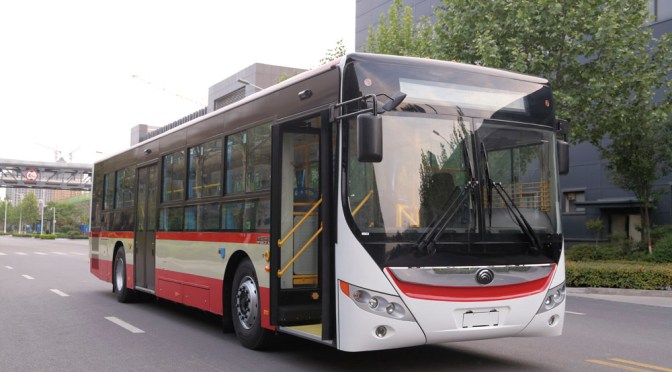
These units correspond to the integral model ZK6125 CHEVG, 12 meters long, which combines a low consumption diesel engine from Cummins origin belonging to the ISDe family with 6.7 liters of displacement and 245HP of power, complying with the Euro III emissions standard. In force in the country, it is equipped with a turbocharger and intercooler and also delivers 925Nm of torque. For its part, the electric generator is Yutong’s own development, while the automatic transmission and other drive components have been provided by ZF.
The new buses have arrived for the routes of three operators in the Uruguayan capital: Corporación de Omnibus Micro Este (COME), Cooperativa de Obreros y Employeados del Transporte Colectivo (COETC), which was the first to have this type of units and Unión Cooperativa Obrera of Transportation (UCOT). Hybrid buses have the same configuration for each company, being able to transport up to 31 seated people, two doors to board, access for people with reduced mobility through a ramp thanks to the low floor, air conditioning and pneumatic suspension.
The operators are very satisfied with the result of the Yutong ZK6125CHEVG buses that have been operating since 2018, taking advantage of the fact that the Cummins diesel engine is widely known and reinforced with the economy in consumption, since with air conditioning on they are saving up to 35% of fuel compared to an equivalent diesel bus, without air conditioning they can save up to 45%. Considering the higher initial capital cost of an electric bus, the balance tips in favor of the hybrid.
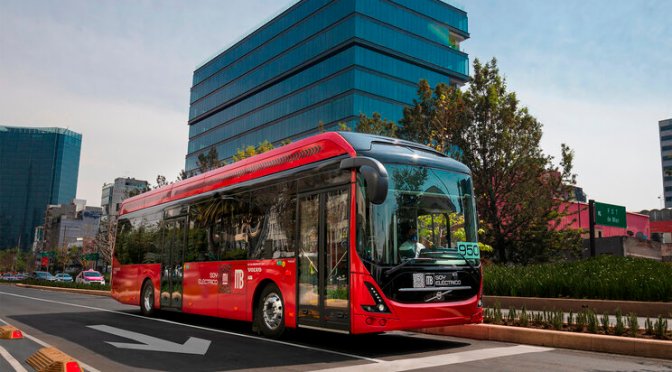
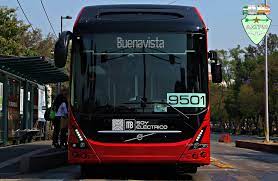
Volvo Buses wants to bring the good results of its experiences in Europe with electromobility solutions and is now expanding its global reach to the Latin American market by testing the Volvo 7900 electric bus in Mexico City, with tests on line 4 of the Metrobús system.
The all-electric unit is 12 meters long, features Volvo Buses’ signature technology and mitigates emissions and noise, contributing to the development of a more sustainable city. “Electromobility is not just for the future, it is here today. Demands and ambitions to reduce or minimize emissions and noise are rapidly driving this development. Now we are happy that Mexico City is joining many other cities around the world to test and then hopefully move to electrified public transport” says Anna Westerberg, President of Volvo Buses.
Volvo Buses has been present in Mexico for more than 20 years and continues to provide the most innovative solutions in sustainable mobility in the country. The goal is to deliver its electromobility technology in line with the Zero City concept, with the ambition of zero emissions, zero congestion, zero accidents and zero noise. Volvo Buses is an experienced and trusted partner for the implementation of urban electromobility solutions and systems, with a successful track record in various cities around the world over the last ten years.
The Volvo 7900 electric bus being tested in Mexico City runs on a 330 kW battery and is configured for overnight charging. The unit has a low floor, providing easy access for passengers and more efficient operation. It also has universal access for people with disabilities, with space for a wheelchair and guide dog. The bus will be subjected to the most demanding tests in real operation for six months.
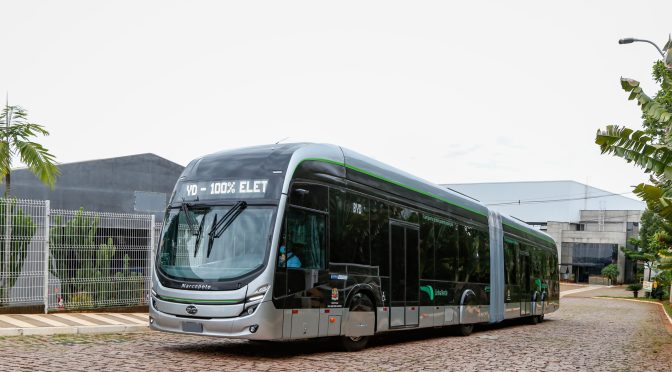
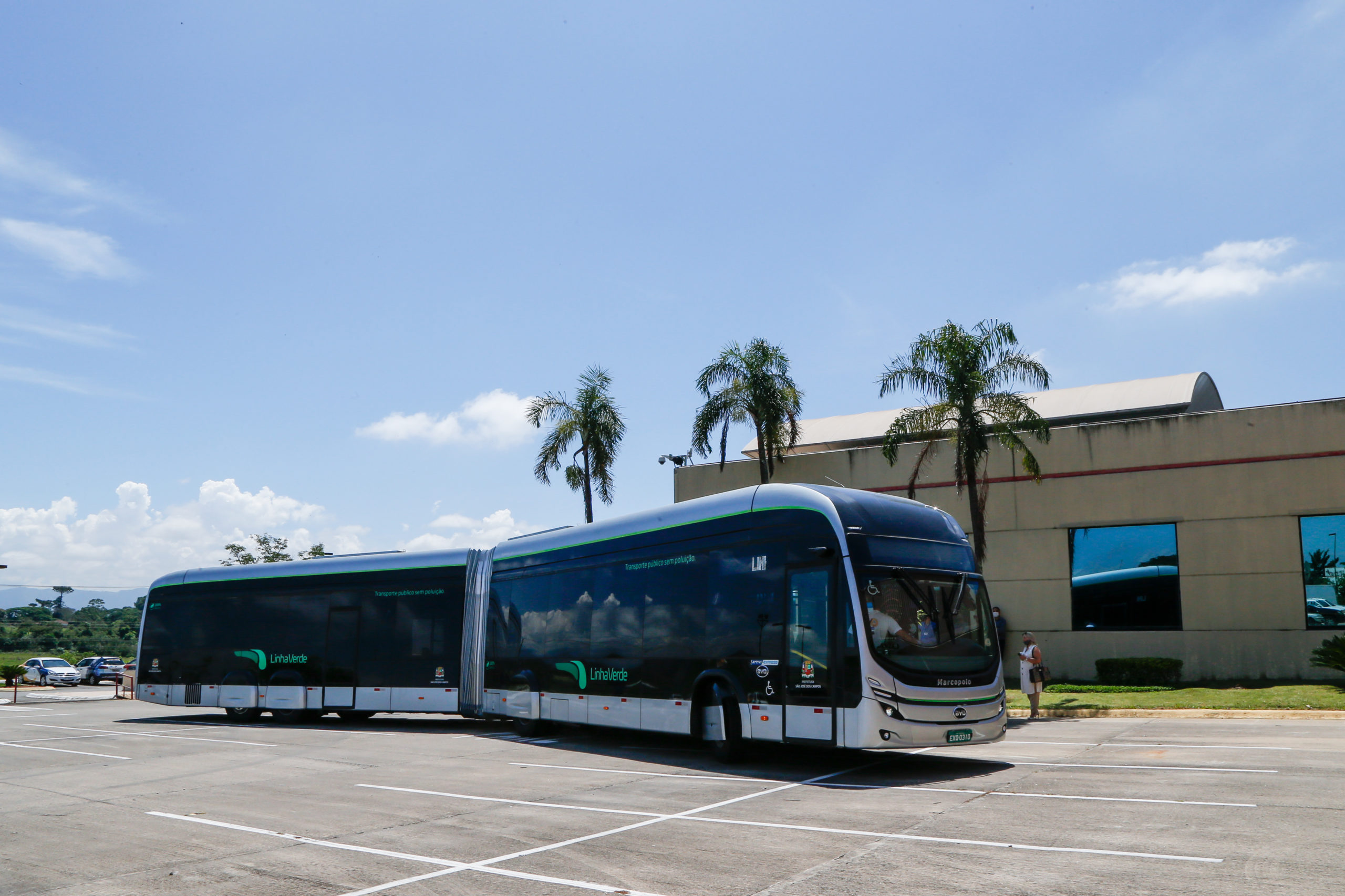
Committed to the global challenge of minimizing the environmental impacts caused by the emission of polluting gases, Marcopolo reinforces its performance in the production of sustainable vehicles. The company produced the first 100% electric pneumatic light vehicle (VLP) in Brazil, in partnership with BYD, and has already supplied around 370 electric and hybrid units to various countries, including Argentina, Australia and India, with 75 vehicles in circulation in Brazilian Territory.
Marcopolo’s body design is called Attivi Express. The model was produced exclusively for articulated chassis with 100% electric propulsion. The bus is 22 meters long. And it has lithium iron phosphate (LifePO4) batteries. Thus, its autonomy is around 250 km with a full charge of three hours.
It has capacity for 168 passengers, in addition to spaces for wheelchair users. The VLPs have upholstered armchairs with individual headrests and USB ports, ceiling monitors, radio, and speakers. The exterior lighting has full led headlights. In this way, maximum light efficiency is guaranteed.
The reduction of greenhouse gas emissions is a commitment of the countries, signed in the Paris Agreement, and reinforced by the US President, Joe Biden, last week at the Climate Summit, with the participation of 40 nations. At the meeting, commitments were reinforced with measures that will help prevent the planet’s temperature from rising above 1.5 °C in one hundred years.
Faced with this scenario, Marcopolo continues in the search for clean energy technologies that help curb global warming. The company’s expectation is that another 400 units will be in circulation in Latin America by 2022.
Ecuador is one of the few countries in Latin America that still has a local auto body industry and that, for many years, its transporters have been served by the supply of national builders. However, in recent years, it has been seen how the transporters of the Andean nation have been more open to the incorporation of foreign buses, mainly from Brazil, China, Peru and Colombia.
A bodywork industry where great care is put into the interior finishes, although it has also been considered one of the paradises of copies, based on several of the best-selling models from all over the continent. An issue that is even already in legal proceedings, that was seen to come and that is also both a warning bell, and the opportunity for Ecuadorian builders to start, once and for all, the development of totally original creations, making the most of the potential of your industry.
Miral Autobuses, based in Ambato, is one of those few builders that shies away from copies, collecting what is set by world trends, customer feedback and market experiences.
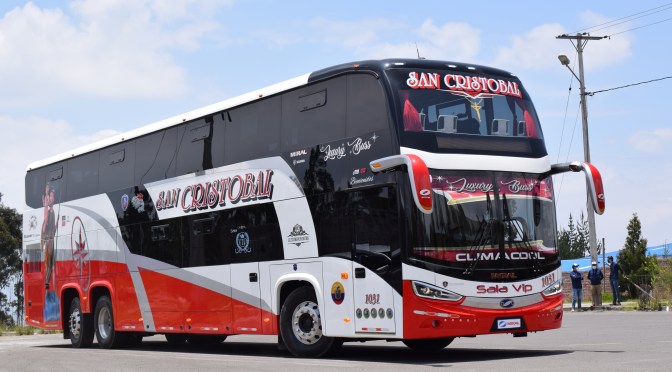
With these bases, Miral began in 2019 the development of a luxury double-decker bus, suitable for the main 6X2 rear-engine chassis available in Latin America. A few weeks ago, it became a pioneer in Ecuador presenting its model for this road segment, marking a milestone with the new IM9DD, at the height of the most used in this region and seeking international expansion.
A launch for all of Latin America where Cooperativa San Cristóbal, which in December 2021 will celebrate 50 years of history, became the first client of IM9DD. The Tulcán company, on the border with Colombia, has recently carried out an important renewal of its fleet with which it crosses the country reaching Huaquillas, on the border with Peru.
STYLE AND DISTINCTION
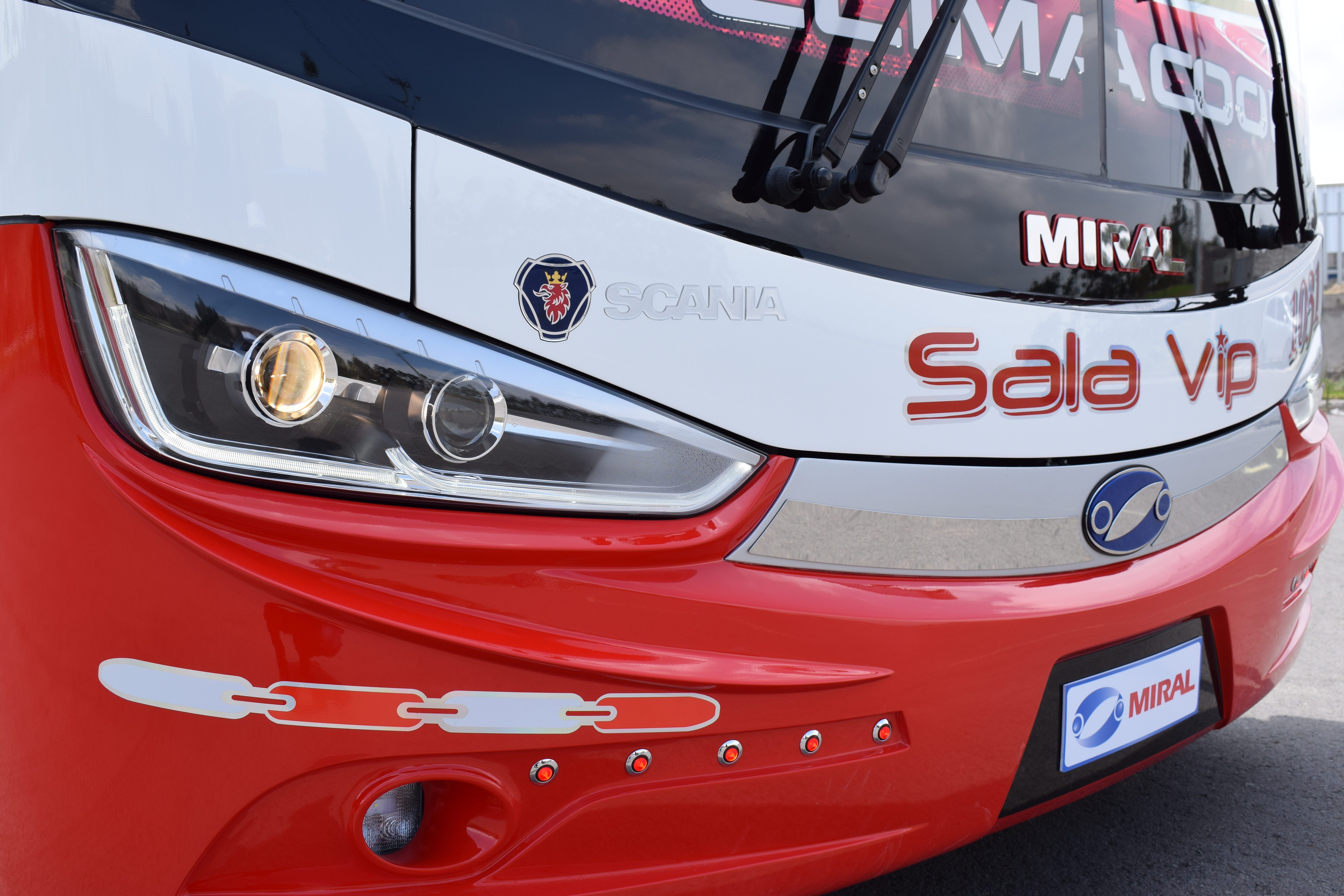
In its exterior appearance, the Miral IM9DD has a mix of styles from other buses in the region, with its front with elongated trapezoidal lamps and round LED fog light units, the elements that give it its identity, along with the large external rear-view mirrors advanced. On the sides, the almost square wheel arches and the low angle of the second-level panorama give it a robust appearance.
The windows of the second level are integrated with those of the first, by means of curved side windows in the driver’s area and straight ones in the passenger area with a black glass. At the rear, the grille identifies features seen in other double-decker buses, especially the Colombian ones. A careful exterior finish allows achieving sobriety without losing appeal.
AN OASIS FOR THE TRAVELER
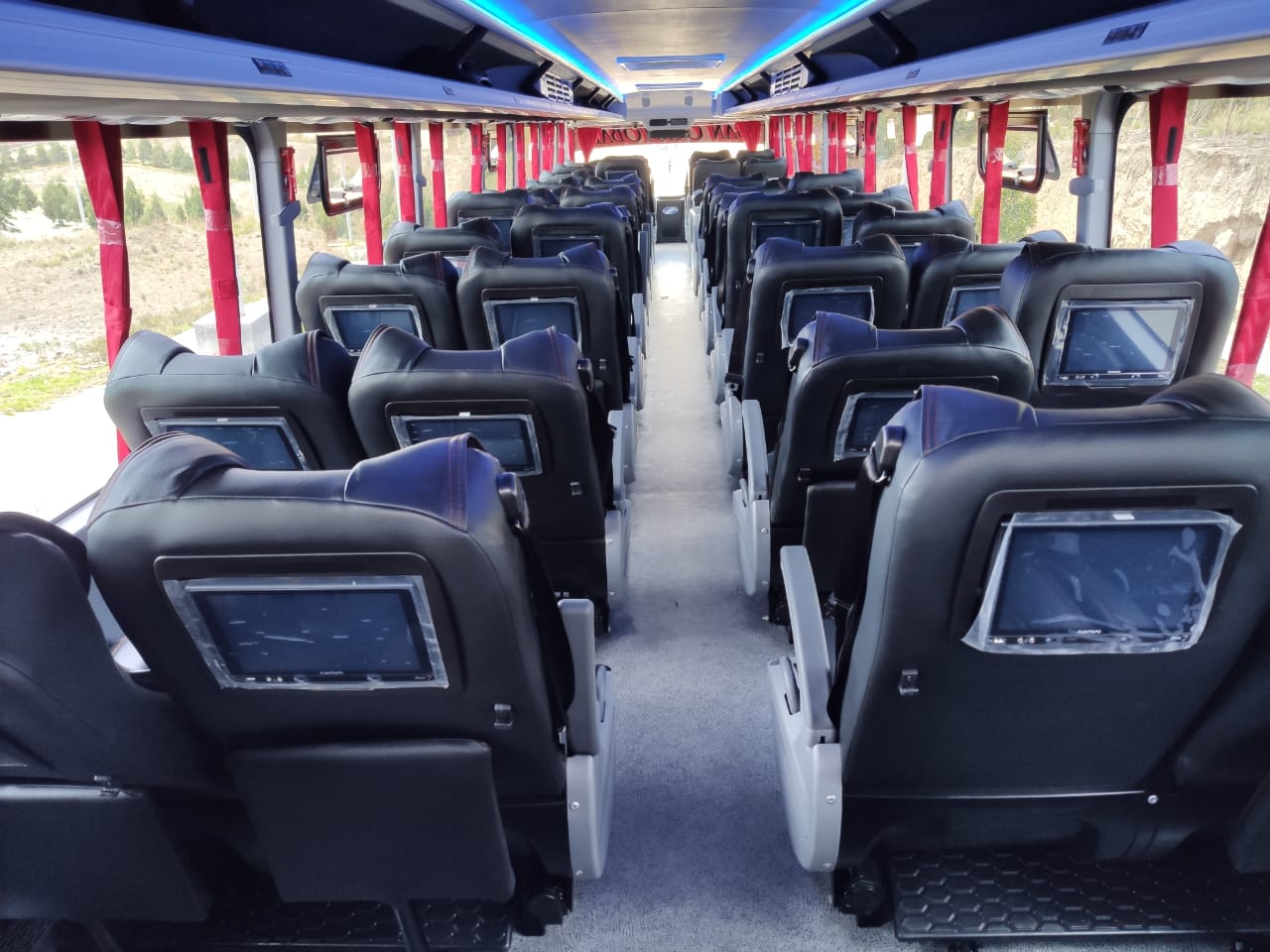
If the exterior looks sober, the interior immediately conveys distinction and luxury. Light gray plastic pieces and dark-toned seats combine with LED lighting for the driver and passenger areas, as well as chromatherapy. Very attractive material details and soft touch buttons for the reading lights and air conditioning vents are present on the roof rack.
Semi-bed seats, inspired by European coaches, but with greater width and thicker backrest, include calf supports combining black, gray and red stitching. Reclining up to 150 degrees, they feature memory gel technology, all equipped with three-point retractable seat belts, power outlets and individual entertainment screens.
A provision of 16 seats on the first level where the toilet is and 48 on the second, maintaining the same services for travelers on each floor, in accordance with the specification of Cooperativa San Cristóbal.
A LUXURIOUS AND MODERN OFFICE
A leather-trimmed millaré presides over the instrument cluster and brings it to a higher level where all controls are easily accessible to reduce distraction for the driver, whose seat is air-suspended and adjusts to his weight. Cabin ventilation and lighting functions are centralized in the Multiplex panel, the operator’s bedroom is also very comfortable, equipped with an audio, video and air conditioning system.
It is worth highlighting the inclusion of the ADAS active safety package and its three systems: adaptive cruise control to regulate speed and distance, automatic emergency braking and warning of involuntary lane departure; all of them act without the driver’s intervention, with sensors that capture the information to make decisions autonomously.
As if that were not enough, Miral’s IM9DD becomes one of the first Latin American buses to equip the camera system with high-resolution video monitors, so that drivers have optimal visibility, better calculate maneuvers and eliminate blind spots. They can be combined with traditional electrically adjustable exterior mirrors.
It should be noted that Miral Autobuses ensures the supply of components such as cabin thermoforming, toilets, seats, cameras and the interface to operate the entertainment screens, among others, specifically developed by its subsidiary Miviltech.
BEYOND ECUADOR
The project was defined at the end of 2019, the first chassis arrived in May 2020 at the bus plant, with a production process that was resumed after overcoming the mandatory confinement restrictions. At the premiere of Cooperativa San Cristóbal, it is expected that it will soon become an International Pan-American famous for its routes between Ecuador and Venezuela.
The bus released by Cooperativa San Cristóbal is valued at $350,000, considering equipment such as inflight entertainment and driver assistance systems. There are multiple options for toilets, refrigerators, colors, connectivity elements, seats and other accessories for transporters to configure the bus of their dreams.
A model that should motivate other Ecuadorian builders to exploit their potential, integrating engineering and industrial design, to bring transport solutions out of the natural market. Miral Autobuses took the step with an attractive bus in tune with the most popular models of the segment in the region, and it will be in the fight, because it is not lacking in arguments to compete.
QEV Technologies, a Spanish company from Barcelona dedicated to engineering specialized in electric mobility, competition, commercial and luxury vehicles, has partnered with Geotab, a world leader in connected mobility, fleet management and electrification systems, to meet your needs for telematics. QEV Technologies seeks to transfer the technology and experience developed on the racing tracks to the roads, through commercial and luxury vehicles.
This alliance allows it to offer its clients the latest technology in fleet management, telematics and Geotab connectivity, combined with the experience in data analysis and vehicle management on the circuits that QEV Technologies carries out on a daily basis.
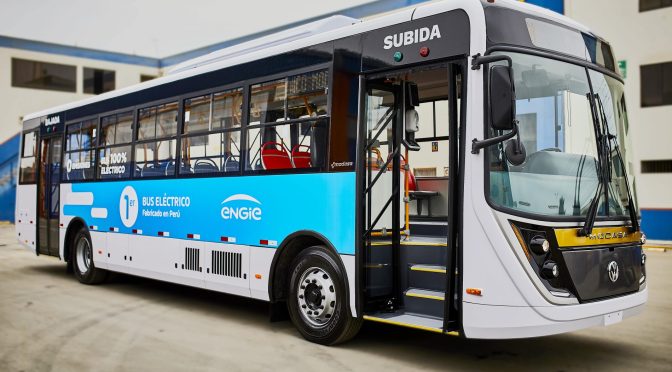
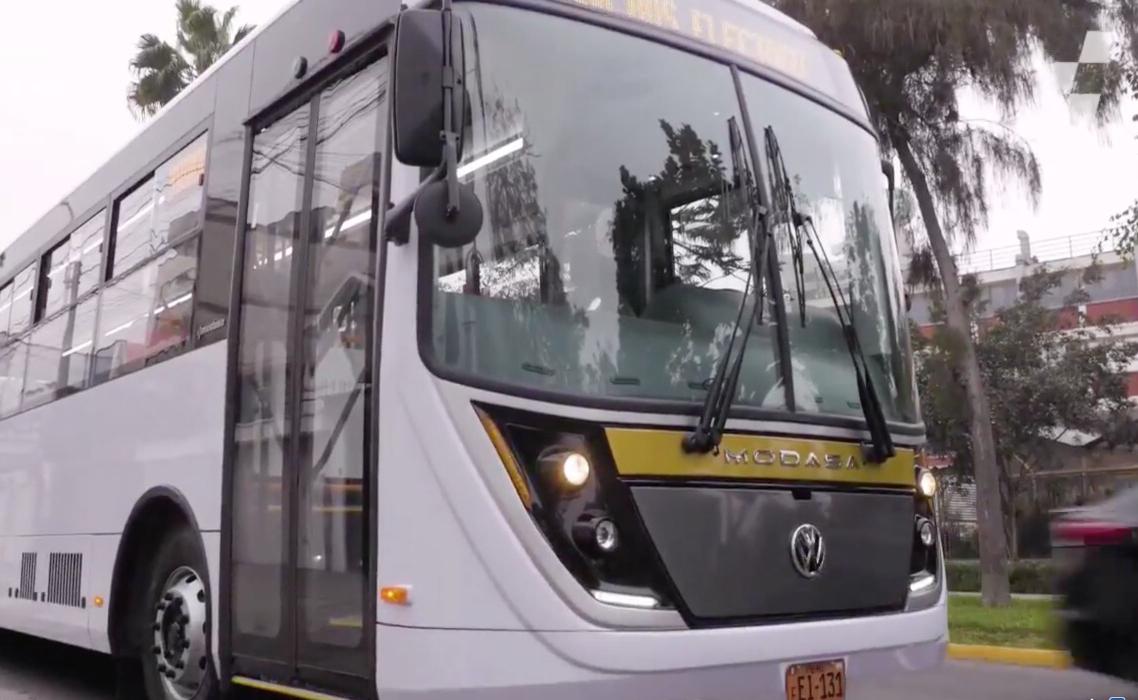
QEVTech Bus is QEV Technologies’ division for urban mobility solutions around the world. Its product range ranges from electrical kits, which can be used for conversions, to chassis of different sizes and complete vehicles with various applications. In 2017, QEVTech Bus obtained funding from the European Investment Bank for its conversion kits; In 2019, QEVTech Bus presented in Manila (Philippines), the COMET, a fully electric urban bus with capacity for 30 passengers and its most noticeable development that has had an impact in Latin America was in 2020 with the Modasa E-Titan, the first electric bus developed in Peru.
Geotab, also a Spanish world leader in connected mobility and fleet electrification, provides an open platform of fleet management solutions for companies of any size around the world. Geotab’s comprehensive and intuitive solutions help QEV Technologies customers better manage their fleet by obtaining accurate information from real-time and historical vehicle data.
Through the processing of 40,000 million data points from more than 2.2 million vehicles around the world, Geotab provides key business intelligence for companies to make decisions based on data that improve their safety, productivity, efficiency, sustainability, and much more.
Together with Geotab, QEV Technologies works to become a leader in energy transition and sustainability, the fundamental principles for which QEV Technologies was created. Geotab securely connects vehicles to the internet, providing advanced analytics for fleet management. The open platform and the Marketplace allow small, medium and large companies to automate processes by integrating vehicle data with other company data.
LOS BUSES SON DIÉSEL EURO 6 Y LA ORDEN PUEDE AUMENTAR
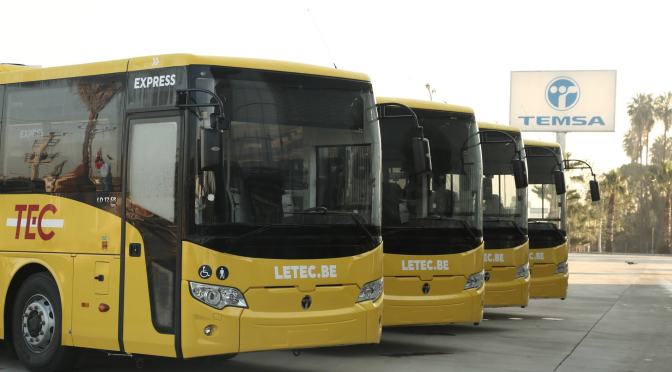
Temsa es uno de los fabricantes de buses más importantes de Turquía, que ha tenido la osadía de entrar en el sumamente difícil mercado de los Estados Unidos. En su gama de modelos de carretera e interurbanos, ofrece vehículos desde los 7 y hasta los 13 metros con desarrollos integrales, con motores provenientes de DAF (Paccar), Cummins y FPT que se combinan con transmisiones ZF o Allison dependiendo de las necesidades de los operadores.
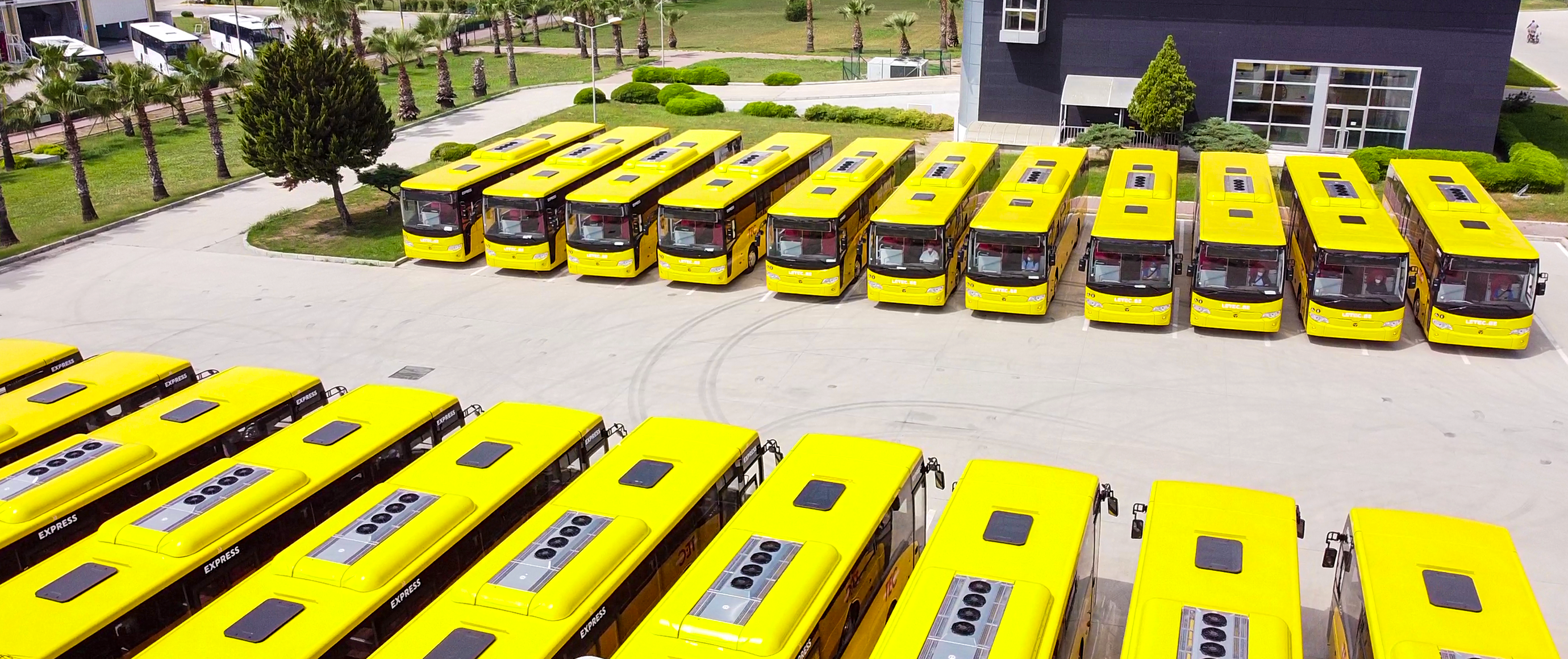
El fabricante, ahora propiedad de Sabanci Holding y PPC Group (dueña de Skoda Electric) ha incrementado la velocidad de sus entregas de buses para una mayor penetración en el mercado europeo. Finalizando 2020 entregó sus primeros 4 buses a Bélgica, con destino al Operador de Transporte de Valonia (OTW), que atiende rutas en esta región del sur del país. Ahora Temsa entrega el segundo grupo de 22 vehículos de su modelo LD SB Plus.
Los LD SB Plus están orientados al transporte interurbano y de cercanías, ofreciendo un diseño modular, amplio equipamiento interior, economía en la operación y un costo total de propiedad (TCO) optimizado, seguros y rentables. Están propulsados por el motor de FPT N67 con 6,7 litros de desplazamiento y una gran potencia de 320HP para el tamaño del motor, que además entrega 1.100Nm de torque.
Los LD SB Plus prometen un viaje cómodo a los pasajeros, con una función de bajada / elevación de la carrocería que facilita la subida y bajada y la opción de un ascensor operado eléctricamente para personas discapacitadas. Además de la función de medidor de alcohol del modelo LD SB, que garantiza una conducción segura, su equipamiento, como el sistema de frenos automático, el parabrisas calefaccionado y el sensor de marcha atrás, facilitan el uso del conductor y proporciona a los pasajeros un viaje cómodo y seguro.
Dentro del alcance del acuerdo marco de pedido, el mayor pedido de autobuses en la región del Benelux en los últimos años, se espera que el número vehículos de la marca TEMSA que llegarán a las carreteras de Valonia alcance las 40 unidades con entregas adicionales.
THEY ARE THE FIRST CAIO IN VOLVO CHASSIS OF 15 METERS
The São Paulo bus manufacturer Caio and Volvo Buses México partnered again and sold 35 buses to the Mexico City Metrobús system, which will run on Line 4 that connects the city’s international airport and connects with Paseo de La Reforma.
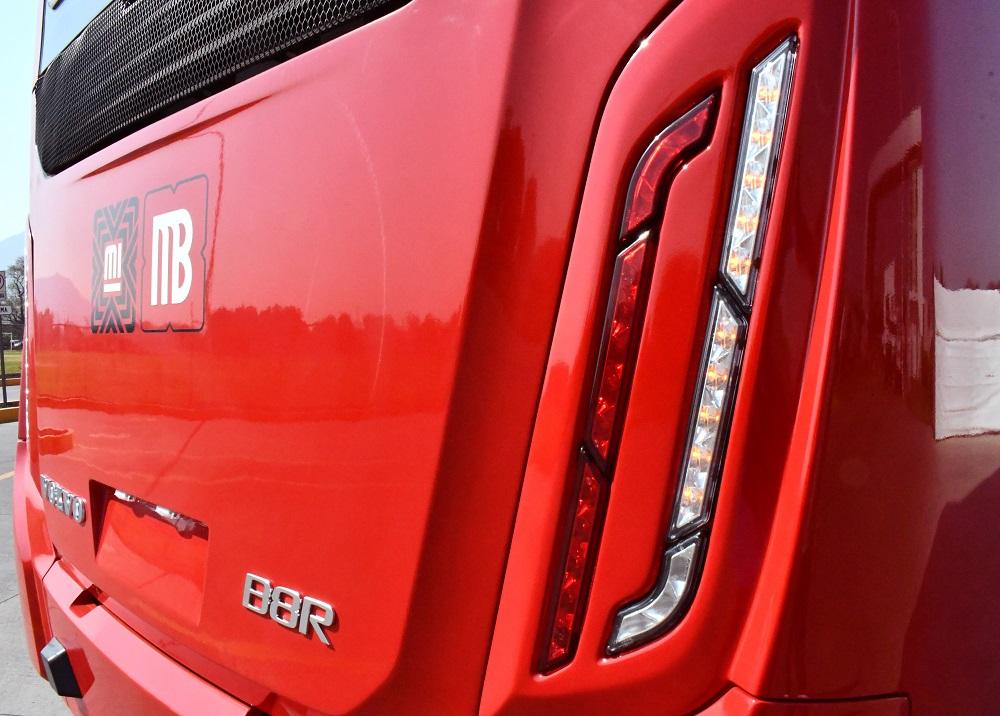
The new buses will help improve the capacity of the system, which daily handles about 1.5 million passengers. The buses are of the Millennium model, called Access in Mexico and as a novelty, they are the first units to be built on the Volvo chassis, on the B8R LE 6X2 chassis, which allow reaching 15 meters in length. The bodies were manufactured at the Caio plant in Botucatu (São Paulo) and shipped by SKD to be assembled to the platforms at the Volvo Buses México facilities in Tultitlán.
The chassis, which is not yet marketed in Brazil, has a low floor for maximum accessibility and air suspension. The double-leaf sliding doors, which are located in the middle of the axles, are imported from the Netherlands. Additionally, they are equipped with a mobile ramp to access the Sliding Door, for access by people with reduced mobility.
The indoor lounge also has Braille signage and space for a guide dog. The units have technological resources, such as GPS preparation, micro-camera preparation, interior and exterior LED lighting and electronic itineraries also in LED, located at strategic points on the body. Also, noteworthy is the internal lounge, which included exclusive armchairs for women.