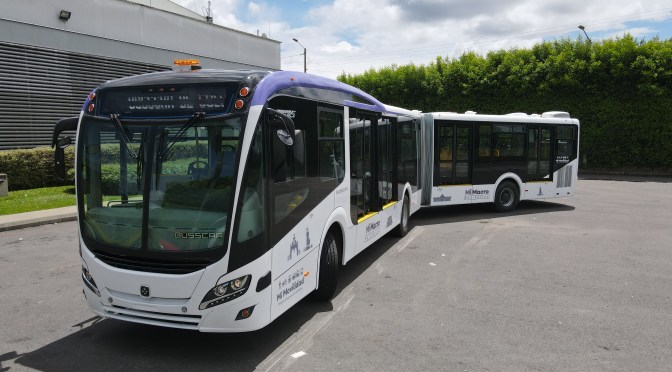
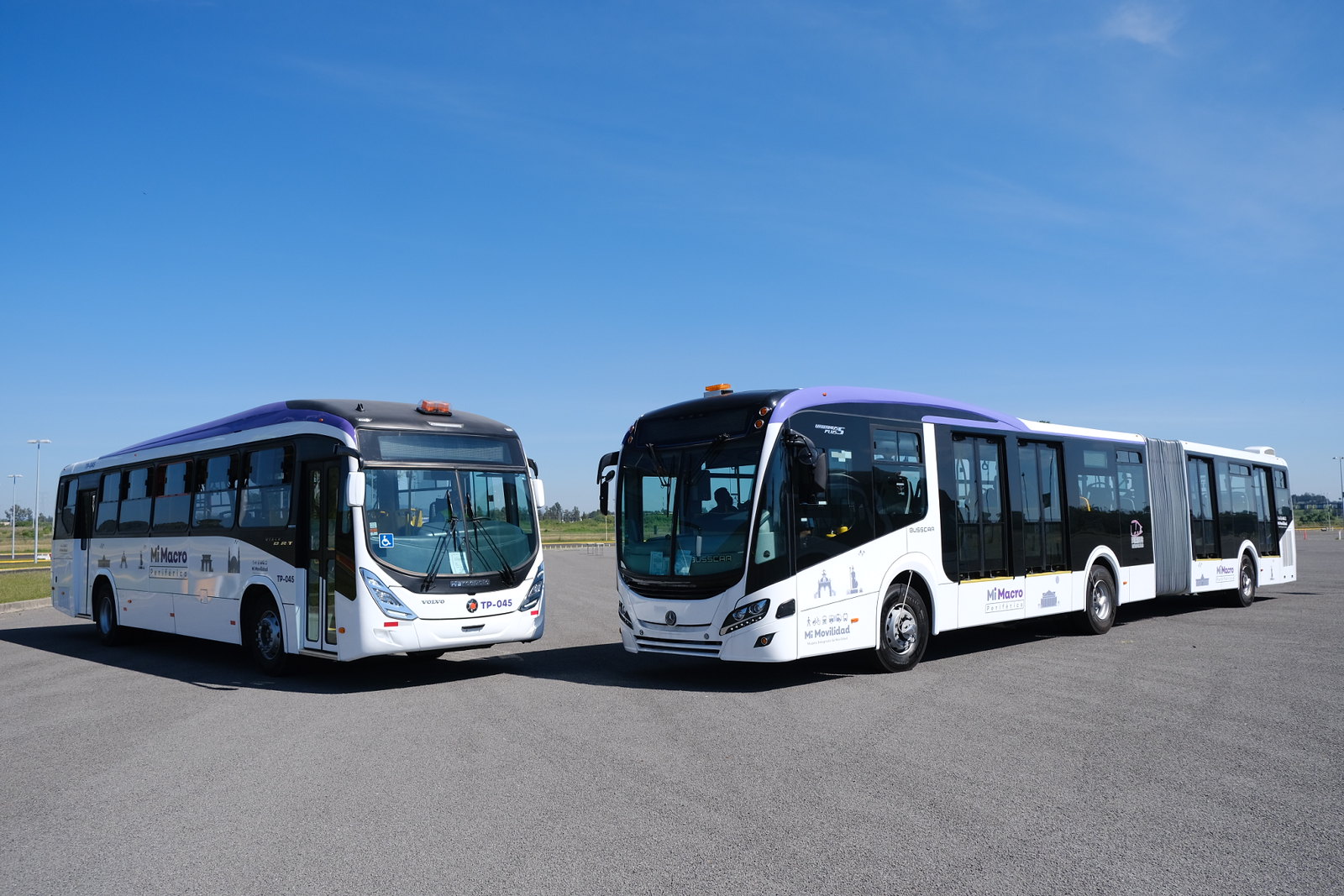
On January 30, 2022, the operation of the largest BRT system in Mexico was launched, with a 41.5 kilometer corridor to connect the city of Guadalajara: Mi Macro Periférico. This project was approved in 2019 and on its first day of operations, it managed to mobilize 180,000 users.
A month after starting operations, the system administrators and the Government of the State of Jalisco have been reviewing the results, both in terms of passenger demand and route movement. In a meeting with the authorities and Governor Enrique Alfaro, the performance figures of Mi Macro Periférico have been shared, with very positive results.
“In just one month of operations, we are reaching the level of demand that we had estimated in the medium term. The Mi Macro Periférico project was designed to reach 300,000 passengers per day in that period of time. To compare, in the Insurgentes BRT, 160,000 passengers/day were projected, reaching it a year later. Here in a month, the demand has grown above what was expected, generating pressures in the feeders, the complementary ones and the main ones”, declared Enrique Alfaro, Governor of the State of Jalisco.
Based on the foregoing, logistical changes are being prepared and for this reason, after the meeting, the purchase of more buses for complementary, feeder and trunk routes was authorized. The construction works calendar was modified, hoping that by mid-April, the changes will result in a better service.
“There is a calibration process that has to be done, we are taking it very seriously, we are all involved so that it is done in the best possible way. From this exercise of cutting results, we can reorganize things that we believe can work better, based on people’s suggestions and that experience allows us to understand” stressed the president.
Another aspect that has brought great satisfaction and has motivated more users to adopt the service, are transfers, since they allow those who travel through the system’s routes to generate greater savings. Little by little, people will continue to adapt to the system, and the administration will continue to correct it, presenting the results with a cutoff date of April 15, after the Easter holidays.
In 2021, the Mercedes-Benz O500 bus series celebrated 20 years of commercial life with its urban and road versions, of which more than 70,000 have been manufactured in Brazil, supplying both the local market and the those of South America and other continents.
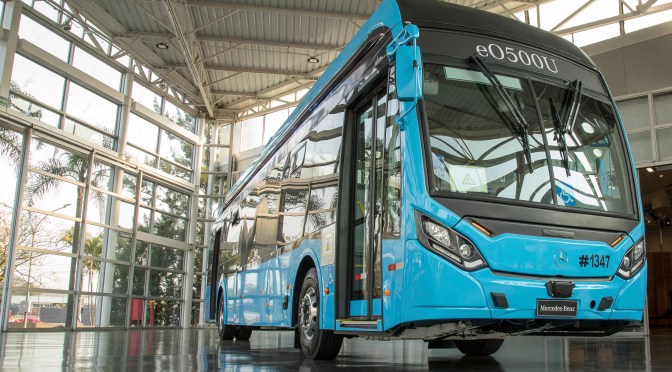
In that same year, the electric revolution also reached the O500, with the eO500U version, for urban transport. A platform on which Mercedes-Benz has invested heavily, with an investment of 19 million dollars, in addition to an extensive testing program carried out in both Brazil and Germany and now with demonstrations for operators.
As the eO500U commercial breakthrough is a reality, Mercedes-Benz said that 100 orders for the eO500U electric chassis are already scheduled for delivery. The eO500U is the first Mercedes-Benz electric bus chassis in the country, symbolizing the brand’s entry into the era of electromobility in commercial vehicles in Brazil.
“The market is looking forward to the chassis of Mercedes-Benz electric buses starting in the second half of the year,” said the Vice President of Sales and Marketing of Trucks and Buses of Mercedes-Benz do Brasil, Roberto Leoncini. “We already have 100 orders scheduled for delivery between the end of 2022 and the beginning of 2023,” he added.
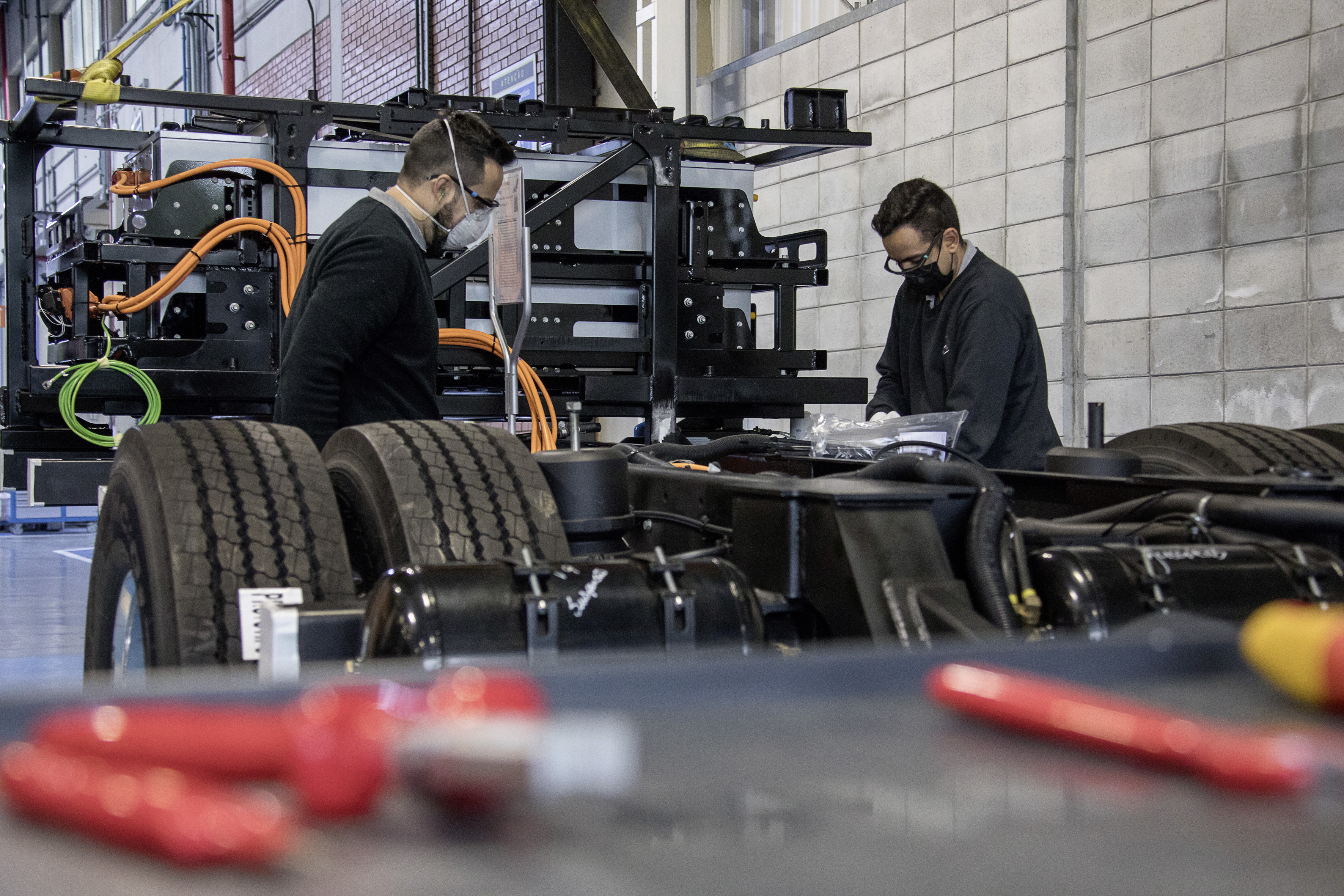
According to Mercedes-Benz, the bus chassis production at the São Bernardo do Campo plant is already preparing for the new product. “Industry 4.0 concepts in our company resulted in the flexibility of assembling several models on the same line. With this, we gain time in the preparation of the eO500U, making only the specific adjustments of an electric vehicle”, said the General Director of Buses Mercedes-Benz Latin America, Sérgio Magalhães. “We are also in an advanced stage of training the team of employees for the electric bus, which requires specific assembly safety knowledge. For that, we have the experience of colleagues from Daimler Truck and SENAI”, he added.
It must be remembered that although the initial configuration of the chassis is developed to build standard-type buses, this eO500U will have to expand the options for Latin operators, with articulated, super-articulated and bi-articulated versions.
Ankai is one of the many Chinese companies dedicated to the production of buses, located in Hefei (Anhui) and belonging to the JAC group, which has had a significant penetration in several Latin American markets, with good results, especially in freight transport with tonnages small and medium. It can produce around 30,000 buses a year, and it also stands out for having received collaboration from the Germans Kassböhrer (Setra) in the 1990s, before being acquired by Daimler.
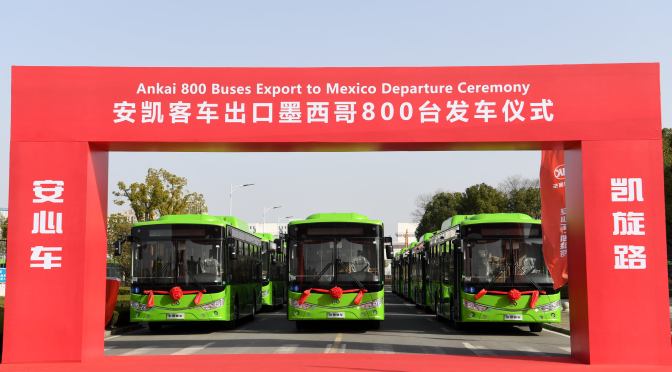
In Mexico, the brand’s representative is EGS Trucks, which is in charge of the entire sales, service and spare parts process for Ankai, in addition to Yuchai engines, which can also equip Chinese buses. Now the Chinese manufacturer reaches the big transport leagues in the country, after being awarded a contract for 800 units, for the Nuevo León transport system.
In a competition where four brands participated, in December 2021, the Thousand International Companies S.A. consortium was chosen. (Ticsa), which included the technology provided by Ankai. The Winner not only met the specifications, but also offered the best prices and conditions and was well below what was estimated by the state administration for the tender. The Secretary of Mobility announced that the first 100 units will arrive in Nuevo León in April and that the 800 buses will finish arriving in September, likewise, he declared that the buses will serve for the restructuring of public transport in the entity.
That first batch of 100 units must be delivered on April 23, then deliveries of 140 units will be made progressively each month, until they are completed by the month of September. The buses are being built at the Ankai plants, for later shipment by sea to Mexico.
The Ankai buses that will roll through the streets of Nuevo León correspond to the HK6105HGQ model, 10,500 mm long, 2,500 mm wide and with a maximum height of 3,250 mm and a maximum vehicle weight of 16,000 kg. They are powered by a 7.8-liter Yuchai YC6J245-50 engine, delivering 240 HP of power and 980 Nm of torque, complying with the Euro V emission standard. The 6 fuel storage tanks have a capacity of 120 liters each.
The vehicles will be able to transport up to 70 passengers, they have air conditioning, fire extinguishing system in the engine, USB recharging ports. The braking system is drum, with ABS and air dryer provided by Wabco, while the electromagnetic retarder system is of Telma origin.
A long process had to be followed for the General Comptroller of Chile to approve the tender that began in December 2020, to award more than 150 services for the Red Metropolitana de Movilidad system (formerly Transantiago). Finally, in February, the adjudication of the routes and zones was accepted, which will allow the arrival of 1,637 buses to the streets of the capital Santiago.
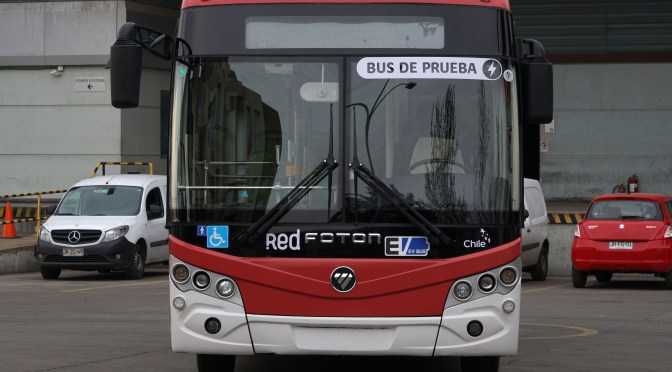
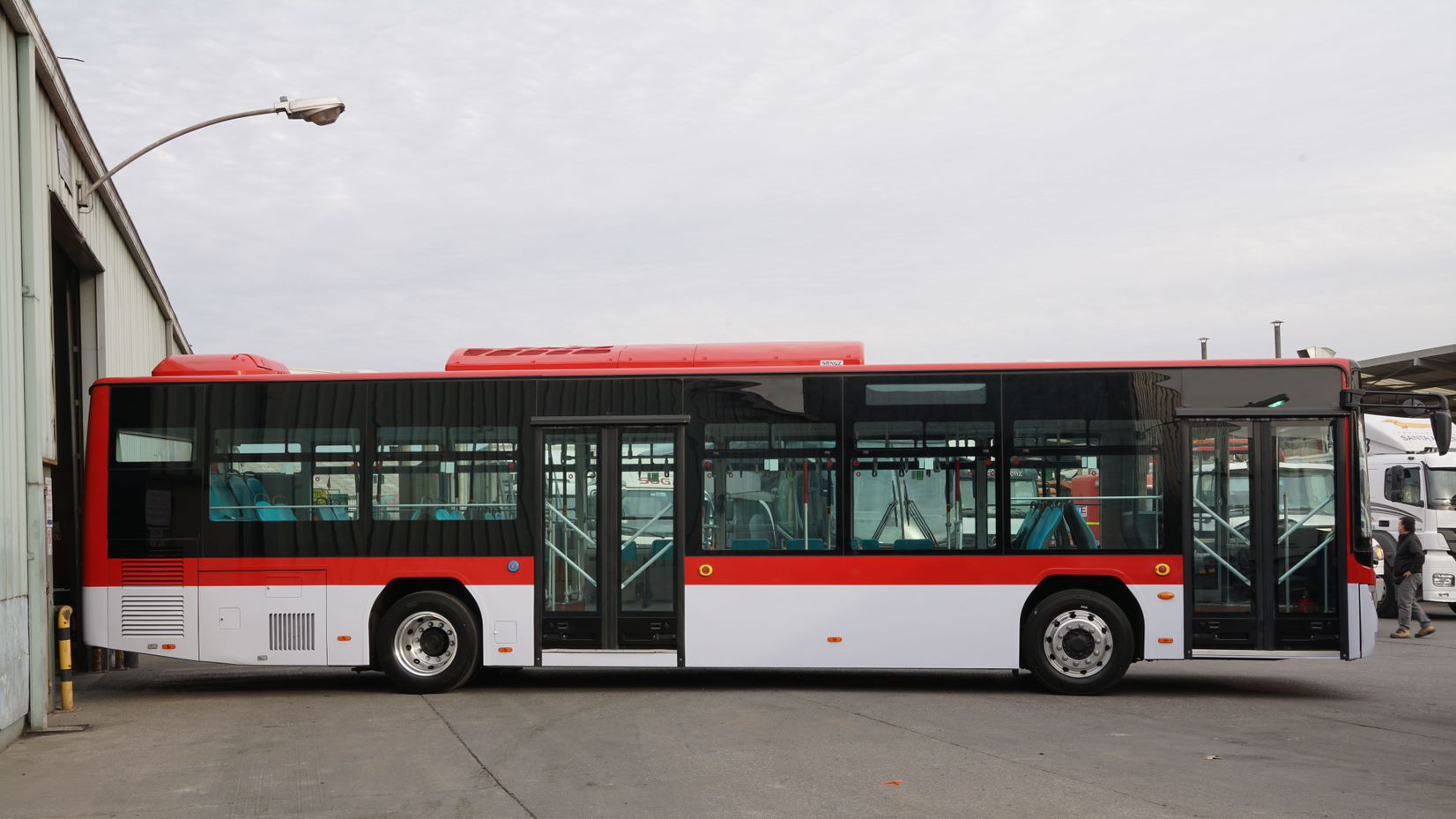
60% of the new buses that will be part of the landscape of the Chilean capital will be electric and from the Chinese brand Fotón, which with 991 units manages to take a very important share of the population of electric buses in Latin America, in which BYD has been dominating for several years.
TRANSDEV CONTINUES TO HAVE A PRESENCE IN CHILE
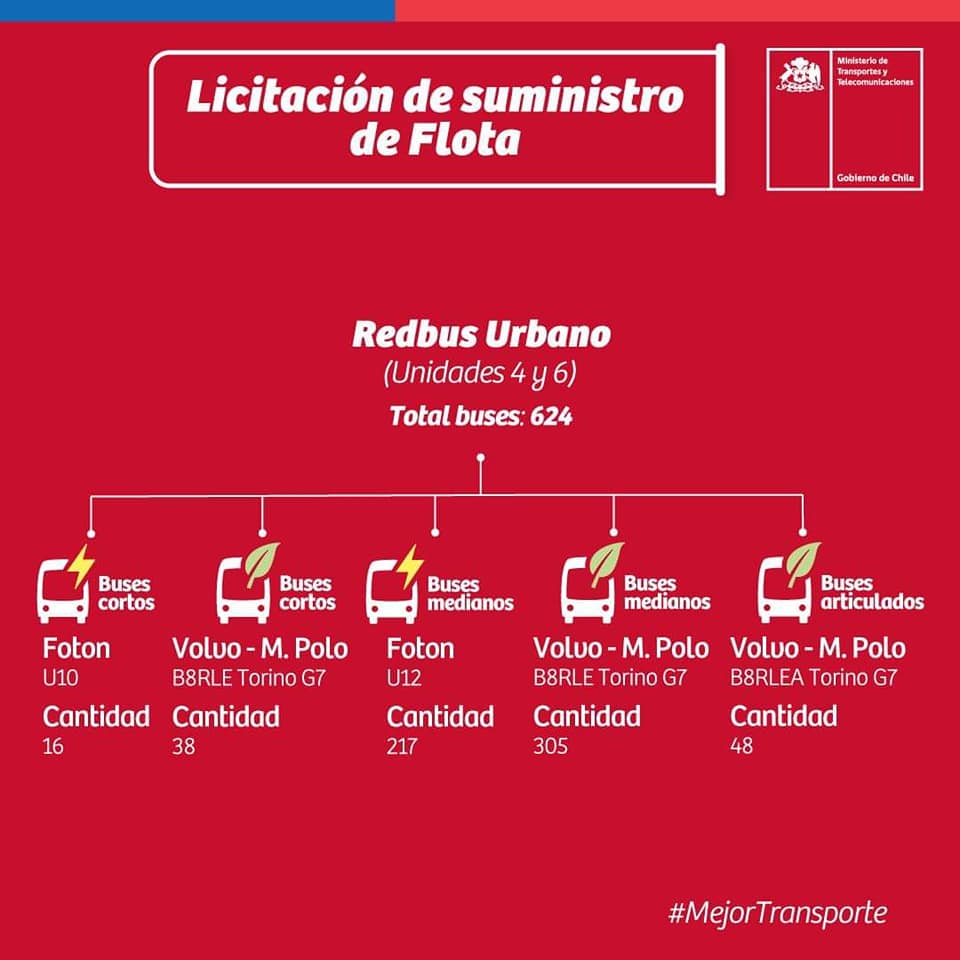
Units 4 and 6 will be in charge of Redbus Urbano, an operator belonging to the French mobility multinational Transdev, which owns 100% of the shares. It will combine its fleet with Euro 6 diesel buses, incorporating the Volvo B8R in standard and articulated low-floor versions, joining the Marcopolo bodies with its Torino urban model.
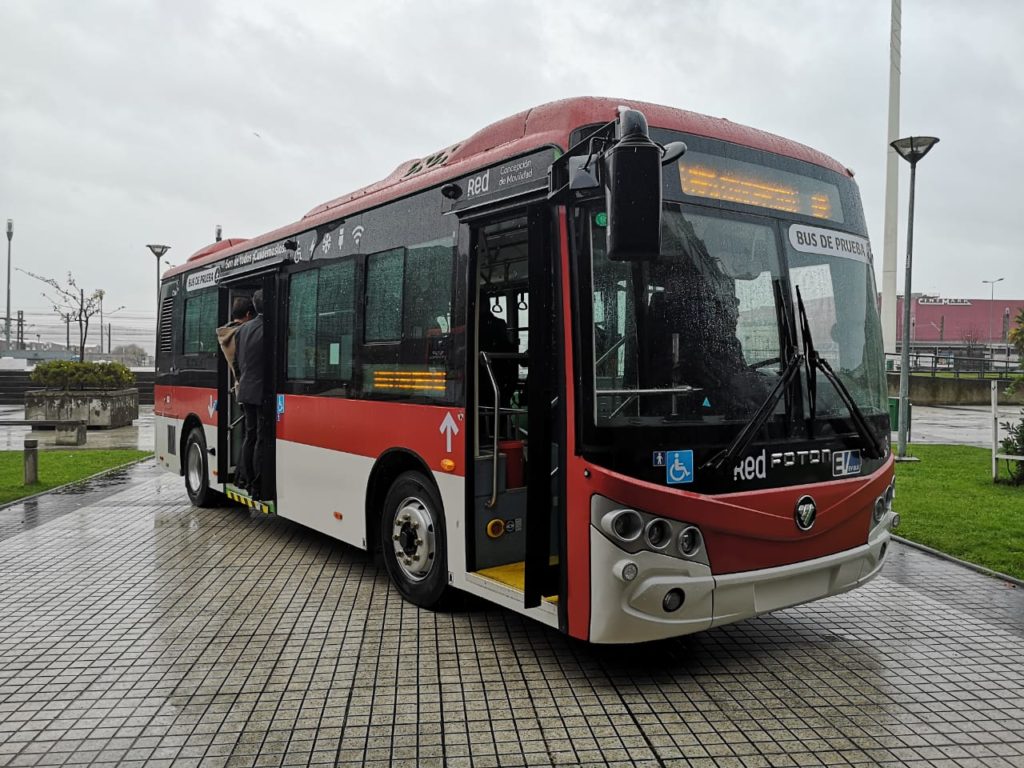
There will be 391 Euro 6 diesel buses (343 monobody buses and 48 articulated), which will be accompanied by the 233 Foton electric buses, of the U10 model that is equivalent to the small bus and the U12 that corresponds to the standard type. They will be integral (chassis and bodywork built at their plants in China). As has been done in tenders in other countries, such as Transmilenio in Bogotá, the companies that are in charge of supplying the fleet have been separated from those that operate, to facilitate financial closings and the assurance of resources to ask the factories the vehicles.
ARGENTINE INVESTMENT IN CHILE
Argentines also come to the operation of the Santiago BRT system, thanks to the Metropol Group subsidiary. This is a conglomerate that has distribution businesses for Toyota vehicles in Argentina, production and distribution of nuts, as well as public transportation. In this last area, it is responsible for more than 1,500 buses and mobilizes more than 230 million passengers a year.
Grupo Metropol, will serve Service Units 1 and 2, with the companies Buses Alfa and Buses Omega, respectively. Each of them will have 24 routes and the concessionaire will be able to operate them from the end of 2022, until the year 2029. There will be 293 Foton U12 electric buses with a maximum capacity of 90 passengers, 44 articulated buses and 89 Volvo B8RLE standards. All buses of the Swedish brand will be built in Brazil and bodied by Caio with its Mondego model.
THE CHILEAN CONTRIBUTION
The third consortium that will participate in the operation will be STP S.A. (Servicio de Transporte de Personas Santiago S.A.), which is made up entirely of Chilean capital. Its main shareholder is Empresa Nacional de Transprote de Pasajeros de Chile Ltda., with 47.83% of the company’s total shares and the rest, made up of groups of investors and real estate companies that have shares between 2.79% and 16.03%.
STP will deploy 547 buses, in Service Units 3 and 5, which have 52 routes assigned, combining an electric fleet with Euro 6 diesel. In this case, the difference will be with buses with an internal combustion engine, which will be Mercedes-Benz O500UA with flat low, whose chassis are built at the São Bernardo do Campo plant (State of São Paulo) to be bodied by Caio and its Mondego model.
Regarding electric buses, it will also trust Foton with 66 units that can transport up to 67 passengers and 399 that can travel with a maximum of 90 occupants. Both equipped with CATL batteries, Prestolite motors coupled to the rear wheels, air conditioning, pneumatic suspension, low floor and access ramp for people with reduced mobility.
When these buses are delivered, including the 991 electric ones, Santiago will regain first place in Latin America in the size of the zero-emission fleet rolling through its streets, as it will momentarily lose the leadership to Bogotá, which expects 830 BYD vehicles for the next few months zonal component of Transmilenio.
Colombiabus newsroom – Mercedes Benz Autobuses México
Under the premise that mobility is a fundamental part of the economic and social development of a community, Mercedes-Benz Buses in Mexico is committed to innovation and the production of buses with environmentally friendly technologies, to promote sustainable mobility. This is demonstrated by the recent launch of the first electric unit with eO500 U chassis, 12 meters and low entry, which was unveiled in São Bernardo do Campo in August 2021, and is expected to be marketed throughout Latin America.
In this same sense and to contribute not only with the quality of life in cities, climate protection and air quality, but also with the technological development promoted by the Academy, the Three Pointed Star has donated an OH1518/ 47 valued at $40,000, to the Monterrey Institute of Technology and Higher Education. This donation will be used so that students can learn everything related to the ecosystem of electromobility.
“We are excited and proud to be part of this project with which we can encourage the development of engineering and manufacturing capabilities around sustainable mobility technologies,” said Raúl García, Director of Operations of Mercedes-Benz Buses.
Additionally, the companies Questum Movilidad, Marcopolo and Grupo SENDA will collaborate with the students to design this project by donating the powertrain, bodywork and internal components, respectively. In the same way, expert operators will carry out driving tests, maintenance and collection of statistical data on the performance and performance of the unit.
The School of Engineering and Sciences of Tec de Monterrey will form transdisciplinary engineering work teams in which students, professors and researchers will participate, for the conceptualization, design and assembly of electrification components in the chassis and bodywork. The field tests and final tests, as well as the vehicle operation and maintenance plan, will be carried out in the spaces assigned by the donees. Also, it will create a Tec Mobility circuit, so that the end user can validate its operation.
Das Fahrgestell wurde unter Einbeziehung der Erfahrungen mit dem Mercedes-Benz eCitaro vollständig in Brasilien entwickelt und parallel in Deutschland und in Brasilien von Ingenieuren von Daimler Buses auf Herz und Nieren getestet.
Taking into account the experiences with the Mercedes-Benz eCitaro, the chassis was completely developed in Brazil and put through intensve tests by engineers from Daimler Buses in Germany and Brazil.
“This donation will promote the TecNexus initiative that pays for the development of technological and sustainable solutions for the use of natural resources, specifically in the Energy avenue, to accelerate the training of talent, research and technological development focused on cleaner and more sustainable mobility. We are very happy with Mercedes-Benz Autobuses for strengthening our National Electromobility Laboratory to encourage our brightest minds of students and teachers, in the creation of technological solutions, from the classroom to the industry”, highlighted Manuel Zertuche, National Dean of the School of Engineering and Sciences from the Monterrey Institute of Technology and Higher Studies.
For his part, Dr. Mario Adrián Flores, Vice President of the Monterrey Region mentioned “We are at the right time to develop and test technologies created in the region, and our Tec District will be the Living Laboratory to validate and improve electric, connected and autonomous vehicles. We appreciate the interest and trust shown by Mercedes-Benz Autobuses and allies in this project in favor of sustainable mobility”.
Sofía Mendoza, an Automotive Design Engineering (IDA) student at the Monterrey Campus, expressed with emotion, “I am proud to be a protagonist, witness and student at Tec de Monterrey. This project has given me the opportunity to lead, as a Project Manager, mechanical design with scope in the technological, environmental, economic, social and educational fields. Our main objective is to reduce the emission of pollutants to achieve a cleaner air and environment. I observed that the students are capable of exceeding our expectations and self-limitations, to carry out a job of excellence and with a high impact on people’s daily lives.”
This collaboration has allowed, during the year 2021, to involve more than 20 professors, more than 200 students from each of the IDA, IME, IMA, IIS and IMT careers in projects of energy systems for vehicles, battery sizing, mechanical design and simulation, and power train. The donated chassis will allow implementing and support the concentrations in automotive engineering and cyber-physical systems of the academic programs of the Tec21 Educational Model, as well as the creation of knowledge in the postgraduate courses associated with Electromobility; benefiting about 1000 students.
Colombiabus newsroom – Ministerio de Transporte de Chile
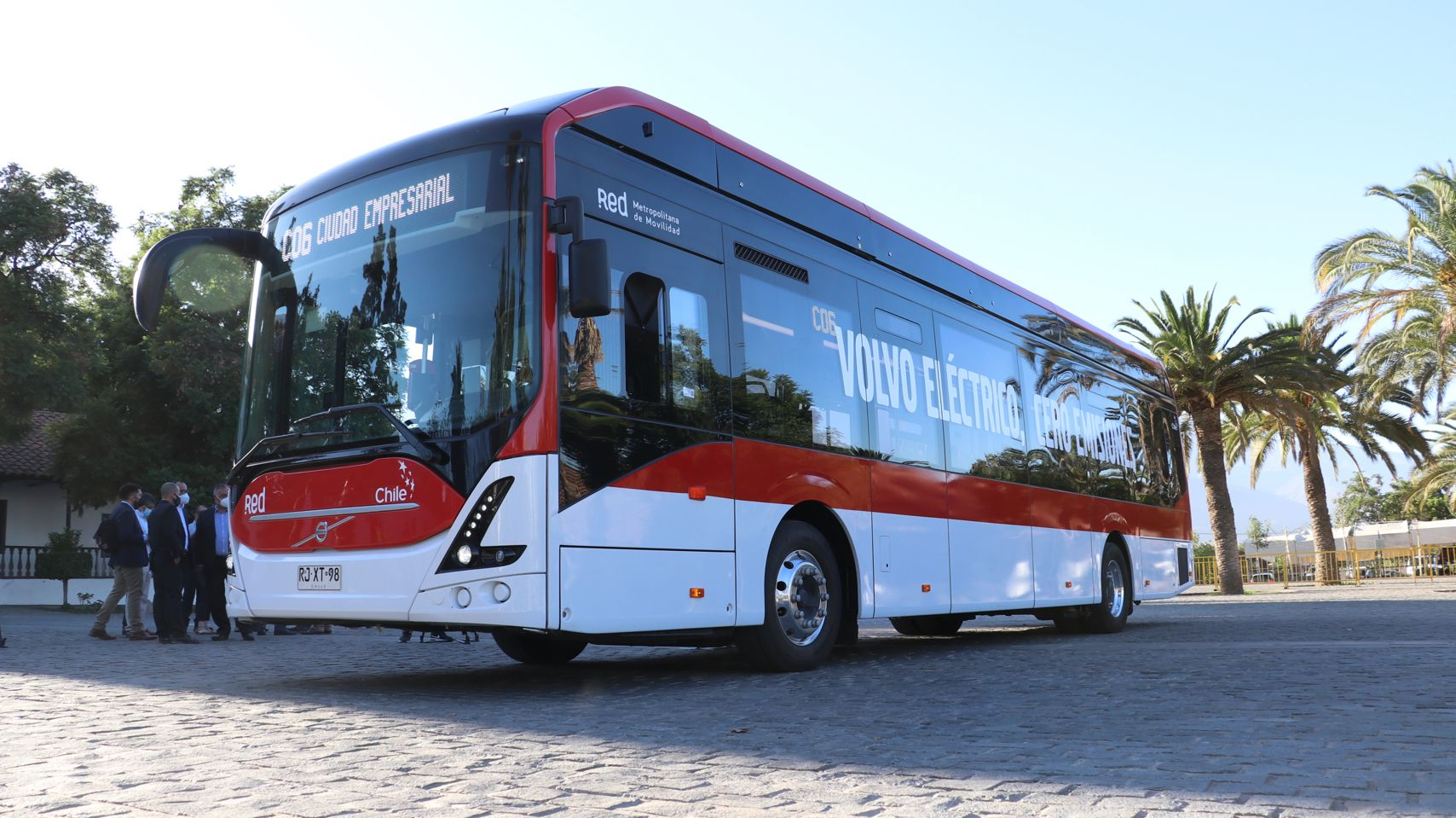
In an event where the Minister of Transport and Telecommunications Gloria Hutt participated, who participated in the presentation of the electric bus model 7900 of the Volvo brand, which will begin a testing period with the operator Redbus. This route provides services to users of the communes of Huechuraba, Recoleta, Providencia and Las Condes. Volvo’s executives, Redbus representatives and a group of fans participated in the event.
The management, requested during the last quarter of 2021 by the Redbus Urbano company to the Undersecretary of Transport, had the approval of the authority in order to facilitate the conditions for service operators to make proposals to improve services and test new technologies that allow users to access greater conditions of comfort, modernity and safety in the public system at the same time that due analyzes and performance evaluations are carried out on the machines that, eventually, could be added to the operators’ fleets.
The commercial director of Volvo Chile, José Antonio Margalet, stated that “we are tremendously proud of having brought the first electric bus with a European standard to the country. This 100% electric Volvo vehicle stands out for being a bus that ensures clean, quiet and efficient public transport, in addition to contributing to the country’s sustainability.
This vehicle incorporates the concept of “zero zones”, that is, it helps cities to become cities with zero emissions and zero noise, complying with the strictest restrictions in this area. It also has automated technologies, such as remote speed control, which enables “safety zones” on the routes to ensure the passage of the bus at a controlled speed in front of points of risk such as schools and hospitals, in addition to the pedestrian detection, which can increase the overall safety of urban traffic”.
Henri Rohard, commercial manager of Redbus stated “we are happy to be able to continue testing new models of electric buses for the public transport system in Santiago. Our objective with these pilots is to continue expanding and enriching the possible products for the market. These types of pilots open up the field of possibilities, both for the number of suppliers and for designs and technologies. There is strong interest from electric bus providers and providers of technologies associated with this type of motorization in the Chilean market,” the executive said.
The electric Volvo Urbano bus has a total length of 12 meters, a width of 2.55 meters and a height of 3.3 meters. It has an electric motor with a maximum power of 200 kW, a 2-speed Volvo I-Shift automated gearbox, a maximum torque of 19,000 Nm, an energy storage system with lithium-ion batteries, with an expected average operating range of 250 kms., heating and air conditioning and automatic temperature control of batteries.
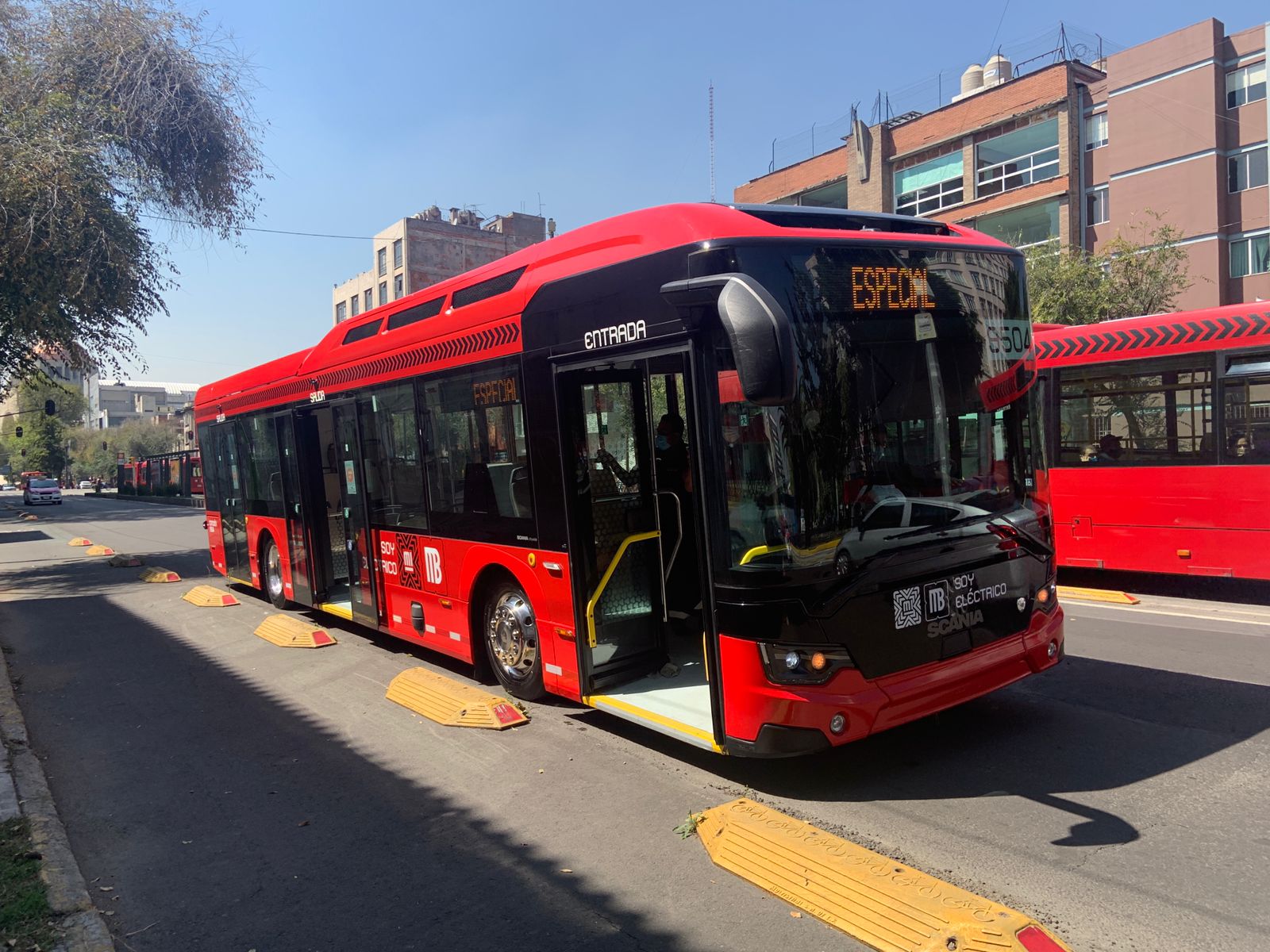
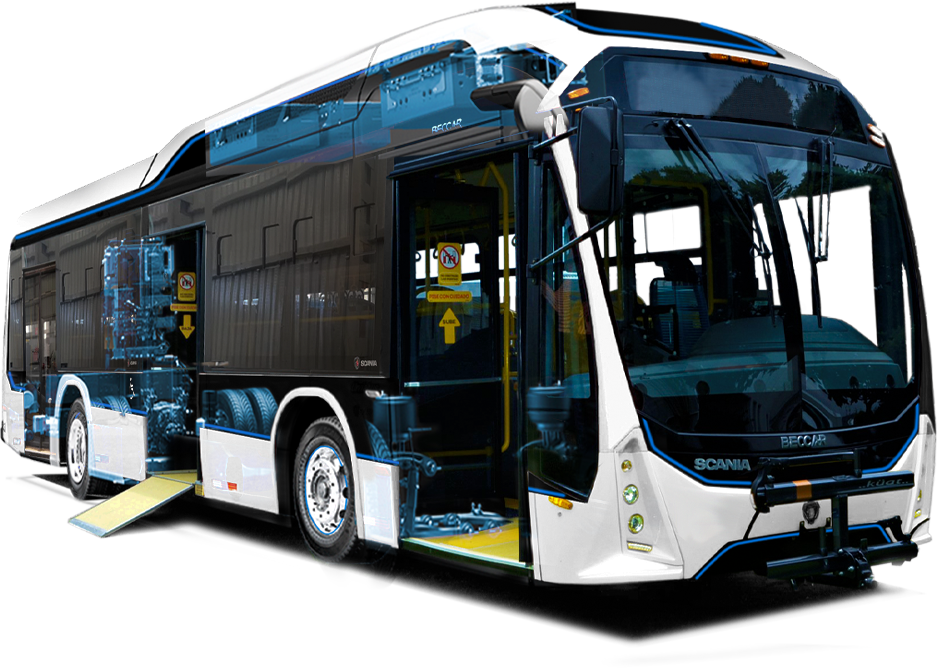
Scania Mexico reaffirms its commitment to sustainability and the environment to reduce greenhouse gas emissions and have cleaner and more efficient mobility through its products; this through its signing with the ZEBRA (Zero Emission Bus Rapid-Deployment Accelerator) project, which is co-directed between the International Council for Clean Transportation and the ICCT and C-40 Climate Change Leadership Group.
The Climate Change Leadership Group, better known as C40, has among its initiatives the ZEBRA project, which aims to accelerate the introduction of zero-emission transport, by boosting the supply and demand of electric vehicles, boosting financing and new business models, as well as collaboration to share knowledge. In this way, the C40 group seeks to increase the supply of electric vehicles, knowing that Scania has an important strategy in this regard and the agreement was made to sign the commitment.
“This signing puts us one step ahead of the commitment we want to achieve in terms of electric mobility, promoting actions to combat climate change. This year we will have the launch of two electric vehicles, one in the bus segment and the other in cargo, which makes us extremely proud, in addition to being the first company in Mexico to sign the ZEBRA project”, mentioned Alejandro Mondragón, General Director of Scania. Mexico.
For his part, Jorge Navarro Inostroza, Director of the Scania Mexico bus segment, commented during the talks held with Leticia Pineda, Regional Leader of ICCT, that he is “proud that Scania is the first company in Mexico to locally develop an electric bus to make a transition that makes having more sustainable cities a reality.”
The Climate Leadership Group (C40) is made up of cities from around the world that join efforts to reduce carbon emissions in the atmosphere and adapt to climate change, 70% of the cities that are part of this group have implemented actions that they benefit the environment, something that, without a doubt, is a great effort to improve our surroundings. Some signatory cities in Latin America are Mexico City, Medellín, São Paulo and Santiago.
Some of the actions that Scania signs before this agreement are: make available at least one zero-emission bus model for purchase in Mexico, make available to ZEBRA partners the results of independent tests of energy consumption in the bus cycle for each product made in Mexico, carry out an operation demonstration of at least one zero-emission bus model in Mexico City within 12 months of signing this declaration, inform ZEBRA partners of the number of buses and zero emission chassis sold in Mexico, among others.
This alliance speaks of Scania’s commitment to the environment, willing to continue innovating to provide customers and users with a tailor-made service, consolidating new technologies of the highest quality, in addition to always seeking to improve with sustainable products that benefit to our planet, this signature is a clear message from the brand to follow the path of electric mobility and reduction of carbon emissions.
The Municipal Transport Company of Madrid has been chosen by two of the most recent zonal operators of the Transmilenio system, to provide technical assistance in improving the passenger transport network in the Colombian capital. The collaboration agreement with the two concessionaires will have a minimum duration of 5 years, and may be extended to 15 years, the same time horizon that the concession lasts for each consortium.
EMT is expanding its participation in mobility projects at an international level, contributing its specialized knowledge through the promotion of its consulting activity. Collaboration in international projects is a commitment to business diversification within EMT and the enhancement of all the knowledge and experience of the organization. Currently, EMT leads different European research projects on sustainable mobility and participates in international networks of Dialogue and exchange of knowledge on intelligent transport technologies and sustainable urban planning.
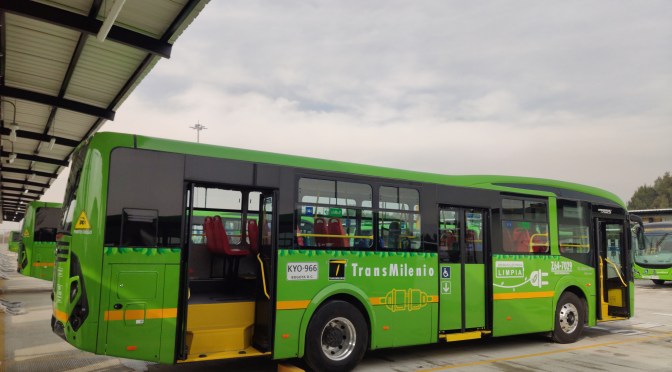
EMT will provide support to the operators Mueve Fontibón and Mueve Usme, which have the capacity to mobilize more than 140,000 passengers per day within the zonal component of Transmilenio, in towns located to the west and south-east of Bogotá, respectively. The consultancy will be focused on residential areas in the areas of influence of its portals and will include 10 routes, with a fleet of 410 electric buses, both 80-passenger standards and 50-occupant buses.
On February 14, the official start-up of the Mueve Fontibón operator was carried out, which received 89 buses and 83 registers, in an event that was attended by the Mayor of Bogotá, Claudia López; the Secretary of Mobility, Felipe Ramírez, the Manager of Transmilenio, Álvaro Rengifo. Also present at the delivery were representatives from EnelX, which developed the recharging infrastructure at the terminal known as Patio Desk; BYD as supplier of the chassis, Busscar from Colombia that built the bodies and media.
EMT will provide technical support in aspects such as defining the operational structure, identifying the needs of computer resources, optimizing the planning of the fleet’s service charts, reviewing environmental management procedures and assistance with user information systems. EMT will assist in the design of maintenance plans and will define the necessary reserves, which guarantee compliance and the availability of the fleet to provide an adequate mobilization of passengers in the areas of influence of each concessionaire.
During the operation phase of the concession, EMT will provide permanent support throughout the technical assistance contract in the development of operational solutions for compliance with the service levels established by Transmilenio. The collaboration will also focus on monitoring and optimizing the planning, scheduling and maintenance procedures established at the start of the operation. Finally, the company will certify quarterly compliance with the obligations of the technical assistance contract.
To carry out these works, EMT will collaborate with the personnel currently located in Peru and who are the Technical Manager of Transvial Lima, operator of the BRT (Bus Rapid Transit) system in the Peruvian capital.
Colombiabus newsroom – William Marroquín / Webfleet Colombia
The Japanese Bridgestone, a world leader in tires and rubber products, has announced the launch in Colombia of its Webfleet telematics and fleet management division. This is one of the most recognized telemetry solutions worldwide, with more than 1.2 million connected vehicles in Europe and the Middle East alone.
Webfleet, is the name with which the Japanese tiremaker renamed TomTom Telematics, one of the four divisions of the Dutch TomTom created in 1991 and dedicated to navigation systems. In 2019, Bridgestone acquired the digital solutions business for fleets, developed by the Dutch company, in a transaction valued at the time at 910 million euros.
The purchase was the result of previous work that Bridgestone carried out to strengthen its digital capabilities, taking control of the leading platform in Europe, with a good growth rate. Webfleet is run as an independent business, taking advantage of the Japanese tiremaker’s strong brand equity, large number of customers, global influence and distribution network.
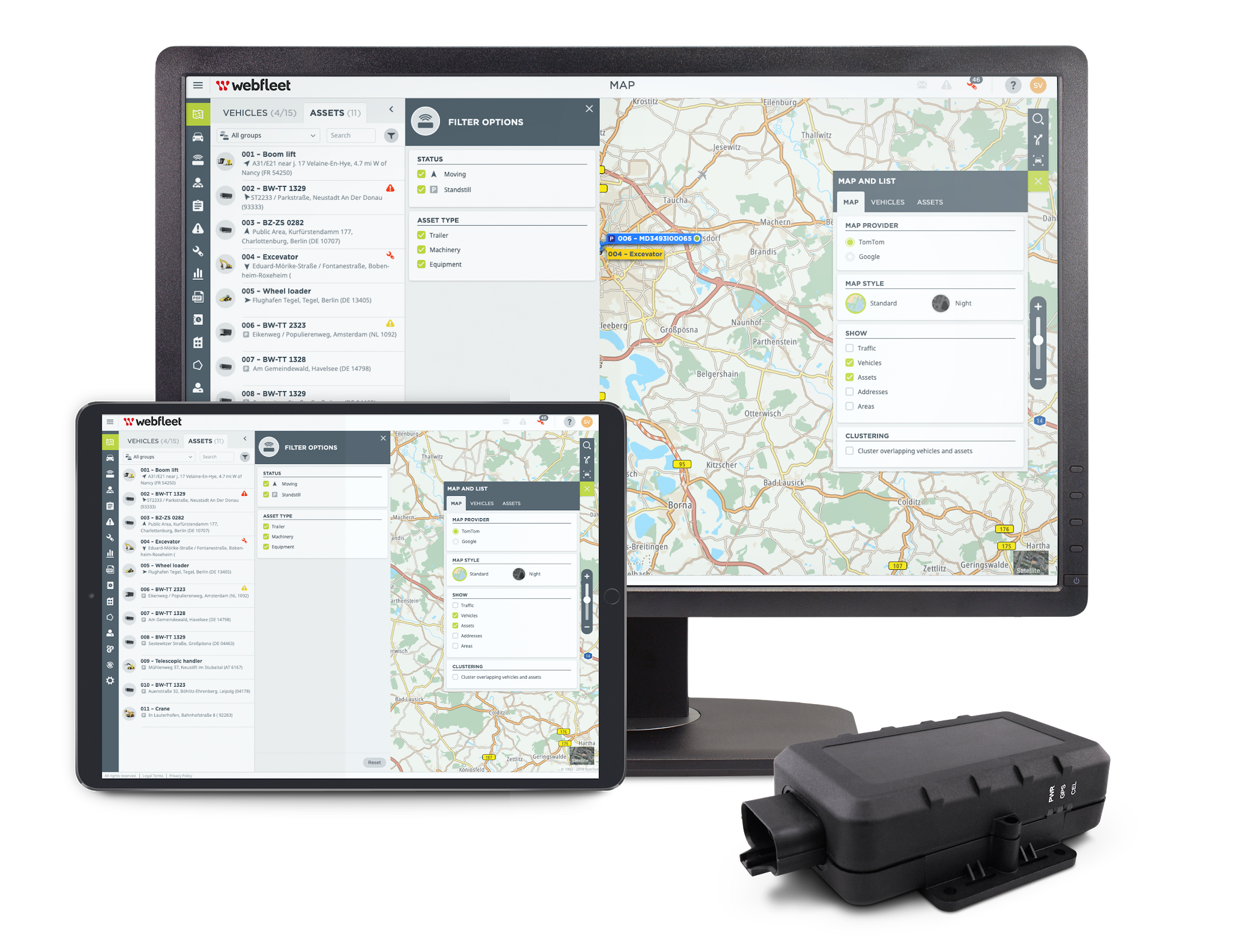
With the announcement made by Bridgestone Colombia, a broad portfolio arrives that will allow fleet operators, both small and large companies, to track their vehicles in real time and have the necessary information to make decisions aimed at increasing the performance of the operation, reduce costs and increase road and property safety.
This mobility service presented by Bridgestone is based on the Webfleet fleet management software platform, which, together with other self-made devices, manages to make the management of all types of fleets more efficient and simple (from light vehicles to heavy-duty trucks and trailers).
The platform provides real-time and historical information on trips, fuel consumption indicators, route optimization, driving habits, event notifications and maintenance control, in addition to other specific functionalities for trailer management.
“Now, fleet managers rely much more on technology, and our solutions have accompanied our customers in this adoption of digitization. With the expansion in Latin America we will also be able to help the fleets in Colombia to improve performance and safety, protect their assets and drivers, as well as contribute to reducing the carbon footprint of the planet”, said Manuel De la Torre, director of Webfleet Solutions.
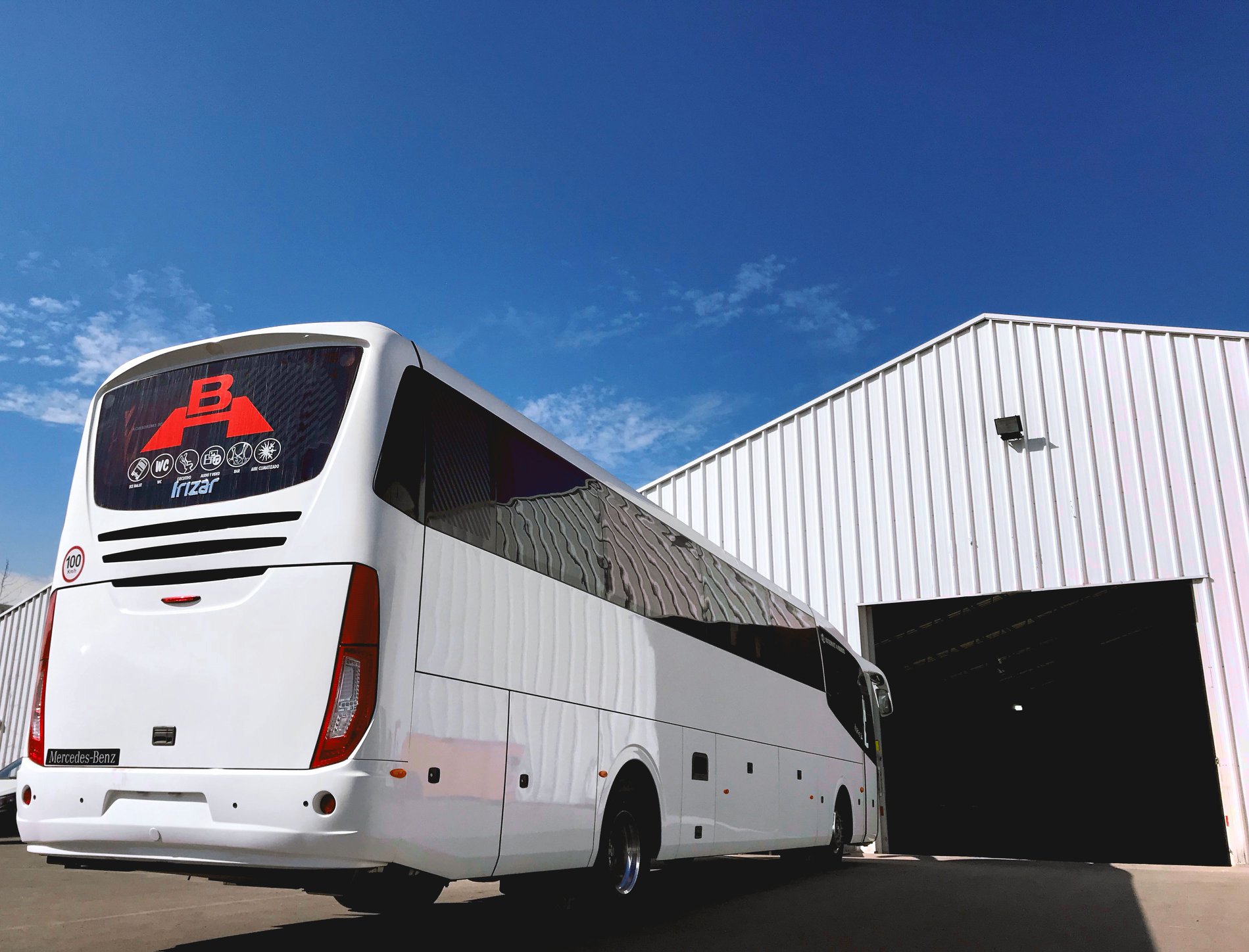
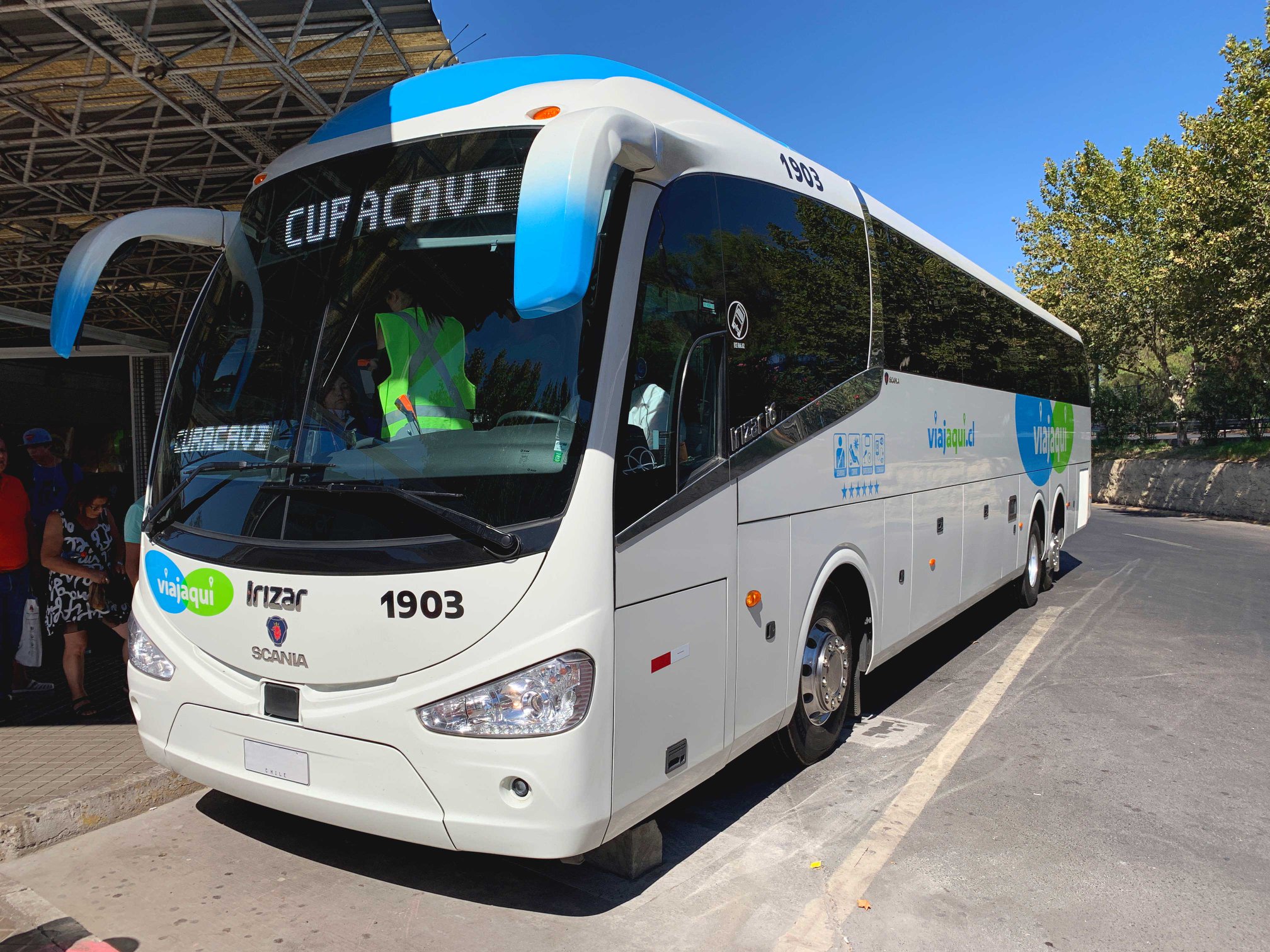
Irizar arrived in South America in 1998, with the establishment of the plant in Brazil, in Botucatu (State of São Paulo). Shortly after the start of model manufacturing in these facilities, the Spanish manufacturer began its commercial path in Chile, always with its distributor Transportes Cabal.
Zvonimir Matjevic, founder and President of the Cabal Group, remembers how he began this association with Irizar: “On a trip to Europe in 1995 or 1996, I had the privilege of seeing many Irizar circulating in different cities, and their design caught my attention. Innovative and its position in the market, something that was very far from the offer that existed in Chile and South America in general. Just a couple of years later, in 1998, we reached an exclusive collaboration agreement with Irizar for Chile, which has allowed the creation and maintenance of a business relationship with hundreds of satisfied customers in Chile”.
Irizar has been able to perfectly understand the needs of the market and of the clients of the most diverse Chilean segments, such as tourism, routes, personnel transport and especially mining transport, which today stands out as one of the most demanding in terms of safety and in which Irizar is currently the market leader.
“Probably the greatest merit of the result has to do with the fact of being in a highly competitive market, with open borders, where we are the product with the highest initial investment but the most profitable for customers and operators. And the explanation for the success undoubtedly has to do with the high market valuation of the aspects that today are our main differentiators: safety, design, operational efficiency, durability, to name a few.”
Tomislav concludes by pointing out the importance of loyalty and the close relationship with customers, which are great differentials that have allowed Irizar to reach the milestone of 3,000 units: “Undoubtedly we owe it to our customers and their ability to value Irizar as a comprehensive and efficient proposal, a solution proposal and long-term support”.
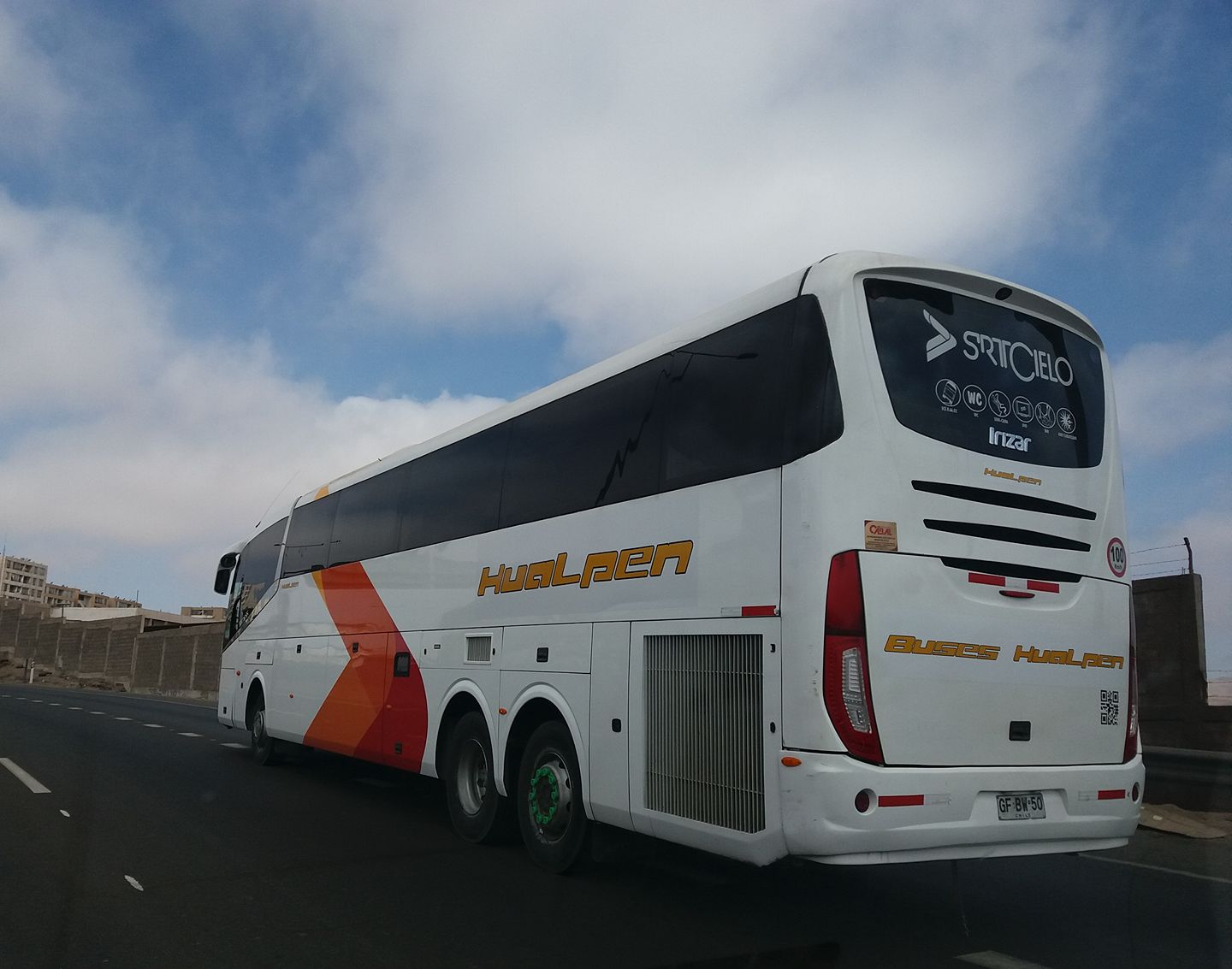
Buses Hualpén is a customer that has continued to trust Irizar for more than 15 years and in 2020 it incorporated 150 Irizar i6 coaches. It currently has a fleet of 800 coaches, of which more than 55% are Irizar.
“The choice of our brand is mainly due to the safety offered for long and dangerous routes and the great adaptability of our coaches to extreme weather situations: the Irizar buses operated by Hualpén provide services throughout the geographical diversity of Chile, from Arica to Punta Arena. They travel through cities, paved roads and stony layers inside mining operations, reaching 4,500 meters in altitude at Compañía Minera Doña Inés de Collahuasi in the Tarapacá region, where temperatures exceed 40ºC in summer and reach -20ºC in winter, with harsh conditions of snow and ice” explains Daniel Gonzalez, General Manager of Buses Hualpén.
His opinion on the choice of the Irizar brand is clear: “There are three attributes that I would highlight about Irizar: The first is that they are very comfortable buses inside. The second is that there is an excellent after-sales and spare parts service, which makes maintenance very efficient. And, finally, Hualpén has established a relationship of trust and work, not only with the local representative, but also with the Irizar factory itself, which has proven to be very flexible and focused on satisfying our needs”.