Tag Archives: busworld news

BARCELONA LAUNCHES ITS FIRST 100% URBAN CORRIDOR FOR ELECTRIC BUSES

Colombiabus newsroom – William Marroquin / Irizar eMobility

23 ARTICULATED BUSES IRIZAR AND SOLARIS WILL BE OPERATING

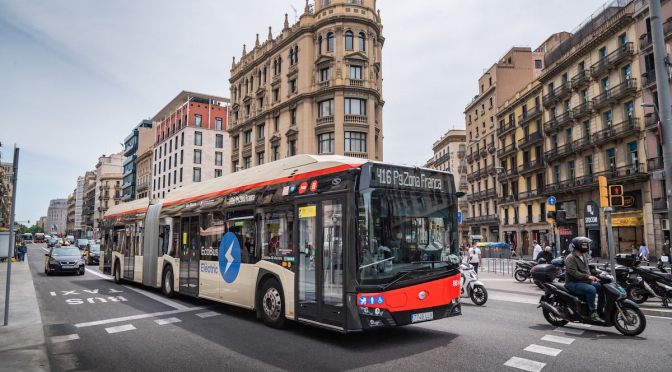
Nine zero-emission articulated electric buses built by Irizar, of the ieTram model and 14 Urbino 18 from Solaris that will soon arrive, have started the first 100% electrified line for high-capacity mass transport in Barcelona. It should be noted that recently, 46 light hybrid buses were also put into operation in the city.

Starting in 2021, TMB, the Barcelona public transport authority published a tender, aimed at acquiring 210 green buses, of which 78 will be electric: 29 articulated buses equipped with pantographs for opportunity charging and 49 single-body buses with batteries and pantographs for night recharging in the portals.

Also, at the end of 2020, TMB Barcelona announced a work plan to improve the environmental quality of the city’s bus fleet, deciding that from now on, only a low-emission fleet or preferably an electric fleet will be linked. The goal is that by 2024, TMB’s fleet will be made up solely of gas, hybrid and electric buses.
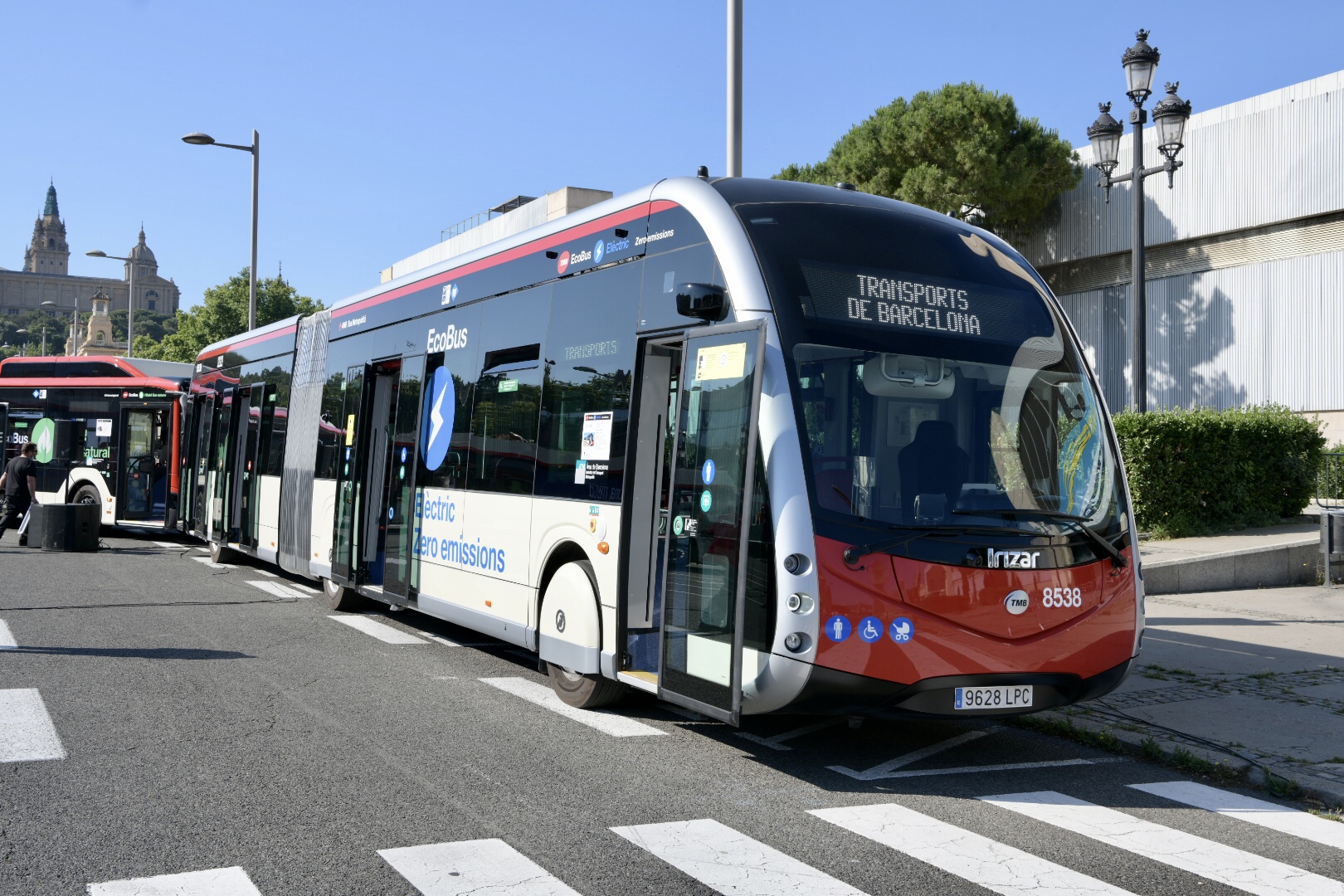
The Irizar ieTram deployed in Barcelona, ​​have 4 doors and capacity for 36 seated passengers plus a driver, an area for wheelchairs and another for those traveling with baby carriages. They are powered by an Alconza engine (an Irizar group company) and deliver 236 kW of power, with batteries also from Irizar eMobility. They can be charged in 4 minutes, using ultra-fast charging devices that are connected to the pantographs that are installed on the buses.

The vehicles have driving assistance systems to improve safety, and the exterior rear-view mirrors have been replaced by cameras that project the images into the driver’s cabin. For the comfort of travelers, air conditioning provided by Hispacold, USB outlets and Wi-Fi are included.
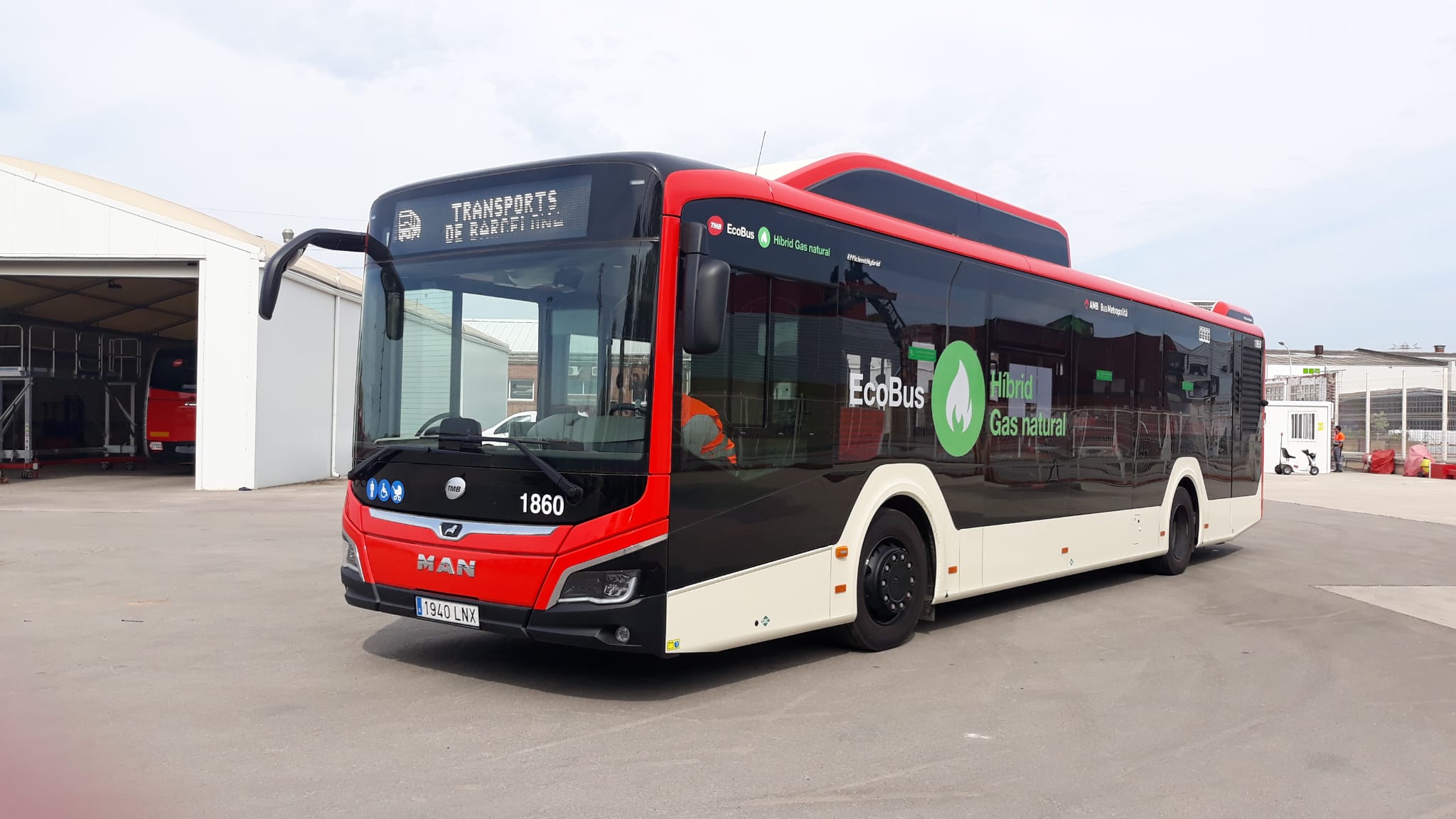
TMB currently operates 1140 buses, of which 350 are hybrids (most with diesel and electric engines) and 408 are powered by natural gas. The new hybrids for the moment were supplied by MAN and its Lion’s City model, together with Daimler with its CitaroG. The recent 46 hybrid buses plus the 23 electric buses had a total cost of 40.9 million Euros.
VOLARE PRESENTS ITS NEW ATTACK TO REMAIN LEADING INTEGRAL MINIBUSES

Colombiabus newsroom – William Marroquín / Volare Onibus

BEAUTY, STRENGTH AND FUNCTIONALITY ARE ALL IN ONE

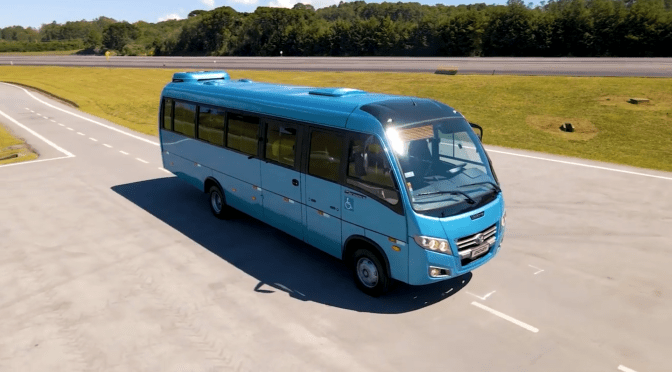
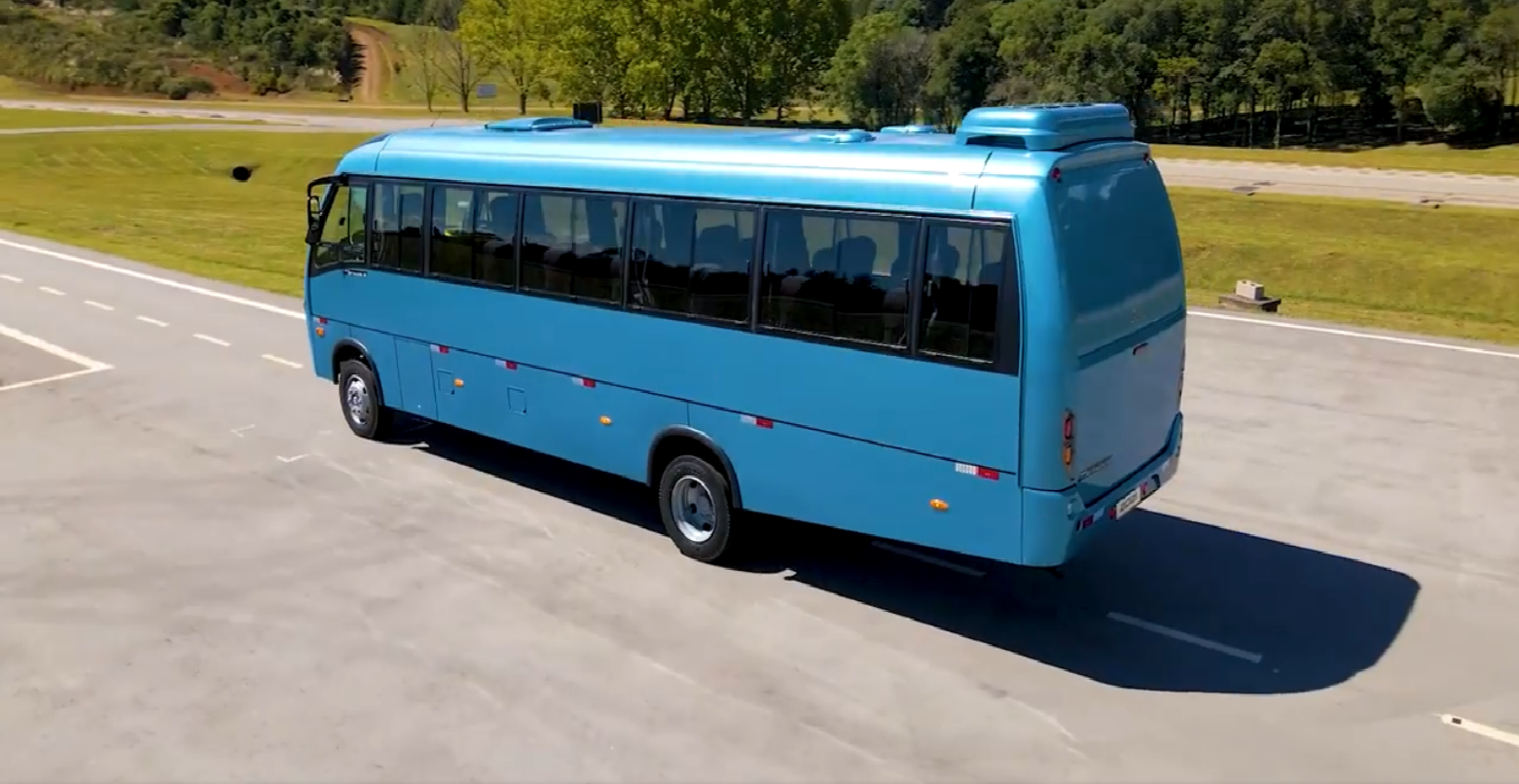
Volare, the integral midi and minibus unit belonging to Marcopolo, officially presented its new line of its Attack model. The evolution of the models comes under the names of New Attack 8 and 9, which presents changes with respect to the bus that was presented for the first time in 2014. This line corresponds to the one that is oriented to the most robust work, while Fly serves a segment more executive.

These New Attacks mark more an evolution than a revolution in a family that has been characterized by combining functionality, economy and low maintenance costs that allow it to help conveyors achieve efficient operation. Therefore, it is an update with slight aesthetic changes that update it, maintaining the mechanics and the offer of engines, being able to choose between the 3.8-liter Cummins ISF or the 4.8-liter Mercedes-Benz OM924LA.

One of the novelties is that now three options of apron height are offered depending on the need: urban, rural and road, to better meet the different applications and expand the versatility of the vehicle line, the two width versions, 2,160 mm and 2,320 mm, continue. With this, the urban skirt option has the step closest to the floor, improving accessibility and will be a great alternative for city traffic.

The shorter the “exit” of the bus, which is generally the distance from the floor in the middle of the body to the ground, the lower the step tends to be. In the rural version, this difference needs to be greater due to the more severe type of traffic and the need to protect the underside of the vehicle to clear bad terrain with potholes, mud and even streams.

The New Attack line has the School, Executive, Charter, Rural and Special Units versions, with capacities that vary between 19 and 44 passengers. The Attack 8, as its name indicates, refers to a minibus with a maximum gross vehicle weight of 8,000 kg, while the Attack 9 applies to buses that exceed 9,000Kg. The interior also features changes to the cockpit to give a more modern feel to the driver’s area, as well as new upholstery colors.

Also, the fiberglass that was part of the bodywork of the previous line was replaced by injected plastic, allowing the weight to be reduced by 30% lighter. Areas such as the dashboard, the command post, the bumpers and the front and rear areas received these new elements, which also avoid rework in mandatory minor repairs with fiberglass.

Volare offers different seating configurations, with options for larger armchairs, including cup holders, footrests, rack and retractable seat belts. It is also intended that the new Attack series, maintain that economy of operation and maintenance, thanks to spare parts of affordable price and wide availability.

ARGENTINA IMPROVES SECURITY ON LONG DISTANCE BUSES

Colombiabus newsroom – William Marroquín

THEY SEEK TO COMPLY WITH THE REST OF THE DRIVERS

A series of accidents that occurred in long-distance buses on roads in Argentina, were the trigger to consider several aspects that could be negatively affecting road accidents. One of them had to do with the shifts at the wheel and the rest days of the drivers. This was an issue that was also put on the table by one of the country’s unions, which denounced an alleged overexploitation of drivers, with vehicles that could be being operated without the professionals of the steering wheel resting and recovering.

In Argentina, drivers have a workbook, where an entry time is recorded with which the trip begins, although there are some discrepancies and gaps between what is proposed by the National Commission for Transport Regulation (CNRT) and the Ministry of Labor of the country. The former raises 16 hours of driving for two drivers, while the latter raises 12 hours behind the wheel for two operators. Naturally, the last word and the power to control (or prohibit) is the Ministry, which also indicates that long distance motorists can operate a maximum of 192 hours per month.

Regarding breaks, there are also differences, as the CNRT establishes a minimum of 10 hours after completing the hours behind the wheel, and the Ministry establishes twelve. The workbook has been known since the mid-seventies in Argentina, and it is a book that records the hours worked, breaks, surcharges, among others. Unfortunately, due to its manual nature, this document can be used for alterations, erroneous completion and other practices that can affect both the recognition of drivers’ hours and the control of breaks.

Some units at the end of 2019 began to implement devices that would replace this printed document and in 2020 an articulated work was being developed between the CNRT, the Ministry of Labor and the University of Rosario, which has led to the prototypes and the start of the pilot tests to replace the classic notebook with a digital system, unique for each bus.

The new technology will prevent the adulteration of rest schedules, thus avoiding manipulation in the current paper notebook. It also has the possibility of implementing other functionalities such as fatigue detector, fire control, accelerometer, speedometer, cockpit cameras and panic button, contactless card reader. Likewise, it will allow the application of digital unit maintenance controls: tire and oil pressure, fuel consumption, water temperature, among others.

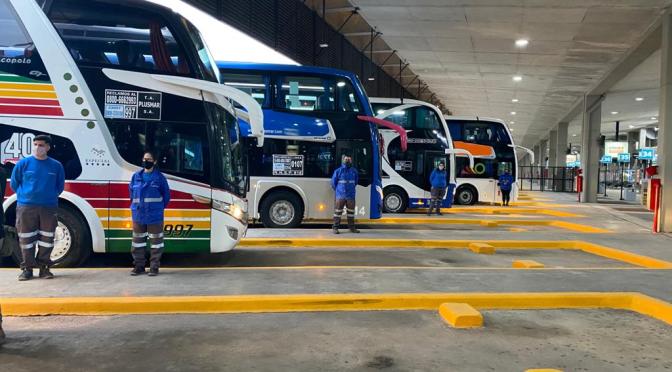
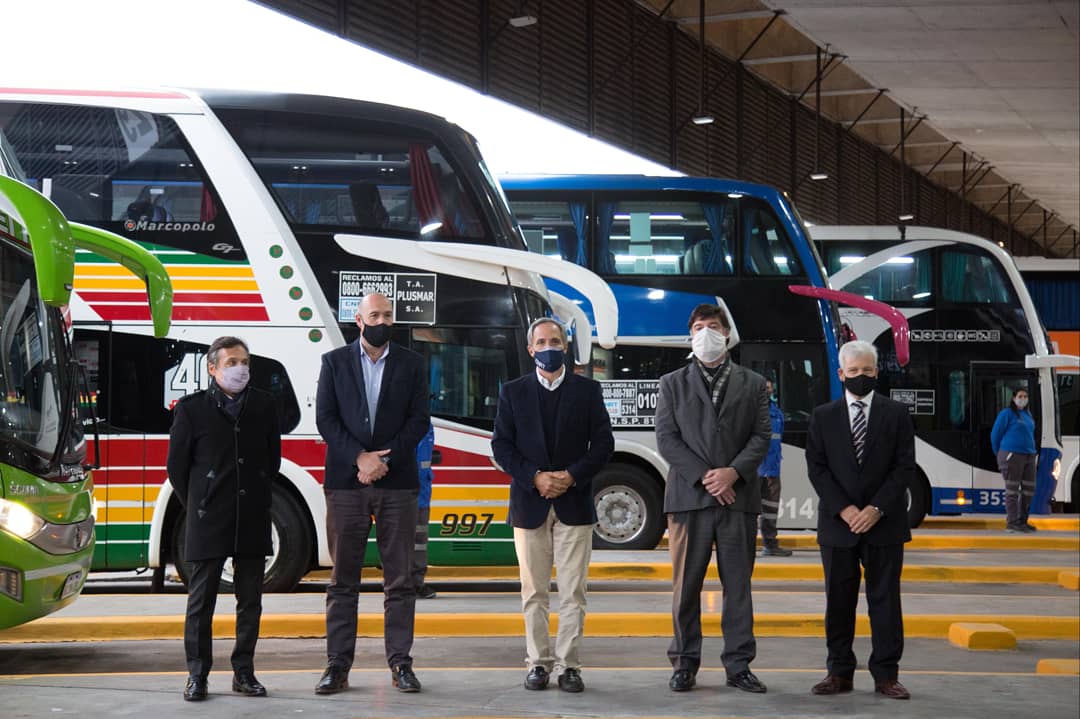
The trial period with the pilot began on June 1 and will last for 60 days. The companies Águila Dorada, Flechabus, Plusmar, Vía Bariloche and Andesmar will participate in it. In this instance, connectivity will be evaluated by sending five units to different parts of the country. This stage will end according to the progress of data collection, which will then serve as the basis for a second stage of implementation.

The CNRT will be in charge of supervising the data in the new book and the national Ministry of Labor will be in charge of regulating the hours of the operators.

MARCOPOLO DELIVERY FIFTEEN BUSES DOUBLE LUXURY APARTMENT FOR ETM IN CHILE

Colombiabus newsroom – William Marroquín / Marcopolo Brasil

TWO UNITS HAVE 180° BED SEATS

Very gradually, road passenger transport companies are beginning to prepare for when restrictions that have prevented them from operating 100% are removed and the time it may take for economic recovery to be reduced. That is why they have decided to invest to modernize equipment, renew fleet and especially incorporate greater comfort in buses.

Chile is characterized by road transport companies that are integral owners and managers of their fleet, which facilitates the standardization of the service, the unification of purchases, the economies of scale and the care of the vehicles during their useful life. Also, many companies tend to have a remarkable level of comfort and attention in the vehicles, with sleeper seats, catering, individual entertainment and other much-needed amenities on long-distance routes.

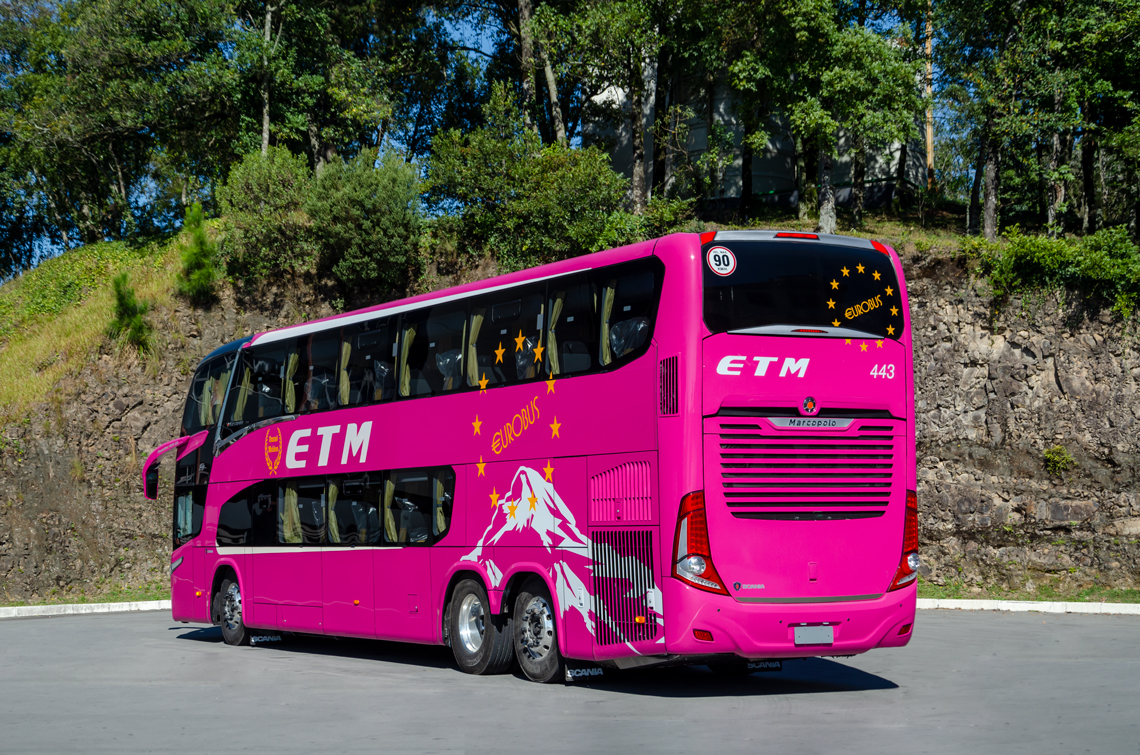
Eurobus is one of the ETM (Empresa de Transportes de Maullín) brands that is preparing for its 60 years of activities, starting in 1962 in the city of Maullín, belonging to the Los Lagos region more than 1,000 km from the capital Santiago. Its first stage was to consolidate a route to Puerto Montt and later to reach the center of the country, for several years offering buses with great luxury and comfort services including 180° bed seats.

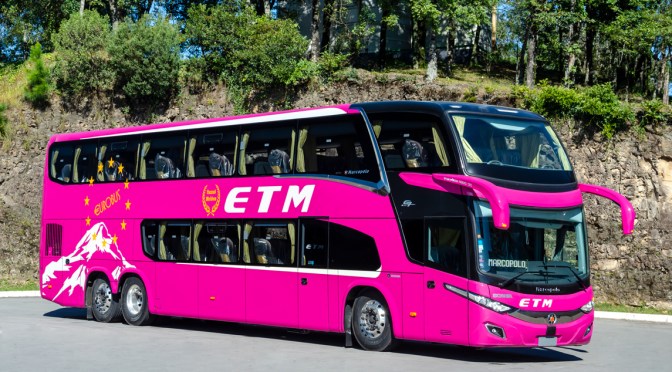
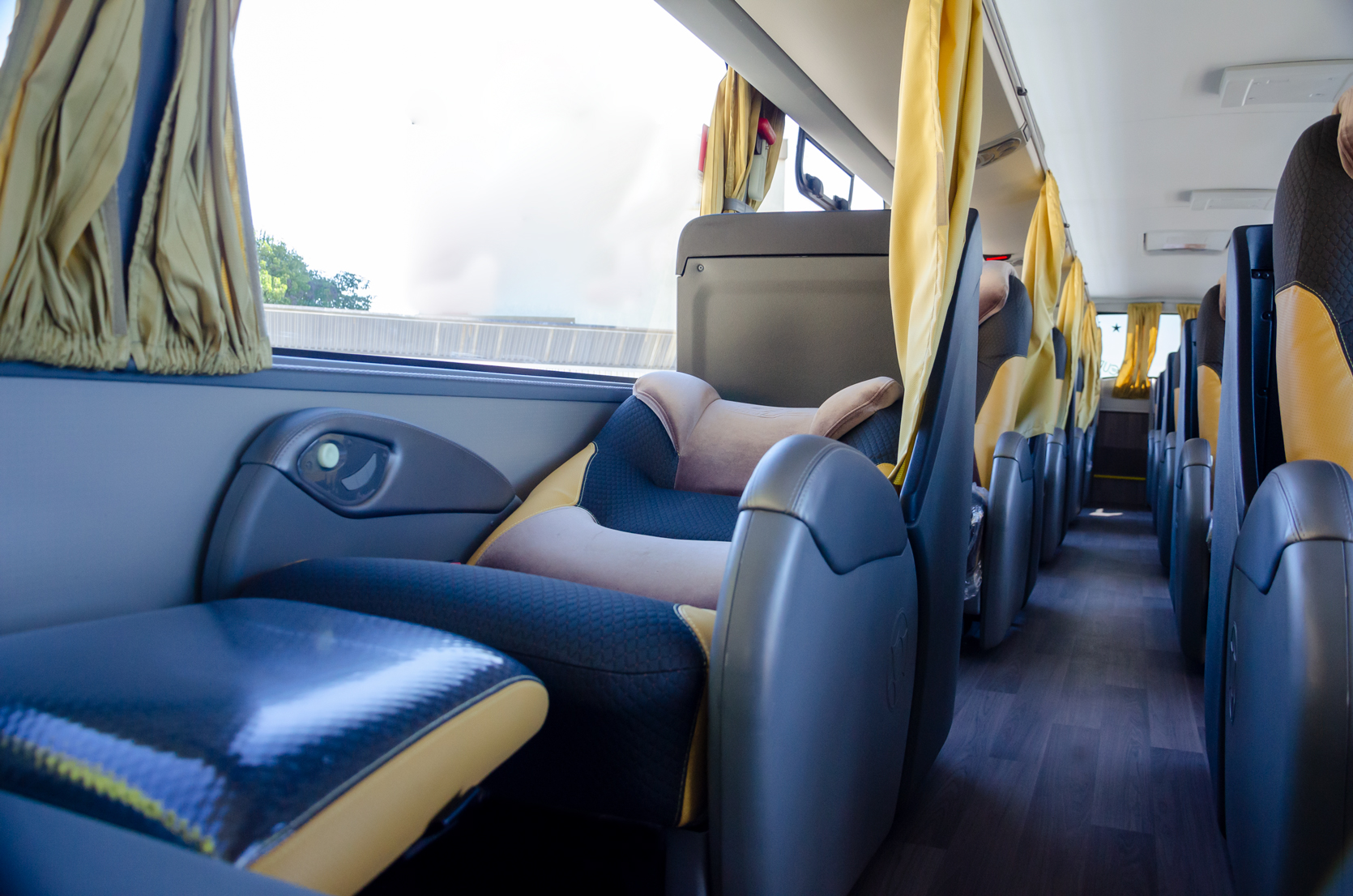
And reinforcing that level of service is what ETM has sought by ordering 15 new double-decker buses with the Scania K440 chassis that have been bodied in Brazil by Marcopolo, with its Paradiso 1800DD New G7 model. Thirteen units can transport up to a maximum of 43 passengers in a 2 + 1 arrangement on both levels, with wide “leito” armchairs and 160° recline. The vehicles will also have the Eurobus currency, to distinguish those with a higher level of comfort.

Two other vehicles have been configured to carry up to 32 passengers, with 12 occupants on the first floor and 20 on the upper floor. Those on the second level stand out for the incorporation of 180° reclining bed chairs that will be an oasis for the long-distance traveler.

ETM seeks to continue leading passenger transport on long routes from Santiago de Chile and support tourism to the south, as well as the Los Lagos region. For this reason, the new vehicles will surely be reaching the towns of Castro, Ancud, Puerto Montt, Maullín, Puerto Varas and Osorno.

ETM only has double-decker buses for all its interurban routes, having routes that additionally go to Valparaíso and Concepción. Additionally, for many years they have standardized the fleet, choosing the Marcopolo-Scania binomial and always seeking to incorporate state-of-the-art vehicles.

SCANIA DELIVERIES ITS FIRST LARGE BUS ORDER IN MEXICO WITH IRIZAR I5

Colombiabus newsroom – William Marroquín /Scania México

THE ORDER WAS DELIVERED TO THE YELLOW ARROW GROUP

It has been mentioned many times about how difficult the year 2020 was and the same behavior so far in 2021 for the bus industry in its different road modalities around the world. Mexico has not been immune to this situation either, with significant reductions in passenger demand and, of course, in orders for new vehicles to update the companies’ fleets.

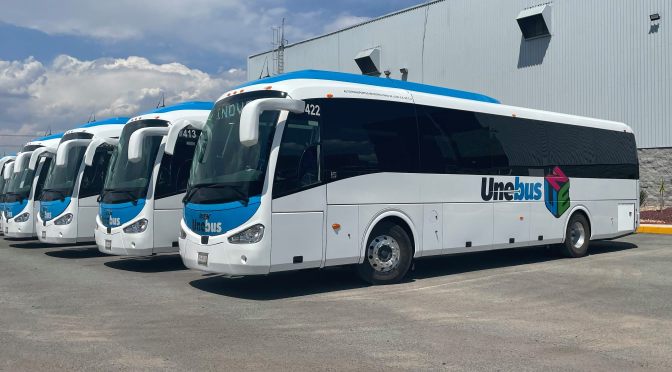
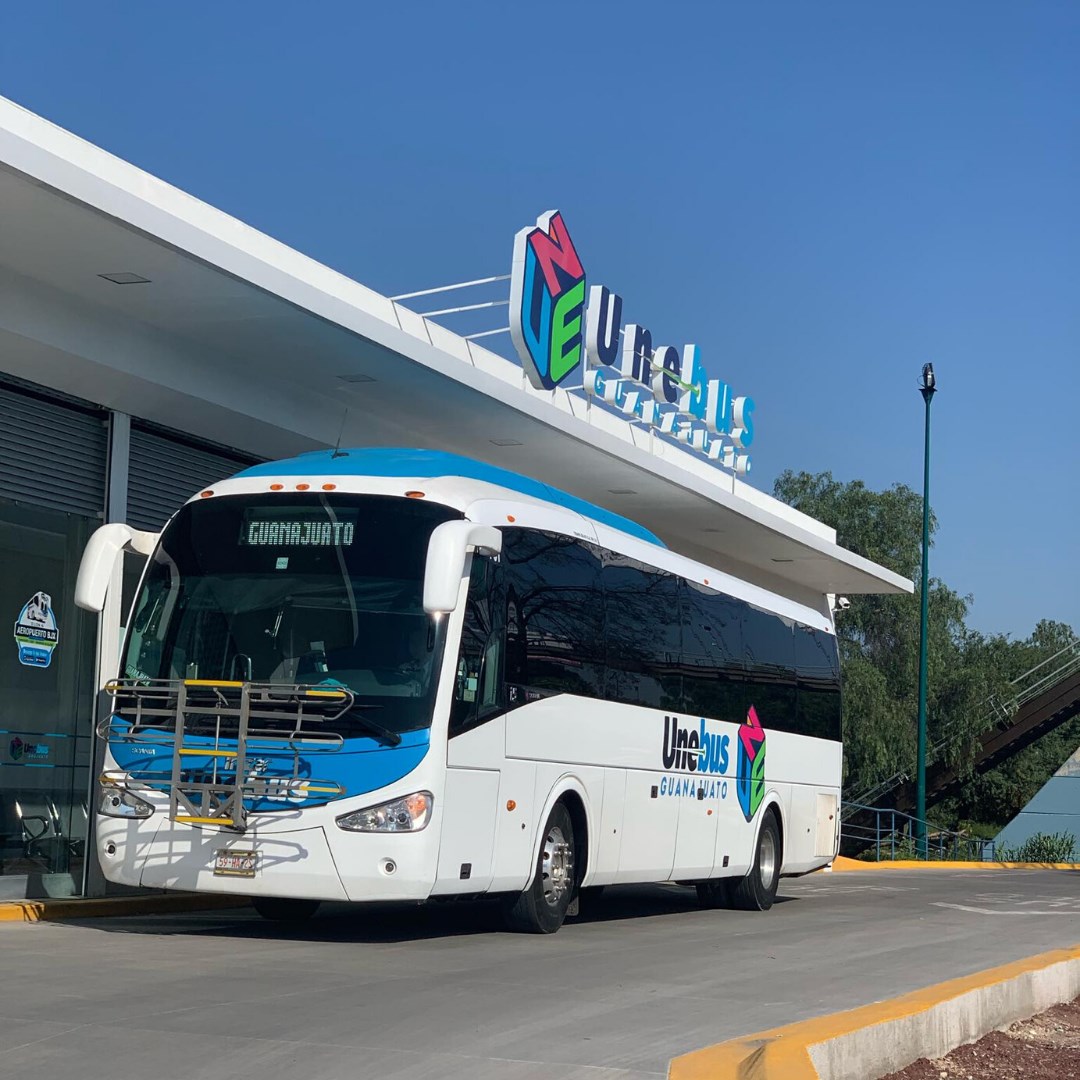
That is why it is important to highlight deliveries such as the one that Scania has made in the Aztec country, attending an order for 17 units for the Flecha Amarilla Group. The transporter has chosen the combination of the K400IB 4X2 chassis and the Irizar i5 body and will be operating under the Unebus brand, dedicated to intercity services with small stations, in the state of Guanajuato.

The buses are diesel and comply with the Euro 5 emissions standard, which is achieved thanks to the SCR post-treatment system, using urea as an additive to enable chemical reactions to release the least amount of pollutants. It is a 12.7-liter engine well known throughout Latin America and even very strong in road buses larger than 12 meters in countries such as Colombia, Ecuador and Brazil. For Mexico, they are offered with the Opticruise 12-speed transmission and wheels in size 315/80 R22.5

For the Yellow Arrow group and its brands, safety is also important and that is why Scania has incorporated the ADAS package that includes Adaptive Intelligent Cruise Control (AICC), Lane Departure Warning (LDW), Automatic Emergency Braking (AEB) that are complemented by other well-known systems such as EBS brakes and the ESP stability program. This equipment allows you to minimize the risks on the route, protect more to all road users and make trips safer.

For its part, the Irizar i5 model was launched in 2009 in Mexico, based on the i4 that is offered in other markets for interurban and commuter transport, designed to be built on various platforms, although most operators have chosen Scania. They are equipped with 42 reclining seats, Hispacold air conditioning, Wi-Fi internet connection, USB outlets for charging devices and bike racks. The i5 model was the best-selling of the Spanish brand in 2020, followed by the i6 and its largest coach, the i8.

Founded in 1932 in the city of León, the Flecha Amarilla Group is one of the largest land transportation companies in Mexico, mobilizing about 2,400 buses, employing almost 9,800 people serving medium and long distance passenger services with Primera Plus, interurban with Unebus and Coordinados, suburban in Guanajuato and Querétaro, urban in León, business with Boarding, bus rental and tourist services with Ttur and Tapatío Tour, parcel services and operation of fast food franchises in their terminals.

MODASA PLANS TO SELL 250 UNITS OF ITS ELECTRIC TITAN BEFORE 2022

Colombiabus newsroom – Mobility Portal / William Marroquín

THE E-BUS PROTOTYPE CONTINUES NOW IN AREQUIPA

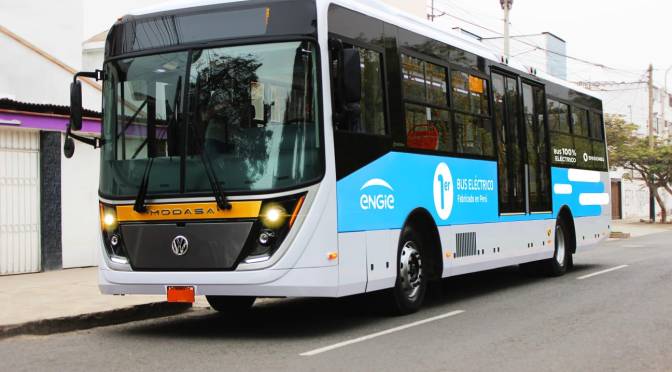
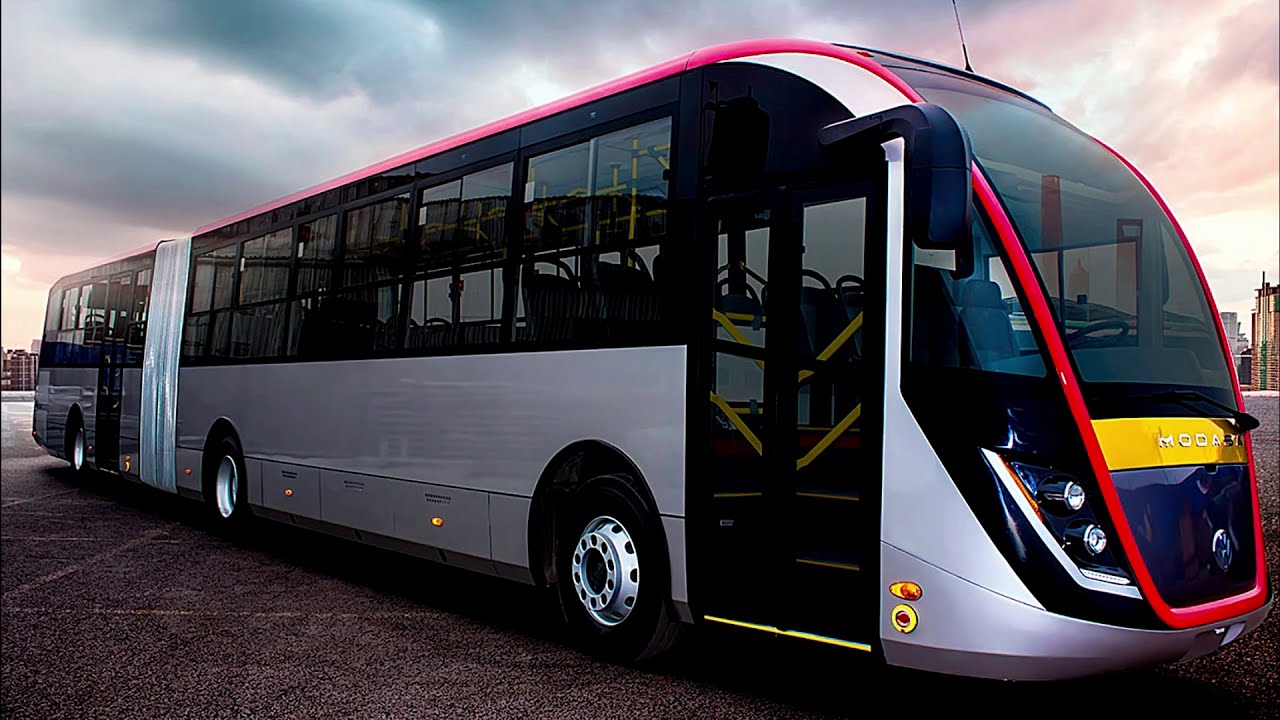
As time goes by, the progress and ambitions of the Peruvian bus builder Modasa are greater, with great dynamism in recent years when it carried out an important update of its portfolio. Additionally, in 2018, it incorporated its Iron Bus oriented to Latin American BRT trunks and continued in its process of continuous improvement of its luxury double-deck with the Zeus 4, and last but not least, it began to look for a space in the demanding market of Mexico.

2020, despite the pandemic, was an important year for the Lurín constructor, becoming one of the first bus manufacturers in Latin America to develop an electric model, its e-Titan. A vehicle where it had the support of Volkswagen, QEV Technologies and Engie as main partners of the project. Much has been said about this prototype about its arrival in Colombia and other markets, although for now they are still focused on their local market where one of them will be tested in the Arequipa integrated transport system and another in Lima with the same typology.

For the city of Arequipa, Modasa hopes that a second trunk will be tendered that would allow it to offer 150 buses and in Lima, the integrated system project is running where 100 units would be delivered. However, the manufacturer asks that the state be more involved in the development of new projects, since the operators are not considered credit subjects.

Due to the pandemic, social distancing, alternation and reduction of bus journeys, demand has naturally decreased significantly and operators have been forced to restructure debts, reduce investments, which has affected their strength and with it, financial institutions. Either they do not approve requests or they review them with greater caution.

For integrated systems, Modasa also proposes bidding schemes where the municipalities or the government are guarantors of the payment of the vehicles, as has occurred in the last processes carried out in Bogotá with Transmilenio in its trunk component or the most recent in Chile for the Red system. Taking into account that the nature of the operators is private, denoting the lack of state participation in the development of new transport models for cities.

SCANIA F310 NOW AVAILABLE IN ECUADOR

Colombiabus newsroom – William Marroquín / Bus Ecuador

A NEW COMPETITOR FACES HINO AK

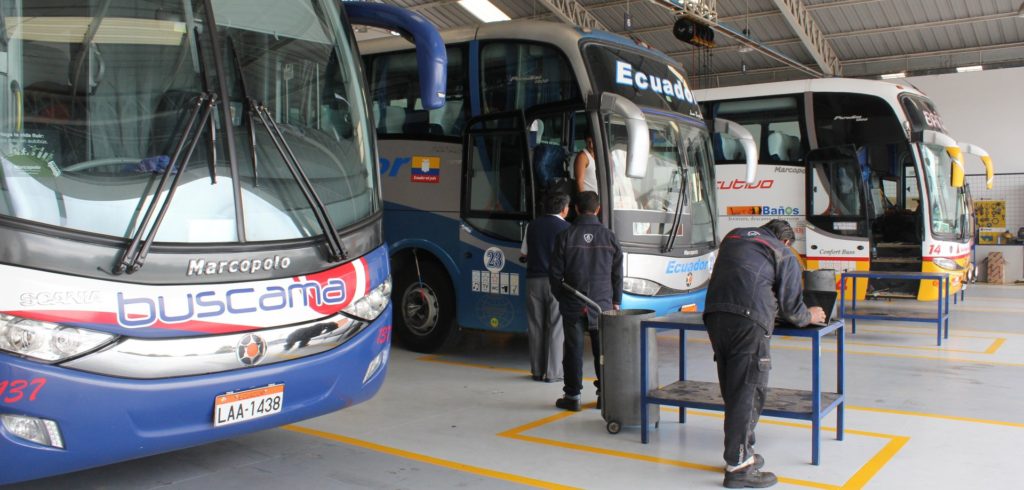
For many years in Ecuador, the chassis that has dominated the bus market has been the Hino AK, a front-engine platform of great reliability and resistance, with 7.7 liters of displacement and capable of transporting up to 45 passengers. Their resistance characteristics, availability of spare parts, simple mechanics and facilities to access after-sales services, together with the great tradition of Hino buses in the neighboring country, have made them the super-favorite of transporters.

Several brands have wanted to confront and seek to subtract their dominance in the Ecuadorian bus scene without losing strength. International and Agrale have tried it, also Mercedes-Benz and Volkswagen with mixed results. Now Scania arrives to look for a space with a platform that has as its reference point the much preferred Hino AK, with a version with a front propeller, as the Ecuadorian transporter likes.

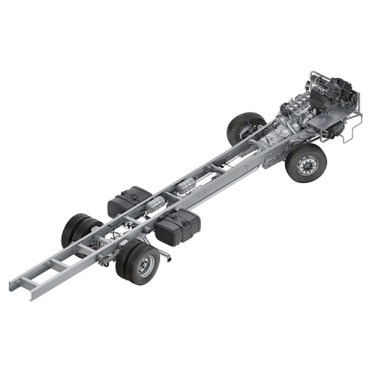
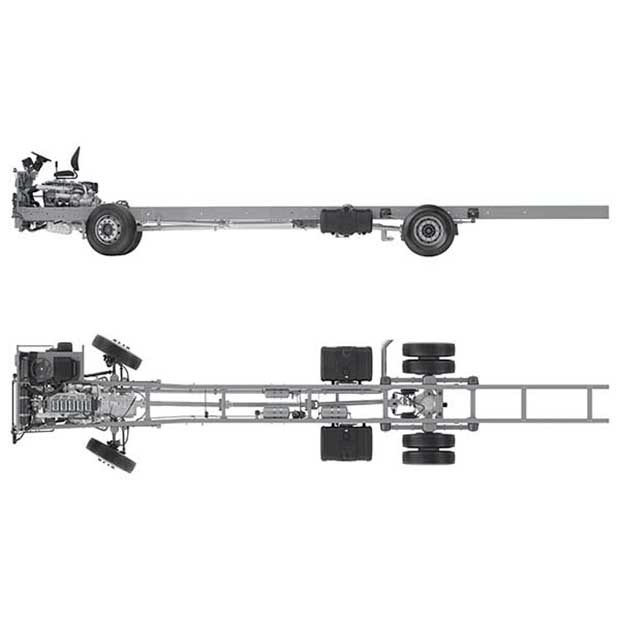
Scaneq, the brand’s representative in Ecuador, has begun to offer its F310 chassis, developed according to the needs of the country’s transporters, which cannot be made to a larger rear engine chassis or more attached to traditional models. Taking advantage of Scania’s great modularity and ability to configure multiple versions, the new platform reaches a broader customer segment.

“Because of the brand, the truth draws attention to the carrier. Everything will depend on the cost and maintenance required for your reception, since HINO in terms of spare parts and after-sales is super commercial”, said Luis Miguel Sánchez, head of Bus Ecuador, one of the most important bus portals in the neighboring country.

With a 9,300cc and 5-cylinder engine, it produces 310HP at 1,900 rpm and 1,550Nm of torque between 1,100 and 1,350rpm, equipped with a turbocharger, intercooler and power by pump-injector, complying with the Euro 3 emission standard in force in the country. It is complemented by the Opticruise automated gearshift and the Scania origin retarder, which contrast with the mechanical suspension, which never ceases to amaze in configuration but has a very clear objective of being close to the current leader.

The long wheelbase is also surprising, being able to reach 6,500 mm on a chassis that reaches a length of 10.7 meters at the time of delivery to the bodybuilder, who will be able to develop buses with capacity for up to 46 passengers, depending on the seating options. It is expected to be able to offer it with the applications of connected services for maximum productivity and security.

The Chassis is already available through Scaneq and at the moment, the Ambate builder Carrocerías Cepeda is preparing a bus, which should motivate other local bodybuilders. Pricing was unconfirmed, but hard work has been done to get as close to the dominant chassis as possible thus far. Finally, it is another segment where Scania was not present and everything it achieves will be profit.

MARCOPOLO DELIVERY 16 ROAD BUSES TO BOA ESPERANCA FROM BRAZIL

Colombiabus newsroom – Marcopolo Brazil

THE COMPANY RENEWS, BETTING ON RECOVERY

The road transport segment is going through the worst crisis in its history worldwide, due to mobility restrictions and social distancing imposed by the Covid-19 pandemic. In Brazil, while rental and business transport services progress, being the protagonists of the deliveries of new vehicles this year, road route operators resist, although others are betting on the recovery and consider that the worst is over.

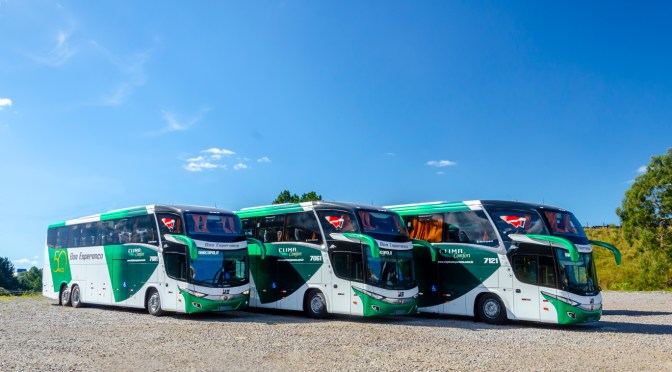
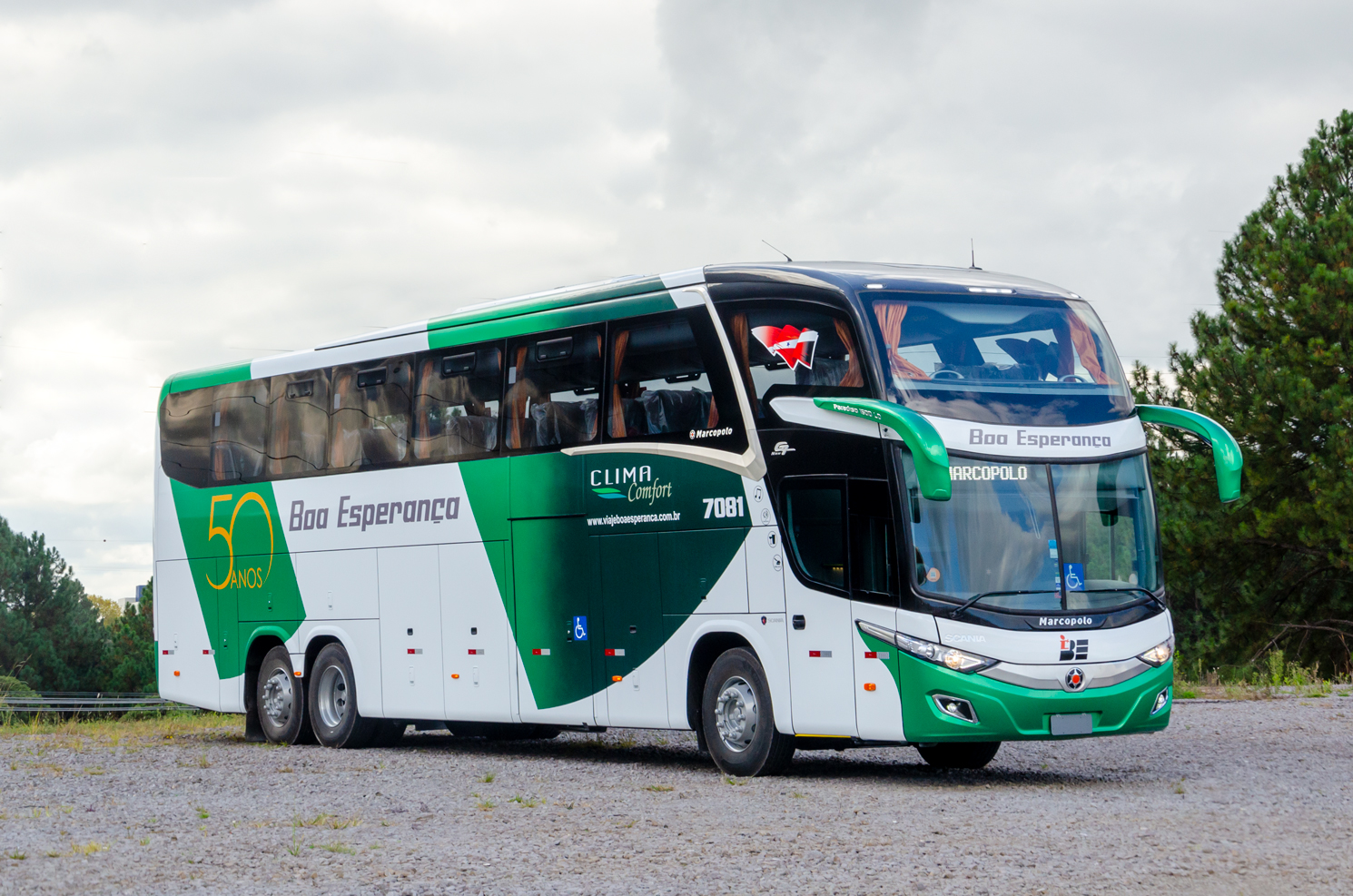
The ten Paradiso New G7 1600 LDs have capacity for 48 passengers in semi-bed seats, benefiting from the largest storage capacity on the market and include elevators for people with reduced mobility. For their part, the six Paradiso New G7 1800 DD have different configurations: four have capacity for 64 passengers, with 12 seats on the lower deck and 52 semi-seats on the upper deck, and two have 43 seats, with 12 seats on the lower floor and 31 sofa beds, on the top floor.

All vehicles are equipped with air conditioning system, wood-look floor, individual light, 110-volt outlet, cup holders and USB ports on all seats and Wi-Fi, as well as a toilet. Boa Esperança stands out for being the most representative operator in the north of Brazil. With a modern fleet, it operates dozens of interurban and interstate lines, promoting the connection of the capital of Pará with several municipalities in the state and several others in the northeast of Brazil.

MERCEDES-BENZ TOGETHER WITH AYCO PRESENT THE NEW ZAFIRO GT IN MEXICO

Colombiabus newsroom – William Marroquín / Mercedes-Benz México

AN EVOLUTION FOR URBAN SERVICE

It has been 27 years since Mercedes-Benz buses arrived in Mexico, with the desire to become a leader in the passenger segment, as it did in several Latin American countries. Since then, about 91,000 buses of different configurations have been sold to date, with the models with delayed driving and the front model being one of the preferred ones by urban and business transport operators in Mexico.

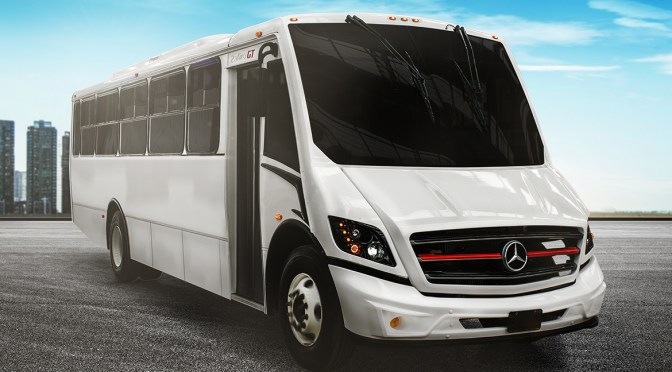
Precisely on this bus archetype, the local manufacturer Autopartes y Componentes (AYCO), has presented its new creation Zafiro GT, which seeks to be the king of urban buses, working together with Mercedes-Benz. The main changes are identified in the front, where it was sought to give it a more aggressive front with a larger louver that contributes to the air flow that the propeller needs. Access to the engine was improved, where the mounts are maintenance free.

It is also accompanied by a new set of LED front optical units, sequential turn signals and a redesigned bumper. The rear part did not have major variations, while in the interior there were several changes that affect the driving position: upper console, instrument panel and its cluster are newly designed to make them more comfortable in daily operation. Work was also done on the dim lighting of the passenger lounge and the router with new games also in LED.

The door leaves now offer greater width to improve passenger access and exit. Special mention, the engineering work where new anchors of the body are incorporated to the chassis, structure with steel profiles covered with wood, which also allowed to save 120Kg compared to the previous Sapphire.

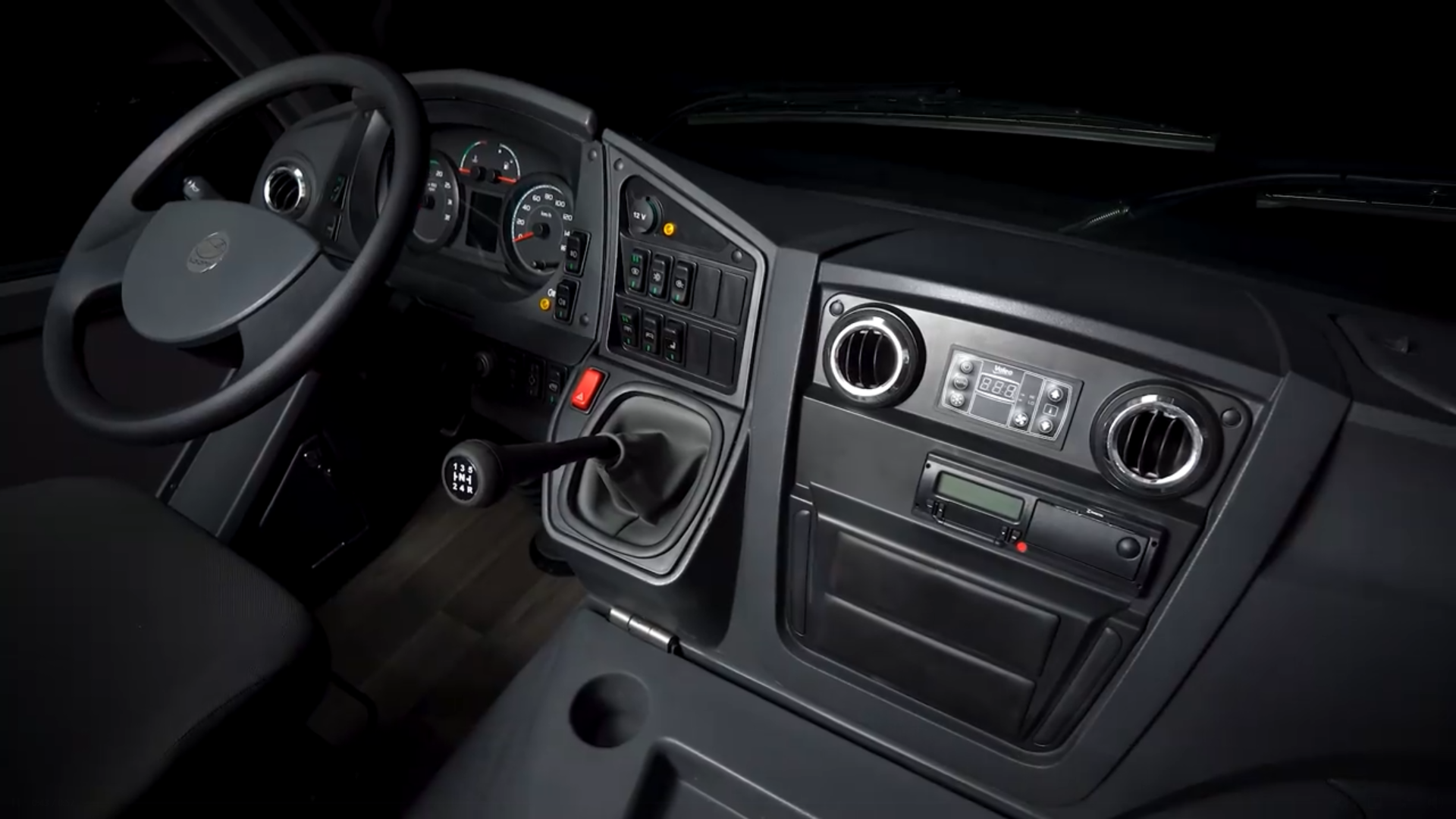
As mentioned at the beginning, we worked together with Mercedes-Benz to couple the body to a platform for urban transport, with the OM924LA Euro V, 4.8-liter, 4-cylinder engine that delivers 210HP at 2,200 revolutions, has an auxiliary brake with on-board switch and manual transmission, it also highlights the coded key to prevent theft of electronic units. For the entry versions, the same engine is maintained, but with 182HP of power, all with a 6-speed manual transmission.

“We are very excited to present this new release together with AYCO. Drivers, passengers and investors must feel confident that they will travel in a comfortable, technological bus, of course very safe, friendly to the environment and highly profitable ». Indicated Raúl González, Director of Sales, Marketing and After-Sales of Mercedes-Benz Buses México.

MERCEDES-BENZ DELIVERY 101 VEHICLES TO BRAZILIAN SERTRAN

Colombiabus newsroom – Mercedes-Benz Do Brasil

VANS, MIDIBUSES AND BUSES UNDERSTAND THE ORDER

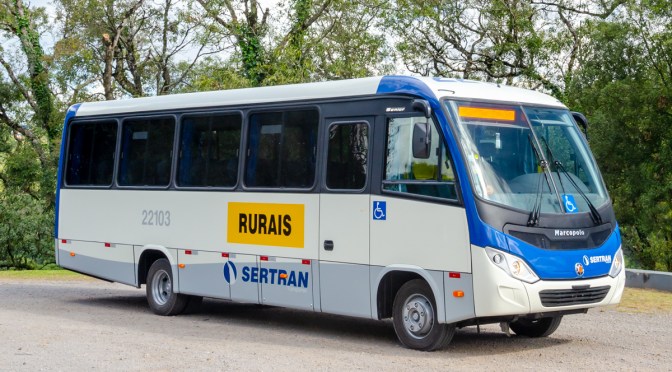
Sertran, is an operator of business, tourist and rental transport services (fretamento) of the Brazilian city of Ribeirao Preto. It is considered one of the largest in the activity in Brazil, mobilizing daily more than 13,000 workers from industries in the sugar and energy sector, mainly in the towns of Minas Gerais, Mato Grosso do Sul and São Paulo.

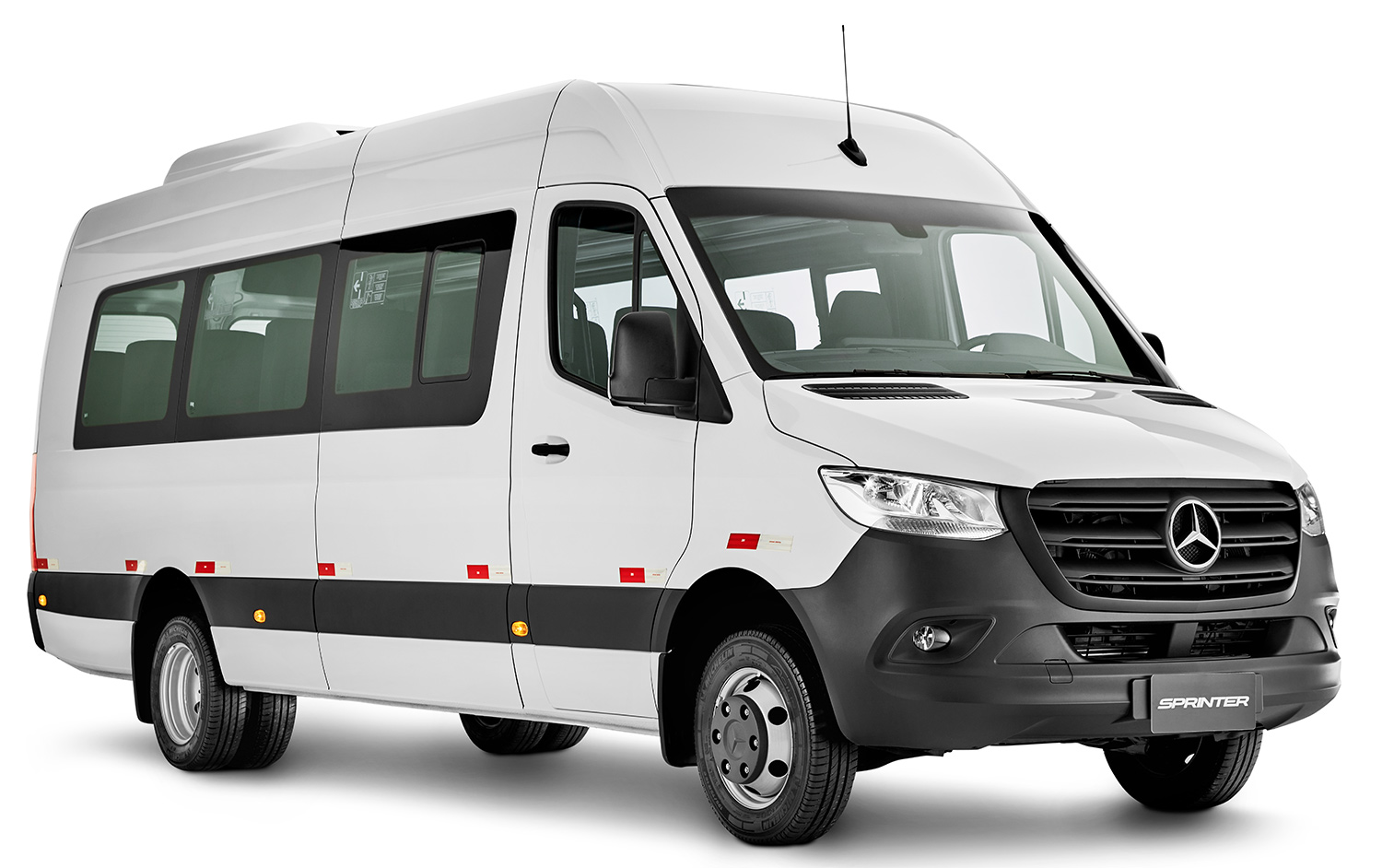
Sertran has trusted Mercedes-Benz to remain the leader in Brazil in sales of bus chassis and vans for the country’s business transport services, which have experienced a great recovery. That confidence is reflected in the 101 units that the company will receive between bus chassis, midibus and vans to modernize its fleet of vehicles.

The order comprises 20 chassis of the OF1721 bus, 45 LO916 midibuses in both cases bodied with the Marcopolo Ideale and Senior models. Additionally, 33 Sprinter 415CDI vans with capacity for 15 + 1 and three of the 516CDI model in 19 + 1 configuration were ordered, Sertran has already received the midibuses, while the buses and vans are in readiness. With this order, the company’s fleet is around 900 units, where Mercedes-Benz represents 90% of the automotive fleet, being an ally for more than 25 years when the company was founded.

The order reaffirms the analyses of both Marcopolo and the transport industry in Brazil, which point to a slow recovery of the road segment, but with a charter sector that continues to boom in 2021, where the bus giant has a market share of 52.7%