ANKAI PREPARA LA ENTREGA DE 800 UNIDADES A GAS PARA EL ESTADO DE NUEVO LEÓN (MÉXICO)

LLEGAN LAS PRIMERAS 100 UNIDADES

Redacción Colombiabus – Ankai Global

Ankai es una de las muchas compañías chinas dedicada a la producción de autobuses, ubicada en Hefei (Anhui) y que pertenece al grupo JAC, que ha tenido una importante penetración en varios mercados latinoamericanos, con buenos resultados, especialmente en transporte de carga con tonelajes pequeños y medianos. Puede producir cerca de 30.000 buses al año y también destaca por haber recibido en los años noventa la colaboración de los alemanes de Kassböhrer (Setra), antes de ser adquirida por Daimler.
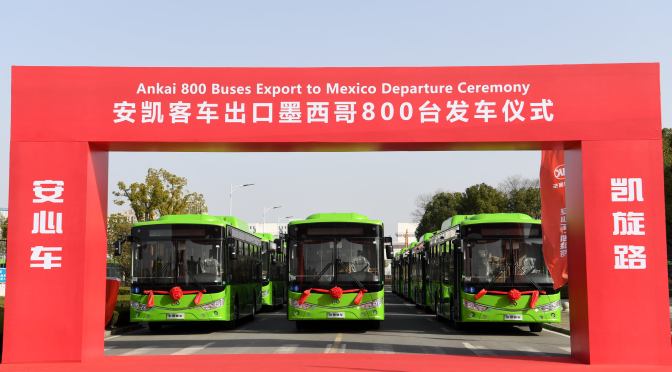
En México la marca tiene como representante a EGS Trucks, encargada de todo el proceso de venta, servicio y repuestos para Ankai además de los motores Yuchai, que también pueden equipar a los buses chinos. Ahora el fabricante chino llega a las grandes ligas del transporte en el país, tras adjudicarse un contrato de 800 unidades, para el sistema de transporte de Nuevo León.

En una competencia donde participaron cuatro marcas, en diciembre de 2021, se eligió al consorcio Thousand International Companies S.A. (Ticsa), que incluyó la tecnología aportada por Ankai. El Ganador no sólo cumplió con las especificaciones, también ofreció los mejores precios y condiciones y estuvo muy por debajo de lo estimado por el administración estatal para la licitación. El secretario de Movilidad anunció que las primeras 100 unidades arribarán a Nuevo León en abril y que terminarán de llegar los 800 autobuses en septiembre, así mismo, declaró que los autobuses servirán para la reestructuración del transporte público en la entidad.

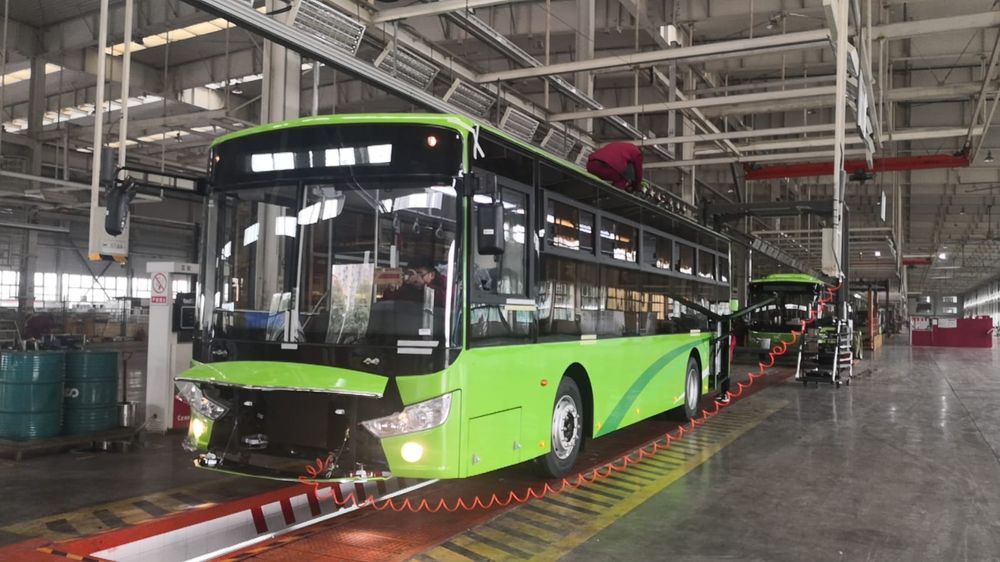
Ese primer lote de 100 unidades, deberá ser entregado el 23 de abril, luego se realizarán progresivamente entregas cada mes de 140 unidades, hasta que se completen para el mes de septiembre. Los buses se están construyendo en las plantas de Ankai, para posterior embarque vía marítima hacia México.

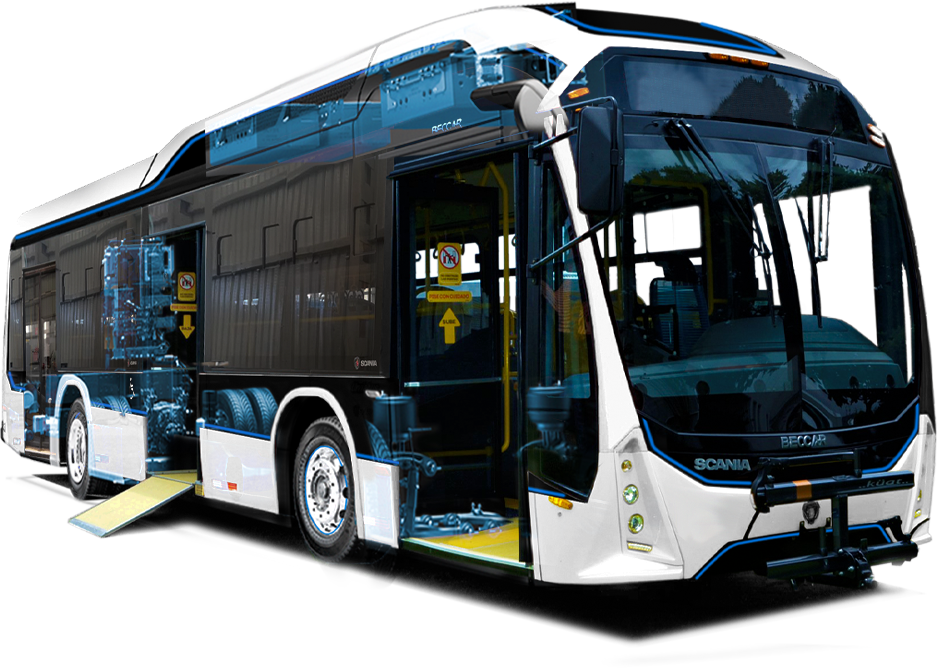
Los buses Ankai que rodarán por las calles de Nuevo León, corresponden al modelo HK6105HGQ de 10.500 mm de largo, 2.500mm de ancho y una altura máxima de 3.250mm con un peso vehicular máximo de 16.000Kg. Están propulsados por un motor Yuchai YC6J245-50 de 7,8 litros, entregando 240HP de potencia y 980Nm de torque, cumpliendo la norma de emisiones Euro V. Los 6 tanques para almacenar el combustible, tienen una capacidad de 120 litros cada uno.
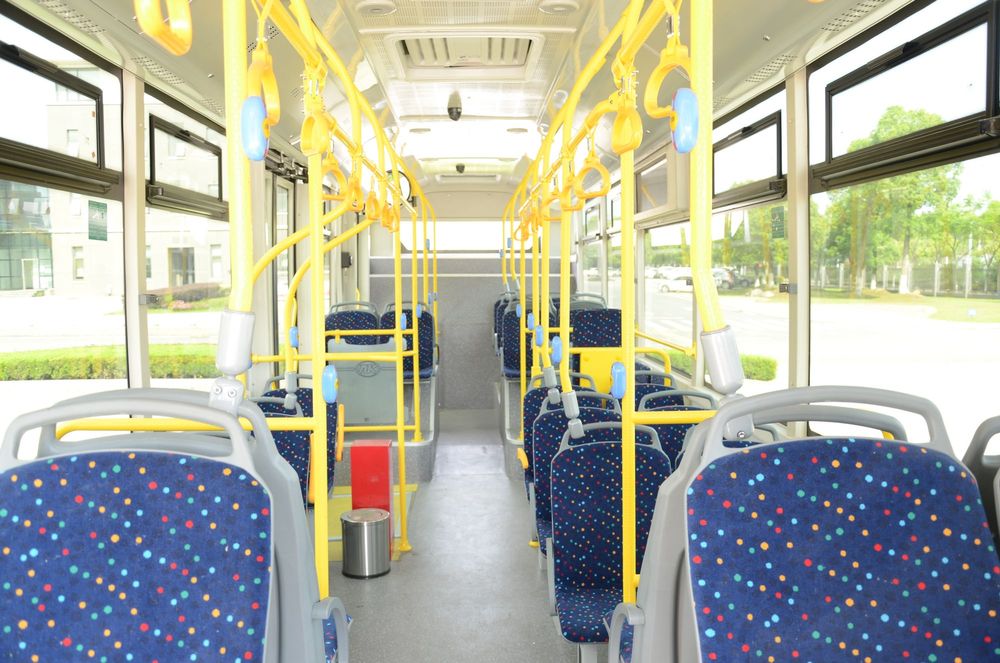
Los vehículos podrán transportar hasta 70 pasajeros, cuentan con aire acondicionado, sistema de extinción de incendios en el motor, puertos de recarga USB. El sistema de frenos es de tambor, con ABS y secador de aire provistos por Wabco, mientras que el sistema retardador electromagnético es de origen Telma.
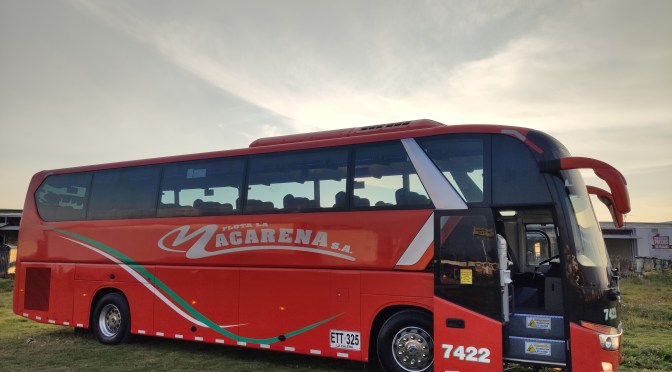
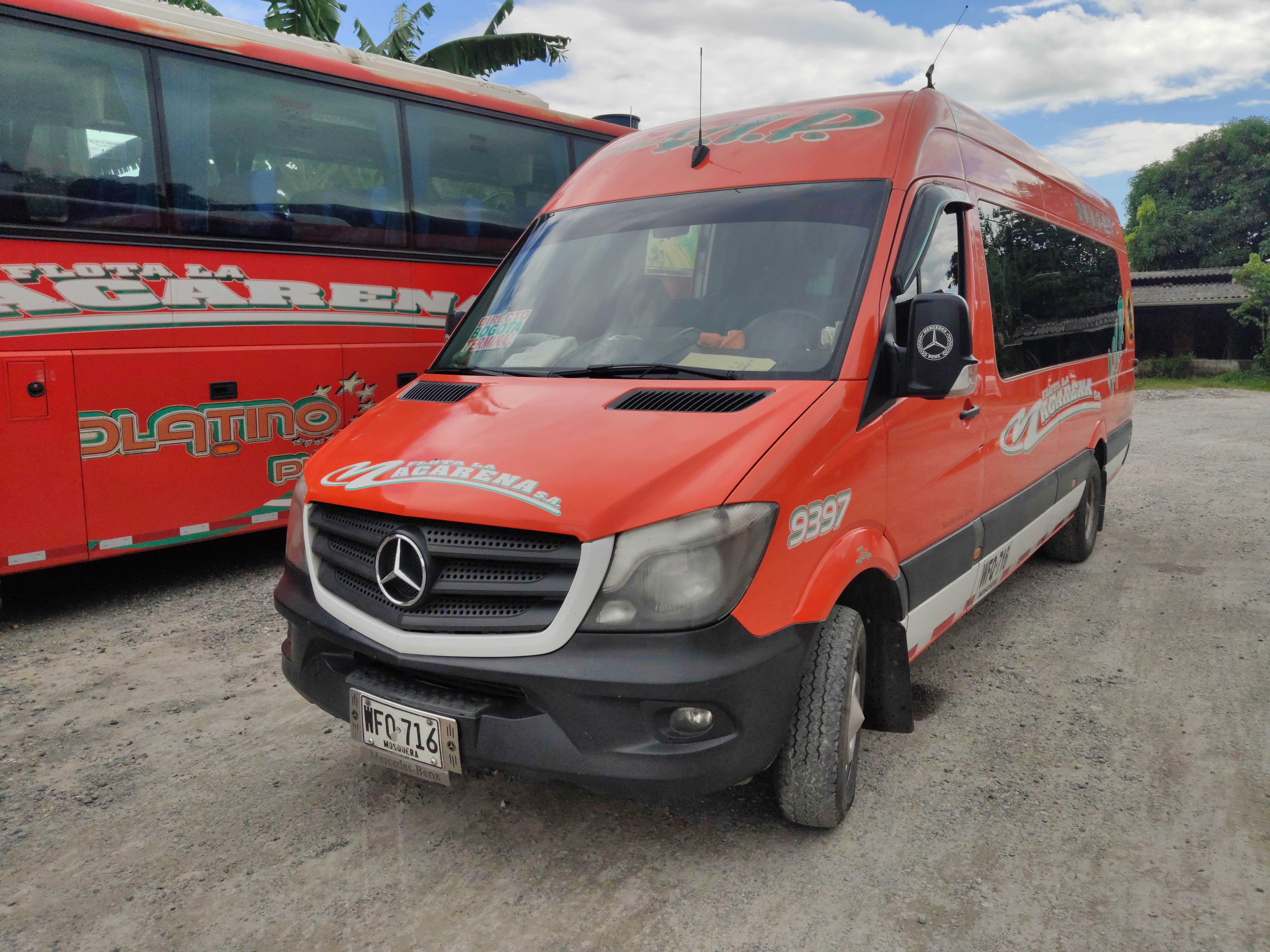
FLOTA LA MACARENA ENCABEZA PUNTAJES EN LICITACIÓN PARA RUTAS EN LOS LLANOS ORIENTALES

UN RESULTADO QUE NO DEJÓ MUCHAS SORPRESAS

Redacción Colombiabus – William Marroquín

La gran mayoría de las catorce rutas que se han ofertado en los concursos licitatorios que iniciaron en diciembre de 2021, han muchas sorpresas: empresas que han llegado a regiones nunca imaginadas, las de mayor poderío y tradición han encajado derrotas a manos de otras empresas de menor tamaño y más jóvenes, compañías que cometieron errores de principiante con el manejo de la documentación, algunas excluidas, varias lograron resultados de gran impacto mediático, entre otros.

El concurso CR-MT-004-2021 tiene como particularidad, ofertar cuatro corredores en los llanos orientales, dos rutas buscan comunicar a la región con la capital del país en nivel de lujo y ampliar las frecuencias disponibles, mientras las otras están orientadas a comunicar poblaciones del departamento del Meta en servicio básico.

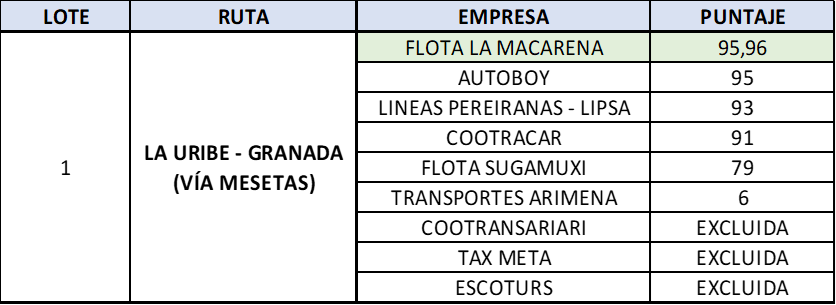
El primer corredor, busca unir las poblaciones de La Uribe con Mesetas, en un servicio básico que puede prestarse en camionetas, cuyas poblaciones están separadas por una distancia de 55 kilómetros. En este concurso, se presentaron nueve empresas, que obtuvieron la siguiente puntuación:

Para este corredor, se autoriza ampliar la capacidad transportadora en dos unidades tipo camioneta, que de acuerdo con el equipo ofertado que presentó Flota la Macarena, serán unidades Renault Trafic diésel 1.6, con capacidad 8+1. Estas vans, atenderán la ruta en los siguientes horarios:

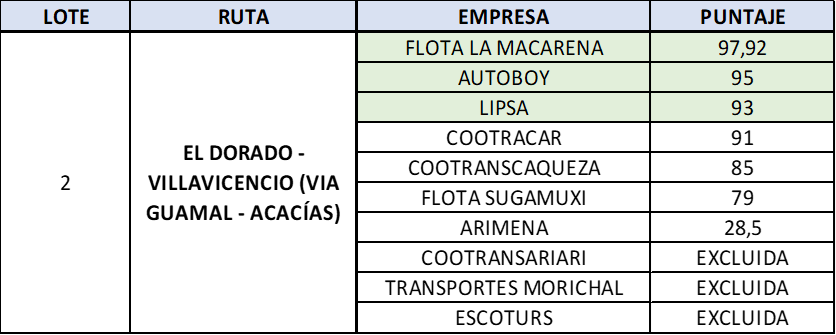
El segundo corredor ofertado, busca mejorar la conexión entre el municipio de El Dorado, ubicado a 175Km de Villavicencio y a orillas del río Ariari. Las tres empresas con la mejor puntuación, son las que tendrán derecho a una frecuencia, presentándose 10 compañías, a las que el grupo evaluador del Ministerio de Transporte asignó la siguiente calificación:

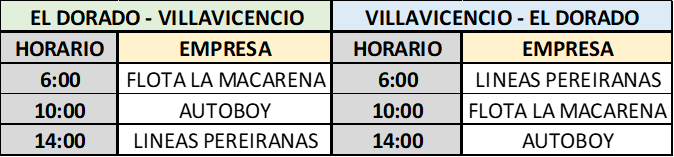
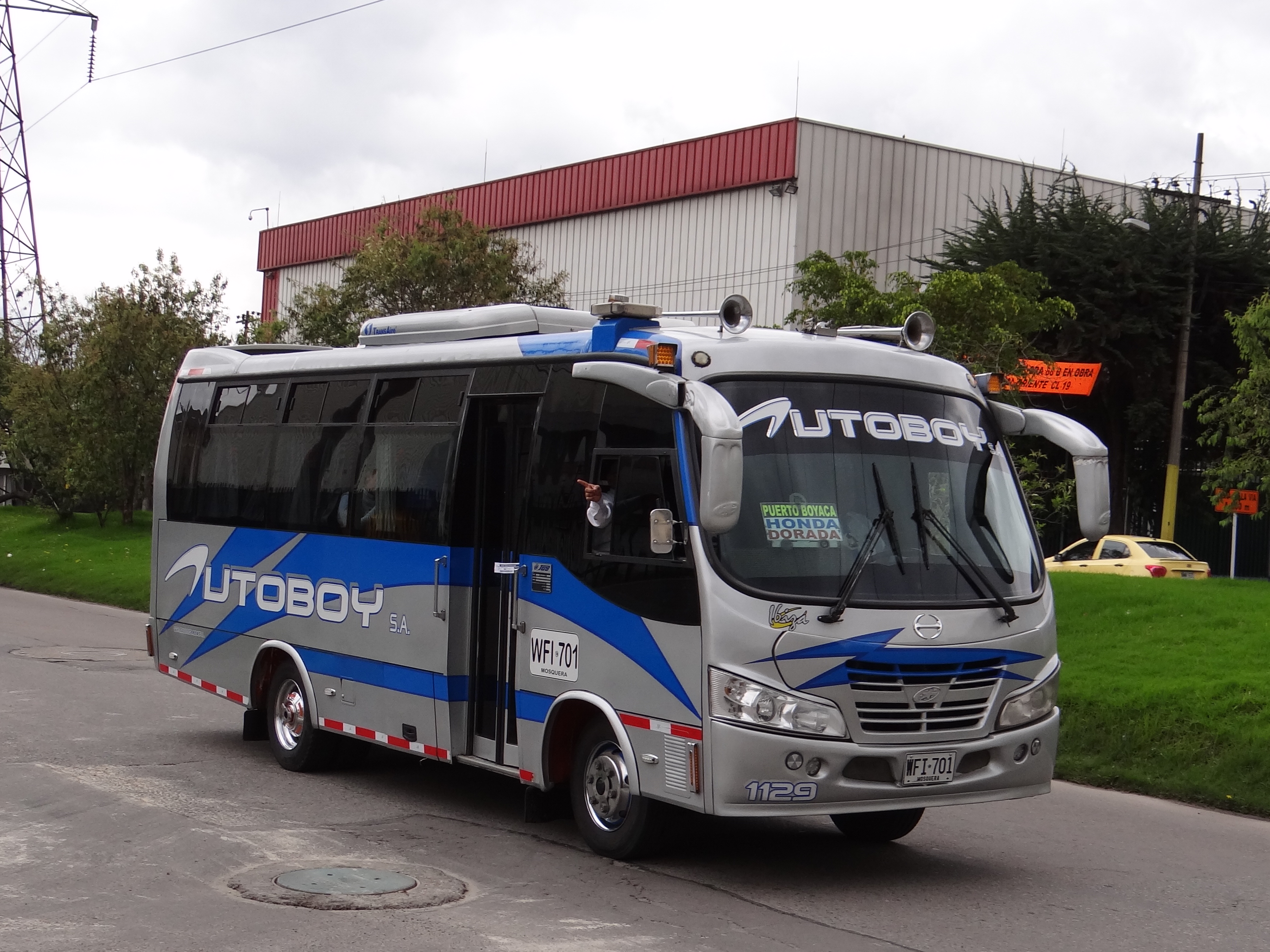
Para este corredor, Flota La Macarena ofertó van Renault Master con capacidad 15+1, Autoboy optó por la combinación de chasis Chevrolet NKR y carrocería Marcopolo New Senior. Por su parte, en la propuesta presentada por Líneas Pereiranas, no se pudo establecer con qué tipo de vehículo nuevo atenderán la ruta. Los horarios quedaron fijados de la siguiente manera:

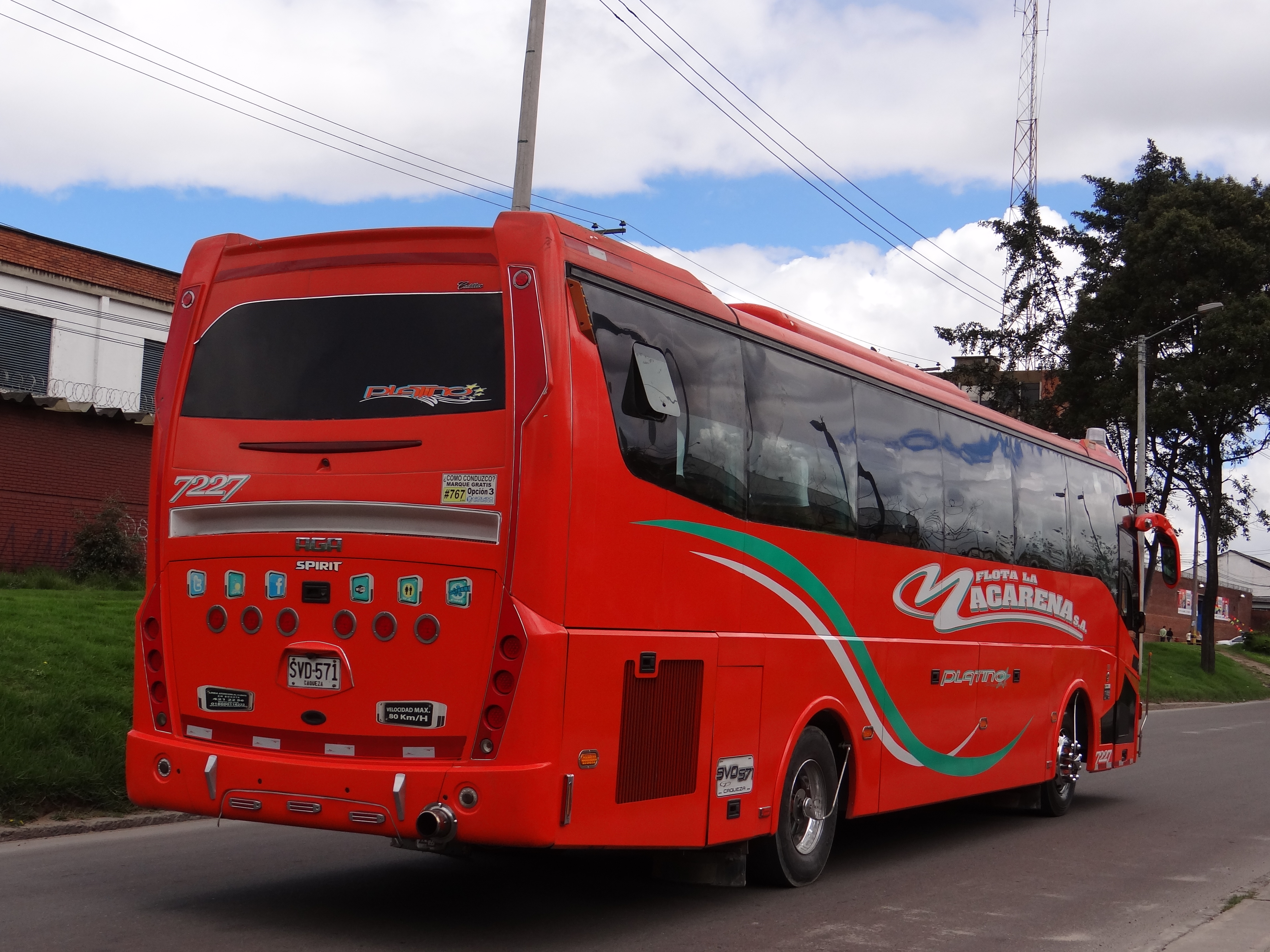
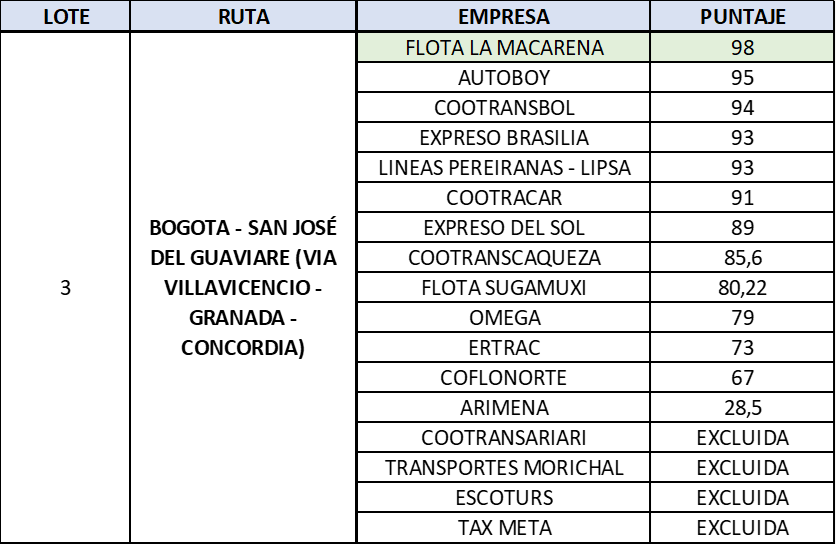
Una de las rutas que más interés tenía por parte de empresas de todo el país, es la que conecta a Bogotá con San José del Guaviare, que ha sido exclusividad de Flota La Macarena. Y lo seguirá siendo, pues esta compañía obtuvo la mayor puntuación tanto para este lote, sino de todas las catorce rutas que hemos revisado, de estos tres concursos:

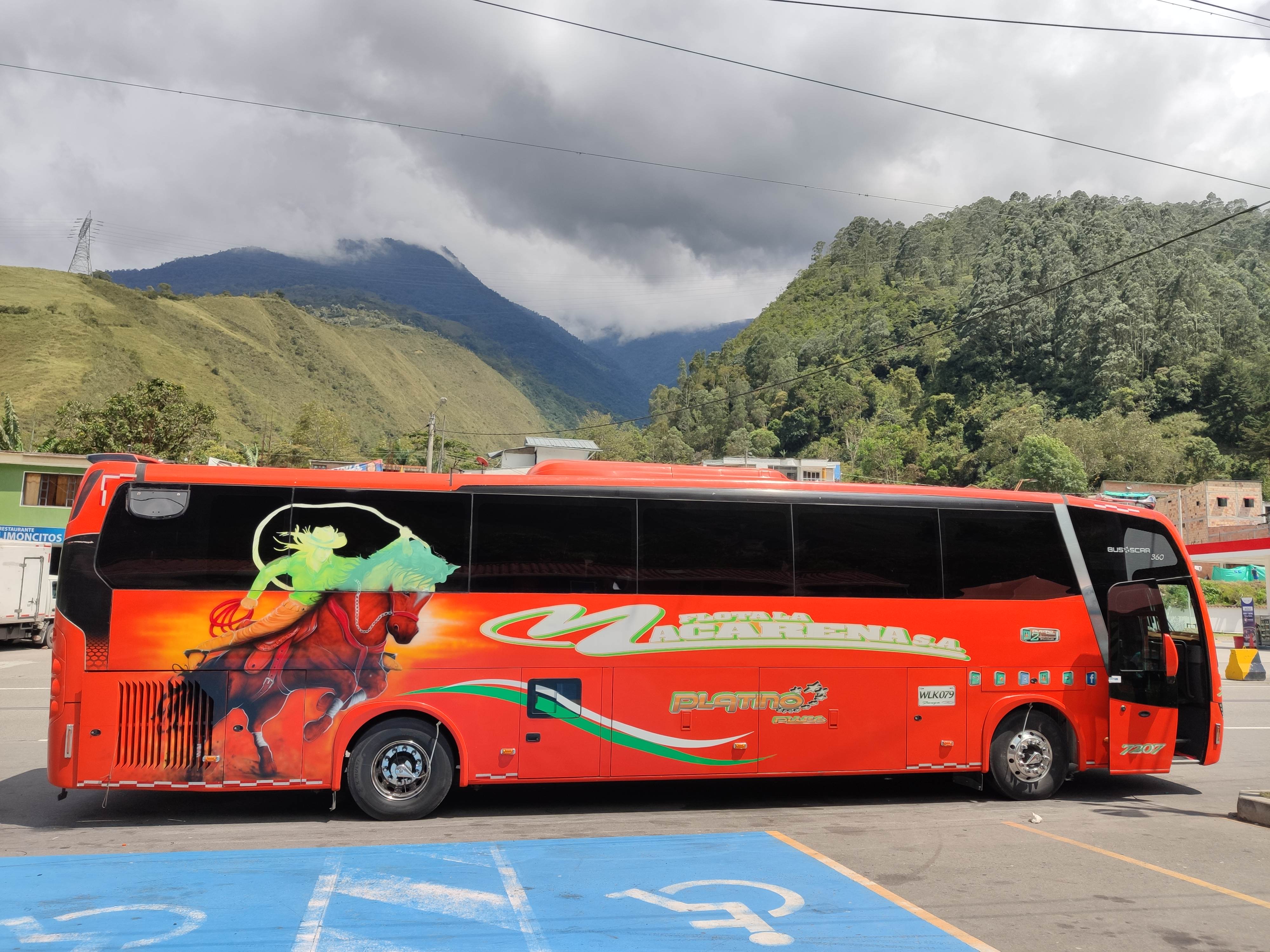
La empresa optó por la combinación preferida por los transportadores en el segmento de grandes buses de carretera en Colombia: el chasis Scania K400 con carrocería Marcopolo Paradiso 1200 New G7, con su vistoso color naranja, adicionando una frecuencia que tendría el siguiente horario:

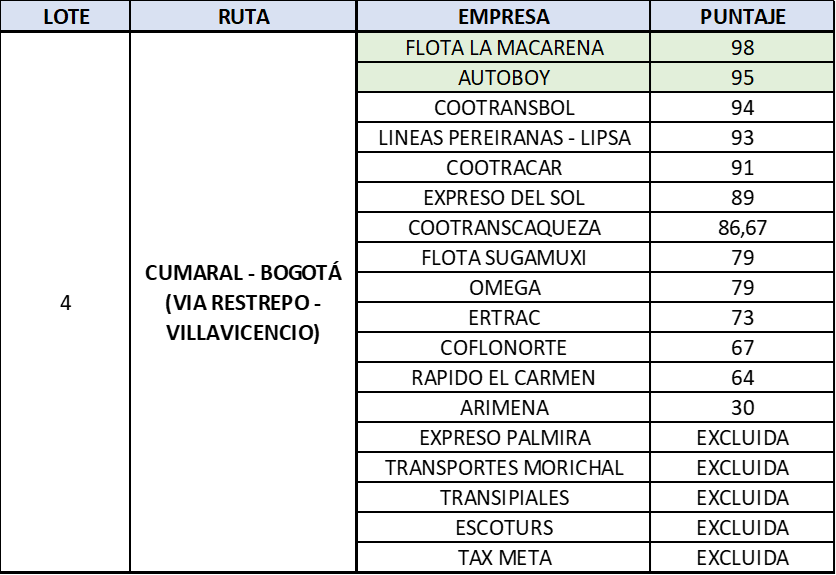
En el corredor Cumaral-Bogotá, Flota La Macarena tendrá compañía y pues será naturalmente uno de los grandes ganadores de estos tres concursos licitatorios: Autoboy, que curiosamente obtuvo mejor resultado que Flota Sugamuxi, empresa que opera bajo el paraguas del nombre Libertadores y que históricamente conecta a Arauca y Yopal con Villavicencio y la capital del país.

El grupo evaluador del Ministerio de Transporte, que preparó el informe preliminar, asignó la siguiente puntuación a las empresas concursantes:

Ambas compañías han optado por la combinación Marcopolo Paradiso 1200 New G7, sobre el chasis Scania K400 para atender este corredor, con punto de paso por la capital del Meta, en los siguientes horarios:

Quedan varias instanacias por resolver en este concurso: recibir las observaciones a los informes por parte de los postulantes y naturalmente dar contestación; posteriormente, generar el informe definitivo de evaluación con el acta de adjudicación. Este último documento, indicará los plazos que tienen las compañías ganadoras, para inciar la operación de las rutas.

Por lo pronto, quinees deseen presentar las observaciones, podrán hacerlo antes del 15 de marzo de 2022, a más tardar las 23:59 de ese día.

MERCEDES-BENZ DONATE CHASSIS TO ITESM DE MEXICO FOR ELECTRIC BUS PROJECT

THE PROJECT USES THE OH1518/47 CHASSIS

Colombiabus newsroom – Mercedes Benz Autobuses México

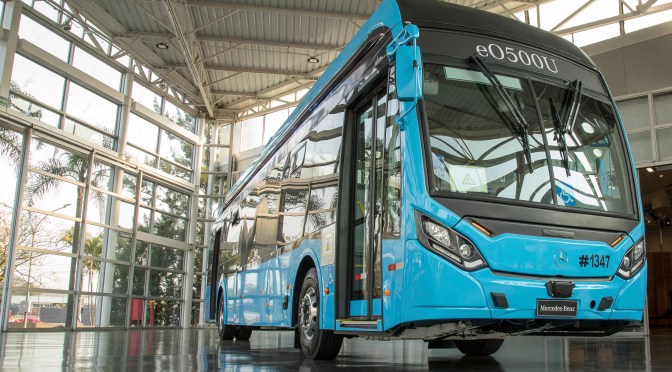
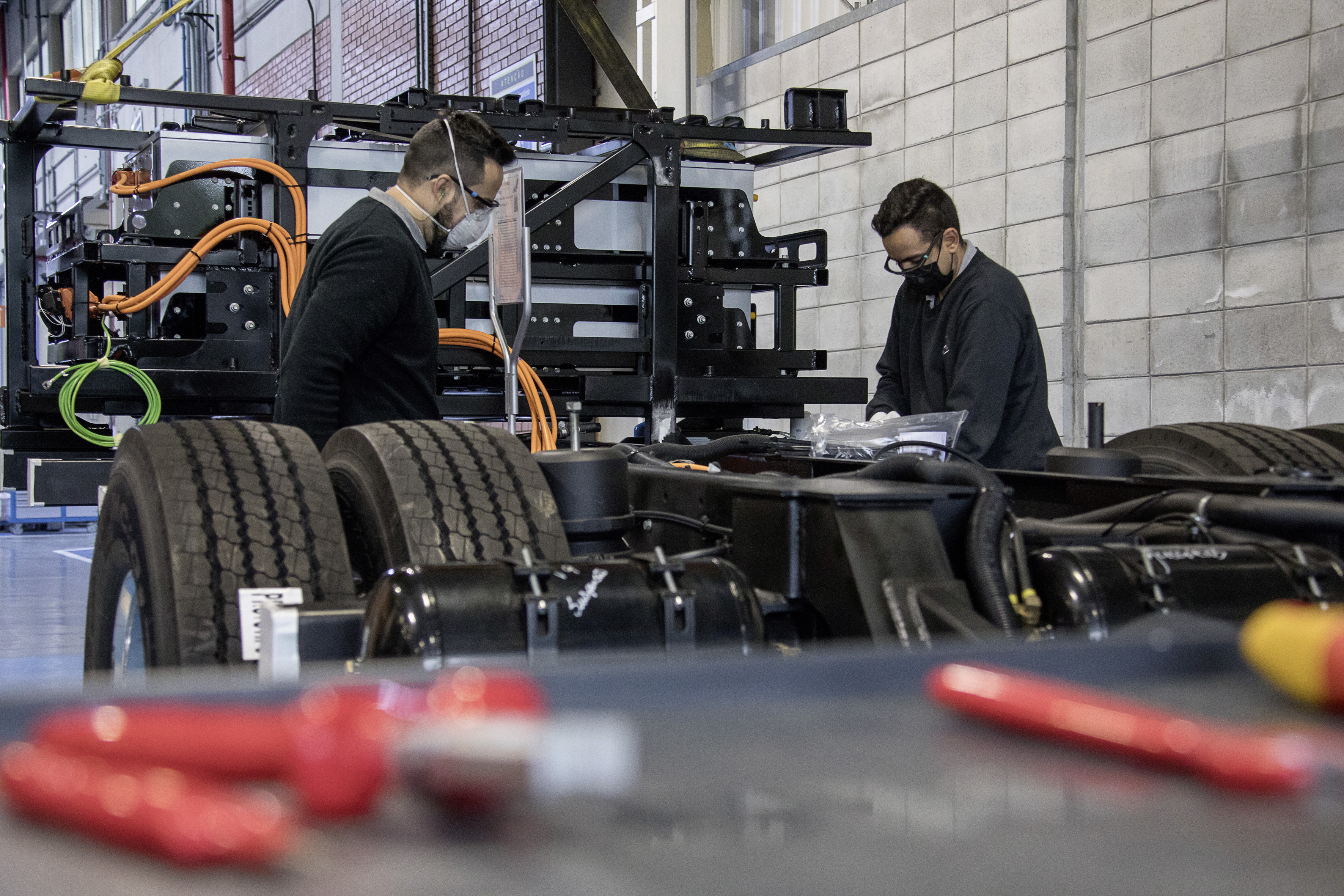
Under the premise that mobility is a fundamental part of the economic and social development of a community, Mercedes-Benz Buses in Mexico is committed to innovation and the production of buses with environmentally friendly technologies, to promote sustainable mobility. This is demonstrated by the recent launch of the first electric unit with eO500 U chassis, 12 meters and low entry, which was unveiled in São Bernardo do Campo in August 2021, and is expected to be marketed throughout Latin America.

In this same sense and to contribute not only with the quality of life in cities, climate protection and air quality, but also with the technological development promoted by the Academy, the Three Pointed Star has donated an OH1518/ 47 valued at $40,000, to the Monterrey Institute of Technology and Higher Education. This donation will be used so that students can learn everything related to the ecosystem of electromobility.

“We are excited and proud to be part of this project with which we can encourage the development of engineering and manufacturing capabilities around sustainable mobility technologies,” said Raúl García, Director of Operations of Mercedes-Benz Buses.

Additionally, the companies Questum Movilidad, Marcopolo and Grupo SENDA will collaborate with the students to design this project by donating the powertrain, bodywork and internal components, respectively. In the same way, expert operators will carry out driving tests, maintenance and collection of statistical data on the performance and performance of the unit.

The School of Engineering and Sciences of Tec de Monterrey will form transdisciplinary engineering work teams in which students, professors and researchers will participate, for the conceptualization, design and assembly of electrification components in the chassis and bodywork. The field tests and final tests, as well as the vehicle operation and maintenance plan, will be carried out in the spaces assigned by the donees. Also, it will create a Tec Mobility circuit, so that the end user can validate its operation.

Das Fahrgestell wurde unter Einbeziehung der Erfahrungen mit dem Mercedes-Benz eCitaro vollständig in Brasilien entwickelt und parallel in Deutschland und in Brasilien von Ingenieuren von Daimler Buses auf Herz und Nieren getestet. Taking into account the experiences with the Mercedes-Benz eCitaro, the chassis was completely developed in Brazil and put through intensve tests by engineers from Daimler Buses in Germany and Brazil.

“This donation will promote the TecNexus initiative that pays for the development of technological and sustainable solutions for the use of natural resources, specifically in the Energy avenue, to accelerate the training of talent, research and technological development focused on cleaner and more sustainable mobility. We are very happy with Mercedes-Benz Autobuses for strengthening our National Electromobility Laboratory to encourage our brightest minds of students and teachers, in the creation of technological solutions, from the classroom to the industry”, highlighted Manuel Zertuche, National Dean of the School of Engineering and Sciences from the Monterrey Institute of Technology and Higher Studies.

For his part, Dr. Mario Adrián Flores, Vice President of the Monterrey Region mentioned “We are at the right time to develop and test technologies created in the region, and our Tec District will be the Living Laboratory to validate and improve electric, connected and autonomous vehicles. We appreciate the interest and trust shown by Mercedes-Benz Autobuses and allies in this project in favor of sustainable mobility”.

Sofía Mendoza, an Automotive Design Engineering (IDA) student at the Monterrey Campus, expressed with emotion, “I am proud to be a protagonist, witness and student at Tec de Monterrey. This project has given me the opportunity to lead, as a Project Manager, mechanical design with scope in the technological, environmental, economic, social and educational fields. Our main objective is to reduce the emission of pollutants to achieve a cleaner air and environment. I observed that the students are capable of exceeding our expectations and self-limitations, to carry out a job of excellence and with a high impact on people’s daily lives.”

This collaboration has allowed, during the year 2021, to involve more than 20 professors, more than 200 students from each of the IDA, IME, IMA, IIS and IMT careers in projects of energy systems for vehicles, battery sizing, mechanical design and simulation, and power train. The donated chassis will allow implementing and support the concentrations in automotive engineering and cyber-physical systems of the academic programs of the Tec21 Educational Model, as well as the creation of knowledge in the postgraduate courses associated with Electromobility; benefiting about 1000 students.

VOLVO STARTS TESTS OF 7900 ELECTRIC BUS IN CHILE

THE NEXT STOP WILL BE IN COLOMBIA

Colombiabus newsroom – Ministerio de Transporte de Chile

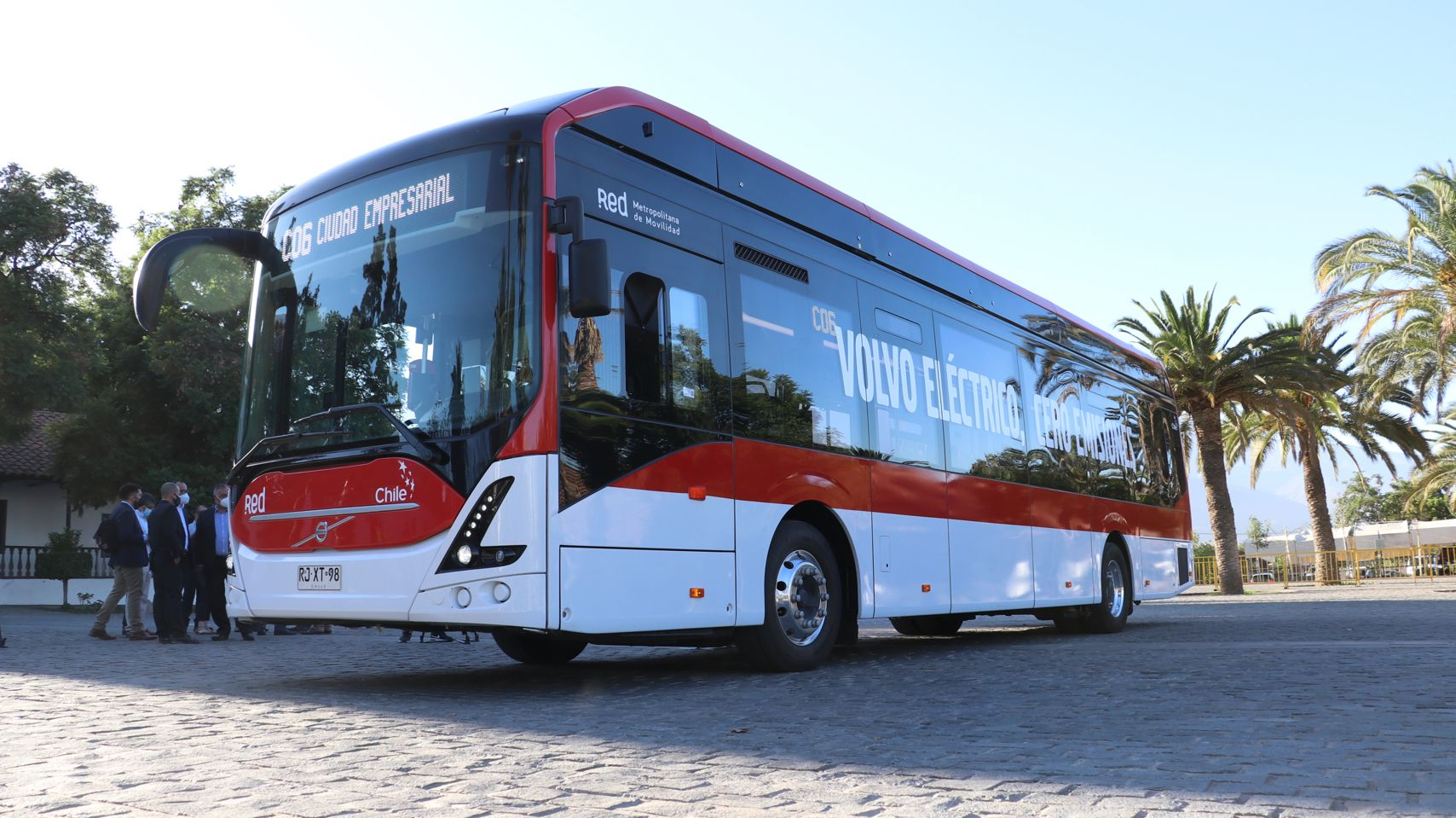
In an event where the Minister of Transport and Telecommunications Gloria Hutt participated, who participated in the presentation of the electric bus model 7900 of the Volvo brand, which will begin a testing period with the operator Redbus. This route provides services to users of the communes of Huechuraba, Recoleta, Providencia and Las Condes. Volvo’s executives, Redbus representatives and a group of fans participated in the event.

The management, requested during the last quarter of 2021 by the Redbus Urbano company to the Undersecretary of Transport, had the approval of the authority in order to facilitate the conditions for service operators to make proposals to improve services and test new technologies that allow users to access greater conditions of comfort, modernity and safety in the public system at the same time that due analyzes and performance evaluations are carried out on the machines that, eventually, could be added to the operators’ fleets.

The commercial director of Volvo Chile, José Antonio Margalet, stated that “we are tremendously proud of having brought the first electric bus with a European standard to the country. This 100% electric Volvo vehicle stands out for being a bus that ensures clean, quiet and efficient public transport, in addition to contributing to the country’s sustainability.

This vehicle incorporates the concept of “zero zones”, that is, it helps cities to become cities with zero emissions and zero noise, complying with the strictest restrictions in this area. It also has automated technologies, such as remote speed control, which enables “safety zones” on the routes to ensure the passage of the bus at a controlled speed in front of points of risk such as schools and hospitals, in addition to the pedestrian detection, which can increase the overall safety of urban traffic”.

Henri Rohard, commercial manager of Redbus stated “we are happy to be able to continue testing new models of electric buses for the public transport system in Santiago. Our objective with these pilots is to continue expanding and enriching the possible products for the market. These types of pilots open up the field of possibilities, both for the number of suppliers and for designs and technologies. There is strong interest from electric bus providers and providers of technologies associated with this type of motorization in the Chilean market,” the executive said.

The electric Volvo Urbano bus has a total length of 12 meters, a width of 2.55 meters and a height of 3.3 meters. It has an electric motor with a maximum power of 200 kW, a 2-speed Volvo I-Shift automated gearbox, a maximum torque of 19,000 Nm, an energy storage system with lithium-ion batteries, with an expected average operating range of 250 kms., heating and air conditioning and automatic temperature control of batteries.

SCANIA MEXICO HAS SIGNED THE ZEBRA AGREEMENT SUPPORTING TRANSPORT ELECTRIFICATION

SCANIA REINFORCES COMMITMENT TO SUSTAINABILITY

Latinobus newsroom – Scania México

Scania Mexico reaffirms its commitment to sustainability and the environment to reduce greenhouse gas emissions and have cleaner and more efficient mobility through its products; this through its signing with the ZEBRA (Zero Emission Bus Rapid-Deployment Accelerator) project, which is co-directed between the International Council for Clean Transportation and the ICCT and C-40 Climate Change Leadership Group.

The Climate Change Leadership Group, better known as C40, has among its initiatives the ZEBRA project, which aims to accelerate the introduction of zero-emission transport, by boosting the supply and demand of electric vehicles, boosting financing and new business models, as well as collaboration to share knowledge. In this way, the C40 group seeks to increase the supply of electric vehicles, knowing that Scania has an important strategy in this regard and the agreement was made to sign the commitment.

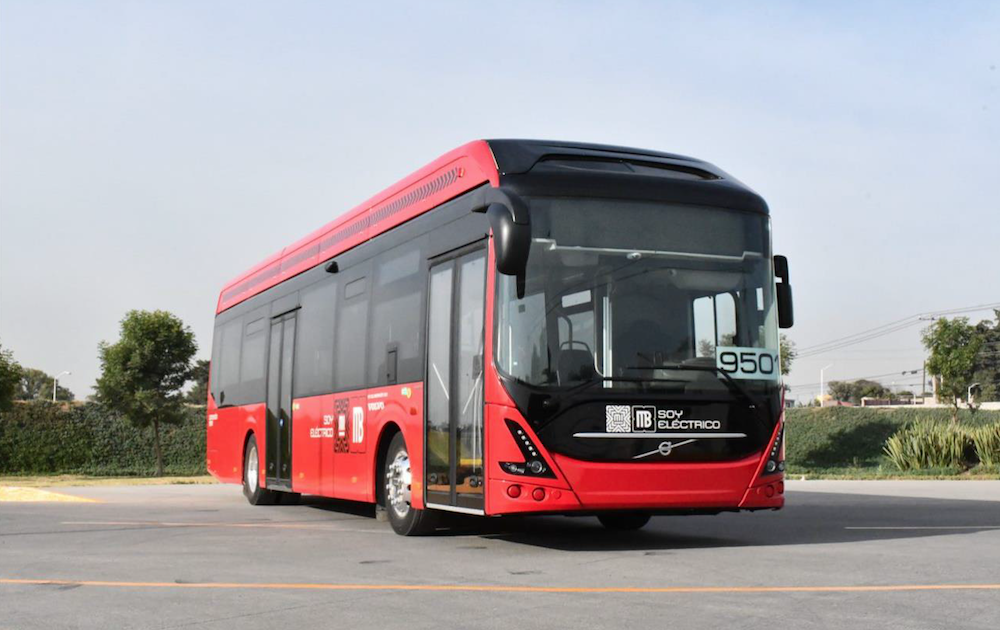
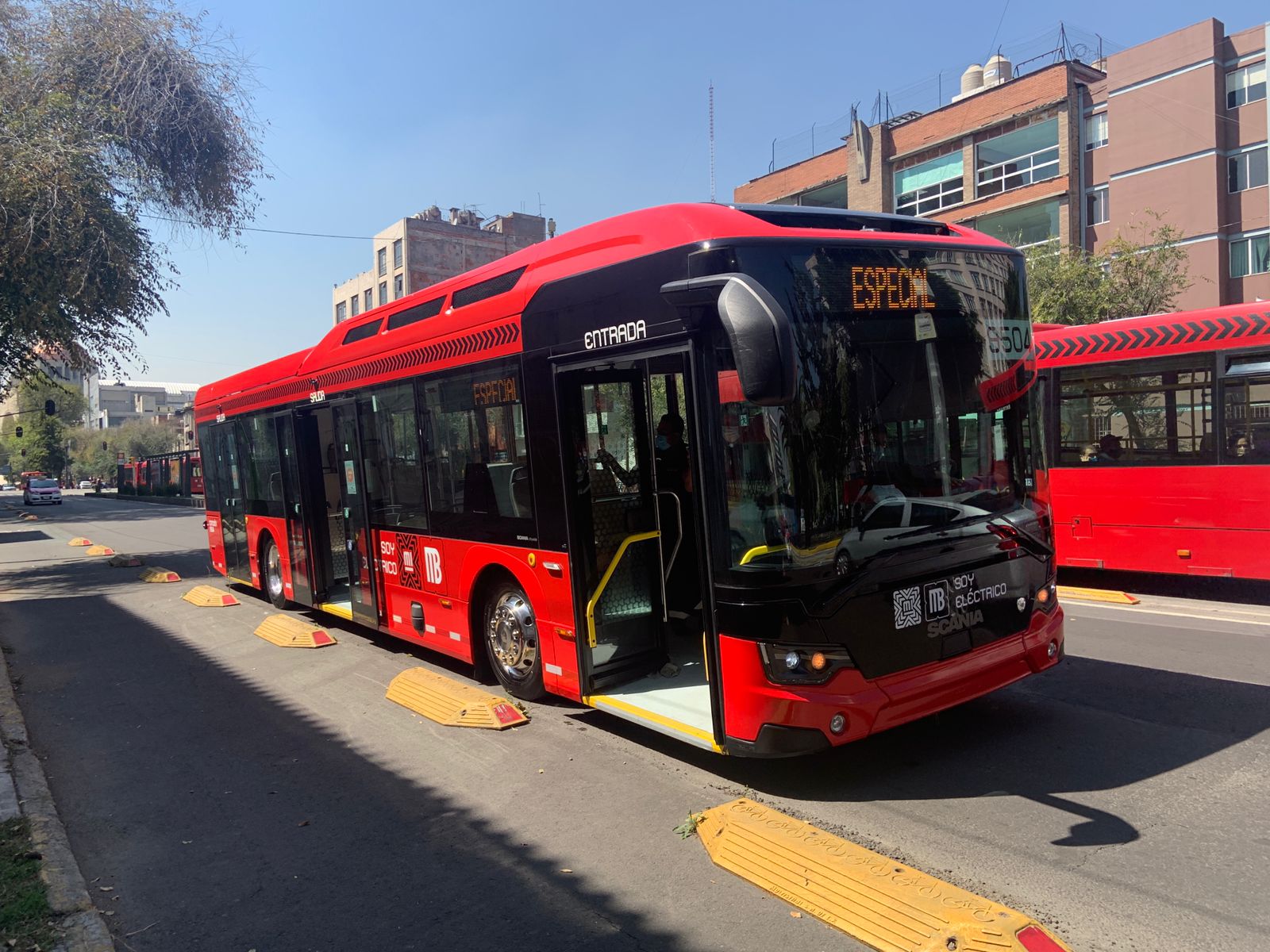
“This signing puts us one step ahead of the commitment we want to achieve in terms of electric mobility, promoting actions to combat climate change. This year we will have the launch of two electric vehicles, one in the bus segment and the other in cargo, which makes us extremely proud, in addition to being the first company in Mexico to sign the ZEBRA project”, mentioned Alejandro Mondragón, General Director of Scania. Mexico.

For his part, Jorge Navarro Inostroza, Director of the Scania Mexico bus segment, commented during the talks held with Leticia Pineda, Regional Leader of ICCT, that he is “proud that Scania is the first company in Mexico to locally develop an electric bus to make a transition that makes having more sustainable cities a reality.”

The Climate Leadership Group (C40) is made up of cities from around the world that join efforts to reduce carbon emissions in the atmosphere and adapt to climate change, 70% of the cities that are part of this group have implemented actions that they benefit the environment, something that, without a doubt, is a great effort to improve our surroundings. Some signatory cities in Latin America are Mexico City, Medellín, São Paulo and Santiago.

Some of the actions that Scania signs before this agreement are: make available at least one zero-emission bus model for purchase in Mexico, make available to ZEBRA partners the results of independent tests of energy consumption in the bus cycle for each product made in Mexico, carry out an operation demonstration of at least one zero-emission bus model in Mexico City within 12 months of signing this declaration, inform ZEBRA partners of the number of buses and zero emission chassis sold in Mexico, among others.

This alliance speaks of Scania’s commitment to the environment, willing to continue innovating to provide customers and users with a tailor-made service, consolidating new technologies of the highest quality, in addition to always seeking to improve with sustainable products that benefit to our planet, this signature is a clear message from the brand to follow the path of electric mobility and reduction of carbon emissions.

EMT MADRID WILL PROVIDE TECHNICAL SUPPORT TO MUEVE FONTIBÓN AND MUEVE USME OF TRANSMILENIO

THE AGREEMENT WILL LAST FOR 5 YEARS

Colombiabus newsroom – EMT Madrid

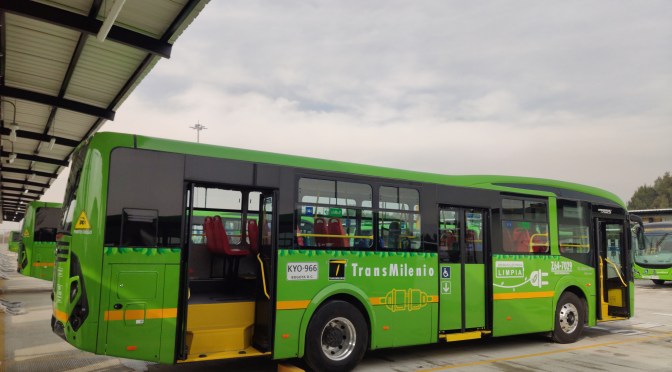
The Municipal Transport Company of Madrid has been chosen by two of the most recent zonal operators of the Transmilenio system, to provide technical assistance in improving the passenger transport network in the Colombian capital. The collaboration agreement with the two concessionaires will have a minimum duration of 5 years, and may be extended to 15 years, the same time horizon that the concession lasts for each consortium.

EMT is expanding its participation in mobility projects at an international level, contributing its specialized knowledge through the promotion of its consulting activity. Collaboration in international projects is a commitment to business diversification within EMT and the enhancement of all the knowledge and experience of the organization. Currently, EMT leads different European research projects on sustainable mobility and participates in international networks of Dialogue and exchange of knowledge on intelligent transport technologies and sustainable urban planning.

EMT will provide support to the operators Mueve Fontibón and Mueve Usme, which have the capacity to mobilize more than 140,000 passengers per day within the zonal component of Transmilenio, in towns located to the west and south-east of Bogotá, respectively. The consultancy will be focused on residential areas in the areas of influence of its portals and will include 10 routes, with a fleet of 410 electric buses, both 80-passenger standards and 50-occupant buses.

On February 14, the official start-up of the Mueve Fontibón operator was carried out, which received 89 buses and 83 registers, in an event that was attended by the Mayor of Bogotá, Claudia López; the Secretary of Mobility, Felipe Ramírez, the Manager of Transmilenio, Álvaro Rengifo. Also present at the delivery were representatives from EnelX, which developed the recharging infrastructure at the terminal known as Patio Desk; BYD as supplier of the chassis, Busscar from Colombia that built the bodies and media.

EMT will provide technical support in aspects such as defining the operational structure, identifying the needs of computer resources, optimizing the planning of the fleet’s service charts, reviewing environmental management procedures and assistance with user information systems. EMT will assist in the design of maintenance plans and will define the necessary reserves, which guarantee compliance and the availability of the fleet to provide an adequate mobilization of passengers in the areas of influence of each concessionaire.

During the operation phase of the concession, EMT will provide permanent support throughout the technical assistance contract in the development of operational solutions for compliance with the service levels established by Transmilenio. The collaboration will also focus on monitoring and optimizing the planning, scheduling and maintenance procedures established at the start of the operation. Finally, the company will certify quarterly compliance with the obligations of the technical assistance contract.

To carry out these works, EMT will collaborate with the personnel currently located in Peru and who are the Technical Manager of Transvial Lima, operator of the BRT (Bus Rapid Transit) system in the Peruvian capital.

BRIDGESTONE PRESENTS ITS WEBFLEET FLEET MANAGEMENT TOOL IN COLOMBIA

ONE OF THE WORLD LEADERS NOW IN COLOMBIA

Colombiabus newsroom – William Marroquín / Webfleet Colombia

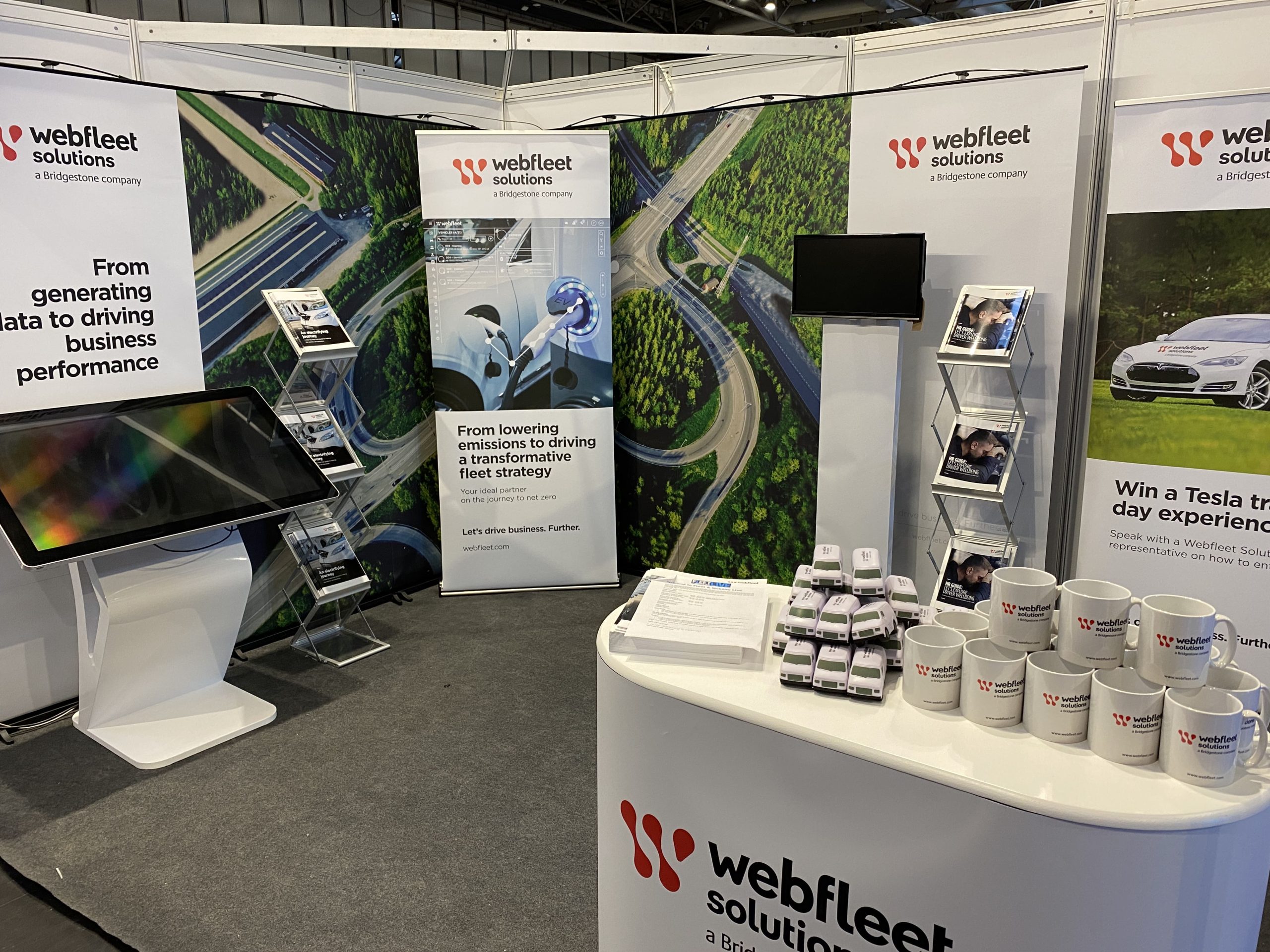
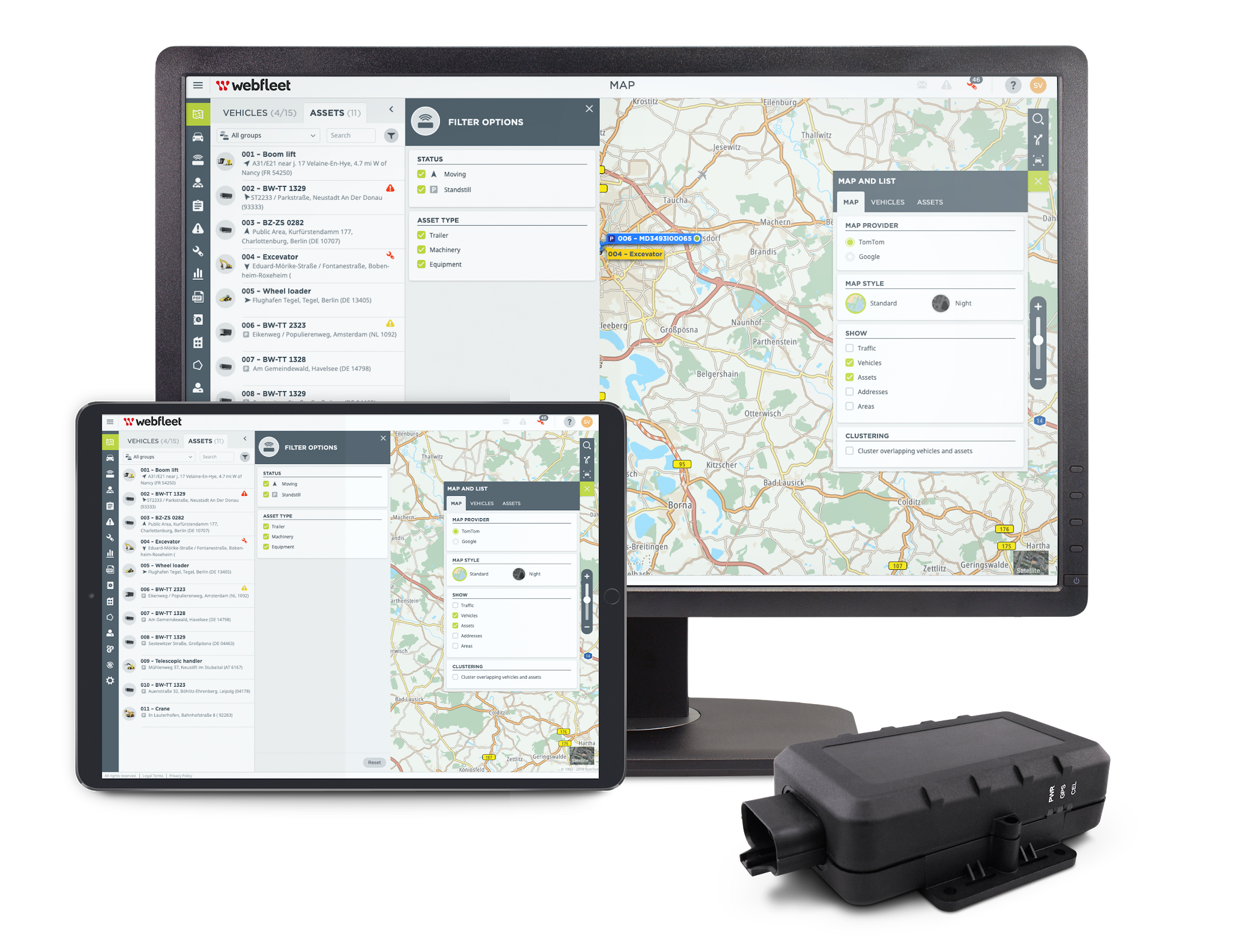
The Japanese Bridgestone, a world leader in tires and rubber products, has announced the launch in Colombia of its Webfleet telematics and fleet management division. This is one of the most recognized telemetry solutions worldwide, with more than 1.2 million connected vehicles in Europe and the Middle East alone.

Webfleet, is the name with which the Japanese tiremaker renamed TomTom Telematics, one of the four divisions of the Dutch TomTom created in 1991 and dedicated to navigation systems. In 2019, Bridgestone acquired the digital solutions business for fleets, developed by the Dutch company, in a transaction valued at the time at 910 million euros.

The purchase was the result of previous work that Bridgestone carried out to strengthen its digital capabilities, taking control of the leading platform in Europe, with a good growth rate. Webfleet is run as an independent business, taking advantage of the Japanese tiremaker’s strong brand equity, large number of customers, global influence and distribution network.

With the announcement made by Bridgestone Colombia, a broad portfolio arrives that will allow fleet operators, both small and large companies, to track their vehicles in real time and have the necessary information to make decisions aimed at increasing the performance of the operation, reduce costs and increase road and property safety.

This mobility service presented by Bridgestone is based on the Webfleet fleet management software platform, which, together with other self-made devices, manages to make the management of all types of fleets more efficient and simple (from light vehicles to heavy-duty trucks and trailers).

The platform provides real-time and historical information on trips, fuel consumption indicators, route optimization, driving habits, event notifications and maintenance control, in addition to other specific functionalities for trailer management.

“Now, fleet managers rely much more on technology, and our solutions have accompanied our customers in this adoption of digitization. With the expansion in Latin America we will also be able to help the fleets in Colombia to improve performance and safety, protect their assets and drivers, as well as contribute to reducing the carbon footprint of the planet”, said Manuel De la Torre, director of Webfleet Solutions.

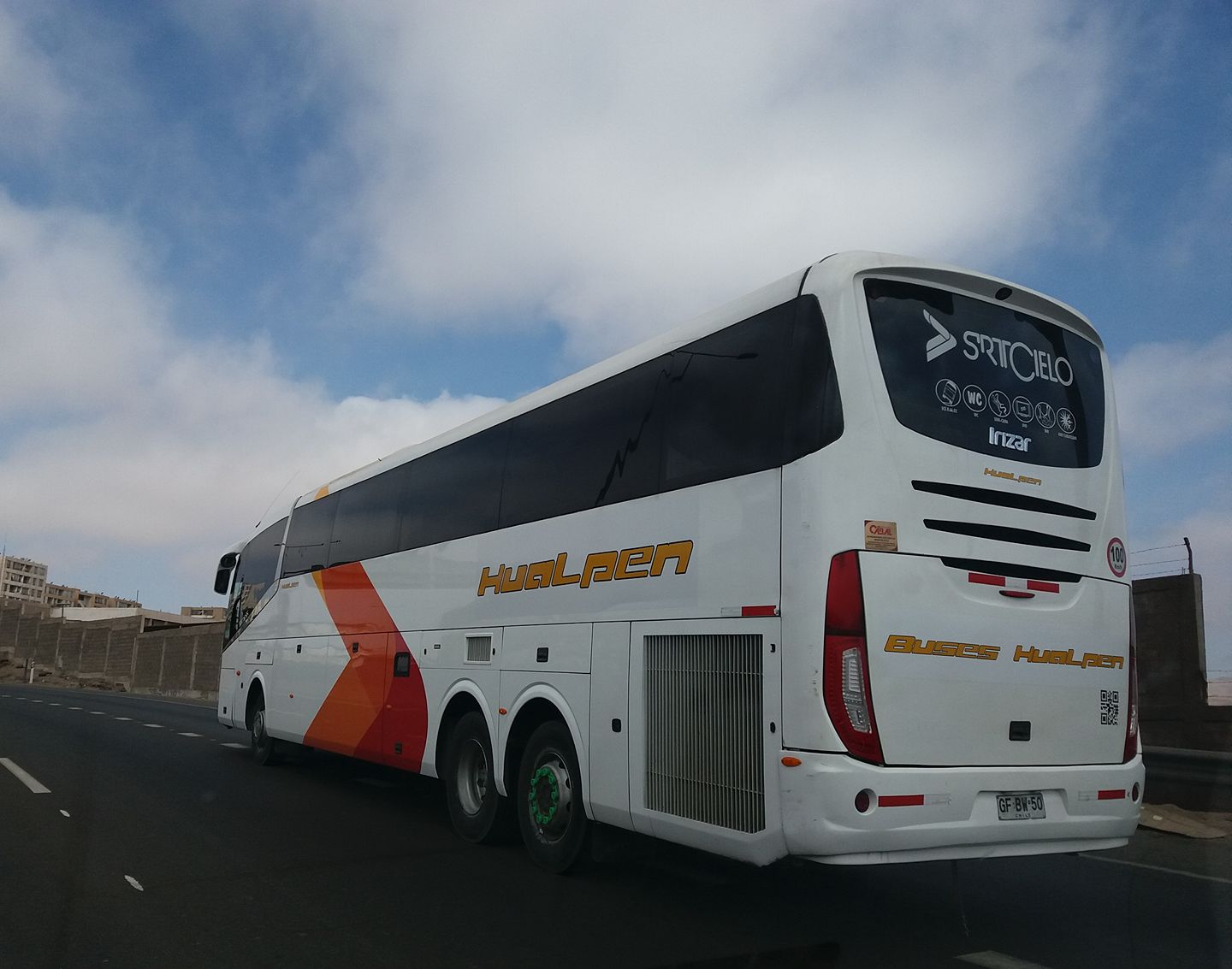
IRIZAR REACHES 3,000 UNITS SOLD IN CHILE

BUSES HUALPEN IS THE MAIN CUSTOMER IN CHILE

Colombiabus newsroom – Grupo Irizar

Irizar arrived in South America in 1998, with the establishment of the plant in Brazil, in Botucatu (State of São Paulo). Shortly after the start of model manufacturing in these facilities, the Spanish manufacturer began its commercial path in Chile, always with its distributor Transportes Cabal.

Zvonimir Matjevic, founder and President of the Cabal Group, remembers how he began this association with Irizar: “On a trip to Europe in 1995 or 1996, I had the privilege of seeing many Irizar circulating in different cities, and their design caught my attention. Innovative and its position in the market, something that was very far from the offer that existed in Chile and South America in general. Just a couple of years later, in 1998, we reached an exclusive collaboration agreement with Irizar for Chile, which has allowed the creation and maintenance of a business relationship with hundreds of satisfied customers in Chile”.

Irizar has been able to perfectly understand the needs of the market and of the clients of the most diverse Chilean segments, such as tourism, routes, personnel transport and especially mining transport, which today stands out as one of the most demanding in terms of safety and in which Irizar is currently the market leader.

“Probably the greatest merit of the result has to do with the fact of being in a highly competitive market, with open borders, where we are the product with the highest initial investment but the most profitable for customers and operators. And the explanation for the success undoubtedly has to do with the high market valuation of the aspects that today are our main differentiators: safety, design, operational efficiency, durability, to name a few.”

Tomislav concludes by pointing out the importance of loyalty and the close relationship with customers, which are great differentials that have allowed Irizar to reach the milestone of 3,000 units: “Undoubtedly we owe it to our customers and their ability to value Irizar as a comprehensive and efficient proposal, a solution proposal and long-term support”.

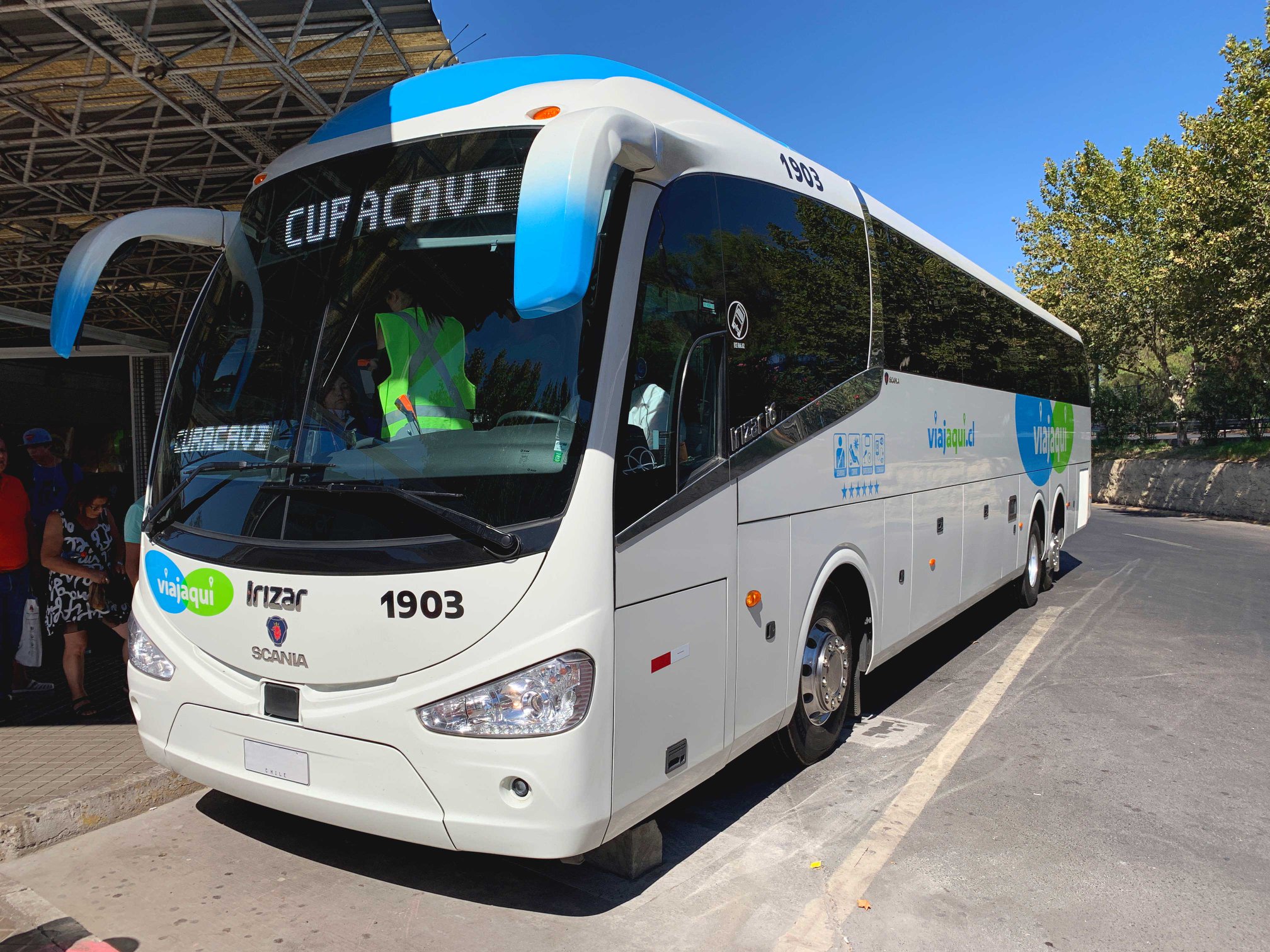
Buses Hualpén is a customer that has continued to trust Irizar for more than 15 years and in 2020 it incorporated 150 Irizar i6 coaches. It currently has a fleet of 800 coaches, of which more than 55% are Irizar.

“The choice of our brand is mainly due to the safety offered for long and dangerous routes and the great adaptability of our coaches to extreme weather situations: the Irizar buses operated by Hualpén provide services throughout the geographical diversity of Chile, from Arica to Punta Arena. They travel through cities, paved roads and stony layers inside mining operations, reaching 4,500 meters in altitude at Compañía Minera Doña Inés de Collahuasi in the Tarapacá region, where temperatures exceed 40ºC in summer and reach -20ºC in winter, with harsh conditions of snow and ice” explains Daniel Gonzalez, General Manager of Buses Hualpén.

His opinion on the choice of the Irizar brand is clear: “There are three attributes that I would highlight about Irizar: The first is that they are very comfortable buses inside. The second is that there is an excellent after-sales and spare parts service, which makes maintenance very efficient. And, finally, Hualpén has established a relationship of trust and work, not only with the local representative, but also with the Irizar factory itself, which has proven to be very flexible and focused on satisfying our needs”.

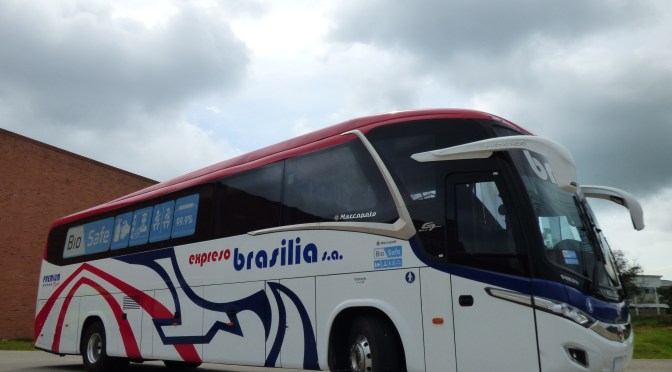
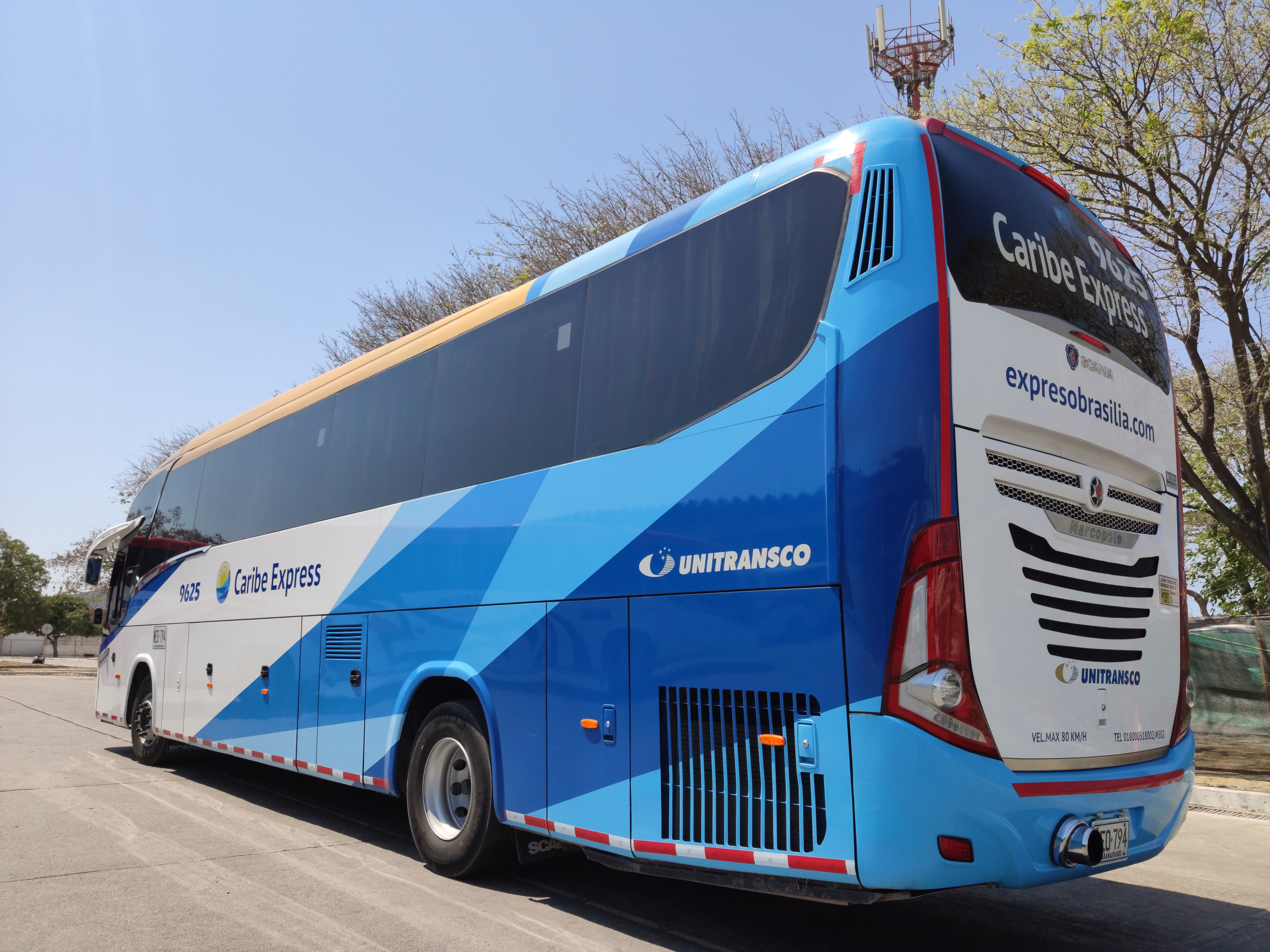
EXPRESO BRASILIA UNIRÁ A MEDELLÍN Y BARRANCABERMEJA CON LA COSTA CARIBE EN DOS NUEVAS RUTAS

LA EMPRESA HACE VALER SU EXPERIENCIA Y CONOCIMIENTO

Redacción Colombiabus – William Marroquín

Para muchas empresas de Colombia, alcanzar las poblaciones fronterizas es un sueño que persiguen diariamente, y esa posibilidad quedaba abierta con los concursos publicados por el Ministerio de Transporte en diciembre de 2021. En ellos se sometían a licitación las rutas Ipiales-Medellín y Maicao-Medellín, en la primera el resultado del Informe Preliminar de Evaluación, ya ha sido ampliamente difundido gracias a nuestras publicaciones.

Para el corredor Maicao-Medellín, se presentaron 18 compañías, siendo uno de los que más propuestas recibió, para elegir a una ganadora, que podrá aumentar su capacidad transportadora en dos vehículos con una frecuencia diaria tanto de ida como de regreso. La ruta fue ofertada en el concurso CR-MT-005-2021, en el lote 1.

Los resultados de la evaluación preliminar del Ministerio de Transporte, arrojaron un resultado muy cerrado entre las tres empresas que lograron la mayor puntuación:

Expreso Brasilia tuvo un buen resultado en el criterio de calificación donde suelen quedar descartadas más empresas, como es el de Ficha de Mantenimiento y Revisión de Vehículos, obteniendo un puntaje bastante alto, que se complementó con la Experiencia Específica, que le sirvió para desequilibrar por un margen muy estrecho (menos de un punto)

La empresa operará la nueva ruta, en los siguientes horarios:

BRASILIA TENDRÁ MÁS PRESENCIA EN BARRANCABERMEJA

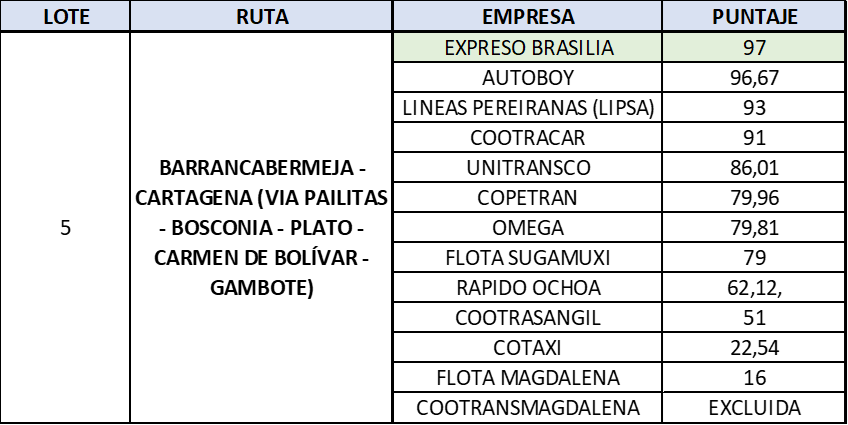
Otro proceso importante para conectar al Magdalena Medio con el caribe colombiano, se incluyó dentro del concurso CR-MT-005-2021, buscando mejorar la demanda insatisfecha que se había encontrado en el corredor Barrancabermeja – Cartagena. En este concursaron trece empresas de todos los tamaños, algunas de gran tradición y poderío, frente a otras medianas que han tenido mejor capacidad de respuesta, preparándose com más calidad de cara a enfrentar estos procesos.

Nuevamente Expreso Brasilia logró imponerse, si bien tuvo una puntuación más alta en comparación con la lograda en la ruta Medellín-Maicao, el margen que la dejó como puntera en la ruta Barrancabermeja-Cartagena fue muy estrecho, con Autoboy muy cerca de hacerse con otra ruta, como lo indica el resultado de la Evaluación Preliminar hecha por el Ministerio de Transporte:

La empresa ganadora aumentará la capacidad transportadora en dos unidades, para poder atender la nueva ruta, que tendrá los siguientes horarios:

A medida que se van informando los resultados de los procesos, van quedando lecciones importantes. Una muy importante es que el poderío económico, la tradición y la experiencia no son tan relevantes como la eficiencia, el orden en todos los procesos, la capacidad de reacción y la preparación.

Por ello muchas empresas tendrán que realizar cambios importantes al interior, para atender esa gran cantidad de oportunidades de mejora, que se evidenciaron tras la publicación del Informe Preliminar de Evaluación, a cargo del Ministerio de Transporte. También es importante mencionar, que gracias a esta nueva modalidad de licitación por Pliegos Tipo, las empresas ahora deben aprender a manejar el impacto reputacional que supone haber sido vencidas en la contienda por un amplio margen, o peor aún, resultar excluidas.

De acuerdo con los términos del concurso CR-MT-005-2021, los interesados tendrán hasta el 16 de marzo de 2022, antes de las 23:59 horas para presentar sus observaciones.

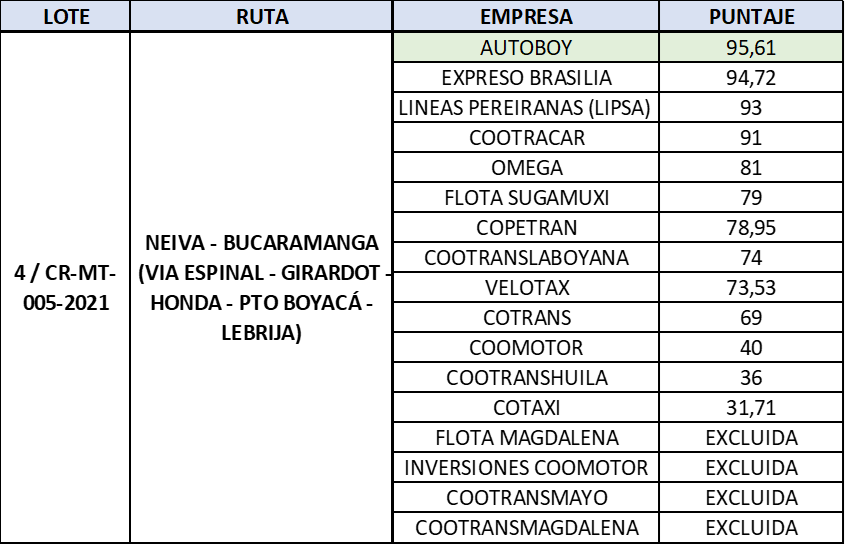
DOS EMPRESAS ATENDERÁN LAS NUEVAS RUTAS QUE COMUNICARÁN A BUCARAMANGA CON NEIVA Y DUITAMA

DURA COMPETENCIA POR GANAR LAS RUTAS LICITADAS

Redacción Colombiabus – William Marroquín

Antes que las rutas fueran ofertadas mediante licitaciones bajo la modalidad de Pliegos Tipo, definidas a finales de 2018, los procesos eran un juego cerrado donde los ciudadanos no podían conocer los postulantes, las etapas, los resultados preliminares y cómo habían sido elegidas las empresas para operar una determinada ruta.

Esto ha cambiado gracias al Decreto 1079 de 2015 y la Resolución 6184 de 2018, que definieron las reglas de juego para la licitación de corredores intermunicipales en el transporte de pasajeros, mediante una nueva modalidad de contratación. Al permitirle a la opinión pública tener conocimiento de los procesos, se ha despertado un gran interés por parte de toda la industria del autobús en Colombia, que ha estado muy pendiente de los tres concursos que el Ministerio de Transporte abrió en diciembre de 2021.

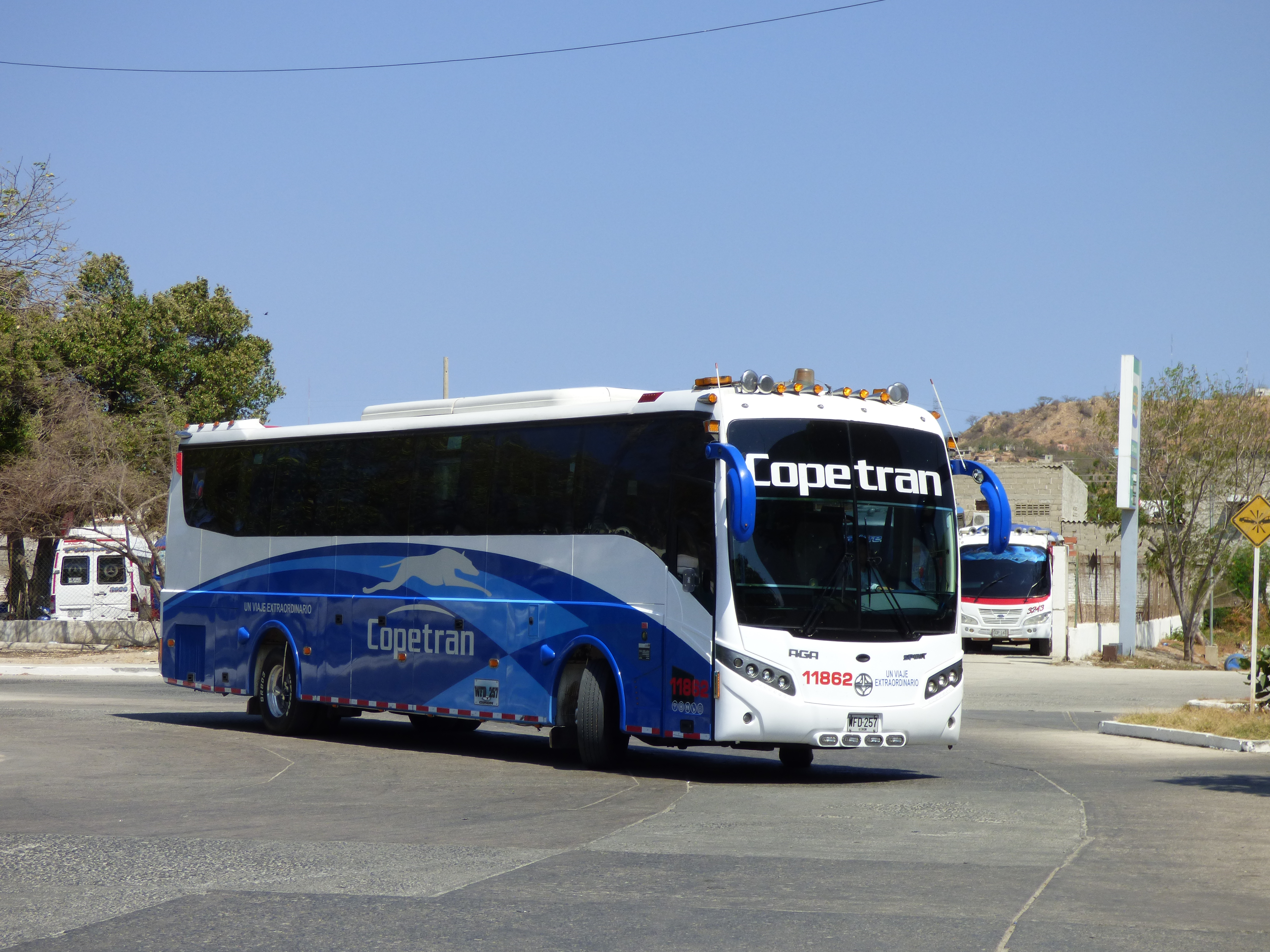
Otras rutas que han generado mucha expectativa, son las que el Ministerio sometió a licitación y que comunican a Bucaramanga con Neiva y Duitama. La primera estuvo atendida durante varios años, en la modalidad de convenios y por eso vimos a empresas como Rápido Tolima y Coomotor llegar a la capital santanderana, así como Omega y Copetran, conectarse con el Huila.
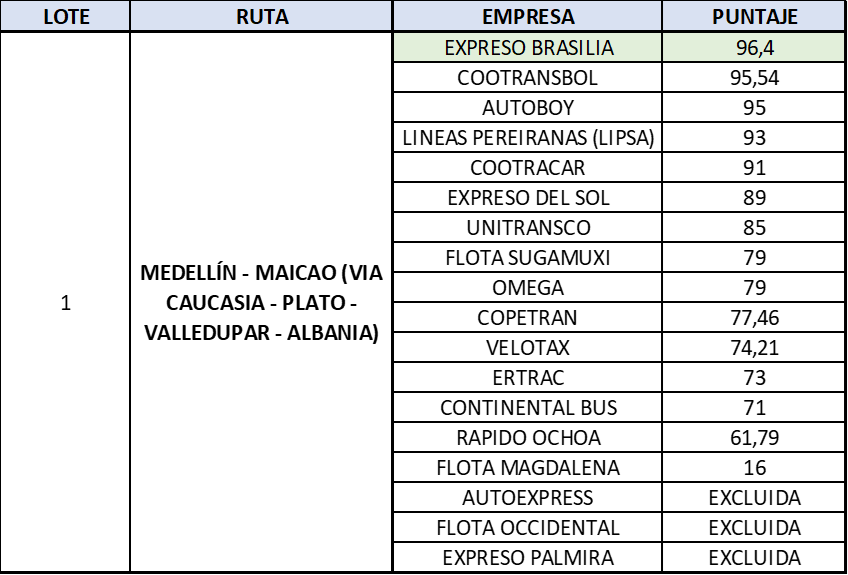

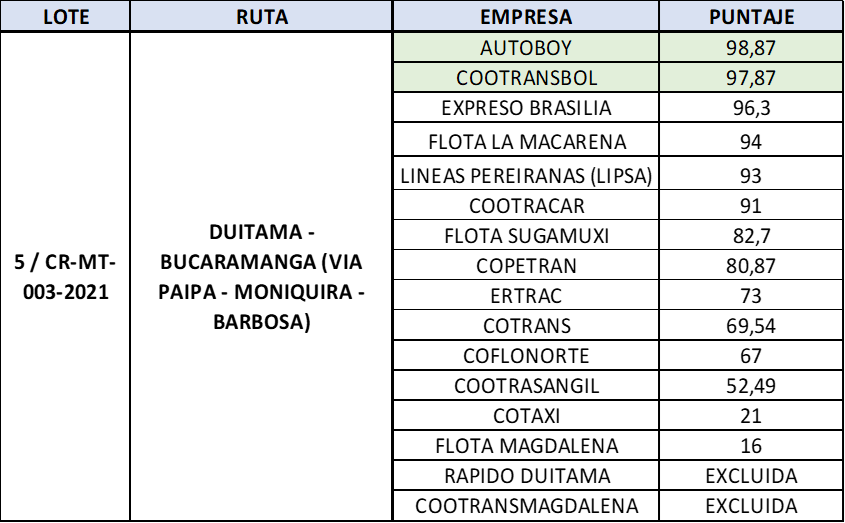
En el concurso CR-MT-003-2021, en el lote 5 se ofertó la ruta Duitama-Bucaramanga. El Ministerio de Transporte publicó los resultados a través del Informe de Evaluación Preliminar, que arrojó la siguiente puntuación:
En este concurso, Autoboy estuvo muy cerca de obtener puntuación perfecta y de hecho, en los aparados que tenían mayor incidencia en la calificación final como el Plan de Mantenimiento, Capacitación de Conductores y Segumiento en Ruta, que suman 50 puntos, no cometió ningún error. Adicionalmente, en el informe de Aclaraciones a los Requisitos Básicos de Participación, tuvo que realizar muy pocas correcciones a la documentación, lo que demostraba la buena preparación de la empresa boyacense.

Sólo la experiencia específica en el corredor, le restó puntaje para lo que hubiese sido una calificación perfecta. Lo mismo sucedió con Cootransbol, que ha sido la otra ganadora, a la empresa de Duitama le faltaron dos puntos para puntuación perfecta en el aspecto de Plan de Mantenimiento y menos de un punto en la experiencia específica.

LAS EMPRESAS HUILENSES SIGUIERON PERDIENDO EN SU TERRENO

Estas licitaciones han demostrado que por tradición o por nombre, no se gana, sino por la preparación que permite alcanzar los mayores puntajes. Los corredores que comunican a la capital del Huila han generado muchas sorpresas, pues se esperaba que las empresas de la región lideraran la competencia, pero se han visto relegadas a las posiciones de media tabla hacia atrás, muy lejos de las empresas ganadoras.

Esta situación que habíamos visto en el concurso por el corredor San José de Isnos – Bogotá, se ha repetido nuevamente en la carrera por la ruta Neiva-Bucaramanga, cuyos resultados provenientes del Informe Preliminar de Evaluación elaborado por el Ministerio de Transporte, publicamos:

En esta ruta, varias empresas no fueron capaces de hacer valer su experiencia y conocimiento sobre el corredor. Eso podría dejar entrever que uno de los apartados que incide en la puntuación, como lo es la experiencia específica, no ha sido tan determinante en estos concursos, pues la mayoría de rutas las están ganando empresas que nunca habían estado operando en los corredores a los que se postularon.

Los horarios para la ruta que operará la empresa con el mayor puntaje, quedaron así:

Estas tres licitaciones siguen dejando bastantes sorpresas y un número mayor de lecciones, que las empresas deberán tener en cuenta no sólo para participar en futuros concursos. Debe existir una construcción diaria de los procesos de control, de mantenimiento, de utilización de las herramientas de telemática y gestión de flotas, más allá de un simple GPS que ya no es ningún diferencial, sino lo mínimo para ubicar los vehículos.

Los interesados en hacer las observaciones, podrán presentar sus soportes antes de las 23:59 del próximo 16 de marzo.